
Sign up to save your podcasts
Or



Send us Fan Mail
You can hear it in Marilyn McKnight’s voice right away: for her, caregiving is not a transaction, it’s a calling. Marilyn is the president and CEO of Peace Love And Glory Home Care LLC, and she joins us during Women’s History Month to talk about what it really takes to serve families with dignity, consistency, and faith. She shares how years of experience across roles in home care and health care prepared her for the step that changed everything: opening her own agency in Bishopville and building a team rooted in peace, love, and giving God the glory.
We get practical and specific about non medical home care services. Marilyn breaks down what caregivers can do in the home, from bathing and dressing to meal prep, light housekeeping, errands, laundry, medication reminders, and companion care. She also explains who home care can support, including older adults as well as clients with autism, disability, special needs, DDSN services, VA related support, respite care, and private pay clients. If you’ve ever searched for home care, senior care, or caregiver help for a parent, this conversation helps you ask better questions and spot the difference between a “title” and true passion.
We also tackle the confusing part: home care versus home health, Medicaid versus Medicare, and how the Medicaid waiver process can limit or expand hours through Community Long Term Care COTC and plans like Healthy Connections. Marilyn shares how families sometimes supplement Medicaid covered hours with private pay, and why trust and respect matter as much as scheduling.
Finally, she invites the community into her 10-year celebration, designed as a free praise and worship night with free admission and a free meal, focused on unity and a reset for the heart. If you found value here, subscribe, share this with someone caring for a loved one, and leave us a review so more families can find these resources.
Support the show
https://www.buzzsprout.com/2442306/support
http://www.youtube.com/@savannahgrovebaptistchurch5899
https://www.facebook.com/SavannahGroveBaptistChurch
https://www.instagram.com/sgbc_effingham
https://www.tiktok.com/@sgbc_effingham
Send us Fan Mail
The fastest way to lose your community is to stop listening to it. Josiellia Williams, sat with Senator Maggie Glover for a wide-ranging, deeply personal talk about what real representation looks like in South Carolina politics and why she believes every elected seat is an “assignment” that belongs to the people who put you there. From the start, she takes us back to the early campaigns, the purple-and-gold momentum, and the lesson that never leaves her: you can’t govern on one vote, one family, or one ego.
We dig into the policy fights that tested that philosophy. Senator Glover shares what it felt like to walk into the State House and see the Confederate flag displayed in the chambers, and why she introduced the first House legislation to remove it. She connects the history to the present with a clear-eyed view of how symbols shape power, who gets heard, and what it takes to move change through two chambers when emotions run high and accountability gets blurry.
Then we shift to bread-and-butter outcomes: education funding, the South Carolina educational lottery, and how the Life scholarship approach can open doors for students who need a fair shot. We also explore the long, complicated story of I-73, including the overlooked role of a young Florentine, Anthony Cooper, whose research helped shape the proposed route, and why recognition and resources don’t always follow the people who do the work.
We close with a direct call on voting rights and voter registration: purges, ID hurdles, misinformation, and what it will take to show up in 2026 and beyond. Subscribe, share this conversation with someone who cares about democracy, and leave a review, then tell us: what’s the biggest barrier to voting in your community right now?
Support the show
https://www.buzzsprout.com/2442306/support
http://www.youtube.com/@savannahgrovebaptistchurch5899
https://www.facebook.com/SavannahGroveBaptistChurch
https://www.instagram.com/sgbc_effingham
https://www.tiktok.com/@sgbc_effingham
Send us Fan Mail
History doesn’t always announce itself while you’re living it and that’s the thread we keep pulling in our conversation with Elaine Reid. She came home looking for a job, walked into a local newsroom, and soon became the first African American anchor woman on WBTW TV 13 News. That single change in who held the mic reshaped access, trust, and visibility for Black communities across the South Carolina Pee Dee.
We talk through how that broadcasting path grows into deeper civic work: reporting in the era of cut film, hosting the community-focused talk show “Happening Now,” and then getting drawn into campaigns because she could communicate across communities. Elaine shares the backstory many people never hear about DC home rule, the Sixth District Black Caucus, and the political chain of events involving Congressman Macmillan, John Jenrette, and the groundwork that helped open doors for future leaders, including early connections to Jim Clyburn. Along the way, we reflect on leaders like attorney Mordecai Johnson and the long strategy behind Brown v Board of Education.
Then we bring it to the present. Elaine explains why the caucus model still matters, why voter registration must be matched with voter turnout, and why local issues like affordable housing and neighborhood investment require regional coordination. She also speaks plainly about today’s political climate, what she sees as attacks on public institutions like the Department of Education, and why she stays on Darlington City Council even when the work is exhausting: faith, purpose, and an “assignment” to keep showing up.
Subscribe for more Native Drums conversations, share this episode with someone who cares about local politics and Black history, and leave a review telling us what lesson from the past we should bring forward next.
Support the show
https://www.buzzsprout.com/2442306/support
http://www.youtube.com/@savannahgrovebaptistchurch5899
https://www.facebook.com/SavannahGroveBaptistChurch
https://www.instagram.com/sgbc_effingham
https://www.tiktok.com/@sgbc_effingham
Send us Fan Mail
A quiet statistic hides in plain sight across the South: diabetes is stealing mobility, dignity, and years often starting with the feet. We sat down with Dr. Hillery Dolford, a family nurse practitioner with a doctorate in nursing, to unpack how culture, diet, and inactivity can outweigh genetics, and why early action on rising A1C is the difference between management and crisis. She breaks down Type 1 versus Type 2 with uncommon clarity, then makes the case for simple, high-impact changes: water over sugary or “zero-sugar” drinks, steady movement.
The story turns personal and practical as Dr. Hillery traces her path from CNA to wound care leader and founder of Sweet Feet, a clinic focused on diabetic foot care and limb salvage. She shares results from a local study that saw zero amputations among high-risk patients during the project, highlighting how meticulous foot exams, callus control, toenail care, and swift vascular referrals prevent ulcers from becoming life altering wounds. Along the way, we hear how faith shapes the spa's warm atmosphere. Gospel music, laughter, and careful listening, so patients leave with lighter steps and renewed confidence.
We also talk purpose and entrepreneurship. Dr. Hillery’s advice for women starting a business is direct: know your why, and find mentorship that offers more than words. The right voices can pull you back to your calling when life gets loud. Her mentorship story, being called out of an interview line and sent back to nursing school with tangible support, shows how community changes trajectories. If you’re ready to rethink daily habits, protect your feet, and reconnect with purpose, this conversation delivers science, strategy, and soul. Subscribe, share with someone who needs a nudge toward water first habits, and leave a review with your top insight to keep the conversation going.
Support the show
https://www.buzzsprout.com/2442306/support
http://www.youtube.com/@savannahgrovebaptistchurch5899
https://www.facebook.com/SavannahGroveBaptistChurch
https://www.instagram.com/sgbc_effingham
https://www.tiktok.com/@sgbc_effingham
Send us Fan Mail
A wood stove, a hot plate, and a room full of doll babies: that’s where Vea Ella Gee culinary story begins, and it carries her from a bustling beauty salon to a beloved catering business that’s fed weddings, offices, and whole communities. We sit down during Women’s History Month to trace a life built on family recipes, bold pivots, and the kind of grit that turns passion into a plan.
We start with the heirloom flavors that shaped her craft—pound cake so iconic it was eulogized, sweet potato pies, collard greens, cabbages and the Saturday night lessons that stitched technique to memory. Then we follow the unexpected bridge from salon chair to serving table: clients tasting samples, asking for breakfast with their blowouts, and eventually trusting Vea Ella to style the bride and cook the reception. As demand swelled, she made the tough call to go full-time into catering, proving that service, timing, and care translate across industries when you listen to your customers.
The conversation turns practical and generous. Vea Ella shares hard-won small business advice: report your income, pay into Social Security, and set up your own benefits because independence doesn’t come with a safety net. Don’t cling to clients; treat them with abundance. Learn from one unhappy review without forgetting the ten who loved their meal. And when life hits hard, keep a center; she worked through grief with grace, honoring her mother’s legacy of help and hospitality.
Finally, we look ahead. Vea Ella is building a frozen food line—biscuits and yeast rolls ready to bake, donuts you can “rise and fry” a smart, scalable step that keeps soul food close to home ovens while easing the wear and tear of large events. She still offers small group lunches with 24-hour notice and stays reachable on Facebook under Appetite Delight or her name. If you’ve got connections in grocery or distribution, we’d love your guidance as she takes this next leap.
If this story fed your spirit, follow the show, share it with a friend, and leave a review so more people can find Native Drums. Your support helps us spotlight women whose work keeps our communities strong.
Support the show
https://www.buzzsprout.com/2442306/support
http://www.youtube.com/@savannahgrovebaptistchurch5899
https://www.facebook.com/SavannahGroveBaptistChurch
https://www.instagram.com/sgbc_effingham
https://www.tiktok.com/@sgbc_effingham
Send us Fan Mail
Courage deserves a clear record. We sit down with historian and philanthropist Lloyd Gill to follow a remarkable path from a family’s memorial scholarship to a full‑scale community campaign to honor Corporal Waverly Woodson Jr., the Black medic who worked 30 straight hours on Omaha Beach saving lives while wounded. What began as a student research challenge turned into a mission for Girl Scout Troop 423, who wrote to museums, military commands, and even heads of state to document a story that bureaucracy lost and a warehouse fire tried to erase.
Across the conversation, we unpack the overlooked impact of the 320th Barrage Balloon Battalion, the all‑Black unit whose balloons forced enemy aircraft higher and shielded the landings from strafing runs. We trace Woodson’s path from scoring high in training and being blocked from a commission due to segregation, to serving as a medic attached to the 320th on D‑Day. The details are visceral: shrapnel wounds before he reached shore, a makeshift field hospital in the sand, amputations and artery ties under fire, and reviving drowning British soldiers before finally collapsing. Commanders recommended top honors, a three‑star general advanced the case for the Medal of Honor, and yet the trail stalled—downgraded, delayed, and eventually buried under lost records.
What stands out is how everyday people can move history. Lloyd lays out exactly how listeners can help: visit house.gov, find your representative, and ask them to push the Medal of Honor upgrade and accept alternative documentation. Share the story with veterans’ groups, churches, schools, and civic leaders. Tap the network effect of social media and local press to make it impossible to ignore. Along the way, you’ll learn about D‑Day tactics, award protocols, and how a determined troop of Girl Scouts turned research into advocacy.
If this story moved you, help us move Congress. Subscribe, share this episode with a friend, and leave a review with one action you’ll take today to support Corporal Waverly Woodson Jr.’s rightful recognition.
Support the show
https://www.buzzsprout.com/2442306/support
http://www.youtube.com/@savannahgrovebaptistchurch5899
https://www.facebook.com/SavannahGroveBaptistChurch
https://www.instagram.com/sgbc_effingham
https://www.tiktok.com/@sgbc_effingham
Send us Fan Mail
Four voices. One enduring throughline: language as liberation. We shine a bright, human light on Maya Angelou, Zora Neale Hurston, Toni Morrison, and Alice Walker—women who transformed American literature and widened the world’s sense of what stories can hold.
We start with Maya Angelou, tracing a path from childhood silence to a global stage. Her memoir I Know Why the Caged Bird Sings broke barriers for Black women in nonfiction, while her poem On the Pulse of Morning echoed from a presidential inauguration. Beyond the page, we explore her work as a performer, civil rights organizer, and teacher, and how travel, mentorship, and ceaseless experimentation fueled a life where genre served the truth rather than confined it.
Zora Neale Hurston emerges as the folklorist who made field notes sing. From Harlem salons to Florida porches, Haiti to Jamaica, her ear for vernacular and eye for ritual shaped Their Eyes Were Watching God and a body of work that honored everyday Black life. We unpack the hard years—controversy, poverty, and an unmarked grave—and the later revival led by Alice Walker that returned Hurston to the canon, influencing generations of writers and readers.
Toni Morrison’s arc moves through scholarship, editing, and a breathtaking sequence of novels—The Bluest Eye, Sula, Song of Solomon, and Beloved—that confront history’s hauntings with lyrical rigor. We talk about her Nobel Prize, her defense of free expression, and how her classrooms and editorial rooms became incubators for voices too often dismissed. Finally, we turn to Alice Walker, whose The Color Purple changed how tenderness and survival could live on the page, then leapt to film and stage. Her essays, poetry, children’s books, and activism reveal a writer committed to empathy and unflinching truth.
If you love literature, cultural history, or simply the kind of story that stays in your bones, this episode offers context, connection, and reasons to read deeper. Subscribe, share with a friend who needs a reading spark, and leave a review telling us which book you’re picking up next.
Support the show
https://www.buzzsprout.com/2442306/support
http://www.youtube.com/@savannahgrovebaptistchurch5899
https://www.facebook.com/SavannahGroveBaptistChurch
https://www.instagram.com/sgbc_effingham
https://www.tiktok.com/@sgbc_effingham
Send us Fan Mail
A hundred years after Carter G. Woodson launched Negro History Week, we step back and ask a simple question with big consequences: how do we choose what to remember? Educator and former coach Daryl Page charts the living map of Black history—its origins, its overlooked corners, and the practical ways we can study and share it with the next generation.
We begin with the roots: why February, how the month became official in 1976, and the milestones that give it muscle—from the Greensboro sit-ins and Rosa Parks’s catalytic act to Jackie Robinson’s debut and the elections of Barack Obama and Kamala Harris. Daryl brings it home with a curated reading list for classrooms and book clubs: Maya Angelou’s I Know Why the Caged Bird Sings, Richard Wright’s The Man Who Was Almost a Man, James Baldwin’s The Rockpile, Langston Hughes’s Cora Unashamed, and Eugenia Collier’s Marigolds. Each piece is grounded in place—Arkansas, Harlem, Iowa, rural Maryland—turning geography into character and history into lived experience.
We also spotlight the backbone of movements: Black women who organized, calculated, invented, and led. From Harriet Tubman and Ella Baker to Katherine Johnson, Marie Van Brittan Brown, and contemporary trailblazers, their work links abolition, civil rights, STEM innovation, and cultural change. And we trace the power of sport to challenge systems, celebrating pioneers like Jesse Owens, Althea Gibson, Arthur Ashe, Wilma Rudolph, Bill Russell, and modern icons such as Serena and Venus Williams, Simone Biles, and Michael Jordan—athletes who turned excellence into advocacy.
This conversation blends story, strategy, and actionable ideas. If you’re a teacher, parent, or lifelong learner, you’ll leave with a reading plan, historical context, and ways to use media to spark curiosity. Subscribe, share with a friend who loves great books and big ideas, and leave a review with the title you’ll read first. What will you study this month?
Support the show
https://www.buzzsprout.com/2442306/support
http://www.youtube.com/@savannahgrovebaptistchurch5899
https://www.facebook.com/SavannahGroveBaptistChurch
https://www.instagram.com/sgbc_effingham
https://www.tiktok.com/@sgbc_effingham
Send us Fan Mail
Education isn’t a scoreboard—it’s a future. Representative Terry Alexander joins us to open the black box of South Carolina’s Education Oversight Committee, explain how standards get set, and question whether rising rankings reflect real learning or just better spin. We talk plainly about what data can and can’t tell us, where budgets actually land, and why too many graduates still need remedial classes even as spending climbs.
From the difference between standards and curriculum to the messy politics of federal shakeups and states’ rights, we follow the threads that tie policy to classrooms. The voucher debate takes center stage: who truly benefits when public dollars follow a student to private schools, and who gets left out when families must cover the gap? Terry offers a grounded view on equity, access, and accountability—across teachers, administrators, the state, and parents—showing how any weak link undermines the whole.
We also look forward. Community-led charter schools, especially those anchored by Black churches and local partners, emerge as a powerful model to pair high standards with relevant, culturally rooted learning. We spotlight Florence’s visible progress—new facilities, stronger performance—and talk about how resources, libraries, and civic will can turn buildings into real opportunity. If we want students ready for a global, digital world, we need to fund classrooms first, teach for mastery over metrics, and build schools that fit our kids.
If this conversation resonates, subscribe, share the episode with a friend, and leave a review to help more listeners find us. What’s the one change you’d make to your local schools today?
Support the show
https://www.buzzsprout.com/2442306/support
http://www.youtube.com/@savannahgrovebaptistchurch5899
https://www.facebook.com/SavannahGroveBaptistChurch
https://www.instagram.com/sgbc_effingham
https://www.tiktok.com/@sgbc_effingham
Send us Fan Mail
Real change at home often starts with small, repeatable habits: a shared meal, a calm conversation, a clear boundary. We invited Elder Alexis Pipkins to walk us through the Strengthening Families Program and how 11 structured sessions help parents and kids trade conflict for connection. From the first dinner to the final booster, this skills-based approach (not therapy) leans on the five protective factors—parental resilience, social connections, concrete support, parenting knowledge, and social-emotional development—to make families stronger where it counts most: daily life.
We talk about who can join—any caregiver of a child aged six to seventeen—and what to expect each week: parents and children learn in separate groups, then reunite to practice family skills. You’ll hear practical tools that work in real homes, like reward charts that motivate, family meetings that give children a voice, and positive discipline that teaches instead of punishes. We dive into ACEs and risk factors with clear language, and we show how coaches deliver the model with fidelity while adapting to local needs across Lee, Florence, Darlington, Williamsburg, and Sumter Counties.
Barriers don’t get ignored here; they get removed. Site coordinators help with transportation, gas cards, childcare, and connections to utilities assistance, food banks, and partners who sponsor meals. We also spotlight male engagement, volunteer opportunities, and why the dinner table is more than furniture—it’s a ritual that anchors listening, choices, and bonding. Stay to the end for enrollment details, upcoming cycles hosted at Savannah Grove, and ways to refer a family through Children’s Trust.
If this conversation sparked an idea for your home or your community, share it with a friend, subscribe for more stories like this, and leave a quick review. Your support helps more families find a seat at the table.
Support the show
https://www.buzzsprout.com/2442306/support
http://www.youtube.com/@savannahgrovebaptistchurch5899
https://www.facebook.com/SavannahGroveBaptistChurch
https://www.instagram.com/sgbc_effingham
https://www.tiktok.com/@sgbc_effingham
From the publisher's feed
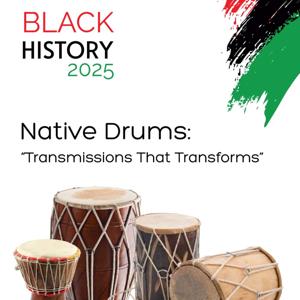
Explore the powerful symbolism of drums in African American culture, once tools of communication and resistance during the darkest times of slavery. We confront the lingering shadows of economic…