Send us Fan Mail
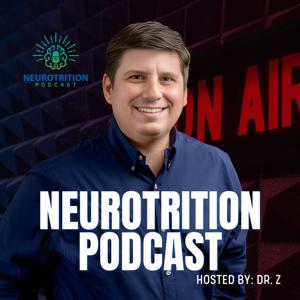
In this episode of the Neurotrition Podcast, the host sits down with lifelong friend, former patient, and high-performing professional Jon Costello to discuss what happens when success on the outside does not match what is happening inside the brain and body.
Jon Costello, former Legislative Director for Florida Governor Rick Scott and founder of Costello Strategy Group, shares his personal journey of feeling successful but miserable while navigating high-pressure leadership, public-facing responsibilities, burnout, executive dysfunction, and mental exhaustion.
Jon describes the difficult reality many high performers face: being able to “turn it on” in demanding professional environments while feeling drained, irritable, overwhelmed, and mentally locked up behind the scenes. Despite having the skills, tools, and experience to succeed, he found himself struggling to execute tasks, remain present with family, and recover from constant pressure.
The conversation explores the symptoms that often show up when the nervous system is overloaded, including irritability, isolation after social interaction, mental fatigue, panic attacks, stomach issues, sleep-onset twitching, and the feeling of having too many “open tabs” running in the brain at once.
The episode also breaks down the Neurotrition approach to finding root causes instead of chasing symptoms. Through tools like brain mapping, also known as QEEG, the team can identify where the brain may be “running hot” or struggling with executive function, stress regulation, and overall balance.
Jon and the host discuss how targeted therapies such as vagus nerve stimulation, red light therapy, vestibular retraining, eye-movement tracking, and interactive metronome training can help support neuroplasticity, nervous system regulation, and better brain timing.
Jon shares how treatment helped quiet his mind, improve his ability to process one task at a time, and become more present with his family. Rather than viewing brain health as a quick fix, this episode frames neurological recovery as a training process — one that requires intention, consistency, and investment.
This conversation is for high achievers, entrepreneurs, executives, parents, and professionals who look like they are holding everything together but feel mentally exhausted behind the scenes.
Visit neurotritionpodcast.com to listen to more episodes.
For consultations, visit healthytallahassee.com.
Follow @NeurotritionPodcast on Instagram, Facebook, YouTube, and TikTok.
This episode is for educational purposes only and is not a substitute for medical advice, diagnosis, or treatment.
Subscribe for more empowering stories & expert insights!
Like & Share this video to spread awareness.
Podcast produced byJuming Delmas Studios
Sponsored by North Florida Spine and Wellness
Follow Us for More:
- Instagram: @neurotritionpodcast
- TikTok: @neurotritionpodcast
- Facebook: @NEURO-Trition
- Website: www.neurotritionpodcast.com