
Sign up to save your podcasts
Or

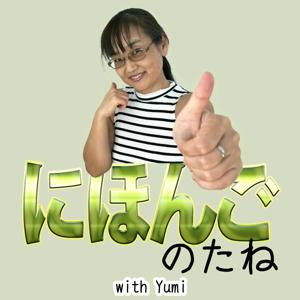


In this episode, Yumi shares the inspiring story of how her daughter landed the lead role in a local musical production of Percy Jackson—a role she wasn’t even aiming for. Originally cast in a small part, her passion for the story, dedication to rehearsal, and deep knowledge of the material made her stand out. Yumi reflects on what people often call “luck” and reveals the real reason behind unexpected success: enthusiasm and consistent effort. Whether it’s theater or language learning, this episode is a reminder that passion often leads the way. A motivational listen for anyone chasing a dream—or studying Japanese. 🎭📚🇯🇵
KEY VOCABULARY:
For upper beginners to intermediates. Listen to the short podcast and then answer the comprehension questions on the website: https://thejapanesepage.com/nihongonotane-index/
Take a quiz on this episode here:
https://thejapanesepage.com/podcast-nihongonotane-173
If you are a Makoto+ member, you can find the transcript, English translation, key vocabulary, and a downloadable PDF for printing:
https://MakotoPlus.com/podcast-nihongonotane-173-m
--
Become a Makoto+ member and get show notes with a complete transcript, translation, key vocabulary, and a downloadable PDF.
www.MakotoPlus.com
In this episode, Yumi shares a heartwarming story about her 17-year-old daughter’s summer vacation, which turned into an unexpected adventure on stage. What began as a small supporting role in a local production of the Percy Jackson Musical soon transformed into a once-in-a-lifetime opportunity: being chosen as the lead. From the excitement of her very first audition to the challenges of daily rehearsals and the triumph of nine successful performances, Yumi reflects on the surprises, the hard work, and the “secret” behind what might seem like just good luck. A touching glimpse into family life, perseverance, and the magic of following one’s dreams.
KEY VOCABULARY:
For upper beginners to intermediates. Listen to the short podcast and then answer the comprehension questions on the website: https://thejapanesepage.com/nihongonotane-index/
Take a quiz on this episode here:
https://thejapanesepage.com/podcast-nihongonotane-172
If you are a Makoto+ member, you can find the transcript, English translation, key vocabulary, and a downloadable PDF for printing:
https://MakotoPlus.com/podcast-nihongonotane-172-m
--
Become a Makoto+ member and get show notes with a complete transcript, translation, key vocabulary, and a downloadable PDF.
www.MakotoPlus.com
In this episode, Yumi visits her family home in Japan, only to find it cold, boring, and isolating—with no internet, books, or entertainment. Feeling stuck in what she jokingly calls a "mini-prison," she unexpectedly finds joy in a Japanese radio show. Listener stories and nostalgic memories rekindle her love for storytelling and inspire her to share more fun tales with her audience. A charming reflection on boredom, discovery, and the power of laughter.
KEY VOCABULARY:
For upper beginners to intermediates. Listen to the short podcast and then answer the comprehension questions on the website: https://thejapanesepage.com/nihongonotane-index/
Take a quiz on this episode here:
https://thejapanesepage.com/podcast-nihongonotane-171
If you are a Makoto+ member, you can find the transcript, English translation, key vocabulary, and a downloadable PDF for printing:
https://MakotoPlus.com/podcast-nihongonotane-171-m
--
Become a Makoto+ member and get show notes with a complete transcript, translation, key vocabulary, and a downloadable PDF.
www.MakotoPlus.com
In this episode, Yumi returns to Japan in the dead of winter, navigating the chill of an old house, the busyness of inheritance matters, and the quiet grief of family loss. Amid the hardship, she rediscovers the simple joy of soaking in a deep, warm bath. A heartfelt story of discomfort, tradition, and small comforts
KEY VOCABULARY:
For upper beginners to intermediates. Listen to the short podcast and then answer the comprehension questions on the website: https://thejapanesepage.com/nihongonotane-index/
Take a quiz on this episode here:
https://thejapanesepage.com/podcast-nihongonotane-170
If you are a Makoto+ member, you can find the transcript, English translation, key vocabulary, and a downloadable PDF for printing:
https://MakotoPlus.com/podcast-nihongonotane-170-m
--
Become a Makoto+ member and get show notes with a complete transcript, translation, key vocabulary, and a downloadable PDF.
www.MakotoPlus.com
In this episode of Nihongo no Tane, Yumi shares a personal and heartfelt story about returning to Japan for her father’s funeral. From navigating unfamiliar funeral customs to reconnecting with family members she hadn’t seen in years, Yumi reflects on the busy, emotional days that followed her father’s passing. She also talks about what made the ceremony special and how her father’s long life in his hometown was filled with friendship and meaning. A touching episode with insights into Japanese culture and family life.
KEY VOCABULARY:
For upper beginners to intermediates. Listen to the short podcast and then answer the comprehension questions on the website: https://thejapanesepage.com/nihongonotane-index/
Take a quiz on this episode here:
https://thejapanesepage.com/podcast-nihongonotane-169
If you are a Makoto+ member, you can find the transcript, English translation, key vocabulary, and a downloadable PDF for printing:
https://MakotoPlus.com/podcast-nihongonotane-169-m
--
Become a Makoto+ member and get show notes with a complete transcript, translation, key vocabulary, and a downloadable PDF.
www.MakotoPlus.com
In this episode of Nihongo no Tane, Yumi shares a shopping trip with her daughter that started with a simple plan to buy one pair of exercise pants but ended with three! She also talks about how their dog, Maro, played a role in this unexpected shopping spree. Along the way, Yumi reflects about how English words get adapted into Japanese. Tune in for a lighthearted and relatable episode filled with everyday moments and language insights!
KEY VOCABULARY:
For upper beginners to intermediates. Listen to the short podcast and then answer the comprehension questions on the website: https://thejapanesepage.com/nihongonotane-index/
Take a quiz on this episode here:
https://thejapanesepage.com/podcast-nihongonotane-168
If you are a Makoto+ member, you can find the transcript, English translation, key vocabulary, and a downloadable PDF for printing:
https://MakotoPlus.com/podcast-nihongonotane-168-m
--
Become a Makoto+ member and get show notes with a complete transcript, translation, key vocabulary, and a downloadable PDF.
www.MakotoPlus.com
In this episode of Nihongo no Tane, Yumi shares her recent conversations with her mother and younger sister in Japan. She reflects on how her elderly mother has developed a habit of one-sided conversations, often hanging up as soon as she’s finished speaking. She also considers her own role as a listener rather than a talker and how being a good listener can be a rare and valuable trait. Tune in for an insightful and relatable discussion on family dynamics, communication, and the importance of listening.
KEY VOCABULARY:
For upper beginners to intermediates. Listen to the short podcast and then answer the comprehension questions on the website: https://thejapanesepage.com/nihongonotane-index/
Take a quiz on this episode here:
https://thejapanesepage.com/podcast-nihongonotane-167
If you are a Makoto+ member, you can find the transcript, English translation, key vocabulary, and a downloadable PDF for printing:
https://MakotoPlus.com/podcast-nihongonotane-167-m
--
Become a Makoto+ member and get show notes with a complete transcript, translation, key vocabulary, and a downloadable PDF.
www.MakotoPlus.com
In this episode of Nihongo no Tane, Yumi takes us back to a beloved Japanese custom that is slowly fading: the “New Year Film” tradition. She recalls how families would flock to theaters to watch holiday releases like Otoko wa Tsurai yo, Tsuribaka Nisshi, and even Godzilla. Yumi fondly remembers her father’s love for these films and reflects on how the genre has evolved, with fewer people nowadays making special New Year trips to the cinema. Instead, she points out how streaming services and a changing culture have shifted the way people experience movies. Tune in for an engaging look at the past and present of celebrating the New Year with film in Japan, and hear Yumi’s thoughts on what she and her family chose to watch this year!
KEY VOCABULARY:
For upper beginners to intermediates. Listen to the short podcast and then answer the comprehension questions on the website: https://thejapanesepage.com/nihongonotane-index/
Take a quiz on this episode here:
https://thejapanesepage.com/podcast-nihongonotane-166
If you are a Makoto+ member, you can find the transcript, English translation, key vocabulary, and a downloadable PDF for printing:
https://MakotoPlus.com/podcast-nihongonotane-166-m
--
Become a Makoto+ member and get show notes with a complete transcript, translation, key vocabulary, and a downloadable PDF.
www.MakotoPlus.com
In this episode of "Nihongo no Tane," Yumi reflects on her experience welcoming the New Year amidst a busy holiday season. She shares insights into traditional Japanese New Year customs, from preparing osechi ryori to watching NHK’s Kohaku Uta Gassen and giving otoshidama. Despite these celebrations, Yumi explains why this year felt less "new" to her, revealing how a cluttered home and a packed schedule impacted her perspective. Tune in to explore the contrasts between Japanese and American New Year traditions and discover Yumi’s goals for the year ahead!
KEY VOCABULARY:
For upper beginners to intermediates. Listen to the short podcast and then answer the comprehension questions on the website: https://thejapanesepage.com/nihongonotane-index/
Take a quiz on this episode here:
https://thejapanesepage.com/podcast-nihongonotane-165
If you are a Makoto+ member, you can find the transcript, English translation, key vocabulary, and a downloadable PDF for printing:
https://MakotoPlus.com/podcast-nihongonotane-165-m
--
Become a Makoto+ member and get show notes with a complete transcript, translation, key vocabulary, and a downloadable PDF.
www.MakotoPlus.com
In this episode of "Nihongo no Tane," Yumi shares delightful stories about Pon-chan, the newest member of her family—a curious and calm kitten! She recounts how Pon-chan has grown from a tiny ball of fluff to a playful companion with a big personality. From quiet visits to the vet to bonding moments with her daughter and dog Maro-chan, Pon-chan’s gentle yet bold nature continues to charm everyone around him. Tune in to hear about his adventures and discover why Yumi believes he’s destined to be a “big deal”!
KEY VOCABULARY:
About 大物(おおもの)
The term 大物(おおもの) is often used in Japanese to describe someone of significant stature, importance, or influence in a particular field. It's a versatile word that carries a sense of admiration and respect but can also be used humorously or sarcastically depending on the context.
Meanings and Usage:
- When used sincerely, 大物(おおもの) refers to someone who is influential or accomplished.
- Example:
あの人(ひと)は政治(せいじ)の世界(せかい)では大物(おおもの)です。 (That person is a big shot in the world of politics.)
- It can describe someone with an aura of greatness or a larger-than-life presence.
- Example:
彼女(かのじょ)は新人(しんじん)だけど、大物感(おおものかん)があります。 (She’s a newcomer, but she has the presence of a big deal.)
- Sometimes, it’s used to describe someone who shows promise or potential to become a prominent figure.
- Example:
彼(かれ)は若(わか)い頃(ころ)から将来(しょうらい)の大物(おおもの)と言(い)われていました。 (He’s been called a future big shot since he was young.)
- It can also be used jokingly to describe someone acting overly confident or pretending to be important.
- Example:
彼(かれ)は自分(じぶん)のことを大物(おおもの)だと思(おも)っているみたい。 (He seems to think he’s a big deal.)
Cultural Nuance:
The term is tied to the Japanese appreciation for hierarchy and respect for accomplishments. Calling someone 大物(おおもの) implies they have achieved or will achieve something noteworthy, but the tone and intent can vary depending on how it's said and the relationship between the speaker and the subject.
If you're describing someone as 大物(おおもの), it's a way of acknowledging their significance—whether genuinely or playfully. Context is everything!
For upper beginners to intermediates. Listen to the short podcast and then answer the comprehension questions on the website: https://thejapanesepage.com/nihongonotane-index/
Take a quiz on this episode here:
https://thejapanesepage.com/podcast-nihongonotane-164
If you are a Makoto+ member, you can find the transcript, English translation, key vocabulary, and a downloadable PDF for printing:
https://MakotoPlus.com/podcast-nihongonotane-164-m
--
Become a Makoto+ member and get show notes with a complete transcript, translation, key vocabulary, and a downloadable PDF.
www.MakotoPlus.com
From the publisher's feed

1,025 Listeners
126 Listeners
166 Listeners
93 Listeners

38 Listeners
68 Listeners
80 Listeners
75 Listeners

9 Listeners

20 Listeners
160 Listeners
17 Listeners
94 Listeners
46 Listeners
41 Listeners