
Sign up to save your podcasts
Or



Send us Fan Mail
Holiday cheer meets high-speed reality. We kick things off with Christmas plans, a local band invite, and a friendly argument over the greatest holiday movie ever made—Die Hard, Home Alone, Gremlins, or Christmas Vacation. That cozy start gets spicy fast as we unpack Jake Paul’s brutal weekend, trade doubts about boxing hype, and laugh at how a single jaw shot can flip the narrative. The energy stays playful with a tongue-in-cheek “survival guide” for hosting liberal relatives, riffing on coal, non-binary Santa, and the eternal “Baby, It’s Cold Outside” debate.
Then we pivot to the news that actually moves ships. Venezuela’s oil tanker chess match takes center stage: seized vessels, flag switches, talk of escorts, and why cutting off illicit revenue can shake a regime’s grip. It’s geopolitics from the ground up—surveillance, sanctions, and the blunt calculus of who gets paid and who doesn’t. We also touch on Epstein photo chatter and the way public attention gets pulled from one outrage to the next, leaving everyone angrier and none the wiser.
The heart of the episode is a wild Christmas-week fugitive story straight from our bail recovery work. Picture a trailer-park stakeout, a tense red-light confrontation, and a desperate jump to I-40 in a car that’s smoking like a chimney. Windows shatter, seat belts jam, and a roadside tussle ends with cuffs and a confession: “I thought I could get away.” It’s messy, human, and real—how small-town justice actually happens when the holidays are supposed to be calm.
If this roller coaster made you laugh, nod, or clench the steering wheel, tap follow and share it with a friend who loves holiday movies and true chase stories. Subscribe, leave a quick review, and tell us your definitive Christmas movie champion—we’re keeping score.
Send us Fan Mail
One holiday season, two realities: twinkle lights and hayrides on one side, blue lights and court dates on the other. We invited Wilmington attorney Jimmy McGee to bridge that gap with clear, practical advice on DWI stops, sobriety tests, and the choices that keep you and your record safe. What starts with local traditions and community pride quickly shifts to street-level safety, mental health strain downtown, and the legal nuances that matter when a casual dinner meets a roadside flashlight.
We unpack why Wilmington sees so many DWIs—highways that double as main streets, beach traffic year-round, and overlapping patrols from city, county, and highway units. Jimmy explains North Carolina’s key standard: it’s legal to drive after drinking, but illegal to drive while appreciably impaired. He breaks down the stop from the first signal to the last question: pull over safely to the right, have license and registration ready, be polite, and know you don’t have to perform field sobriety tests that often trip up even sober people. We talk probable cause, checkpoints, and how video and officer reports can make or break a case.
Then we zoom out to the details people miss: IPAs and high-ABV beers that add up fast, 14 percent wine poured generously, body weight differences that change breath results, and the messy reality of THC and medications under DRE scrutiny. The theme is consistent—knowledge beats guesswork. We also spotlight the human side of defense work: empathy, clear communication, and treating every case like family. If you’re local to New Hanover, Pender, or Brunswick, Jimmy shares how to reach his Princess Street office and why quick action matters.
Whether you’re planning a party route or prepping a legal playbook, this conversation gives you the tools to make smarter decisions. If you found it helpful, subscribe, share with a friend who needs a ride-or-call reminder, and leave a review so more folks find practical, local guidance when it counts.
Send us Fan Mail
The world feels chaotic until you anchor it to what actually works. We start with a raw look at Venezuela—an oil-rich nation weighed down by corruption and human rights abuses—and connect it to the fentanyl surge, narco-terror networks, and why deterrence at sea and at the border has become a front-line debate. It’s not just geopolitics for headlines; it’s the everyday cost to American communities and the families grieving real losses.
Then we bring it home. Nashville becomes our shorthand for a bigger truth: culture clashes can coexist with economic vitality when cities manage tourism with intention. Budget flights and airport protests spark questions about access, affordability, and who gets to move freely. And in Georgia politics, identity labels collide with a simple demand for competence—earn votes by delivering results, not by leading with a bio.
Our guest, Hunter from Momentum Distillery, pulls back the curtain on craft spirits. From sweet corn bourbon and holographic labels to the nitty-gritty of North Carolina’s ABC system, he explains how a missing definition for “production” tied up common sense. The numbers tell their own story: a 30 percent excise tax on distillers, an effective 56 percent at retail, and a market shaken by the rise of THC seltzers. Hunter lays out a focused fix—legalize in-state shipping with age verification and allow distilleries to sell directly to bars and restaurants when local boards refuse special orders. The payoff is clear: more jobs, more tax revenue, and better consumer choice without cutting the excise rate.
We round out with education and workforce. Community colleges and trade programs are where future-proof careers live, and if taxes and lottery money are as large as promised, classrooms should show it. That’s the challenge to our leaders: manage public money like it matters, because it does. We also give credit where it’s due—signing Irene’s Law was a step toward bipartisan problem-solving—and extend an open invite to keep talking bail reform with data and outcomes front and center.
If this mix of straight talk, policy detail, and real-world solutions hits home, follow the show, share it with a friend, and leave a review. Your voice helps bring better conversations—and better policy—into the light.
Send us Fan Mail
The episode opens with light, fast banter—Thanksgiving plates, 80s party gear, and the annual sprint to string up lights—then it pivots into the kind of talk that actually affects our streets and our courts. We lay out what North Carolina’s Irena’s Law changes in plain language: tighter pretrial release for violent offenses, secured bail expectations, and written accountability from judges and magistrates when they choose a different path. We also touch on added prosecutor resources in the county where a high‑profile case sparked the reform, and why documentation beats rhetoric when freedom and safety are on the line.
From there we tackle AI, not as a buzzword but as a growing stress test for trust. A smart lighting box seems harmless, yet it opens a door to bigger worries: automated agents that “decide” what to send or hide, and deepfakes convincing enough to bend public opinion overnight. We share how to keep your bearings—verify sources, look for provenance, and treat viral videos like suspects until they’re cleared. If you run a small stage or a small business, AI can help. If you’re a citizen trying to make sense of politics and policy, healthy skepticism is now basic hygiene.
The heart of the hour is a bondsman case we call “Polly the Perv.” A $25,000 bond looks routine until the defendant misses court, numbers go dark, and weeks of calls end with the hardest news: a fatal overdose in a bathroom, far from home. We break down what happens next behind the scenes—certified death certificates, registrar seals, scanned envelopes, and filings to satisfy the clerk, DA, school board attorney, and insurers. Good process matters because past frauds poisoned the well; now only meticulous records clear the ledger. It’s not glamorous, but it’s how the system protects taxpayers, victims, and the people holding the risk.
If you care about safer communities, fairer courts, and knowing what’s real in your feed, this one’s worth a full listen. Tap follow, leave a rating or review, and share the episode with someone who’s debating bail, AI, or both. Your take might change a mind—and your reply might sharpen ours.
Send us Fan Mail
A quiet morning turns into a masterclass on how the justice system actually works when a $15,000 bond, a missed court date, and a last-minute rehab collide. We take you behind the counter of a North Carolina bonds office where a forfeiture clock is unforgiving, holidays slow everything down, and the difference between “trying to help” and “doing it right” can cost thousands. From ICE detainers and Charlotte’s status as a trafficking hub to the realities of HIPAA and felony warrants, we walk through the exact steps that protect your money and your case.
Our story centers on “Little Susie,” a defendant whose family moved quickly but skipped the most important call: her attorney. We explain why judges—not hope—decide recalls, why rehab alone doesn’t cover a failure to appear, and how multiple county warrants can upend even the best-laid plans at the courthouse door. Along the way, we zoom out to global and local pressure points, including Venezuela-linked fentanyl routes and maritime interdictions that shape what shows up on our streets and in our jails.
Then we shift into a practical PSA you can use today. Spoofed “federal jury duty” and fake “pretrial services” calls are surging, complete with official-sounding numbers, case details, and clipboard drop-ins. The playbook is always the same: urgency, a cheaper ankle-monitor promise, and a demand for Cash App or Venmo. We give you a simple checklist to verify any claim: call the jail or clerk using numbers from the official website, confirm bond status, refuse app payments, and never hand over cash without in-person paperwork from a licensed office. Share this with family who might panic under pressure—especially around the holidays.
If you learned something useful, follow the show, share this episode with a friend who might need it, and leave a quick review so others can find these tools when it matters most.
Send us Fan Mail
A weekend in Nashville set the stage for something bigger: a candid look at how public voices shape private lives, and how fast hype can outpace reality. We kick off with Kenny Chesney’s refreshingly apolitical stance and use it to examine a question we wrestle with often: when should a platform be a bridge, not a bludgeon? From there, we trace the ripple effects of big-city leadership choices, shifting crime incentives, and the downstream moves people make when safety and taxes collide.
The conversation moves fast but stays grounded. We unpack the latest government shutdown maneuvers and the rare, eyebrow-raising votes that crossed party lines, not as a scoreboard moment but as a glimpse into how policy actually moves. Then we pull back the curtain on the outrage engine: bots flooding local comment sections, fake accounts stoking rage, and real communities left to sift truth from noise. Even our lighthearted gripe about early Christmas decor fits the theme—seasons need space, and when everything’s urgent, nothing feels meaningful.
Our anchor story is a wild one. We track a pair we call “Bonnie and Clyde” from whispers in Florence, South Carolina to a sleek hotel near Raleigh’s Crabtree area. One tip, one vice site, and a few telling tattoos become a map. We coordinate with hotel staff, choose a room that watches the elevators, and wait. She appears first, denial meets ink, and seconds later he rounds the corner. The hallway tightens, strangers hover, and we move with control. We exit clean, connect with Raleigh police, and watch two people cling to each other as the moment catches up. It’s messy, human, and real—the kind of case that reminds us why preparation and restraint matter.
If you want a show that blends street-level stories with clear-eyed takes on culture, policy, and how the internet warps both, you’re in the right place. Hit follow, share this with a friend who loves true fieldwork and sharp conversation, and leave a quick review to help more listeners find us. Your feedback shapes where we go next.
Send us Fan Mail
A hurricane roars toward Jamaica while the ground shifts under our feet at home, and we’re trying to make sense of both. We start with the uneasy calm of coastal life—stocking up, watching the radar, calculating risk—and move straight into the human ripple effects of a potential government shutdown: SNAP benefits on the line, rumors of retail lockdowns, and the tricky business of separating facts from what your feed serves you. It’s messy out there, and we talk through how to prepare, what to believe, and who pays when a storm—natural or political—hits the most vulnerable first.
From there, we get personal. One of us relied on benefits after a layoff while raising a kid alone, and only needed them until work returned. That story becomes our North Star for what safety nets should do: stabilize in a crisis, then step back. We wrestle with abuse, accountability, and the case for small community service requirements. Health enters the frame too: if benefits nudge better choices, the whole system saves on preventable hospital bills. It’s less about punishment and more about building a path out that actually holds.
Then we roll up our sleeves for Irena’s Law in North Carolina—limits on cashless bail for violent crimes, tighter rules for repeat offenders, mental health evaluations, and stronger oversight when courts don’t follow through. As bail agents, we break down the real workflow: what magistrates set, what judges overturn, and why one headline can distort how the system actually functions. To ground it, we share a wild field story that ends with a defendant hidden inside a torn box spring. It’s gritty, darkly funny, and a reminder that justice isn’t abstract—it’s a knock on a door, a name that finally checks out, and a ride to the jail that doesn’t always smell like roses.
We wrap with Halloween banter, merch shoutouts, and news about a live meet-and-greet with VIP seating and Q&A. If you care about public safety, fairness, and common sense in a world that often lacks it, this one’s for you. Subscribe, share with a friend who loves true stories from the front lines, and drop a review to tell us what you think—and what you want us to tackle next.
Send us Fan Mail
A fan from Bangladesh, a lawn seat that costs a fortune, and a $25,000 bond saved without a scuffle—this one moves from global shoutouts to ground-level action fast. We open with the audience love and then tear into the mess of modern ticketing: primary prices that start high, fees that stack higher, and a resale system that multiplies charges while artists and fans both lose. If you’ve ever paid triple digits to squint from the grass, you’ll feel this one in your wallet.
From there, we pivot into what we do best: real bail work with real stakes. In Robeson County, we map a target’s circle through surnames and social media, launch a drone from a quiet church lot to scan for dogs and plates, and make a hard call on whether to knock. The break arrives through a scorned girlfriend who points us straight to the door. We split positions, keep it calm, and the suspect walks out without a fight. No drama, no rubber rounds—just clean tactics, clear communication, and a bond company spared a $25K hit while taxpayers pay nothing.
We also dig into Irena’s Law and what it could mean across North Carolina: more secured bonds for violent charges, fewer blanket unsecures, and a likely shift in workload as cases move through the system. Magistrates are waiting on guidance, but we’re preparing for the ripple effects—more bonds written, more forfeitures, and more accountability. On the lighter side, we unveil a new “trigger fish” shirt from our coastal-themed shop, swap a few laughs about local culture, and float a big idea: bringing Dog the Bounty Hunter and Leland Chapman to Wilmington for a live show, a recorded podcast, and a VIP Q&A.
Want that event to happen? Tell us. Share this episode with a friend who loves true field stories, hit follow to get alerts, and leave a quick review—it helps more than you think.
From the publisher's feed
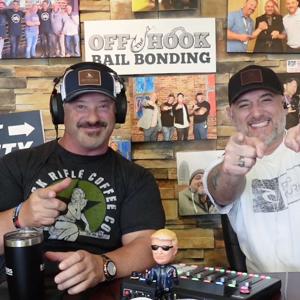
We are a group of private investigators, bounty hunters / fugitive recovery agents, and bail bondsmen that have been in this line of work for over twenty five years and have many stories to…