
Sign up to save your podcasts
Or

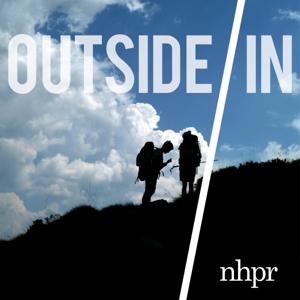

With 'Oppenheimer,' director Christopher Nolan has turned the Manhattan Project into a summer blockbuster. The film is set in Los Alamos, one of the primary places where the first atomic bomb was developed. But fewer people know the history of Carrizozo, a rural farming area downwind of the Trinity test — and a community still dealing with the fallout to this day.
Radioactive fallout from the bomb settled on everything: the soil, gardens, and drinking water. Cow’s milk became radioactive. Later, hundreds of people developed radiogenic cancers.
The people of Carrizozo were among the first people in the world exposed to a nuclear blast. More than 75 years later, their families are still fighting for medical compensation from the federal government.
Host Nate Hegyi traveled to New Mexico to visit the Trinity Site, and to hear the stories of so-called ‘downwinders.'
Featuring: Paul Pino, Tina Cordova, Ben Ray Lujan
Editor's note: A previous version of this description incorrectly described Los Alamos as the site of the first atomic bomb test. The actual test took place in the White Sands Missle Range.
SUPPORT
Outside/In is made possible with listener support. Click here to become a sustaining member of Outside/In.
Subscribe to our newsletter (it’s free!).
Follow Outside/In on Instagram or join our private discussion group on Facebook.
Submit a question to the “Outside/Inbox.” We answer queries about the natural world, climate change, sustainability, and human evolution. You can send a voice memo to [email protected] or leave a message on our hotline, 1-844-GO-OTTER (844-466-8837).
LINKS
The federal government has produced a few studies on the fallout from Trinity. This one from Los Alamos found that there was still contamination in the area in 1985.
Another, from the Centers for Disease Control and Prevention, produced one of the most in-depth histories of the fallout from Trinity and the government’s reaction.
The National Cancer Institute found that hundreds of people likely developed cancer because of the fallout.
The history of Trinity is full of strange little details, like the desert toads that were croaking all night.
You can find affidavits and first-hand accounts of the fallout from Trinity at the Tularosa Basin Downwinders Consortium website.
This review by the Bulletin of Atomic Scientists explains why it’s so hard to determine a definitive death toll for the U.S. bombings of Hiroshima and Nagasaki during WWII.
CREDITS
Host: Nate Hegyi
Reported and produced by Nate Hegyi
Edited by Taylor Quimby
Editing help from Rebecca Lavoie, Justine Paradis, Felix Poon, and Jeongyoon Han
Rebecca Lavoie is our Executive Producer
Music for this episode by Blue Dot Sessions
Outside/In is a production of New Hampshire Public Radio
Learn more about your ad choices. Visit megaphone.fm/adchoices
 View all episodes
 By NHPR

4.7
14471,447 ratings
With 'Oppenheimer,' director Christopher Nolan has turned the Manhattan Project into a summer blockbuster. The film is set in Los Alamos, one of the primary places where the first atomic bomb was developed. But fewer people know the history of Carrizozo, a rural farming area downwind of the Trinity test — and a community still dealing with the fallout to this day.
Radioactive fallout from the bomb settled on everything: the soil, gardens, and drinking water. Cow’s milk became radioactive. Later, hundreds of people developed radiogenic cancers.
The people of Carrizozo were among the first people in the world exposed to a nuclear blast. More than 75 years later, their families are still fighting for medical compensation from the federal government.
Host Nate Hegyi traveled to New Mexico to visit the Trinity Site, and to hear the stories of so-called ‘downwinders.'
Featuring: Paul Pino, Tina Cordova, Ben Ray Lujan
Editor's note: A previous version of this description incorrectly described Los Alamos as the site of the first atomic bomb test. The actual test took place in the White Sands Missle Range.
SUPPORT
Outside/In is made possible with listener support. Click here to become a sustaining member of Outside/In.
Subscribe to our newsletter (it’s free!).
Follow Outside/In on Instagram or join our private discussion group on Facebook.
Submit a question to the “Outside/Inbox.” We answer queries about the natural world, climate change, sustainability, and human evolution. You can send a voice memo to [email protected] or leave a message on our hotline, 1-844-GO-OTTER (844-466-8837).
LINKS
The federal government has produced a few studies on the fallout from Trinity. This one from Los Alamos found that there was still contamination in the area in 1985.
Another, from the Centers for Disease Control and Prevention, produced one of the most in-depth histories of the fallout from Trinity and the government’s reaction.
The National Cancer Institute found that hundreds of people likely developed cancer because of the fallout.
The history of Trinity is full of strange little details, like the desert toads that were croaking all night.
You can find affidavits and first-hand accounts of the fallout from Trinity at the Tularosa Basin Downwinders Consortium website.
This review by the Bulletin of Atomic Scientists explains why it’s so hard to determine a definitive death toll for the U.S. bombings of Hiroshima and Nagasaki during WWII.
CREDITS
Host: Nate Hegyi
Reported and produced by Nate Hegyi
Edited by Taylor Quimby
Editing help from Rebecca Lavoie, Justine Paradis, Felix Poon, and Jeongyoon Han
Rebecca Lavoie is our Executive Producer
Music for this episode by Blue Dot Sessions
Outside/In is a production of New Hampshire Public Radio
Learn more about your ad choices. Visit megaphone.fm/adchoices

90,994 Listeners

43,898 Listeners
26,197 Listeners

2,625 Listeners

6,892 Listeners

3,654 Listeners
2,137 Listeners

120 Listeners

139 Listeners

2,252 Listeners

1,280 Listeners

2,559 Listeners

24,554 Listeners
15,289 Listeners
16,399 Listeners
3,422 Listeners

820 Listeners
1,362 Listeners

327 Listeners
881 Listeners

2,306 Listeners
1,736 Listeners

989 Listeners

8 Listeners

6 Listeners
282 Listeners

5 Listeners
125 Listeners
42 Listeners

0 Listeners
117 Listeners
3 Listeners