
Sign up to save your podcasts
Or

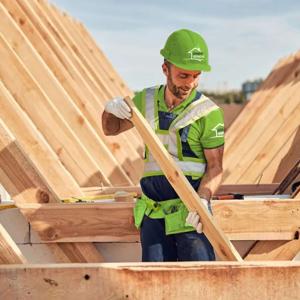


In this episode, we break down one of the most common questions homeowners ask during a roof installation: how many squares of shingles can a roofer install in a single day?
If you're planning a roof replacement or hiring a roofing contractor, understanding roofer productivity can help you set realistic expectations for your project timeline and costs.
You’ll learn:
In ideal conditions, an experienced roofing contractor can install 10 to 20 squares of asphalt shingles per day that’s up to 2,000 square feet of roof coverage. However, steep roofs, complex designs, or higher-end roofing materials can reduce that number.
If you’re budgeting for a roof replacement or scheduling a roof installation, this episode gives you a clear understanding of what impacts productivity and how to plan your project with confidence.
Blog Link: How Many Squares of Shingles Can a Roofer Do in a Day?
In this episode, we break down what California homeowners need to know about roof insurance coverage, especially if your roof is 20 years old or older.
As your roof ages, insurance companies start to look at it differently. Coverage can change, payouts may be reduced, and in some cases, claims can become more complicated. Understanding how roof age affects your home insurance policy can help you avoid costly surprises.
You’ll learn:
If you’re asking, “Will insurance cover a 20-year-old roof in California?” this episode gives you clear answers. Whether your roof is 15, 20, or even 30 years old, knowing how roof age impacts home insurance coverage can save you thousands in unexpected repair or replacement costs.
Blog Link: Will Insurance Cover a 20-Year-Old Roof in California?
In this episode, we break down what California homeowners need to know about roof insurance coverage and when insurance companies may consider your roof “too old.”
If your roof is 15, 20, or even 30 years old, you may be wondering how its age affects your home insurance policy. The truth is, coverage often depends on the roof’s condition, the type of damage, and whether your policy is ACV or RCV.
You’ll learn:
Most home insurance policies will cover sudden damage from storms, wind, or hail, even for older roofs. However, damage caused by wear and tear is usually not covered. Once your roof passes the 20-year mark, insurers may limit coverage, reduce payouts due to depreciation, or require proof of maintenance.
If you’re asking, “How old may a roof be before insurance claims it’s too old?” this episode gives you clear, simple answers. Understanding roof insurance rules can help you avoid denied claims, lower payouts, and unexpected out-of-pocket costs.
Blog Link: How Old May a Roof Be Before Insurance Claims It’s Too Old?
Selecting the right flat roofing membrane is crucial for long-term performance, durability, and energy efficiency. EPDM and TPO are two of the most popular commercial flat roofing options, each offering distinct advantages depending on climate, building use, and energy goals.
This guide covers:
By comparing material properties, performance, and practical considerations, property owners and contractors can make an informed choice that ensures reliable protection, efficiency, and long-term savings for commercial flat roofs.
Blog Link: Choosing Between EPDM and TPO for Commercial Flat Roofs
In this episode, we break down how synthetic roofing materials offer a smart, budget-friendly alternative to traditional tile and slate roofs without sacrificing style, durability, or performance. These modern roofing options are designed to deliver the look of natural materials while keeping costs, weight, and maintenance under control.
You’ll learn:
Whether you’re planning a roof replacement or exploring affordable roofing alternatives, this episode explains why synthetic roofing materials are a practical, long-term solution for modern properties.
Blog Link: Synthetic Roofing Materials: Affordable Alternatives to Natural Tile or Slate
In this episode, we explore the future of roofing and how smart materials and new technologies are transforming modern roofing systems. From real-time data tracking to energy-saving designs, today’s roofs do more than protect; they improve efficiency, durability, and sustainability for residential and commercial properties.
You’ll learn:
If you’re planning a new roof or want to understand where roofing technology is headed, this episode breaks down the trends and solutions driving smarter, more efficient roofing systems.
Blog Link: The Future of Roofing: Smart Materials & New Technologies
In this episode, we explore how green roofing for commercial buildings delivers real energy savings, environmental benefits, and potential tax advantages. Green roof systems go beyond traditional commercial roofing by improving building performance while supporting long-term sustainability goals.
You’ll learn:
If you’re looking for energy-efficient roofing solutions that support sustainability and long-term value, this episode breaks down why green roofing is becoming a smart choice for commercial properties.
Blog Link: Green Roofing for Commercial Buildings: Tax & Energy Benefits
Standing seam metal roofs are a top choice for homeowners and commercial property owners seeking durability, modern aesthetics, and energy efficiency. Featuring raised seams, concealed fasteners, and strong weather resistance, this roofing system provides long-term value and minimal maintenance.
This article covers:
Standing seam metal roofs combine sleek, contemporary design with practical benefits, making them a smart investment for residential and commercial properties seeking performance, efficiency, and visual appeal.
Blog Link: Standing Seam Metal Roofs: Why They’re Popular in Modern Design
Energy-efficient commercial roofing is a must for Southern California property owners looking to reduce energy costs, improve indoor comfort, and extend roof lifespan. In the region’s sunny climate, reflective materials, cool roof coatings, and durable roofing systems minimize heat absorption and support energy savings. Metal and concrete tile roofs, paired with proper installation and maintenance, provide long-term performance while helping businesses comply with local building codes and qualify for incentives.
This article covers:
By selecting the right materials and qualified contractors, commercial property owners can maximize energy savings, improve comfort for building occupants, and support sustainable building practices.
Blog Link: Energy-Efficient Commercial Roofing Options in Southern California
Los Angeles businesses can take advantage of cool roof rebates to lower energy costs, improve indoor comfort, and support sustainability goals. These programs, offered through LADWP, encourage property owners to install reflective, energy-efficient roofing that reduces heat absorption, extends roof lifespan, and helps meet California Title 24 energy standards.
This article covers:
By combining energy-efficient materials with available rebates, Los Angeles commercial property owners can improve operational efficiency, lower utility bills, and make a sustainable investment in their buildings.
Blog Link: Cool Roof Rebates for Los Angeles Businesses
From the publisher's feed
Your trusted roofing contractors in Los Angeles.
Welcome to the official podcast of OverHead Roofing CA, the leading experts in commercial and residential roof repair,…
Each episode covers essential topics for homeowners and business owners alike:
Whether you’re protecting your family home or managing a large commercial property, OverHead Roofing CA is here to provide expert insights, practical tips, and honest guidance to keep your roof strong, safe, and built to last.
☎ Call 877-557-7778 today for a free roofing estimate.