
Sign up to save your podcasts
Or

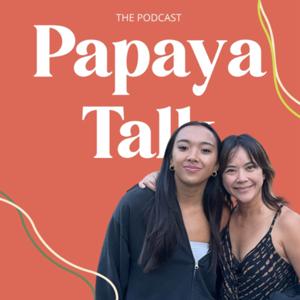


This week, Alyssa and Nadia record on a Sunday morning, a podcast first, and quickly abandon their planned topic for a more organic conversation about Gen Z: whether they’re really more serious, homebodied, and less “fun” than previous generations.
Alyssa shares what she’s been hearing from parents: Gen Z drives less, goes out less, drinks less, and spends more time indoors. Nadia pushes back thoughtfully, arguing that the behavior may not be as different as people think. What has changed is what gets posted. Her generation is highly aware of being watched online, managing a persona, and the permanence of digital life. Just because something isn’t visible doesn’t mean it isn’t happening.
The conversation becomes more personal when Nadia describes herself as a perfectionist. For her, perfectionism isn’t about flawless work. It’s about waiting for the “right” conditions until nothing gets started. It’s also about disruption, perception, and rarely going against the grain. Alyssa contrasts this with her own motivation: she’s more afraid of missing the window than getting it perfect, so she tends to jump in before she feels ready.
From there, they explore social media, public identity, and the pressure of growing up with everything documented. College acceptances, LinkedIn wins, and life milestones are not just experienced, they’re performed. Alyssa reflects on seeing a colleague post a keynote credit and wondering whether her own silence online had cost her opportunities. Nadia explains that for her, not posting certain things isn’t dishonest; it’s simply a way of navigating who gets to see what.
The episode closes with recommendations. Alyssa shares Yesteryear, a novel about a tradwife influencer whose online identity clashes with her inner life. Nadia adds a guilty pleasure mention of The Secret Lives of Mormon Wives, then half-retracts it almost immediately.
Takeaways
Chapters
0:11–1:24 — Sunday Morning Recording: Why Today Feels Different
1:24–4:15 — The Gen Z Debate: Do They Actually Go Out Lessor Just Post Less?
4:15–7:50 — A Man at a Donut Shop, a Woman Behind theCounter, and What Growing Up Fast Used to Look Like
7:50–10:45 — Pressure to Fix the World and the PerceptionThat Gen Z Is Lazy
10:45–14:40 — The Perfectionism Conversation: What NadiaActually Means When She Says It
14:40–16:20 — Waiting for the Right Time vs. Jumping BeforeYou're Ready
16:20–20:00 — Everything Is Online: College Acceptances,LinkedIn Posts, and the Pressure to Perform Every Milestone
20:00–22:05 — Alyssa's LinkedIn Wake-Up Call and What SheHasn't Posted
22:05–26:30 — Is Being an Influencer a Legitimate Career?The Full Conversation
26:30–30:25 — Book and Show Recommendations: Yesteryear, Tradwives, and The Secret Lives of Mormon Wives
650.701.7686 (o)
650.332.2739 (f)
510.673.8712 (m)
Sports & Dance Rehab | Pilates | Group Classes
On the Move Physical Therapy
501-D Old County Rd.
Belmont, CA 94002
web - http://www.onthemovephysio.com
email - [email protected]
IG - https://www.instagram.com/onthemovephysio
This week, Alyssa and Nadia skip having a guest and instead share a personal life update. There’s no set topic — just an honest check-in on how they’re doing. It turns into one of their most open and candid episodes.
Alyssa revisits her Hume Scale results by getting a DEXA scan, the gold standard for body composition. The scan showed slightly better results, suggesting the scale is fairly accurate. More than the data, she reflects on how her mindset has changed — getting the same “B” result as in 2018, but this time feeling more motivated to improve.
Her results showed weight gain since 2018, but mostly from muscle, not fat. Bone density dropped slightly and visceral fat increased a bit, but the muscle gain surprised her. It highlights how our perception of our bodies doesn’t always match reality.
Nadia shares her update, balancing co-op work, gymnastics, and trying to eat healthier. She tested her nutrition with a carotenoid scan and scored average, but wants to improve. Alyssa also reveals they hired a private chef, leading to a funny but practical discussion about cost, food waste, and meal prep.
The conversation shifts as Nadia talks about her MCAT dilemma. She’s behind on studying and deciding whether to take it. Alyssa emphasizes that whatever she chooses, she needs to stay intentional with her prep.
Beyond the MCAT, Nadia is also navigating big life decisions — career plans, where to live, and friendships changing after graduation. Alyssa reassures her that this uncertainty is normal and that this stage of life, though messy, often becomes one of the most meaningful.
Takeaways
Chapters
650.701.7686 (o)
650.332.2739 (f)
510.673.8712 (m)
Sports & Dance Rehab | Pilates | Group Classes
On the Move Physical Therapy
501-D Old County Rd.
Belmont, CA 94002
web - http://www.onthemovephysio.com
email - [email protected]
IG - https://www.instagram.com/onthemovephysio
In this week’s episode, Alyssa and Nadia open with the reason Nadia barely has a voice: nationals in Alabama, a weekend of yelling, and a concert the night before.
The main story follows Alyssa’s latest Instagram-ad purchase: a Hume body pod, a smart scale that measures things like body fat, visceral fat, muscle mass, and bone mass. Curious about her health as she approaches 50 — and noticing more women on GLP-1 medications losing weight but also showing up with injuries — she wanted a better way to understand where weight loss was actually coming from.
Instead, the scan gave her worse results than expected and sent her into a mini spiral. Within 48 hours, she had asked AI for a meal plan, bought groceries, started weight training, and even contacted a private chef. Nadia reacts with a mix of disbelief and amusement, but the conversation also touches on something deeper: Alyssa’s history of anxiety around health tracking. She shares how monitoring her blood pressure once triggered a panic cycle, and Nadia adds that a teammate had a similar experience after obsessively watching her Garmin heart rate.
Things get even more interesting when Alyssa finds out her husband had already bought a different body composition scale and hidden it while Nadia and Lucy were home. When the two scales showed different results, it raised a bigger question about how accurate any of these devices really are. Alyssa decides the best next step is a DEXA scan to get a baseline and figure out whether either scale is worth keeping.
The episode ends on a lighter note with Alyssa’s other ad-fueled regret: three “perfect” t-shirts that turned out to be neither perfect nor refundable. Nadia gives her verdict, and they wrap up with voice recovery tips like ginger turmeric tea with honey, Flonase, and the reminder that raspiness is better than whispering.
Takeaways
Chapters
650.701.7686 (o)
650.332.2739 (f)
510.673.8712 (m)
Sports & Dance Rehab | Pilates | Group Classes
On the Move Physical Therapy
501-D Old County Rd.
Belmont, CA 94002
web - http://www.onthemovephysio.com
email - [email protected]
IG - https://www.instagram.com/onthemovephysio
This week, Alyssa welcomes both daughters — Nadia and Lucy. Lucy was last on the podcast before college, so this episode is a real check-in now that she’s a sophomore in her first co-op. It’s part of the college/post-grad series, but with a twist: Lucy is still in it, offering a fresh, in-the-moment perspective.
Lucy opens up about her college experience versus expectations — which she barely had. That lack of a fixed idea may have helped. The conversation then shifts to college admissions, with both sisters sharing how they didn’t get into their top choices — Middlebury and Berkeley for Lucy, UCSB for Nadia — but ended up at Northeastern and truly love it. The takeaway feels real, not cliché: you land where you’re meant to be.
They dive into what makes Northeastern work. For Lucy, it’s the flexibility — study abroad, co-ops, and a driven environment. For Nadia, it’s how learning extends beyond the classroom and pushes her into new experiences. Alyssa shares the quiet relief of having both daughters at the same school, knowing they have each other.
The tone shifts as they talk about exhaustion. Alyssa is dealing with jet lag from Japan, Lucy from a packed weekend, and Nadia from juggling co-op, gymnastics, MCAT prep, and life. Nadia admits her MCAT prep isn’t where it should be, but she’s not panicking — she’s adjusting.
The episode closes with Alyssa asking Lucy about life after college. Her answer is open and unforced: let co-ops guide her, stay open to grad school, and explore political science. And in a callback to two years ago, she still half-jokes — maybe she’ll run for president.
Takeaways
- Going into college without rigid expectations can actually protect you from disappointment — and leave room for genuine surprise
- Not getting into your top school isn't a detour; for a lot of people it turns out to be exactly the right road
- The schools you didn't get into have a way of fading once you find your people and your rhythm where you are
- Co-op doesn't just pad a resume — it fundamentally changes how you understand your own interests and career options
- Having a sibling at the same school is less dramatic than it sounds, and more quietly meaningful than you'd expect
- Being tired isn't always a sign something's wrong — sometimes it just means you're doing a lot of things that matter to you
- The pressure of MCAT prep, competition season, and trying to have a social life doesn't have to be managed perfectly — sometimes you just recalibrate
- Letting your early work experiences guide your post-grad direction is a legitimate strategy, not a lack of ambition
- It's okay to hold grad school as a maybe rather than a plan — you can apply for jobs first and see what actually calls to you
- Staying open to pivots, even when you're mid-path, is one of the most useful things you can do in your early twenties
Chapters
0:10–1:23 — Welcome Back Lucy: The First In-the-Middle-of-It-All Guest
1:23–3:12 — What College Has Actually Been Like vs. What Lucy Expected
3:12–7:18 — College Admissions Advice: Top Schools, Gut Feelings, and Ending Up Where You're Supposed To Be
7:18–11:28 — Why Northeastern? The One-Reason Question Neither Sister Can Answer in One Reason
11:28–15:02 — Going to the Same School as Your Sibling: Less of a Big Deal, More of a Quiet Comfort
15:02–18:30 — Being Far from Home: Family Closeness, Missing California, and the Value of This Window
18:30–22:30 — All Three Are Tired: Jet Lag, Co-op, Competition Weekends, and 3 AM Texts
22:30–26:20 — Nadia on MCAT Prep, Not Enough Time, and the Honest State of Things
26:20–29:41 — Lucy on Post-Grad: Co-ops, Political Science, Grad School Maybe, and Running for President
650.701.7686 (o)
650.332.2739 (f)
510.673.8712 (m)
Sports & Dance Rehab | Pilates | Group Classes
On the Move Physical Therapy
501-D Old County Rd.
Belmont, CA 94002
web - http://www.onthemovephysio.com
email - [email protected]
IG - https://www.instagram.com/onthemovephysio
This week, Alyssa and Nadia are joined by their first post-grad guest, Charvi Dot — a recent Northeastern graduate and longtime friend. As Nadia approaches graduation, the episode kicks off a new series focused on what life actually looks like after college.
Charvi shares her unconventional gap year: completing a 200-hour yoga training in Rishikesh, working as a barista in Allston, traveling to visit friends, and exploring new interests like pottery — all before heading to Northwestern for PT school. She opens up about the logistics behind it (saving during college, budgeting, and working multiple jobs) and the mindset shift that came with letting go of a rigid plan.
The conversation dives into how stepping off the “expected path” helped her discover what she truly enjoys — and how experiences outside your field can be just as valuable as those within it. From yoga as a practice of presence to the power of community in unexpected places, Charvi reflects on how her gap year reshaped her perspective on career and life.
They wrap with a fun lightning round, where Charvi describes her college years as: caterpillar → puppy → cat → butterfly — and she’s still flying.Takeaways
Chapters0:10–0:33 – Introduction: What's Been on Their Feeds
0:33–1:48 – Olympics Coverage: Hockey and the US Team's Gold
1:48–3:30 – The Shift in Figure Skating: A New Era of Style and Personality
3:30–5:27 – Alyssa Liu's Story: Retiring at 16 and Coming Back on Her Own Terms
5:27–7:04 – Alyssa's Talk on Dancer Health and Identity in Young Athletes
7:04–9:10 – Nadia on Gymnastics as Her Whole World Growing Up
9:10–11:35 – Resentment, Community, and the Memories That Still Feel Fresh
11:35–13:15 – The Silver Lining of Hard Times: Bonding Over the Difficult Stuff
13:15–15:32 – The Physical and Mental Weight of Training as a Kid
15:32–18:05 – Nadia on Skill Level, Finding the Fun, and Sticking Through It
18:05–20:11 – Returning to Gymnastics in College: The Non-Competitive Form That Didn't Stick
20:11–22:45 – Lucy's Story and a Mom's Quiet Relief
22:45–25:10 – Eileen Gu, the Mind, and Imagining Your 8-Year-Old Self
25:10–27:22 – Looking Forward, Being Whimsical, and Closing Thoughts
650.701.7686 (o)
650.332.2739 (f)
510.673.8712 (m)
Sports & Dance Rehab | Pilates | Group Classes
On the Move Physical Therapy
501-D Old County Rd. Belmont, CA 94002
web - http://www.onthemovephysio.com
email - [email protected]
IG - https://www.instagram.com/onthemovephysio
This week, Alyssa and Nadia talk about the Winter Olympics — but beyond the highlights, they explore the deeper stories behind the athletes filling their feeds.
What begins as a casual chat about skating and hockey turns personal when Nadia shares how drawn she’s been to figure skater Alyssa Liu — a Bay Area athlete who retired at 16, spent time hiking and living life, then returned to the sport on her own terms and won gold. What resonates most isn’t the medal, but the comeback.
That story opens a conversation about growing up inside demanding sports. Alyssa reflects on dancer health and how training 20+ hours a week at a young age doesn’t just shape your schedule — it shapes your identity.
Nadia shares her own gymnastics journey with honesty, acknowledging both the resentment over what she missed and the deep community the sport gave her. She recalls entering college gymnastics burned out and hesitant, only to unexpectedly find joy in competing again.
The episode closes with a reflection from an Eileen Gu interview about imagining your 8-year-old self watching you today — a moment that leaves both hosts reflecting on where life has taken them.
Takeaways
Growing up in high-intensity sports shapes identity as much as skill
Resentment and gratitude for the same experience can coexist
Comebacks feel different when they happen on your own terms
The communities built through sport often outlast the sport itself
Looking at yourself through the eyes of your younger self can shift perspective
Chapters
0:10–0:33 – Introduction: What's Been on Their Feeds
0:33–1:48 – Olympics Coverage: Hockey and the US Team's Gold
1:48–3:30 – The Shift in Figure Skating: A New Era of Style and Personality
3:30–5:27 – Alyssa Liu's Story: Retiring at 16 and Coming Back on Her Own Terms
5:27–7:04 – Alyssa's Talk on Dancer Health and Identity in Young Athletes
7:04–9:10 – Nadia on Gymnastics as Her Whole World Growing Up
9:10–11:35 – Resentment, Community, and the Memories That Still Feel Fresh
11:35–13:15 – The Silver Lining of Hard Times: Bonding Over the Difficult Stuff
13:15–15:32 – The Physical and Mental Weight of Training as a Kid
15:32–18:05 – Nadia on Skill Level, Finding the Fun, and Sticking Through It
18:05–20:11 – Returning to Gymnastics in College: The Non-Competitive Form That Didn't Stick
20:11–22:45 – Lucy's Story and a Mom's Quiet Relief
22:45–25:10 – Eileen Gu, the Mind, and Imagining Your 8-Year-Old Self
25:10–27:22 – Looking Forward, Being Whimsical, and Closing Thoughts
650.701.7686 (o)
650.332.2739 (f)
510.673.8712 (m)
Sports & Dance Rehab|Pilates| Group Classes
On the Move Physical Therapy501-D Old County Rd.Belmont, CA 94002
web - http://www.onthemovephysio.comemail - [email protected] - https://www.instagram.com/onthemovephysio
Please consider the environment before printing this email. The information contained in this transmittal may be confidential. It is intended only for the use of the individual to whom it is addressed. If you are not the intended recipient, or, the employee of agent responsible to deliver the transmittal to the intended recipient, you are hereby notified that the use, dissemination, distribution or copying of this communication is strictly prohibited. If you have received this transmittal in error, please notify the sender immediately.
Alyssa just got back from snowboarding in Tahoe; Nadia’s home from a gymnastics meet and a Connecticut trip. A casual comment—“Do you sleep?”—kicks off a bigger talk about busyness: when it’s fulfilling, and when it’s avoidance.
They move into purpose. Nadia says immigration, immediately. Alyssa counters that purpose doesn’t have to be world-sized—small daily rituals (like photographing a sunrise) can be enough to pull you forward.
Nadia shares how she time-blocks everything, even dinner and showers, to manage anxiety and avoid losing hours to scrolling. Alyssa questions the belief that “productive” automatically means “good,” and that rest is indulgent.
They compare extremes: Olympic athletes built around one goal vs. a retired couple living out of a van after hiking the Pacific Crest Trail. Both raise the same question: what are you chasing—and why?
The emotional peak: Nadia admits she’s searching for hobbies, and tears up talking about leaving gymnastics. She’s ready to move on, but she’ll miss the team, routine, and shared purpose.
Alyssa ends with her own winding 20s as reassurance. Nadia lands on the truth: she feels a little lost—and still has a direction. Both can coexist.
Takeaways- Staying busy can be fulfilling — or a way to avoid harder feelings.- Purpose can be small and daily, not just “big life goals.”- Scheduling basics (meals, showers, rest) can calm anxiety, not just boost productivity.- A “successful day” isn’t always a “productive day.”- Most people live between obsession and total reinvention.- Busyness can help — and still not be a problem.- Picking up a hobby counts, especially in transition seasons.- Leaving a long-time sport can feel like grief, even if it’s right.- What’s missed most is often the community + routine, not the sport itself.- Movement doesn’t need competition to matter; joy is a valid goal.- Progress is satisfying anywhere — work, training, learning.- A “scattered” path can still be quietly purposeful.- You can feel lost and still have direction.- Closing a chapter is self-awareness, not failure.- Hands-on work can replace the mastery/momentum sports used to provide.
Chapters
0:10–0:40 — Introduction: Holiday Weekend Recaps
0:40–1:27 — "Do You Sleep?" — A Hairstylist's Honest Question
1:27–2:50 — What Difference Do You Want to Make in the World?
2:50–3:18 — Nadia's Answer: Immigration
3:18–4:22 — Purpose Doesn't Have to Be a Grand Mission
4:22–6:30 — Scheduling Everything: Control, Calm, and the To-Do List
6:30–9:00 — The Spectrum: Olympic Obsession vs. Sprinter Van Freedom
9:00–11:07 — Hobbies: Snowboarding, Skiing, and What You Do Just for You
11:07–13:40 — Finding a Hobby Is the Hobby
13:40–16:10 — Gymnastics Endings: Tears, Transitions, and Letting Go
16:10–18:00 — Physical Goals That Have Nothing to Do with Competition
18:00–20:25 — Getting Better at Things: On the Mountain and at Work
20:25–22:56 — Keeping It Chill: The No-Pressure Philosophy
22:57–25:54 — Feeling Lost vs. Having a Direction
25:54–26:16 — Closing: Talk to You Next Week
650.701.7686 (o)650.332.2739 (f)510.673.8712 (m)Sports & Dance Rehab|Pilates| Group Classes
On the Move Physical Therapy501-D Old County Rd.Belmont, CA 94002
web - http://www.onthemovephysio.comemail - [email protected] - https://www.instagram.com/onthemovephysio
Please consider the environment before printing this email.The information contained in this transmittal may be confidential. It is intended only for the use of the individual to whom it is addressed. If you are not the intended recipient, or, the employee of agent responsible to deliver the transmittal to the intended recipient, you are hereby notified that the use, dissemination, distribution or copying of this communication is strictly prohibited. If you have received this transmittal in error, please notify the sender immediately.
On Super Bowl Sunday during the Winter Olympics, Alyssa and Nadia discuss Lindsey Vonn competing in Olympic downhill days after tearing her ACL—and the crash that got her airlifted off the mountain again. They unpack injury risk, medical autonomy, and what elite athletes model for everyone watching.
Nadia explains that Vonn tore her ACL last week, met with her medical team, and chose to race anyway. This morning she fell and was airlifted with a leg fracture. Nadia sees both sides: racing with a torn ACL is risky, but the crash looked like it came from clipping a gate—not purely the knee.
Alyssa breaks down the ACL as the “packaging tape” that stabilizes the knee. Some athletes can compensate with strong surrounding muscles, but injury can disrupt proprioception and make the brain “shut off” muscle connection. The ACL might’ve limited her ability to load the left leg for a key right turn—though ice and countless variables could’ve been factors too.
Nadia points to the pressure around Vonn: six-year retirement, huge comeback expectations, and tests suggesting she could do it. With that status, the medical team may have felt pushed to justify a “yes.” As Nadia puts it, no one could’ve stopped her—she was going to race.
Alyssa connects this to her work with young gymnasts in competition season. Her role is to support goals while clearly assessing and communicating risk, not to override the athlete’s choice. If they still want to compete after understanding the risks, she helps them do it as safely as possible.
They shift to what athletes model for others. Nadia references Kerri Strug and how often gymnasts compete injured—brave, but sometimes concerning. Alyssa draws the key difference: Strug was a child under coach pressure, while Vonn is an adult making her own call.
They close with Nadia’s “personal Olympics”: her 12th year in gymnastics at 21. This season is about less stress, more fun, and enjoying leadership on e-board. With new teammates—including her sister—she’s reliving milestones through fresh eyes.
Happy Galentine’s to all the listeners.
Takeaways
Chapters
0:10–0:48 – Introduction: Super Bowl Sunday and the Winter Olympics
0:48–1:23 – Lindsey Vonn's Morning Injury
1:23–2:37 – Last Week's ACL Tear and Decision to Compete
2:37–4:09 – What Is an ACL?
4:09–7:19 – Anatomy Lesson: Ligaments, Muscles, and Proprioception
7:19–8:27 – How ACL Tears Happen and the Body's Response
8:27–10:13 – Could She Have Avoided the Second Injury
10:13–12:03 – The Mechanics of Her Fall: Did the ACL Play a Role?
12:03–13:47 – The Pressure to Compete: Olympics and Comeback Stories
13:47–15:19 – Working with Young Athletes: The Clinical Parallel
15:19–16:39 – The Biggest Fear: Life-Threatening Injury
16:39–18:10 – What Athletes Model: The Kerri Strug Comparison
18:10–19:25 – Your Body, your Choice: Medical Autonomy
19:25–20:10 – Hoping for Vonn's Recovery
20:10–21:09 – Nadia's "Personal Olympics": Gymnastics Season Starts
21:09–22:42 – What Makes It Fun: Team, Leadership, and Rewriting the Story
22:42–23:49 – Galentine's Plans and Season Well-Wishes
In this candid episode of Papaya Talk Podcast, Alyssa and Nadia talk about aging, career evolution, and big life transitions. Instead of a structured topic, they let the conversation flow through questions about identity, time, and change.
Alyssa admits something has been weighing on her: as she nears 50, is she “too old” to keep doing hands-on gymnastics outreach work she’s done for years? After a weekend screening and educating gymnasts on the gym floor, she wonders if the work that once launched her career now makes her seem outdated.
Nadia pushes back simply: if Alyssa enjoys it and it still helps people, why stop because of a number? They unpack how Alyssa’s idea of what counts as “old” has shifted dramatically from her 20s to now.
They share moments from the week that made age feel front-and-center—comments while snowboarding about “getting older,” ending up in a bar that felt like a college party, and even getting carded. Nadia suggests it’s less about the activity and more about whether you feel like the only one your age in the room.
Nadia also notices her own perception changing as peers inch toward 40 and major milestones approach. With graduation and life changes on the horizon, time feels more real—and faster.
Alyssa explains her career is evolving because she’s ready: more retreats, possibly another clinic location, and a shift toward mentoring. She’s also intentionally handing off high-level opportunities to colleagues so they can grow the way she did.
Nadia shares her own whirlwind month: starting a new clinical research job, signing a new lease, entering competition season, and diving into MCAT prep. The hardest part is learning how to study consistently for something months away—without relying on last-minute pressure.
She’s also navigating an identity shift after stepping down as ALC president for GymSAFE and trying to let her sister take the lead. It’s another lesson in letting go and moving forward.
Takeaways
Chapters
0:10–0:43 – Introduction: No Predetermined Topic Today
0:43–1:23 – The State of Nadia's Life Right Now
1:23–2:07 – What's Changed in 2026?
2:07–5:15 – Approaching 50: Career Reflections
5:15–7:20 – Age Is Just a Number
7:20–9:09 – Recent Age-Related Moments: Gymnastics, Snowboarding, and Bars
9:09–11:23 – When Are You Too Old? The Bar Test
11:23–12:40 – How Aging Perception Changes Over Time
12:40–14:25 – Career Evolution: Adding Retreats and Mentorship
14:25–17:28 – Nadia's Big Changes: New Job, New Apartment, Competition Season
17:28–19:52 – The MCAT Challenge: Learning to Study Differently
19:52–20:40 – Future Direction: Interviewing Transitioning Peers
In this new episode, Alyssa and Nadia explore the concept of retreats, human connection, and the importance of unplugging from digital life. What starts as Alyssa announcing her first full-scale retreat in Mexico evolves into a deeper conversation about Gen Z's relationship with technology, the value of in-person connection, and finding balance in an overstimulated world.
Alyssa shares her excitement about hosting her first complete retreat experience—a wellness getaway combining movement, psychology, and travel in Mexico with Dr. Grace Tan. She reflects on how society increasingly needs face-to-face human connection as we spend more time behind screens.
Nadia questions whether retreats are accessible or just another influencer marketing tool. She distinguishes between authentic retreats focused on personal growth versus brand-sponsored influencer trips designed to sell products. She admits she wouldn't want to attend a retreat just to broadcast her experience—if she's paying money, it should be about genuine self-improvement, not performing wealth or access for social media.
The conversation shifts to Nadia's recent "college version of a retreat"—a weekend ski trip to Vermont with friends. The weekend became unexpectedly rejuvenating because Nadia unplugged from her usual routine, didn't work, barely watched TV, and spent quality time with people she didn't know well—forcing her to be fully present.
They wrap up celebrating the importance of these retreat-like experiences—whether far away or right outside your apartment door—as necessary antidotes to our increasingly digital, isolated lives.
Takeaways
Chapters
0:10–0:33 – Introduction
0:33–1:20 – Alyssa's First Full-Scale Retreat Announcement
1:20–2:13 – Why Human Connection Matters More Than Ever
2:13–4:01 – Gen Z and Digital Education: A Concerning Trend
4:01–5:22 – Discussion Boards vs. Real Human Interaction
5:22–7:09 – The Selfish (and Important) Reasons for Hosting Retreats
7:09–8:07 – Who Is This Retreat For? Accessibility and Target Audience
8:07–11:10 – Influencer Retreats vs. Real Retreats: What's the Difference?
11:10–13:10 – Making Retreats for Everyday People, Not Influencers
13:10–15:49 – Nadia's Weekend "Retreat": The Vermont Ski Trip
15:49–17:41 – Why You Can't Unplug at Home (But Should)
17:41–20:00 – The Problem with Multitasking and Being Present
20:00–22:30 – The House with No Curtains and Forced Connection
22:30–23:23 – Closing: Hoping Everyone Gets Their Own Retreat Experience
From the publisher's feed