
Sign up to save your podcasts
Or

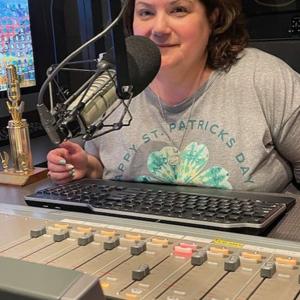


I would love to hear from you. Send me questions or comments.
Subscribe to our YouTube channel @Patty'sPlace-116
PTSD is not just a chapter in a veteran’s past. It can shape a whole household for decades, then resurface with new force when aging, illness, and caregiving enter the picture.
We sit down with Welby O’Brien, a trauma survivor, counselor, and author of Love Our Vets, to talk honestly about what post-traumatic stress disorder looks like behind closed doors. I share what it’s like caring for my dad, a Vietnam combat medic with PTSD, including the confusing reality that some people only ever see the charming public version while family members absorb the anger, the hypervigilance, and the sudden emotional shifts. Welby breaks down PTSD symptoms in plain language and explains why “powering through” so often backfires.
We also get into secondary PTSD and vicarious trauma, because caregivers can start living in the same fight-flight-freeze state without realizing it. Welby explains the drive to feel safe, why control can become a coping strategy, and why effective PTSD treatment often has to include the body, not only the mind. If you’re caregiving for someone who hurt you in the past, we talk boundaries, guilt, compassion without excusing harm, and how to make choices you can live with later.
You’ll also hear practical support: VA resources for veterans and families, the value of support groups, and simple ways to help someone with PTSD with respect, patience, and steady encouragement. If this resonates, subscribe, share the episode with someone who needs it, and leave a review so more caregivers know they are not alone.
Home: Love Our Vets - PTSD Family Support, LLC.
Support the show
I would love to hear from you. Send me questions or comments.
Nobody tells you how brutal the “paperwork side” of caregiving can be until you’re living it, juggling hospital updates while banks, insurers, and providers keep saying, “We can’t talk to you.” We sit down with Adam Zuckerman, an attorney, MBA, Eisenhower Fellow, and the founder of Buried in Work, to lay out a clear, realistic approach to estate planning and end-of-life preparation that actually helps families in the real world.
We walk through the core pieces of a solid plan and why it’s never one size fits all: getting informed on estate planning terms, having a legally valid last will and testament, setting up advance directives, choosing powers of attorney for health care and finances, and completing HIPAA authorizations so the right person can access medical information. Adam also explains probate in plain English, including why it can take months and how tools like beneficiary designations and payable-on-death transfers can move faster than a will. That leads to one of the biggest takeaways: outdated beneficiary forms can override your intentions, so maintenance matters as much as drafting.
We also dig into the messy parts families don’t like to admit, like sibling conflict, unclear decision-making authority, and the overwhelm of tracking bills, passwords, and accounts during a crisis. You’ll hear practical ways to reduce the “scavenger hunt,” plus a thoughtful conversation about the legacy that isn’t legal at all: the stories, values, and moments you can still capture before dementia or time takes that chance away.
If you found this helpful, subscribe, share it with a fellow caregiver, and leave a review so more families can find these tools when they need them most.
https://buriedinwork.com/
Support the show
I would love to hear from you. Send me questions or comments.
Your brain can know you’re safe while your body refuses to believe it, and that gap is where so many caregivers live. Lisa sits down with Tauna Young, a psychiatric nurse practitioner and founder of Neurovana, to unpack why caregiver anxiety often starts as a physical state of high alert and only later becomes anxious thoughts. We get real about anticipatory grief, burnout, and the moment you finally lie down and your nervous system stays on duty anyway.
Tauna explains the missing link in many mental health treatment plans: bottom-up nervous system regulation. We dig into cranial electrotherapy stimulation (CES), a small FDA-cleared device for anxiety and insomnia that uses gentle electrical stimulation via ear clips. Tanya walks us through the science in plain language, from the vagus nerve and parasympathetic “rest and digest” response to the thalamus as an “emotional pacemaker,” and why alpha waves matter when you are tired but wired. She also shares her path from skeptical clinician to CES advocate after seeing results that surprised her and her patients, plus why a tool cleared decades ago can still be unknown today.
We also talk about dementia caregiving and how stress shows up on both sides of the relationship, including sundowning, agitation, and exit-seeking. Tauna describes how calming the nervous system may ease the experience for the person living with dementia and create meaningful relief for families trying to keep a loved one safe at home. If you’re craving practical support for sleep, anxiety, and nervous system dysregulation, this conversation is for you. Subscribe, share with a caregiver friend, and leave a review so more families can find these tools, and tell us what helps your body finally exhale.
https://www.neurovanacalm.com/Patty
PATTY20 for $20 off
Support the show
I would love to hear from you. Send me questions or comments.
Caregiving can make you feel strong and completely depleted at the same time. We talk with Otanthea Williams Brady, a sports-certified nurse practitioner, certified life coach, and host of the Making Space for Me podcast, about the reality so many dementia caregivers and family caregivers live with: you handle everyone else’s needs all day, then feel guilty the moment you try to rest.
We dig into why women caregivers often struggle with self-care and self-priority, even when they know they’re running on fumes. Otanthea explains her reframe that lands like a truth bomb: self-priority is not selfish, it is stewardship. From there, we unpack where caregiver guilt actually comes from, how high-achieving “I’ll handle it” traits can push you into caregiver burnout, and what chronic self-neglect does to your physical health, mental health, and emotional well-being.
You’ll also get practical tools you can use immediately: a clear process to move through guilt without letting it control your choices, a life drain audit to spot what’s quietly draining your time and energy, and the RISE framework for burnout recovery and burnout prevention. We also draw a sharp line between occasional self-care practices and the deeper work of building “care of self” into your daily rhythm, even if you only have 15 minutes.
If caregiving has started to feel like your life isn’t your own, hit play and take one small breath of space back. Subscribe, share this with a fellow caregiver, and leave a review so more people who feel alone can find support.
https://www.otanthiawb.com/makingspaceforme
Support the show
I would love to hear from you. Send me questions or comments.
Grief gets a lot of bad advice: stay strong, stay quiet, stay sad. We wanted something more honest and more livable, so we invited Irene Azumudio, a bilingual grief counselor with Lightways Hospice in Joliet, Illinois, to talk with us about the Day of the Dead and why it can be deeply comforting for anyone navigating loss, dementia caregiving, or long-term bereavement.
We walk through the history and meaning of the holiday, including how Indigenous Mexiamerican roots and Catholic traditions shaped what many people now recognize around November 2. We also clear up a common mix-up: Day of the Dead is not Halloween, and it is not meant to be scary. The heart of it is welcome, remembrance, and connection, whether that happens at home, in a town square, or even at a cemetery with family, music, and food.
Irene explains the “ofrenda” (an altar of offerings) in a way that makes it easy to picture and easy to try. We talk about the four elements and the symbols people use like candles for guidance, water for the journey, marigolds for their bright path and scent, and “papel picado” as a sign of wind and presence. We also dig into why photos, favorite meals, and colorful skulls can help us remember how someone lived, not only how they died, and how the week can include everyone from beloved pets to forgotten souls and ancestors.
If you’ve ever felt guilty for laughing while you’re grieving, this conversation offers relief. Listen, share it with someone who’s missing a loved one, and if it helps you, please subscribe and leave a review so more people can find Patty’s Place.
Support the show
I would love to hear from you. Send me questions or comments.
Caregiving can turn your whole nervous system into a smoke alarm, and when dementia enters the picture, even “normal” conversations stop working. We talk with Lincoln Stollert, a quantum physicist, neuropsychologist, hypnotherapist, and clinical counselor, about how to rebuild stability when you are carrying grief, responsibility, and constant uncertainty. If you have ever felt trapped in a crisis mindset, this conversation offers a path back to balance that is both compassionate and practical.
We dig into what psychedelic medicine can be across cultures and clinical settings, and why Lincoln sees psychedelics less as a miracle cure and more as a psychological accelerant. The key is learning how to “drive” first: grounding, intention, and the ability to land on your feet. That leads straight into hypnosis and reframing, including how guided imagery and relaxation can help you access a calmer state, then look at stress from a steadier angle.
From there, we get concrete about caregiver self-care and neuropsychology: sleep hygiene, breathing, movement, rhythm, attention skills, and how your environment can funnel you into habitual tension. We also talk about dementia communication when logic fails, why entering your loved one’s reality can reduce distress, and how boundaries protect your health without turning you cold. Lincoln also shares brain training tools like EEG headsets (including Muse) and why measurable feedback can help you strengthen focus over time.
If this helped you feel less alone and more equipped, subscribe, share the episode with another caregiver, and leave a review so more families can find these tools.
https://www.mindstrengthbalance.com/
Support the show
I would love to hear from you. Send me questions or comments.
Dementia doesn’t always start with forgetting. Sometimes it starts with a personality shift that feels like a stranger moved into your house, a sudden loss of empathy, a scary change in judgment, or speech that just won’t come out right. We’re joined by Sarah Lapata from the Association for Frontotemporal Degeneration (AFTD) to unpack frontotemporal degeneration (FTD) in plain language, with the details families actually need when they’re trying to make sense of what’s happening.
We talk about why FTD is a leading cause of young onset dementia, why it can be misdiagnosed as Alzheimer’s or a psychiatric disorder, and why the path to an accurate diagnosis can take years. Sarah explains what makes FTD different, what “anosognosia” means when a loved one truly can’t see their own symptoms, and how that lack of insight can turn everyday life into conflict, especially around safety issues like driving. We also walk through the FTD umbrella, including behavioral variant FTD, primary progressive aphasia, movement-related syndromes that can resemble Parkinson’s, and the overlap some people face with ALS.
We get into genetics, what “sporadic” vs “familial” can mean, and why meeting with a genetic counselor can help you think through testing without pressure. We also highlight palliative care as a holistic support that can start earlier than most people assume, plus the value of support groups and the AFTD helpline for real-world strategies and relief.
If this conversation helps, subscribe, share it with someone who’s caregiving, and leave a review so more families can find it when they need it most.
AFTD - The Association for Frontotemporal Degeneration
Support the show
I would love to hear from you. Send me questions or comments.
Caregiving can sneak up on you. One day you’re doing a favor, the next you’re managing medications, appointments, mobility issues, safety at home, and the emotional whiplash of watching a parent change. We sit down with Kim Branch Lucid and Alexander Nuri, co-authors of Survival Guide to Caring for Aging Parents, to talk about what the earliest warning signs really look like, especially with Alzheimer’s disease and dementia, and how to respond before a “small problem” becomes a crisis.
We also dig into why eldercare feels like a maze in the United States. Medicare basics, Medicare Advantage versus supplements, Medicaid eligibility that varies by state, patient privacy, and the constant question of “what’s covered” can wear families down fast. Kim and Alex share practical guidance for getting help, including when a Medicare or Medicaid consultant can save time, money, and stress, and why moving a parent to assisted living or memory care still requires strong family advocacy.
Then we get real about the risks nobody warns you about enough: financial scams targeting older adults, caregiver guilt, burnout, and the quiet loss of your own life if you don’t set boundaries. We cover self-care that actually works, support groups, and the legal documents that keep families from scrambling later, like power of attorney, POLST, and trust planning.
If you’re caring for aging parents or you see it coming, listen now and share this with someone who needs it. Subscribe, leave a review, and tell us: what part of caregiving feels most confusing right now?
https://www.caring4agingparents.net/
Support the show
I would love to hear from you. Send me questions or comments.
One phone call can change everything: “Your insurance didn’t approve it, so we’re canceling treatment tomorrow.” That moment kicks off a powerful conversation with Tiffany Ovell, a registered nurse, functional medical health coach, and caregiver coach who learns what it really takes to protect a family when the healthcare system gets messy.
Tiffany shares how her husband’s renal cell cancer returned years later, metastasized, and turned their lives into a rotating schedule of specialists, scans, and decisions. Even with two decades inside clinics and leadership roles, she’s shocked by how often caregivers are expected to accept confusing answers without context. We talk through the prior authorization mix-up that nearly delayed immunotherapy, why medical codes and documentation matter, and how “push back politely” can be the difference between waiting and getting care.
Then the story gets even more complicated: vision symptoms, an inconclusive eye biopsy, brain lesions, gamma knife radiation, an emergency craniotomy, and the discovery of a second primary cancer, central nervous system lymphoma. Tiffany explains why rare diagnoses get missed, how treatment changes overnight, and what it looks like to weigh quality of life versus quantity of life when the road ahead is terminal.
We also get real about hospice, end-of-life conversations, and the grief that comes after a loved one dies at home, including the small decisions nobody prepares you for and the financial and legal tasks that show up when you’re already exhausted. Tiffany’s book, The No BS Guide to Caregiving, is built for people who “don’t have a Tiffy,” and her website offers tools to help you get organized fast.
If you’ve ever felt overwhelmed by caregiving, dementia, cancer care, insurance denials, or medical paperwork, hit play, then subscribe, share with someone who needs it, and leave a review so more caregivers can find this support.
ffanyauvil.com
Support the show
I would love to hear from you. Send me questions or comments.
The parts of dementia caregiving that break you are often the parts nobody wants to describe in polite company. So we decided to talk about them plainly. I’m Lisa, your host of Patty’s Place, and I sit down with author Lisa Berlanga to unpack what dementia care really feels like when you’re overwhelmed, anxious, sleep deprived, and trying to hold your family together at the same time.
Lisa wrote *Dementia in the Raw: Confessions of a Caregiver Uncensored* after living the day to day reality of caring for her mom, and she doesn’t sugarcoat it. We talk about why many “perfect” caregiving guides are impossible to use in the moment you need them most, and why it matters to hear someone say, “Yes, this is awful right now.” We also get into the misconception that family caregivers are “just helping,” when the truth is you’ve taken on a full-time job with a shifting job description, heavy medical responsibility, and nonstop emotional labor.
We dig deep into sundowning and sleep deprivation, caregiver burnout, and the guilt that makes it hard to ask for rest. Lisa shares practical dementia caregiving strategies that actually help, from cutting down endless laundry to getting organized with schedules and written task lists so someone else can step in. We also talk about communication tips for dementia, the fear and confusion your loved one may be living in, and the grief of the moment they stop knowing who you are, even as connection can still exist in surprising ways.
If you’re a family caregiver, part of the sandwich generation, or supporting someone in memory care, this conversation is for you. Subscribe, share this with someone who needs to feel less alone, and leave a review to help other caregivers find Patty’s Place. What’s the one caregiving challenge you want us to answer next?
https://dementiaintheraw.com/
Support the show