
Sign up to save your podcasts
Or

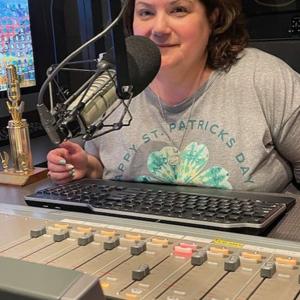


I would love to hear from you. Send me questions or comments.
Some days feel so heavy you can’t even tell what you’re feeling, you just know you’re tired. When grief is fresh, when dementia caregiving never really “turns off,” or when life keeps stacking one problem on top of another, it can start to feel like God is far away. We talk about that reality openly and without polishing it up, because spiritual life doesn’t stop when things get dark, it just gets more honest.
I’m joined by Laura Sharp Waits, a licensed minister and the voice behind At the Counter with the Baking Pastor. Laura shares simple, practical ways to steady yourself when your mind is full: taking a quick inventory of what’s swirling in your head, journaling to “download” the noise, and looking for tiny gratitude moments that can get the struggle bus into first gear. We also dig into what it means to feel distant from God, why community and prayer partners matter, and how to ask for support when you don’t even know what you need.
We go straight at the hard stuff too: caregiver guilt, loneliness after everyone goes home, and the anger you might feel toward God. Laura explains why grief isn’t only about death, it’s about change, lost routines, and compound loss, and why there’s no timeline you have to obey. Along the way, we talk about slowing down in a quick-fix culture, noticing God in ordinary moments, and finding hope even when you can’t see the light yet.
If you’re looking for faith-based grief support, encouragement for dementia caregivers, and grounded steps you can take today, this conversation is for you. Subscribe, share this with someone who needs it, and leave a review so more listeners can find Patty’s Place.
Support the show
I would love to hear from you. Send me questions or comments.
A planned goodbye sounds impossible until you hear what it actually looks like inside a family that chooses it. We’re joined by Teresa Evans, an author and former ICU nurse, to talk about her book *Choosing to Die* and the final months she spends with her mother in Ontario as her mom pursues medical assistance in dying (MAID). Teresa brings both clinical clarity and daughter-level honesty to a topic that’s often buried under fear, politics, and silence.
We walk through what MAID is, how the medical aid in dying process works, and why safeguards like capacity assessments and real-time consent matter. We also zoom out to the bigger end-of-life planning picture: advance directives, durable power of attorney for health care, and the hard but necessary family conversations that keep people from feeling trapped when suffering becomes intolerable. If you’ve been searching for guidance on assisted dying laws in Canada and the United States, or what a compassionate end-of-life option can look like, you’ll find practical context here.
The conversation also meets dementia caregiving head-on. We talk about anticipatory grief, the reality that dementia can block access to MAID because consent may be impossible at the end, and how caregivers carry loss long before a death occurs. Teresa shares a powerful metaphor from her mother’s garden, reminding us that love, presence, and thoughtful preparation can change the emotional texture of a goodbye.
If this resonated, subscribe, share the episode with a caregiver or sibling, and leave us a review so more families can find these conversations when they need them most.
Support the show
I would love to hear from you. Send me questions or comments.
Loneliness doesn’t always look like being alone. Sometimes it looks like being a caregiver with a full calendar, a heavy heart, and nobody to hand the weight to. I sit down with psychotherapist and writer Carl Nassar, author of The Village Solution, to name the thing so many of us feel but struggle to explain: we’re exhausted because we’re living without the kind of village humans evolved to rely on.
Carl walks us through how village life used to spread care, work, and emotional support across a whole community and how consumer culture quietly replaced that with isolation, striving, and the promise that the “right stuff” will bring our people near. We talk about why ads hit so hard, why achievement can become its own trap, and why even the hero’s journey makes more sense when the real ending is a return to belonging. We even bring in Winnie the Pooh and Christopher Robin as a surprisingly accurate map for building a community that accepts us the way we are.
We also get practical about what to do when grief, trauma, or dementia caregiving makes you feel cut off. Carl shares what “village support” actually looks like today, from therapy and grief circles to intentionally showing up for a small group every week and letting care spill into real life. We close with two grounded tools you can start practicing right now: stillness and compassion, the qualities that make it safer to be honest and easier to be together.
If this conversation helps you feel a little less alone, subscribe, share it with someone who needs a village, and leave a review so more caregivers and grievers can find Patty’s Place.
Support the show
I would love to hear from you. Send me questions or comments.
We sit down with Dr. Warren Wong to rethink what dementia care should look like when the goal is love, dignity, and real quality of life for both the person living with memory loss and the caregiver. We share hard truths about emergencies, wandering, and burnout, plus practical ways to build trust and get meaningful support instead of trying to white knuckle it alone.
• Dr. Wong’s journey into geriatrics and the PACE model for keeping seniors in the community
• Why “call 911” can trigger hospitalization and loss of independence for frail older adults
• Cultural expectations and caregiver guilt that block families from asking for help
• Our personal story of refusal to test, crisis diagnosis, and the overwhelm of finding memory care
• Trust building, routine resistance, and the green light yellow light red light days
• Why showering can be terrifying and how to approach care with more safety
• Medicare GUIDE, caregiver training, respite options, and 24 7 dementia support
• Care navigation versus care coordination and why checklists are not enough
• Dementia villages, memory cafes, and social connection as part of care
• “Doing to” versus “doing for” versus “doing with” as a dignity framework
• Wandering risk and why the first 24 hours matter
Make sure you leave us a review or subscribe to our YouTube channel
Support the show
I would love to hear from you. Send me questions or comments.
The funeral ends, the messages slow down, and suddenly the calendar becomes the hardest part of grief. We sit down with Kelly Edmondson, founder and CEO of Timely Presence, to talk about what support should look like after the sympathy flowers are gone and real life returns. As a former trauma nurse and now a certified grief counselor, Kelly brings both clinical experience and the honesty of living through profound loss as a bereaved mother.
We get specific about the moments that sting: a loved one’s birthday, Mother’s Day, the holiday season, and the first anniversary of death. Kelly explains why “If you need anything, let me know” often fails, and what helps more: steady, practical presence that doesn’t ask the griever to manage everyone else’s discomfort. We also talk about grief brain and the hidden symptoms people don’t expect, from exhaustion and low motivation to forgetfulness and trouble focusing at work, especially when bereavement leave runs out long before you feel like yourself again.
Kelly walks us through how Timely Presence supports someone through the first year with heirloom-quality memorial gifts delivered on key dates, including an engraved memory box, interactive wind chimes, a crystal votive candle holder, and a 3D photo crystal keepsake. We also explore creating new rituals, planning for triggers, and why even pet loss can feel like a “loud absence” after years of caregiving routines.
Year-Long Sympathy & Memorial Gift Collections | Timely Presence
If you’ve ever wanted to show up better for someone grieving, or you’re trying to navigate your own loss with more tenderness and less isolation, listen through and share this with a friend. Subscribe, leave a review, and tell us what milestone date is hardest for you to face.
Support the show
I would love to hear from you. Send me questions or comments.
Grief gets treated like a single moment, but for caregivers it’s often a long, exhausting season. We sit down with Victoria Volk, certified grief specialist and creator of Grieving Voices, to talk about what actually helps when dementia caregiving, hospice decisions, and anticipatory grief collide. She explains what an end-of-life doula does, why hospice is often introduced too late, and how a supportive advocate can protect a patient’s wishes while easing pressure on the family.
We also dig into a definition of grief that reaches far beyond death: the loss of hopes, dreams, and expectations. That one shift changes how we understand caregiver burnout, anger, and the ways old losses can resurface when a new crisis hits. Victoria walks us through grief recovery as an evidence-based method for addressing emotional pain, including the hard truth that you can’t always get the apology you deserve, but you can still become emotionally complete.
Finally, we call out the grief myths many of us learned early, like “be strong,” “replace the loss,” and “time heals all wounds,” and we talk about boundaries that protect your energy without shutting people out. If you’re navigating hospice care, end-of-life planning, dementia, or the messy reality of grief in the body, this conversation offers practical language and real relief. Subscribe, share with a friend who needs it, and leave a review so more caregivers can find this support.
https://theunleashedheart.com/
Support the show
I would love to hear from you. Send me questions or comments.
Grief can make the world feel smaller overnight, and widowhood can make you wonder who you even are without the person you built your days around. We’re joined by Cindy J. Burns, a grief coach, grief doula, and self-described widow coach, for an honest conversation about what helps when you’re tired of pretending you’re fine and you just want to breathe again.
We talk through the difference between a death doula and a grief doula, including how support changes from anticipatory grief at end of life to the raw, lonely weeks after the loss. Cindy breaks down a powerful reframe: moving from living in grief, where grief colors every moment, to living with grief, where it stays with you but doesn’t control every hour. Along the way, we dig into the practical realities people don’t warn you about like eating alone in a restaurant, walking back into a house that feels wrong, sorting belongings at your own pace, and learning tasks your spouse used to handle, from finances to car maintenance.
Cindy also gives permission to feel what you feel, including anger and even rage, and she shares simple ways to find micro-moments of joy without guilt. We close with gratitude as a daily practice, plus how to connect with Cindy at cindyjburns.com, including a free consult and her short quiz for widows to help pinpoint what’s keeping you stuck.
If this conversation helps, please subscribe, share it with someone who needs steady support, and leave a review so more grieving caregivers, widows, and widowers can find Patty’s Place.
Support the show
I would love to hear from you. Send me questions or comments.
Alzheimer’s doesn’t just change memory. It can change time, language, confidence, and the simple feeling of being anchored in the world. We talk with Sam Simon, author of *Dementia Man: An Existential Journey*, and his wife Susan about what it really means to keep choosing life after an Alzheimer’s diagnosis and how to push back on the damaging belief that a life with cognitive disease isn’t worth living.
Sam shares the moments that scared him most, including what he calls the “nothingness place,” when he feels like he drops out of the world while searching for a word or thought. We also unpack why getting an accurate dementia diagnosis can take years, how symptoms get brushed off as “normal aging,” and the small practical systems that reduce daily chaos at home. Susan adds the caregiver perspective, including what it takes to support independence while keeping life steady and safe.
From there we widen the lens to advocacy and accessibility. If ramps and braille are standard ADA accommodations, why do airports, grocery stores, and other public spaces offer so little support for cognitive disability? We dig into dementia-friendly design, the sunflower lanyard used for hidden disabilities, and the idea of a “cognitive navigator” who can help without taking away dignity. We also share communication tools like improv-style “Yes, And,” plus the hard truth of anticipatory grief when someone is still here, yet changing.
If you find this helpful, subscribe, share the episode with a friend who needs it, and leave us a review so more caregivers and families can find Patty’s Place.
Support the show
I would love to hear from you. Send me questions or comments.
A lot of caregivers learn transfers the hard way: you get through today, you wake up sore tomorrow, and you tell yourself it’s just the price of loving someone. I’m joined by Ben Couch, creator of Eastern Ergonomics and a longtime healthcare educator with decades of martial arts training, to challenge that belief with practical, body-safe tools you can use right away.
We dig into why caregiver injuries happen so often during bed-to-wheelchair and chair-to-toilet moves, and why “better equipment” still isn’t enough without better ergonomics. Ben breaks down the mindset shift that changes everything: the transfer starts when you walk into the room. From there, we talk simple mechanics like posture, breathing, center of gravity, and stance. His explanation of balance and “triangulation” makes it clear why small foot placement changes can protect your back, shoulders, and knees over hundreds of transfers.
We also zoom out to the emotional side of dementia caregiving. Agitation is often a need that can’t find the right words, and we explore de escalation skills that help you get on the same team as the person you’re caring for. Ben shares real stories from caring for his own mom with Alzheimer’s and what he wishes more hospitals and facilities understood about dementia communication and safe handling.
If you’re a home caregiver or you lead a team in senior living, you’ll walk away with a clearer, safer way to think about movement, conflict, and care. Subscribe, share this with a caregiver who needs it, and leave a review so more families can find Patty’s Place.
Support the show
I would love to hear from you. Send me questions or comments.
Dementia caregiving can break your heart in a way most people don’t understand: you’re grieving someone who is still here. We sit down with psychotherapist Dr Katherine Brasowski, who has 25+ years of experience in grief counseling, anxiety, chronic illness, and major life transitions, to name what so many families feel but rarely say out loud, the loneliness of “already losing them,” the exhaustion after visits, and the guilt that shows up the moment you try to take a breath for yourself.
We get practical about mental health, too. We talk small daily habits that actually work for real life, not just perfect routines, and why emotional burnout is not weakness. Dr Brasowski reframes self-care as building the scaffolding of a life that can withstand difficulty: supportive relationships, doable routines, and tiny moments that bring you back to the present. We also unpack caregiver guilt through a cognitive behavioral therapy lens, showing how thoughts drive feelings and how shifting the inner script can change everything.
If therapy feels intimidating, we clear that up. We discuss common misconceptions about the therapy process, why the therapist-client relationship matters so much, and why good therapy is more than venting. You’ll also hear about Acceptance and Commitment Therapy, grief as waves, and what it means to live a full life that includes sadness. Dr Brasowski shares her practice, Speak Easy Counseling and Therapy, plus “Now And Then” one-time therapy sessions designed for people who want focused support without an ongoing commitment.
If this resonates, subscribe, share this with a caregiver who needs it, and leave a review so more people can find Patty’s Place.
Support the show
From the publisher's feed
A place to talk about grief, dementia and caregiving. A place to find comfort when you are going through a difficult time.
A place to know you are not alone as you go through this difficult…