
Sign up to save your podcasts
Or

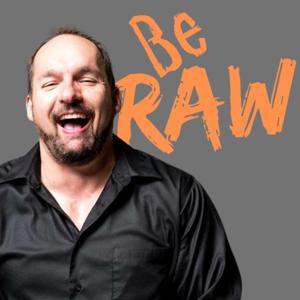


This is me, the mic, ya'll listening, no notes and whatever is on my mind. Thanks for listening, take what you want, leave the rest.
In this episode I talk about my experience of being on the carnivore diet for 7 weeks now. The ups and downs, the pros and cons. Enjoy!
Take a moment and check out these great companies!
Highspeed Daddy: https://www.highspeeddaddy.com/?rfsn=7178368.317ce6
Live Rishi: Use the code "TABLE50" and get 50% off your entire order - https://liverishi.com/
Me: https://berawpodcast.com/
'til next time, keep kickin ass!
Ah yes, the carnivore diet — the "crazy, unsustainable" way of eating that’s somehow completely transformed my health over the past two months. Who knew ditching kale and quinoa for steak and eggs would actually make me feel human again? Shocking, right?
While everyone else is choking down green smoothies and pretending to enjoy chickpeas, I’m over here thriving on ribeye and butter. My inflammation? Gone. My energy? Through the roof. My cravings? What are those? Turns out, I don't need a side of anxiety with my avocado toast after all.
Of course, the plant-based crowd loves to call this “dangerous” and “unbalanced.” Because, you know, eating real, nutrient-dense food that humans have survived on for thousands of years is clearly more reckless than stuffing your face with processed soy burgers and seed oil dressing. Makes perfect sense.
Look, I get it. It sounds extreme to some. But honestly, what's more extreme — eating the diet we evolved on or trusting the same food industry that's been pumping out sugar-laden garbage for decades?
I’ll stick with my steak, thanks. My body’s happy, my mind’s clear, and my abs are starting to show. But hey, enjoy your kale chips.
Make sure you have a fresh bottle of Kombucha ready for this episode! We dig into Eric's passion for his work and the importance of intellectual exercise. With his new book out and the stories he shares that got him where he is today, I'll let him tell you all about it! Enjoy.
Mentions:
Eric: https://www.ericjaysonnenschein.com/
HighSpeed Daddy: https://www.highspeeddaddy.com/?rfsn=7178368.317ce6
Live Rishi: Use the code "TABLE50" and get 50% off your entire order: https://liverishi.com/
Me: https://berawpodcast.com/
'til next time!
Ah, intellectual exercise—because using your brain is apparently just as important as using your body. Who knew? In a world where scrolling through social media counts as reading and binge-watching ten seasons of a TV show in one weekend is considered "commitment," mental stimulation is somehow still relevant. Crazy, right?
Now, let’s talk about why flexing those mental muscles is crucial. Because, let’s be honest, relying on autopilot for the rest of your life might not be the best strategy—unless, of course, you enjoy being outsmarted by your toaster.
You know what’s fun? Having a brain that actually works. Just like muscles deteriorate when they aren’t used, your brain also gets lazy when it’s not challenged. If you think solving a crossword puzzle or reading something more complex than a fast-food menu is too much work, then congratulations—you’re on the fast track to becoming a human houseplant. Keep it up, and pretty soon, forming coherent thoughts might require Google assistance.
Ah, memory loss—the fun little trick your brain plays when you treat it like an old piece of furniture. Studies suggest that engaging in intellectual activities like reading, problem-solving, and, you know, actually thinking, can help prevent cognitive decline. But sure, go ahead and rely on your phone for everything. I’m sure Siri won’t mind reminding you of your own birthday in a few years.
Want to be the kind of person who actually contributes something interesting to a conversation instead of regurgitating TikTok trends? Well, congratulations, intellectual exercise is your secret weapon. Reading, debating, and analyzing ideas help develop critical thinking skills, which means you might actually have a fresh perspective on something. Imagine that—being able to form an opinion that wasn’t spoon-fed to you by an algorithm. Revolutionary.
Ever wonder why some people believe everything they read on the internet? Lack of intellectual exercise, my friend. A well-exercised brain can detect nonsense from a mile away. So, if you’d rather not fall for the latest conspiracy theory about how Wi-Fi signals are controlling your thoughts, maybe—just maybe—consider engaging in some critical thinking activities.
Nobody wants to be that person at a dinner party whose conversational skills are limited to “Wow, crazy weather we’re having, huh?” Reading books, learning new skills, and challenging yourself intellectually make you a more interesting person. Because let’s face it—there are only so many times you can get away with saying, “I don’t really read” before people start questioning your life choices.
At the end of the day, exercising your brain is the difference between staying sharp and becoming that person who calls tech support because their computer won’t turn on… only to realize it’s unplugged. So, do yourself a favor—read a book, learn a language, play chess, or at the very least, do a Sudoku puzzle once in a while. Your future self (the one who actually remembers where they put their car keys) will thank you.
This is me, the mic, ya'll listening, no notes and whatever is on my mind. Thanks for listening, take what you want, leave the rest.
In this episode I get into keeping chivalry alive by leading by example. It is well know that our kids learn from us by watching. To see it in real time is on another level. Provng once again that communication is mostly non-verbal, enjoy!
Sponsors:
HighSpeed Daddy: https://www.highspeeddaddy.com/?rfsn=7178368.317ce6
Live Rishi: Use the code "TABLE50" and get 50% off your eintire order: https://liverishi.com/
Me: https://berawpodcast.com/
'til next time!
Ah, chivalry—the ancient art of basic human decency wrapped up in a fancy name. Once upon a time, people held doors open, said “please” and “thank you,” and—brace yourself—actually cared about how they treated others. Shocking, right? Fast forward to today, and those little gestures are becoming as rare as a social media argument that actually ends in agreement. But who needs courtesy, respect, or basic kindness when we have smartphones to stare at instead of making eye contact with real humans?
Once upon a time, people believed in showing respect to others just because it was the decent thing to do. But hey, why bother when you can just demand respect without actually giving it? Chivalry was never about enforcing outdated gender roles—it was about treating people well. But sure, let’s call it “problematic” while simultaneously complaining about how rude everyone is these days. Makes perfect sense.
Back in the day, chivalry meant putting in effort—holding doors, offering a kind word, or maybe just acknowledging another human being’s existence. But let’s be real, that’s way too much work. Why build strong relationships when you can just swipe left or send a vague “u up?” text at 2 AM? Who needs meaningful connections when you can have emotionally detached situationships?
One of the biggest myths about chivalry is that it’s just for men to be nice to women. Newsflash: kindness isn’t gender-exclusive. Literally anyone can be chivalrous—holding doors, helping someone carry a heavy load, or maybe just not being a jerk. It’s called being a decent human, but apparently, that’s a radical concept now.
Let’s face it, society is in a full-blown courtesy crisis. People would rather shove past you to grab a latte than say “excuse me.” Online interactions are basically just a contest to see who can be the most offended, and don’t even get me started on the death stare you get for daring to let someone merge in traffic. Chivalry may not be dead, but it’s definitely on life support.
Here’s a wild idea—just be nice. That’s it. No grand gestures, no medieval armor required. Just hold a door, say thank you, or maybe try acknowledging someone’s existence without rolling your eyes. If we all put in the bare minimum effort, society might just feel a little less like a never-ending episode of a reality show where everyone is out to one-up each other in rudeness.
So, should we keep chivalry alive? Only if we want a world where people don’t act like self-absorbed gremlins. But hey, if you prefer chaos, by all means—keep pretending kindness is outdated. Just don’t complain when no one holds the door for you.
Hang on tight to this one! Jenne is a heli skier, flys kites, surfs and had a close, I mean close incounter with a polar bear. Enjoy!
Mentions:
Jenne: https://www.instagram.com/adrenajen/?hl=en
Live Rishi: Use the code "TABLE50" and get 50% off your entire order, https://liverishi.com/
HighSpeed Daddy: https://www.highspeeddaddy.com/?rfsn=7178368.317ce6
Me: https://berawpodcast.com/
'til next time!
Life is too short to be spent in monotony. Living a life of adventure means embracing the unknown, chasing experiences that make your heart race, and stepping out of your comfort zone every chance you get. It’s about choosing memories over possessions, stories over routines, and passion over predictability.
Adventure isn’t just about jumping out of planes or backpacking across foreign lands—though those certainly qualify. It’s a mindset, a way of seeing the world as a playground of possibilities rather than a series of obligations. It’s about saying “yes” more often, even when you’re unsure of what’s coming next. It’s about embracing challenges, whether they be physical, emotional, or mental, and coming out stronger on the other side.
One of the biggest barriers to an adventurous life is fear. Fear of failure, fear of embarrassment, fear of losing stability. But here’s the thing: adventure and fear are best friends. The most exhilarating experiences often come wrapped in uncertainty, demanding that we push past our doubts and take the leap. Ask any skydiver about the moment before the jump—it’s pure terror, followed by an unmatched rush of freedom. That’s what adventure is all about: conquering fear and trading it for euphoria.
Adventurous living doesn’t always mean extreme sports or exotic travel. Sometimes, it’s about the small things—striking up a conversation with a stranger, trying a new dish, taking a different route home just to see where it leads. It’s about keeping curiosity alive and never allowing routine to dull the spark of possibility.
One of the most rewarding aspects of an adventurous life is the collection of stories. No one looks back and fondly remembers the nights they scrolled through their phone for hours. They remember the spontaneous road trips, the times they got lost in a new city, the moments that made them feel alive. These experiences shape who we are, broaden our perspectives, and give us a sense of fulfillment that material things never could.
Of course, adventure comes with its fair share of missteps. You’ll make wrong turns, lose your luggage, get caught in the rain without an umbrella—but that’s part of the beauty. The best stories often come from the things that didn’t go as planned. Embracing the unexpected is what separates those who truly live from those who merely exist.
At its core, an adventurous life is a life of growth. Every new experience teaches something, every risk taken builds confidence, and every boundary pushed expands what you believe you’re capable of. It’s about evolving into the boldest, most fearless version of yourself.
So, book that trip. Say yes to that opportunity. Take the risk. Because at the end of the day, life isn’t measured by the breaths we take but by the moments that take our breath away.
Years ago I could give a shit about this day. I have come to see how it can help people, and I have a "hack" that keeps my marriage on the spicy side! In this episode I talk about that a more.
Sponsors:
Live Rishi: Use the code "TABLE50" and get 50% off your entire order! https://liverishi.com/
High Speed Daddy: https://www.highspeeddaddy.com/?rfsn=7178368.317ce6
Me: https://berawpodcast.com/
'til next time!
A little history on the old V -Day!
Valentine’s Day has its origins in both ancient Roman and Christian traditions. The most widely accepted theory traces the holiday back to the Roman festival of Lupercalia, celebrated from February 13 to 15. This fertility festival honored Faunus, the Roman god of agriculture, and included rituals meant to promote love and matchmaking. However, as Christianity spread, Lupercalia was deemed unchristian, and in the 5th century, Pope Gelasius I replaced it with St. Valentine’s Day on February 14.
The name "Valentine" is believed to honor one or more Christian martyrs named Valentine. One legend tells of a priest named Valentine who secretly married couples despite Emperor Claudius II banning marriage for young men. Another tale suggests Valentine was imprisoned for aiding persecuted Christians and sent a farewell note to a loved one signed, "From your Valentine," coining the now-famous phrase.
By the Middle Ages, Valentine’s Day became associated with romance, partly due to Geoffrey Chaucer’s poetry linking it to courtly love. Over time, handwritten love notes evolved into the exchange of greeting cards, flowers, and gifts. Today, Valentine’s Day is a global celebration of love, observed in various ways across different cultures.
Aleks Salkin is a beast when it comes to kettlebells, mindset, and straight-up calling it like it is. In this episode, we get into:
How to simplify strength training
The kettlebell’s insane journey from Russian markets to military training
Why someone out there actually used “password” as a username (facepalm)
And how Aleks helps people of all fitness levels train smarter—not softer
👊 Mentions & Links:
This episode’s for the doers, the lifters, the ones who don’t need permission to push harder.
'til next time Be Raw Nation – Keep kickin’ ass.
#Kettlebells #Podcast #AleksSalkin #BeRawNation #FitnessMindset #NoExcuses
In these episodes the subjects vary drastically! Today I talk about supporting your friends in what ever love laungauge you have. And about one of my favorite greatest worst movies ever.
Here is the link to watch it:
https://www.amazon.com/gp/video/detail/B0D4H8K4PK/ref=atv_dp_share_cu_r
Supporters of this show, check them out:
Live Rishi, use the code "TABLE50" and get 50% off your entire order: https://liverishi.com/
High Speed Daddy: https://www.highspeeddaddy.com/?rfsn=7178368.317ce6
Me: https://berawpodcast.com/
'til next time!
A recap of this amazing movie!
Harley Davidson and the Marlboro Man (1991) is an action-packed buddy film starring Mickey Rourke as Harley Davidson and Don Johnson as the Marlboro Man. Set in the near future of 1996, the story follows the two longtime friends as they attempt to save their favorite bar from being shut down due to rising rent prices.
To help their friend and bar owner, they decide to rob a bank truck, believing it to be carrying cash. However, they inadvertently steal a new, highly addictive drug called "Crystal Dream," putting them in the crosshairs of ruthless corporate criminals. Led by the cold and calculating Alexander (Tom Sizemore), the antagonists send highly skilled assassins after Harley and Marlboro.
As they fight for survival, the duo relies on their street smarts, gun skills, and unwavering loyalty to each other. The film blends action, humor, and themes of friendship, rebellion, and the changing American landscape. In the end, after intense shootouts and close calls, Harley and Marlboro part ways, each choosing to follow their own path. Though not a box-office success, the movie has since gained a cult following for its mix of '90s action and classic Americana.
Comedy is always something that brings people together, even if they like different styles. Matt and I get into some stuff that's laying heavy on his mind, sports, movies and what makes him truly tick...Radio/DJ and everything that goes with it. Enjoy!
Mentions:
Matt: https://www.instagram.com/realmattmysh/?hl=en
High Speed Daddy: https://www.highspeeddaddy.com/?rfsn=7178368.317ce6
Live Rishi: Use the code "TABLE50" get 50% off your entire order - https://liverishi.com/
Composure: https://composurelifestyle.com/ use the code RAW
Me: https://berawpodcast.com/
'til next time!
The radio disc jockey, commonly known as the DJ, has a rich history rooted in the evolution of radio broadcasting and popular culture. The role of the DJ has transformed dramatically over the decades, shaping and reflecting societal changes in music, technology, and communication.
The Birth of the Radio DJ: 1920s-1930s
The Golden Age: 1940s-1950s
During this period, DJs became cultural tastemakers, promoting emerging genres such as rhythm and blues and early rock and roll. Figures like Alan Freed gained national fame for their enthusiastic promotion of rock music, helping break racial barriers in the music industry by introducing black artists to white audiences. Freed’s "Moondog Rock and Roll Party" in the 1950s is credited with popularizing the term "rock and roll," cementing the DJ's role in shaping music history.
The Rise of Personality DJs: 1960s-1970s
During the 1970s, FM radio gained prominence over AM radio, allowing DJs to adopt freer, more experimental formats. Album-oriented rock (AOR) stations gave DJs the freedom to play entire records and explore deeper cuts, appealing to more niche audiences. This period also marked the emergence of specialized DJs for genres like country, jazz, and disco.
The Modern Era: 1980s-Present
In the 21st century, the rise of streaming platforms and podcasts transformed how DJs interact with audiences. Many DJs now operate across multiple platforms, blending traditional radio with digital content. While their role has shifted, radio DJs remain vital curators of culture, bringing music, stories, and community to listeners worldwide.
This is me, the mic, ya'll listening, no notes and whatever is on my mind. Thanks for listening, take what you want, leave the rest.
In this episode I talk about a phrase I heard years ago and final believe I have a grasp on it's true meaning. Wanted to share with ya'll!
Mentions:
HighSpeed Daddy - Get your fanny packs here! https://www.highspeeddaddy.com/?rfsn=7178368.317ce6
Live Rishi - Use the code "TABLE50" get 50% off your entire order - https://liverishi.com/
Composre - Use the code RAW let them know I sent ya - https://composurelifestyle.com/
Me: https://berawpodcast.com/
'til next time!
The idea of not having "problems" but instead "work to do" is a transformative mindset shift that reframes challenges as opportunities for action, growth, and purpose. This perspective has roots in stoic philosophy, modern self-help, and productivity thinking, offering a way to reduce emotional resistance and foster resilience. By changing how we view obstacles, we can approach life with a greater sense of agency and clarity.
At its core, this mindset hinges on the distinction between problems as insurmountable barriers and work as actionable tasks. A problem often carries an emotional charge—frustration, anxiety, or fear—that can paralyze progress. When we label something as a problem, it becomes daunting, a mountain that looms too high to climb. On the other hand, when we view the same situation as work to do, it transforms into a series of steps or tasks that are manageable and solvable. Work implies effort, but it also implies progress. The mental shift is subtle but powerful.
For instance, consider a professional project with tight deadlines and complex requirements. Viewing this situation as a "problem" might lead to stress, procrastination, or a sense of being overwhelmed. However, seeing it as work to do encourages focus on breaking the project into smaller tasks, tackling them one by one, and moving forward. Each task completed represents a tangible step toward resolution. This approach not only enhances productivity but also fosters a sense of accomplishment along the way.
This perspective is particularly useful in personal growth. Life's adversities—financial struggles, relationship challenges, or health issues—are often perceived as problems that weigh us down. But by reframing them as work to do, we can focus on actionable solutions. A strained relationship, for example, isn’t merely a “problem” but a call to engage in open communication, practice empathy, or seek counseling. Each action, however small, contributes to improvement.
The concept aligns with stoicism, which teaches that we cannot control external events but can control how we respond to them. Instead of lamenting a situation, a stoic would ask, “What can I do about this?” This pragmatic approach shifts the focus from what is wrong to what is possible, emphasizing action over rumination.
Adopting this mindset also encourages emotional resilience. It’s easier to stay calm and grounded when we view setbacks as tasks rather than catastrophes. For example, a failed job interview isn’t a life-ending problem—it’s an opportunity to reflect, improve, and prepare for the next opportunity. Each failure becomes a stepping stone rather than a wall.
Moreover, seeing life as work to do fosters purpose. When we approach each day as a series of tasks, we find meaning in the act of doing. Whether it’s caring for loved ones, pursuing a career, or contributing to a community, every effort becomes part of a larger journey. This sense of purpose drives motivation and fulfillment.
In conclusion, reframing problems as work to do is a practical, empowering mindset that transforms how we navigate life. It promotes action, resilience, and purpose, enabling us to tackle challenges with clarity and determination. By embracing this approach, we can turn obstacles into opportunities and live with greater intention.
It is No Shave November and I couldn't think of a better dude to have on than Joshua. We talk about Mens health all the way around, emotional, spirtual and of course physical. And an actor he works with we have some goos laughs. I am a 'uge fan of the actor and fun to know somethings about him. Enjoy!
Mentions:
https://composurelifestyle.com/ - use the code RAW at checkout.
https://liverishi.com/ - Use the code "TABLE50" and get 50% off your entire order
https://www.highspeeddaddy.com/?rfsn=7178368.317ce6 High SpeedDaddy
https://www.instagram.com/ihadtosayitpodcast/?hl=en - Aron
https://us.movember.com/mospace/6675153?fbclid=IwY2xjawGjSNJleHRuA2FlbQIxMAABHVh3DuQ85C50DO7JBe-a-FciNx2vp9LeIwbH2KOhVSp9A66EFxp583NCVg_aem_OCZwyXNK9Q-lRpxZk5uoUg
Chris for No Shave November
Me: https://berawpodcast.com/
'til next time!
A little something about being a Dad!
Becoming a dad is one of the most profound and life-changing experiences a person can go through. It’s a journey filled with immense joy, deep learning, and an array of new responsibilities. The moment you hold your child for the first time, a shift happens—a new role is carved out that brings fresh purpose and meaning. From that moment on, the life you’ve known transforms, adapting to the presence of a tiny, vulnerable human who depends on you completely.
At first, fatherhood is about embracing the unknown and finding your way. There’s no manual, no clear set of rules to follow, and every dad learns through experience. Many new fathers feel a blend of excitement and fear as they realize the enormity of the role. In those early days, when sleep is scarce, and the house is filled with the sounds of a newborn, the weight of responsibility truly hits home. You’re tasked with providing, protecting, and nurturing, which can feel overwhelming, but it’s also an experience that teaches resilience and patience.
Being a dad involves not only supporting a child but also navigating the emotions and dynamics that come with parenthood. Fathers quickly learn the importance of presence. Simply being there—holding, talking, and connecting with the child—creates a bond that becomes a foundation for life. Fathers learn that their words, actions, and even their reactions are constantly observed and internalized. This makes being mindful a priority; every interaction is a chance to teach love, compassion, and strength.
Fatherhood also challenges you to grow as an individual. Children naturally mirror their parents, which becomes a mirror for dads to see their own strengths and areas that may need work. Being a dad means confronting these areas and working to become a better role model. It’s about leading by example and teaching through actions rather than just words. Whether it’s teaching kindness, empathy, or resilience, every father finds himself examining his own values, becoming someone his child can look up to.
One of the most beautiful parts of being a dad is witnessing the milestones and moments that shape a child’s growth. From their first steps to their first words, to the time they make friends and experience the world around them, these moments become cherished memories that dads carry for a lifetime. Each milestone brings a new set of challenges, but also a sense of pride and joy. It’s a reminder of the precious gift of fatherhood and the privilege of watching a child grow into their own unique person.
A dad’s role goes beyond the typical definitions of protector or provider; it’s about being a source of guidance, laughter, and love. Fathers are there to share stories, to comfort in times of sadness, and to encourage their children to chase their dreams. They’re the ones who catch them when they fall and lift them up to try again. These acts, though simple, have a lasting impact on children’s confidence and self-worth.
Being a dad isn’t always easy. There are moments of doubt, fear, and even guilt. You’ll worry if you’re doing enough, if you’re giving them the right tools to face the world. But fatherhood is also a journey of learning and forgiveness. No father is perfect, and every dad makes mistakes. What matters is the effort, the love, and the willingness to keep growing alongside your child.
In the end, fatherhood is one of life’s greatest adventures. It teaches patience, humility, and an overwhelming love that’s hard to describe. Being a dad means being part of something bigger than yourself, giving more than you thought you could, and loving in a way that transforms you. It’s a journey you wouldn’t trade for anything else.
From the publisher's feed
Earned perspective, delivered when it needs to be said.
This feed hosts audio versions of occasional video conversations and reflections.
There is no schedule and no set format.
New writing lives here:
https://berawpodcast.com/blogs
Nothing scheduled. Nothing owed.