
Sign up to save your podcasts
Or

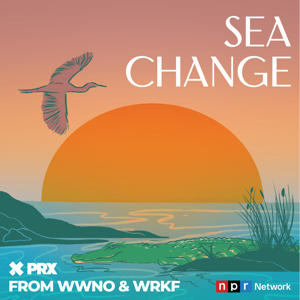

Louisiana is home to the country's largest hotspot for toxic air — an industrial corridor nicknamed “Cancer Alley.” More than 150 petrochemical plants line the Mississippi River between New Orleans and Baton Rouge. Amid the boom, many Black communities live with a disproportionate amount of pollution.
But years of protest have begun to bear fruit. We travel the Mississippi River to learn what has allowed the industry to flourish on its banks, see how the tide might turn in one neighborhood’s fight for clean air, and ask what’s next for a growing environmental justice movement as federal regulators take firmer action.
Find more information on local activists' tug of war with Denka Performance Elastomers and other environmental justice updates here.
To hear a reflection from Louisiana's former Department of Environmental Quality Secretary, Chuck Carr Brown, listen here.
Explore how the EPA is looking at environmental justice, their pending civil rights investigations and their updates on Denka and air monitoring at these links. Find a copy of the EPA's letter of concern to Louisiana's Department of Health and Department of Environmental Quality here.
You can find Denka Performance Elastomers website here.
A special thanks to members of the Concerned Citizens of St. John Robert Taylor, Mary Hampton, and Larry Soraporu for being so generous with their time. Find their group here.
Hosted by Halle Parker and Kezia Setyawan.
Our managing producer is Carlyle Calhoun. Editing help was provided by Carlyle Calhoun, Rosemary Westwood Priska Neely, Patrick Madden, and Eve Abrams. Our sound designer is Maddie Zampanti.
Sea Change is a production of WWNO and WRKF. We are part of the NPR Podcast Network and distributed by PRX.
 View all episodes
 By WWNO & WRKF

4.5
101101 ratings
Louisiana is home to the country's largest hotspot for toxic air — an industrial corridor nicknamed “Cancer Alley.” More than 150 petrochemical plants line the Mississippi River between New Orleans and Baton Rouge. Amid the boom, many Black communities live with a disproportionate amount of pollution.
But years of protest have begun to bear fruit. We travel the Mississippi River to learn what has allowed the industry to flourish on its banks, see how the tide might turn in one neighborhood’s fight for clean air, and ask what’s next for a growing environmental justice movement as federal regulators take firmer action.
Find more information on local activists' tug of war with Denka Performance Elastomers and other environmental justice updates here.
To hear a reflection from Louisiana's former Department of Environmental Quality Secretary, Chuck Carr Brown, listen here.
Explore how the EPA is looking at environmental justice, their pending civil rights investigations and their updates on Denka and air monitoring at these links. Find a copy of the EPA's letter of concern to Louisiana's Department of Health and Department of Environmental Quality here.
You can find Denka Performance Elastomers website here.
A special thanks to members of the Concerned Citizens of St. John Robert Taylor, Mary Hampton, and Larry Soraporu for being so generous with their time. Find their group here.
Hosted by Halle Parker and Kezia Setyawan.
Our managing producer is Carlyle Calhoun. Editing help was provided by Carlyle Calhoun, Rosemary Westwood Priska Neely, Patrick Madden, and Eve Abrams. Our sound designer is Maddie Zampanti.
Sea Change is a production of WWNO and WRKF. We are part of the NPR Podcast Network and distributed by PRX.

90,994 Listeners

43,898 Listeners

38,062 Listeners

23,765 Listeners

43,528 Listeners
26,197 Listeners

8,454 Listeners
1,483 Listeners

6,435 Listeners

14,656 Listeners

2,252 Listeners
2,212 Listeners

16,399 Listeners

6,564 Listeners

1,736 Listeners