
Sign up to save your podcasts
Or

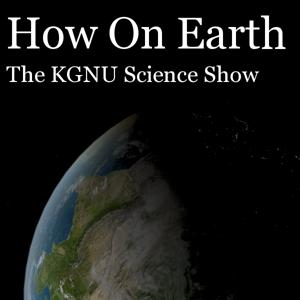

Tackling Plastic Pollution (starts at 3:09): It is, sadly, common for beachcombers around the world to see, along with clam shells and sand dollars, plastic bottles, bottle caps, cigaret filters and fish nets washed up on shore. According to estimates by World Economic Forum, our oceans will be populated by more pounds of plastic waste than fish by 2050. About a third of all plastic that is produced does not get properly collected; instead, much of it ends up floating in the ocean, or clogging the guts of innocent albatross, other birds and sea mammals. It could take 450 years, or forever, for plastic to completely biodegrade. Plastic waste just breaks down (photo-degrades) into tiny bits, causing harm to wildlife and, potentially, humans. How On Earth host Susan Moran and contributing host Jeff Burnside interview two guests who are working in different ways to assess the extent of the problem and its impacts, to educate people about it, and to effect positive change. Dr. Jenna Jambeck, an associate engineering professor at the University of Georgia, lead-authored a seminal paper in 2015 that estimated how much plastic waste is in the ocean. She will soon co-lead an all-female National Geographic expedition to study plastic pollution in India and Bangladesh. Laura Parker is a staff writer at National Geographic magazine covering climate change and ocean environments. She won the Scripps Howard award for environmental reporting her June 2018 National Geographic cover article titled “Planet or Plastics?”
Hosts: Susan Moran, Jeff Burnside
Listen to the show here:
 View all episodes
 By KGNU - How On Earth

4.5
2121 ratings
Tackling Plastic Pollution (starts at 3:09): It is, sadly, common for beachcombers around the world to see, along with clam shells and sand dollars, plastic bottles, bottle caps, cigaret filters and fish nets washed up on shore. According to estimates by World Economic Forum, our oceans will be populated by more pounds of plastic waste than fish by 2050. About a third of all plastic that is produced does not get properly collected; instead, much of it ends up floating in the ocean, or clogging the guts of innocent albatross, other birds and sea mammals. It could take 450 years, or forever, for plastic to completely biodegrade. Plastic waste just breaks down (photo-degrades) into tiny bits, causing harm to wildlife and, potentially, humans. How On Earth host Susan Moran and contributing host Jeff Burnside interview two guests who are working in different ways to assess the extent of the problem and its impacts, to educate people about it, and to effect positive change. Dr. Jenna Jambeck, an associate engineering professor at the University of Georgia, lead-authored a seminal paper in 2015 that estimated how much plastic waste is in the ocean. She will soon co-lead an all-female National Geographic expedition to study plastic pollution in India and Bangladesh. Laura Parker is a staff writer at National Geographic magazine covering climate change and ocean environments. She won the Scripps Howard award for environmental reporting her June 2018 National Geographic cover article titled “Planet or Plastics?”
Hosts: Susan Moran, Jeff Burnside
Listen to the show here:

91,038 Listeners
78,712 Listeners

43,958 Listeners

38,232 Listeners

43,621 Listeners
27,049 Listeners

3,417 Listeners

1,653 Listeners
942 Listeners

510 Listeners

6,479 Listeners

382 Listeners

112,309 Listeners

6,410 Listeners

16,305 Listeners