
Sign up to save your podcasts
Or

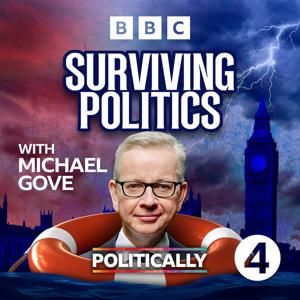

David Runciman tells the story of the 1945 election and the dawn of a new age.
The 1945 general election was one of the biggest shocks in British parliamentary history: a decisive rejection of Winston Churchill and his leadership. The election of Clement Attlee's Labour government in a landslide marked a break with the past and signalled a strong desire on the part of the British people for something new. But it was also a product of Britain's wartime experiences and revealed the many ways in which the country had already changed.
The years that followed -- the postwar years -- would bring about bold and radical reform, the building of a new nation, a 'New Jerusalem'. The Britain of the National Health Service and the welfare state, of nationalised industry and the so-called 'postwar consensus' -- all were ushered into place with this election. This is the Britain that most have us have grown up in and which still shapes an idea of who we think we are.
Winston Churchill’s sometimes florid rhetoric was well suited to the microphone age and his wartime radio broadcasts became a new political art form. His deputy within the wartime coalition government, Clement Attlee, couldn’t hope to match him as a broadcaster – and, usually, he didn’t. Except in the case of their first election broadcasts of 1945 which, in the case of Churchill, might be remembered as his greatest gaffe.
Featuring historian Robert Saunders.
 View all episodes
 By BBC Radio 4
5
77 ratings
David Runciman tells the story of the 1945 election and the dawn of a new age.
The 1945 general election was one of the biggest shocks in British parliamentary history: a decisive rejection of Winston Churchill and his leadership. The election of Clement Attlee's Labour government in a landslide marked a break with the past and signalled a strong desire on the part of the British people for something new. But it was also a product of Britain's wartime experiences and revealed the many ways in which the country had already changed.
The years that followed -- the postwar years -- would bring about bold and radical reform, the building of a new nation, a 'New Jerusalem'. The Britain of the National Health Service and the welfare state, of nationalised industry and the so-called 'postwar consensus' -- all were ushered into place with this election. This is the Britain that most have us have grown up in and which still shapes an idea of who we think we are.
Winston Churchill’s sometimes florid rhetoric was well suited to the microphone age and his wartime radio broadcasts became a new political art form. His deputy within the wartime coalition government, Clement Attlee, couldn’t hope to match him as a broadcaster – and, usually, he didn’t. Except in the case of their first election broadcasts of 1945 which, in the case of Churchill, might be remembered as his greatest gaffe.
Featuring historian Robert Saunders.

393 Listeners
684 Listeners
2,409 Listeners

1,183 Listeners

386 Listeners
176 Listeners