
Sign up to save your podcasts
Or

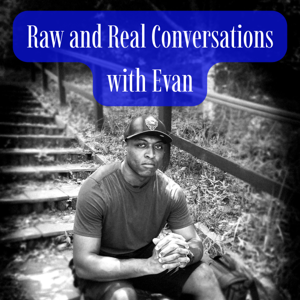


Evan Youngblood Williams discusses the “happy wife, happy life” idea and how, in his view, pursuing a partner’s happiness at the expense of one’s own identity can harm both people and the relationship. Drawing on personal experience, he encourages balance, personal responsibility, mutual effort, and honest reflection.
Key talking points
Williams introduces the topic and says the saying can erode personal boundaries when someone gives up their values or preferences just to keep the peace.
He clarifies that caring about a partner’s happiness matters, but shouldn’t require abandoning your own boundaries or interests.
He describes stepping away from exercise, hobbies, and creative work in a past relationship, and the toll that took on his well-being.
He encourages partners to support each other while maintaining independent interests and activities.
Williams says people should take responsibility for their quality of life rather than placing all the blame on a partner.
He argues that both partners benefit from pursuing interests of their own and supporting each other’s pursuits.
He connects giving up meaningful activities and losing a sense of identity with resentment and unspoken sadness.
He suggests making time for enjoyable, healthy activities, including exercise, walks, hobbies, and time with pets.
He says a relationship needs compromise and contribution from both partners, rather than one person always accommodating the other.
Williams emphasizes reciprocal effort, warning that an ongoing imbalance can breed resentment and weaken a relationship.
He argues that people are responsible for their own happiness, while partners can contribute to each other’s well-being.
He discusses how the saying can reinforce rigid roles, framing one partner as a caretaker and the other as the person to be continually pleased.
He asks listeners to consider whether they are truly happy, at peace, and content with their lives.
He questions why people may focus on a wife’s happiness without also asking whether the husband is happy.
Williams wraps up with a message for men navigating dating and relationships, then invites listeners to subscribe and rate or review the podcast.
Noteable Quotes:
“Relationships take two to work. It's not just one person.” —
07:44
“It shouldn't get to the point to where you're abandoning yourself, you're abandoning your values and your boundaries just to keep the peace.” —
00:41
“You gotta take personal responsibility for your quality of life and the steps that you take to get to where you are today.” —
03:05
“Am I truly happy? Am I truly at peace? Am I content with the way my life is?” —
15:43
This episode continues a raw conversation with Robert Attaway, a motivator, speaker, entrepreneur, and author. He and host Evan Youngblood Williams talk about grief after losing close family members, why men need rest, and how trauma can shape relationships, health, and life decisions. We discuss domestic violence, the importance of getting help, and why healing matters for both victims and those who cause harm. Robert also shares his new book, The Gladiator Within, Rise Again, and his broader mission to help people move forward with substance and purpose.
Key topics
Robert introduces himself as a motivator, speaker, entrepreneur, and author focused on bringing “substance” and useful wisdom to people.
He shares that the hardest emotions he has faced are the deaths of his mother and his brother, who died at 14, and explains that he carries their teachings forward.
Robert says he does not think grief is ever fully “overcome.” For him, it is about remembering good moments, holding on to lessons, and honoring their legacy.
Evan opens up about losing his great-grandmother, aunt, and a Job Corps teacher who deeply impacted him, showing how grief can surface years later.
The conversation stresses that men are often taught not to cry or show pain, but that grief, anger, and vulnerability are all part of being human.
Robert strongly argues against nonstop grind culture. He says the body needs recovery, and pushing too hard can lead to burnout, heart issues, and long-term damage.
Both speakers talk about training naturally, avoiding overreliance on powders and supplements, and being careful about what goes into the body.
Robert explains his work around domestic violence prevention and how trauma can turn victims into abusers if it is not addressed.
He says domestic violence cannot be solved by women alone, and that men need to be involved in honest, solution-driven conversations.
Robert shares his upcoming book and its message: keep fighting, rise again, and do not quit even when life gets hard.
The episode closes with a strong message that healing requires honesty, professional help, consistency, and the courage to face what has been buried.
Notable quotes
“We owe ourselves the healing.”
“You can’t solve domestic violence problems without men at the table.”
“Stay in the fight.”
Action items
Evan Youngblood Williams sits down with Renaissance Dave, also known as David Williams, for a wide-ranging conversation about creativity, entrepreneurship, and personal growth. Dave explains how he built a life around books, podcasting, and private aviation, while both speakers reflect on ego, burnout, and the lessons that come from trying to prove yourself too hard.
Key topics
Key frameworks
Dave repeatedly frames his work around freedom of time, expression, and movement.
Both speakers emphasize that not knowing something now does not mean you will never know it.
Dave’s closing philosophy about defining success internally.
Replacing hustle language with language that leaves room for growth.
Dave’s way of describing loyal, long-term relationships built on trust and consistency.
Evan Youngblood Williams uses this episode of Raw and Real Conversations Podcast to unpack a deeply personal reconciliation with his mother after years of conflict. He traces how creative ambition, pride, and unresolved hurt damaged the relationship, and how self-reflection, apology, and maturity helped repair it. This is a solo episode focused on a family story with a bigger lesson: chasing a creative path without losing sight of relationships, humility, and healing. Evan also shares the mindset shifts that helped him move from blame to responsibility.
Key topics
Action items
The relationship you stay in out of fear might be the very thing blocking your peace, growth, and next level. Evan Youngblood Williams gets brutally honest about why “I’ve already invested too much to leave” is a trap - and why the right move is often the hardest one: walk away, heal, and stop betraying yourself. Using his own 8-year relationship as the clearest example, Evan breaks down the difference between real commitment and staying because you feel stuck, guilty, or afraid of what comes next. He calls out the moment therapy, counseling, and hard conversations stop being a path forward and become proof that nothing is changing. You’ll discover:
Evan also widens the lens beyond romance, challenging you to evaluate friendships, business relationships, and the people around you with the same ruthless honesty. If someone is dragging you down instead of helping you rise, this episode argues that your next breakthrough may depend on finally letting them go. This one is for anyone who knows deep down that something is off, but keeps staying because it feels easier than change. If you need the push to stop living for other people’s comfort and start protecting your own peace, this episode lands exactly where it needs to.
Click here to follow me on all my socials, etc. : https://linktr.ee/evanyoungblood
In this episode, Evan Youngblood Williams explores the critical reasons why men should focus on their character and inner value rather than leading with money in relationships. He discusses how this approach affects relationship quality, mental health, and emotional vulnerability, urging men to redefine what true masculinity and worth mean.
Main Topics Covered:
How leading with money attracts the wrong relationship dynamics
The impact of monetary focus on men's mental health and emotional well-being
The importance of emotional vulnerability in building healthy relationships
The pitfalls of associating personal worth solely with material possessions
Practical steps for men to embody authentic self-value beyond finances
Timestamps:
(00:00) - Introduction: The dangers of leading with money in dating
(01:22) - How money attracts superficial relationships
(02:13) - Building genuine connections through character, not finances
(04:34) - Money's limited role in long-term happiness
(05:02) - The link between income, masculinity, and mental health issues
(06:30) - Reframing self-worth from within and lessons from lasting relationships
(08:28) - Money as an ingredient, not the entire recipe for relationship success
(10:54) - Emotional vulnerability as a strength, not a weakness
(13:17) - The importance of healing and emotional intelligence for men
(15:06) - Practical advice for men to be present emotionally and spiritually
Resources & Links:
Emotional Intelligence in Relationships
The Power of Authentic Masculinity
Mental Health Resources for Men
Note: Focus on cultivating inner strength, integrity, and emotional authenticity to build truly meaningful relationships. Money should never be the foundation of your self-worth or relationship value.
In this episode, Evan Youngblood Williams shares his candid thoughts on the pitfalls of toxic relationship advice prevalent on social media, especially red pill content. He reflects on his own experiences with dating, growth, and the importance of authentic communication and self-awareness in building lasting relationships.
MAIN TOPICS:
IN THIS EPISODE:
Resources & Links:
In this episode, hosts Evan Youngblood Williams and Robert Attaway dive deep into the importance of healing from trauma, the power of being honest with oneself, and how authenticity can lead to a more fulfilling life. This conversation highlights personal stories, actionable insights, and motivational wisdom to encourage listeners to face their shadows and embrace growth.
Key Topics:
How to connect with [Robert Attaway]:
Tiktok: https://www.tiktok.com/@usertherealgamecha...
Instagram: https://www.instagram.com/the.real.game.ch...
Linkedin: https://www.linkedin.com/in/robert-a-27569...
FINAL WISDOM:
Healing begins with honesty. Confront your shadows early, do the work, trust divine strength, and embrace your authentic self. Your greatest transformation awaits on the other side of vulnerability.
In this episode of the Raw and Real Conversations Podcast, Evan Youngblood-Williams shares powerful lessons learned from his eight-year relationship. He emphasizes the importance of knowing one's self-worth, setting boundaries, and being honest in relationships. Evan discusses the pitfalls of catering to partners, the need for authenticity, and the dangers of taking on too much responsibility too early. He encourages listeners to engage in self-discovery and adapt to changes in their lives, ultimately advocating for a redefinition of masculinity that values happiness and fulfillment beyond traditional roles.
Key Takeaways:
Know your worth to avoid settling in relationships.
Setting boundaries is crucial for mutual respect.
Catering to a partner can lead to loss of respect.
Honesty and transparency are key in dating.
You are not responsible for fixing someone else's problems.
Avoid taking on too much responsibility too early.
Self-discovery is essential for personal growth.
Don't rush into relationships without knowing yourself.
Adapt to changes and red flags in relationships.
Men deserve to be happy and valued beyond their roles as providers.
In this episode of the Raw and Real Conversations Podcast, Evan Youngblood-Williams discusses the detrimental effects of hustle culture, emphasizing the importance of self-acceptance, authenticity, and being present in one's life. He critiques the societal pressures that lead individuals to prioritize work over personal well-being and relationships, advocating for a more balanced approach to life that values mental health and genuine connections.
Key Takeaways:
Hustle culture promotes a toxic mindset that leads to burnout.
It's essential to listen to your intuition and follow your soul.
The constant grind can lead to a hamster wheel effect in life.
Self-improvement should come from a place of joy, not lack.
Being present is crucial for personal fulfillment.
False positivity can be harmful and inauthentic.
Life is too short to neglect personal relationships for work.
You are not lazy; you may just need rest.
Authenticity is more valuable than performative spirituality.
Self-love is key to filling the void within.