
Sign up to save your podcasts
Or

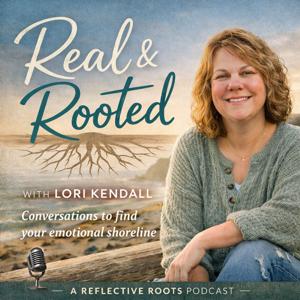


What Grief Does to a Marriage
Lori explores how devastating loss can change a marriage from the inside out, especially when both people are grieving the same person in different ways. This episode is a candid, compassionate look at distance, resentment, vulnerability, and whether a relationship can be rebuilt after trauma. In this episode, Lori shares how grief can create emotional isolation even in the same house, why “being strong” can become a kind of prison, and why couples often end up fighting about surface issues when the real pain is deeper. She also offers a practical framework for reconnecting through honesty, curiosity, and small conversations.
Key topics
Timestamps
00:00 - Setting the tone for a conversation about grief and marriage
01:21 - The question nobody prepares couples for after a devastating loss
03:44 - How survival can slowly turn into emotional distance
05:06 - When love is still there, but communication breaks down
07:00 - “How does one drowning person rescue another drowning person?”
09:17 - Resentment begins quietly, not always with obvious conflict
11:52 - A pause to ask when the couple started surviving separately
12:22 - Grieving the person who died and everything attached to them
15:23 - Grieving who your spouse used to be, and who you used to be
16:33 - The armor people build just to keep functioning
18:18 - Why vulnerability feels dangerous after trauma
19:02 - Surface fights that are really about fear, abandonment, and hurt
21:12 - Finding the sentence underneath the anger
22:27 - Why grief comparisons damage relationships
24:00 - How two people can miss each other even while grieving in the same house
26:28 - One sentence, one truth, one piece of armor at a time
27:26 - Responding to vulnerability with curiosity instead of defensiveness
28:42 - Remembering the version of your partner you once chose
29:31 - Devotion after loss looks less romantic and more practical
31:41 - Love and boundaries can coexist
32:40 - Why the real question is not “How do we go back?”
33:24 - Re-introducing yourselves to each other after life changes everything
35:49 - A small first step: ask what grief has been like for your partner
36:47 - Saying “I love you and I don’t know how to find you anymore”
37:54 - Compassion after devastation means wanting to care that you hurt someone
38:52 - Practical prompts for a bridge-building conversation
40:19 - Love after hell may be simpler, quieter, and more honest
42:30 - What grief can do to the vows and the marriage underneath them
43:31 - Taking off the armor and saying, “Here I am”
44:26 - The possibility of building a new marriage after loss
45:12 - Closing reflection on truth, healing, relationships, and staying rooted
Action items
Notable quotes
“Sometimes strong becomes a prison.”
“Grief can explain behavior. It doesn't automatically excuse it.”
“Maybe the bravest thing isn't fighting harder. Maybe it's putting the weapons down.”
Support the show
Visit Missing Pieces The Final Salute Group on Facebook
Real & Rooted Podcast
Missing Pieces Book Order
The Kole T. Kendall Anchored Navigation Project
Lori opens Season 2 with a deeply personal reflection on what it means to move from surviving to living after loss. She talks through how grief reshapes marriage, parenting, identity, and faith, using the shoreline as the central metaphor for healing, growth, and resilience. This episode is a solo conversation from Lori, and it matters because it names the quiet ways grief changes every relationship around us. If you have been trying to hold it all together while rebuilding your life, this episode offers language, honesty, and permission to be real.
Key topics
Timestamps
Notable quotes
Copy
“Grief rearranged the furniture in my soul.”
Copy
“Marriage isn’t built on silence. It’s built on shared truth.”
Copy
“You don’t have to carry everything.”
Support the show
Visit Missing Pieces The Final Salute Group on Facebook
Real & Rooted Podcast
Missing Pieces Book Order
The Kole T. Kendall Anchored Navigation Project
Lori reflects on a hard personal season and the quote that opened the episode: that the worst times of life reveal the true colors of people around us, and of ourselves. She unpacks grief, career disruption, and the quiet ways survival mode can look like strength while actually keeping us locked behind a steel gate. This episode is especially meaningful for anyone carrying loss while still functioning on the outside. Lori shares a vulnerable story about a welfare check, the people who stayed, and what it means to notice, ask, and stand watch for each other.
Key topics
Timestamps
00:00 - A quote that changes the whole conversation
03:35 - Why survival mode can feel familiar and safe
06:28 - Losing professional footing after personal loss
08:25 - Accountability versus self-blame
12:05 - The people who stay and keep showing up
14:41 - How survival mode can hide behind success
16:23 - The steel gate and the cost of numbing pain
18:23 - Allowing grief instead of just talking about it
20:32 - Ordinary moments that become extraordinary after loss
23:10 - A Coast Guard friend stands watch from afar
26:52 - Why functioning is not the same as being okay
29:13 - What it means to stand watch for someone
32:17 - Stop chasing what is not available
34:30 - Cleaning house: relationships, guilt, and old identities
35:52 - Learning how to live, not just survive
36:58 - Joy is not betrayal for grieving parents
39:28 - Seeing your own colors in the hardest season
41:19 - What your worst season may be revealing
44:23 - Caring enough to notice and stay
45:41 - The lesson behind the quote: grief, loyalty, resilience
47:35 - Final encouragement for anyone in survival mode
48:58 - How to continue the conversation and support the work
54:19 - Let someone else stand watch for you
Notable quotes
“Survival mode isn’t strength. It looks like strength from the outside, but it isn’t.”
“Functioning and okay are not the same thing.”
“The worst time of your life may reveal the true colors of everyone, but it also gives you the opportunity to decide what colors you want to carry forward.”
Support the show
Visit Missing Pieces The Final Salute Group on Facebook
Real & Rooted Podcast
Missing Pieces Book Order
The Kole T. Kendall Anchored Navigation Project
Military mental health, suicide warning signs, and how to get help
Lori Kendall opens with a direct, personal conversation about military mental health and why the hardest topics need to be spoken about plainly. She focuses on what warning signs can look like, how suicide risk can hide behind “functioning,” and what service members, families, and command can do before a crisis hits.This episode is a resource-driven discussion for military members and families, with special attention to the Coast Guard, the Brandon Act, Military OneSource, and the Kole T. Kendall Anchored Navigation Project. Lori also connects alcohol use, traumatic brain injury, repeated head impacts, and isolation to the larger mental health picture.
Key topics
Timestamps
00:00 - Lori introduces the show’s mission: honest conversations about hard things
01:28 - Military mental health, suicide, alcohol, and traumatic brain injury enter the conversation
03:17 - Why “resources are available” is not enough
04:30 - Crisis support numbers and when to use them
05:54 - Stop seeing the uniform before the human being
08:08 - Chronic pain, grief, loneliness, and other hidden risk factors
11:09 - Why asking for help is responsible, not disloyal
13:07 - Suicide risk does not always look like obvious despair
14:17 - Common warning signs families and peers can miss
18:32 - Risk factors stack, but they do not equal predictions
20:08 - How connected stressors create a system breakdown
24:36 - Why an injured brain changes the conversation
29:23 - Compassion and boundaries can exist together
31:39 - Alcohol as part of the larger equation
35:08 - No one gets extra points for suffering silently
36:13 - Practical resources for Coast Guard members and military families
39:31 - How the Brandon Act supports self-advocacy
42:03 - Why Coast Guard isolation makes peer support critical
45:01 - Why both professional and peer support matter
50:40 - Military mental health follows families home
52:09 - High performers can still be struggling
55:21 - Returning to the injured brain and unanswered questions
60:50 - Direct message to the service member who feels alone
62:42 - A message to spouses, parents, siblings, and friends
67:10 - Pay attention, ask, listen, connect, stay
68:50 - What to say when you do not know what else to say
Notable quotes
“You deserve support before you deserve the crisis.”
“You do not have to fall apart publicly to deserve help privately.”
“You don’t have to wait until someone is suicidal to care.”
Action items
Support the show
Visit Missing Pieces The Final Salute Group on Facebook
Real & Rooted Podcast
Missing Pieces Book Order
The Kole T. Kendall Anchored Navigation Project
Awareness alone does not save lives - prevention starts with the conversations we are willing to have before a crisis ever arrives.
Lori delivers a deeply personal and urgent episode about moving from suicide awareness to real-world action, especially for military families, service members, veterans, and anyone who loves someone carrying pain in silence. After opening the season with the reality of grief, trauma, and the hidden battle many service members face, Lori goes further here by sharing what prevention actually looks like: recognizing subtle warning signs, asking direct questions, building a circle of support, and using resources before someone reaches a breaking point. She speaks from lived experience after losing her son, Petty Officer Third Class Kole T. Kendall of the United States Coast Guard and explains why the strongest people are often the ones carrying the heaviest burdens.
You'll discover:
Lori also tackles the hard questions families often face but rarely get answered: Where do you go for help? What happens if you’re active duty, single, or afraid to tell command? What if you need support before everything falls apart? She points listeners to resources like 988, the Veterans Crisis Line, the Brandon Act, and the Kole T. Kendall Anchored Navigation Project, while reminding us that help should be accessible long before emergency hits.This episode is a powerful reminder that prevention is everyone’s responsibility, that grief changes us but does not have to define us, and that one caring conversation can create the space someone needs to stay. Essential listening for military families, first responders, caregivers, advocates, and anyone who wants to help someone through the battle no one sees.
Support the show
Visit Missing Pieces The Final Salute Group on Facebook
Real & Rooted Podcast
Missing Pieces Book Order
The Kole T. Kendall Anchored Navigation Project
Show Notes
In this episode of The Real and Rooted Podcast, Lori Kendall opens Season 2 by sharing the personal and emotional journey that shaped this new chapter. She reflects on stepping away to care for her mental health, process grief, and rebuild, setting the tone for a season focused on deeper listening, healing, and growth. The episode centers on “the battle no one sees” — the invisible struggles many service members and veterans carry home with them. Lori discusses military suicide, the unique challenges faced by Coast Guardsmen, and the complexities of grief, identity, and transition after service. She emphasizes that these conversations are not about statistics alone, but about real people, families, and names.
Key themes include:
Lori also challenges the idea that suicide loss should be excluded from remembrance and argues that honoring these lives does not diminish combat loss. Instead, it recognizes another kind of sacrifice and another battle fought in silence. Her message is clear: awareness is not enough. Action, support, and honest conversation save lives. The episode closes with a call to check on the people who seem strongest, stay present, and help build the kind of community that can protect and support those still here.
Highlights
Resources Mentioned
Call to Action
If this conversation resonated with you, download, listen, and share the episode. Most importantly, check in on someone who may be struggling — because it takes a community to save a life.
Support the show
Visit Missing Pieces The Final Salute Group on Facebook
Real & Rooted Podcast
Missing Pieces Book Order
The Kole T. Kendall Anchored Navigation Project
Support the show
Visit Missing Pieces The Final Salute Group on Facebook
Real & Rooted Podcast
Missing Pieces Book Order
The Kole T. Kendall Anchored Navigation Project
This special Mother’s Day episode dives into the layered emotions of motherhood—love, grief, resilience, and renewal. Lori shares her personal journey and insights on how grief reshapes us and why taking mental resets is vital for growth and healing.
Key topics:
Timestamps:
00:00 - Introduction to the layered feelings of Mother’s Day
00:12 - The reality behind the idealized Mother’s Day
00:45 - Grief’s impact on life and identity
01:17 - Surviving and adapting after loss
01:57 - The silence and gaps in sacred spaces
02:28 - What happens when the pillar of strength cracks
02:51 - Mothering while evolving and mental resets as essential tools
03:21 - Reflecting on personal growth and change through motherhood
03:50 - The importance of mental health and self-care
04:37 - Making space for grief and loss
05:08 - The shoreline metaphor: grief, motherhood, growth
05:58 - How each child witnesses a different version of mothering
06:28 - The ongoing evolution of motherhood over the years
07:12 - Resistance to resets and embracing water over concrete
07:43 - Redefining strength: honesty, pause, and healing
08:16 - The transformative power of pieces falling away
09:14 - Grief and love coexistence
09:33 - Facing the terrifying truth of change
10:01 - The promise of resilience and forging new paths
10:43 - Honoring internal struggles while continuing to evolve
11:10 - Encouragement for mothers feeling overwhelmed
11:40 - Practical steps for mental resets: asking for help, boundaries, forgiveness
12:37 - Redefining strength—inner resilience and honesty
13:20 - Moving from memory to integration after profound loss
13:36 - The importance of evolution and the continual process of healing
14:07 - Acceptance that not all pieces will return
14:40 - Carrying the past, honoring the present, building the future
15:08 - Celebrating the resilient, honest, and brave mother
15:42 - The significance of ongoing resets and continuous growth
16:29 - Shifting the focus from why to who we are becoming
16:42 - Motherhood as a shoreline that shifts and reshapes
17:01 - Embracing the emotional spectrum of Mother’s Day
17:43 - Encouragement to share the message of reset and renewal
18:13 - Closing thoughts and gratitude
Resources & Links:
Connect with Lori:
Remember, motherhood and grief are ongoing journeys. Embrace each reset as a step toward becoming more whole and authentic.
Support the show
Visit Missing Pieces The Final Salute Group on Facebook
Real & Rooted Podcast
Missing Pieces Book Order
The Kole T. Kendall Anchored Navigation Project
In this episode of the Real and Rooted podcast, Lori shares a heartfelt reflection on the quiet moments of change—those shifts that often go unnoticed but profoundly impact our lives. Tune in to explore how recognizing these subtle signals can lead to alignment and growth.
Main Topics:
Timestamps:
00:00 - Introduction: noticing the moments that don't match expectations
00:18 - The quiet realization of change and the importance of space
00:40 - The story of leaving a beloved role and reactions from others
01:00 - Recognizing internal disconnect versus external success
01:27 - The weight of unspoken pressures in work environments
01:50 - How leadership perceives and sometimes ignores underlying issues
02:23 - The moment of internal realization: letting go of carry-over stress
02:54 - The emotional toll of pressure and the choice to release it
03:22 - The importance of self-awareness in identifying outgrown roles
03:52 - Addressing masking emotions and the desire to just be oneself
04:15 - Reflecting on the transition and preparing for what's next
04:30 - Recognizing successes alongside feelings of misalignment
04:55 - The necessity of closing chapters before starting new ones
05:24 - Embracing uncertainty and excitement for future growth
05:39 - Practical encouragement: reflect on the past week and what to carry forward
05:59 - Closing thoughts and anticipation for the next conversation
Resources & Links:
Connect with Lori:
Note: Walks through the process of tuning into subtle signs of change and encourages patience and compassion during transitions. Perfect for anyone feeling stuck or at a crossroads, seeking to honor their internal rhythm over external expectations.
Support the show
Visit Missing Pieces The Final Salute Group on Facebook
Real & Rooted Podcast
Missing Pieces Book Order
The Kole T. Kendall Anchored Navigation Project
Living Between Two Worlds: Grief, Connection, and Moving Forward
In this heartfelt episode of The Real and Rooted podcast, Lori Kendall shares her deeply personal journey of navigating grief after the loss of her child, Kole. She explores the emotional space between past memories and future hopes, emphasizing the importance of grace, connection, and carrying loved ones forward in many forms.
Key Topics:
Timestamps:
00:50 - Introduction: The importance of facing grief authentically
1:21 - The concept of living between two worlds after loss
2:05 - How identity shifts after grief—what remains and what changes
3:05 - The power of community and space to process grief
4:51 - Sharing Kole’s story: struggles and moments of pride
6:34 - The significance of witnessing moments of pride and loss
8:50 - The importance of giving grace to oneself and others during grief
9:36 - Deciding to step away from a familiar environment to heal
11:23 - Living in parallel realities—the external world vs. internal experience
12:25 - Being present in grief while remaining connected to love
14:07 - Reframing the idea of moving forward—integrating the loved ones we carry
15:40 - The power of safe spaces to grieve and feel seen
16:32 - Questions for self-reflection: who allows you to be real?
17:28 - The importance of keeping loved ones’ names and stories alive
18:35 - Personal rituals and symbols to honor Kole’s memory
19:18 - Embracing the ongoing presence of loved ones in daily life
20:14 - Focusing on the next right step in moments of overwhelming emotion
21:32 - Grounding techniques to manage grief’s intensity
22:08 - Living more in the moment post-loss, less planning ahead
23:15 - Carrying loved ones with us—music, photos, shared moments
24:19 - Challenges of fully living after loss and honoring their memory
25:16 - Resources and support for navigating loss and military transitions
26:16 - The ongoing journey of carrying loved ones into the future
27:36 - The importance of support and being space-holders for those grieving
28:12 - Honoring the balance of strength and vulnerability in grief
29:17 - Closing thoughts: embracing the non-linear nature of grief and love
Resources & Links:
Connect with Lori:
Keep in mind that grief is non-linear. Remember, you are not alone in this journey, and every step, no matter how small, is part of healing.
Support the show
Visit Missing Pieces The Final Salute Group on Facebook
Real & Rooted Podcast
Missing Pieces Book Order
The Kole T. Kendall Anchored Navigation Project
From the publisher's feed
Real & Rooted is a sanctuary for honest, heart‑level conversations where we explore grief, resilience, and the quiet strength that emerges when we tell the truth about our lives. It’s a…