
Sign up to save your podcasts
Or

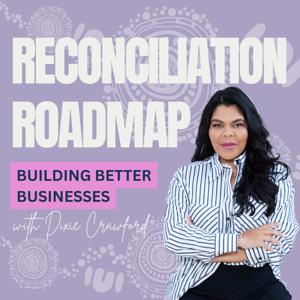


In this episode of Reconciliation Roadmap, Dixie Crawford discusses the true meaning of success in Reconciliation Action Plans (RAPs). She emphasises the importance of measuring real impact rather than just counting activities, advocating for transparency, accountability, and genuine engagement with First Nations communities. Crawford outlines key metrics for success and encourages organisations to shift their focus from superficial achievements to meaningful change that benefits all stakeholders involved.
Takeaways
Chapters
00:00 Acknowledging Country and Purpose
00:56 Defining RAP Success
02:45 Measuring Real Impact
04:41 Building Effective Metrics
06:08 Creating Accountability and Transparency
07:34 Call to Action for Real Change
Follow Dixie's work on LinkedIn Dixie Lee Crawford | LinkedIn
Enquiries: [email protected]
See omnystudio.com/listener for privacy information.
In this episode of Reconciliation Roadmap, Dixie Crawford discusses the detrimental effects of perfectionism on the implementation of Reconciliation Action Plans (RAPs). She emphasises that waiting for the perfect moment can stall progress and erode trust among stakeholders. Instead, she advocates for a mindset that embraces action and continuous improvement, encouraging organisations to launch their RAPs and adapt as they go. The conversation highlights the importance of leadership in fostering trust and making tangible progress in reconciliation efforts.
Takeaways
Chapters
00:00 Introduction and Acknowledgement
01:17 The Perils of Perfectionism in RAPs
03:14 Understanding RAPs as Living Frameworks
05:10 Moving Forward Without Perfectionism
07:03 Call to Action and Conclusion
Follow Dixie's work on LinkedIn Dixie Lee Crawford | LinkedIn
Enquiries: [email protected]
See omnystudio.com/listener for privacy information.
In this episode of Reconciliation Roadmap, Dixie Crawford discusses the importance of embedding Reconciliation Action Plans (RAPs) into everyday business processes to avoid burnout among staff. She highlights common pitfalls organisations face when implementing RAPs, such as treating them as separate from core business functions and over-relying on passionate individuals. Crawford emphasises the need for structural changes, leadership involvement, and sustainable practices to ensure that reconciliation becomes an integral part of organisational culture.
Takeaways:
Chapters
00:00 Introduction to Reconciliation and RAPs
01:42 Challenges of Embedding RAPs in Organisations
03:30 Strategies for Sustainable Reconciliation Practices
05:57 Leadership's Role in Effective RAP Implementation
Follow Dixie's work on LinkedIn Dixie Lee Crawford | LinkedIn
Enquiries: [email protected]
See omnystudio.com/listener for privacy information.
In this episode of Reconciliation Roadmap, Dixie Crawford emphasises the critical importance of measurement in Reconciliation Action Plans (RAPs). She argues that without measurable outcomes, reconciliation efforts risk becoming mere corporate theatre. The discussion covers the necessity of transparency to build trust with First Nations communities, practical tips for effective measurement, and the strategic significance of reconciliation within organisations. Crawford challenges listeners to operationalise reconciliation efforts and ensure accountability through clear metrics and reporting.
Takeaways:
Chapters
00:00 Acknowledging Country and Purpose
01:17 The Importance of Measurement in RAP
04:41 Building Trust Through Transparency
05:10 Practical Tips for Effective Measurement
07:04 Reconciliation as a Strategic Pillar
Follow Dixie's work on LinkedIn Dixie Lee Crawford | LinkedIn
Enquiries: [email protected]
See omnystudio.com/listener for privacy information.
In this episode of Reconciliation Roadmap, Dixie Crawford emphasizes the critical importance of measurement in Reconciliation Action Plans (RAPs). She argues that without measurable outcomes, reconciliation efforts risk becoming mere corporate theatre. The discussion covers the necessity of transparency to build trust with First Nations communities, practical tips for effective measurement, and the strategic significance of reconciliation within organizations. Crawford challenges listeners to operationalize reconciliation efforts and ensure accountability through clear metrics and reporting.
Takeaways:
Chapters
00:00 Acknowledging Country and Purpose
01:17 The Importance of Measurement in RAP
04:41 Building Trust Through Transparency
05:10 Practical Tips for Effective Measurement
07:04 Reconciliation as a Strategic Pillar
Follow Dixie's work on LinkedIn Dixie Lee Crawford | LinkedIn
Enquiries: [email protected]
See omnystudio.com/listener for privacy information.
In this episode of Reconciliation Roadmap, Dixie Crawford emphasises the importance of individual influence in driving reconciliation efforts. She challenges the myth that only executives can lead these initiatives, highlighting that everyone has a sphere of influence that can effect change. Through small, consistent actions and visible leadership, individuals can contribute to a cultural shift towards reconciliation. Dixie encourages listeners to take action and lead without waiting for permission, ultimately calling for grassroots leadership to transform reconciliation from a performative act into a genuine movement.
Takeaways:
Chapters
00:00 Acknowledging Land and Influence
01:46 Understanding Your Sphere of Influence
04:38 Expanding Your Influence
07:03 Call to Action for Everyday Leaders
Follow Dixie's work on LinkedIn Dixie Lee Crawford | LinkedIn
Enquiries: [email protected]
See omnystudio.com/listener for privacy information.
In this episode of Reconciliation Roadmap, Dixie Crawford emphasises the crucial role of RAP champions in driving reconciliation efforts within organisations. She discusses the challenges these champions face, including a lack of empowerment and the tendency to wait for permission to act. Crawford encourages RAP champions to embrace their leadership roles, take bold actions, and not be afraid to challenge the status quo. The episode concludes with a leadership challenge for listeners to take immediate action without waiting for approval.
Takeaways:
Chapters
00:00 Introduction to Reconciliation Action Plans
02:15 Empowerment of RAP Champions
04:08 Leadership vs. Management in Reconciliation
06:33 Taking Action Without Waiting for Permission
08:57 Leadership Challenge and Conclusion
Follow Dixie's work on LinkedIn Dixie Lee Crawford | LinkedIn
Enquiries: [email protected]
See omnystudio.com/listener for privacy information.
In this episode of Reconciliation Roadmap, Dixie Crawford dives straight into one of the most common reasons Reconciliation Action Plans (RAPs) fail: team misalignment. It doesn’t matter how glossy your RAP document looks or how impressive the launch event was, if your leadership and delivery teams aren't aligned, your RAP is on borrowed time. Dixie unpacks how misalignment leaks into behaviour before it shows up as failure: slipping deliverables, vague ownership, and disengaged leaders. She challenges organisations to stop treating alignment as optional and start recognising it as a leadership responsibility. This episode delivers hard truths about the professional discipline required to execute RAPs effectively, even when reconciliation work competes with 'business as usual' priorities. Dixie also offers three sharp, practical strategies for leaders to realign their teams, build accountability, and keep RAP momentum alive. If you're serious about moving beyond performative reconciliation, this episode is your wake-up call. Alignment isn’t a bonus — it’s non-negotiable.
Follow Dixie's work on LinkedIn Dixie Lee Crawford | LinkedIn
Enquiries: [email protected]
See omnystudio.com/listener for privacy information.
In this episode of Reconciliation Roadmap, Dixie Crawford emphasises the importance of effective communication in reconciliation efforts, particularly the limitations of relying solely on email. She advocates for a more engaging approach that inspires action and personal connection to the Reconciliation Action Plan (RAP). By tailoring messages to different audiences and emphasising the need for leadership involvement, Crawford outlines strategies for fostering genuine commitment to reconciliation within organisations. The episode concludes with a call to action for listeners to actively promote reconciliation in their teams.
Takeaways:
You cannot email your way through reconciliation.
Awareness is an action, not just information.
Buying happens through experience, not exposure.
You need to light a fire, not forward a file.
Successful RAPs are sold, not told.
Every communication touch point must have a call to action.
Change moves faster peer to peer than top down.
First Nations people don't need more empty promises.
Internal culture sets the tone for external impact.
Reconciliation doesn't live in a file, it lives in action.
Chapters
00:00 Introduction to Reconciliation and Acknowledgment
01:44 The Limitations of Email Communication in Reconciliation
04:08 Strategies for Effective RAP Communication
06:35 The Importance of Action Over Words in Reconciliation
Follow Dixie's work on LinkedIn Dixie Lee Crawford | LinkedIn
Enquiries: [email protected]
See omnystudio.com/listener for privacy information.
In this episode of Reconciliation Roadmap, Dixie Crawford emphasises the necessity of year-round commitment to reconciliation rather than performative actions limited to National Reconciliation Week. She discusses the importance of embedding reconciliation into the core values and operations of organisations, highlighting that true leadership in reconciliation is measured by consistency and genuine engagement with First Nations communities. Practical steps are provided for organisations to audit their reconciliation efforts and ensure ongoing action, ultimately calling for a shift from performative gestures to meaningful, sustained commitment.
Takeaways
Chapters
00:00 Introduction and Acknowledgment of Country
01:46 The Importance of Year-Round Reconciliation
03:15 The Dangers of Performative Reconciliation
05:13 Practical Steps for Embedding Reconciliation
07:37 Call to Action for Continuous Commitment
Follow Dixie's work on LinkedIn: Dixie Lee Crawford | LinkedIn
Enquiries: [email protected]
See omnystudio.com/listener for privacy information.
From the publisher's feed
Join Dixie Crawford, Barkindji woman, the Founder of Nganya and RAP Consultant, hosted by Holly Ferling, Journalist and Professional Cricketer, as they embark on an enlightening journey into the world of Reconciliation Action Plans (RAP) in Australia, through our podcast series - "Reconciliation Roadmap - Building Better Businesses”.
Dixie provides practical advice, actionable tips and transformative insights to support effective, efficient and impactful implementation of RAPs. Whether you're a leader seeking to enhance your skillset or an organisation aspiring to improve your RAP implementation capability, this podcast is your one-stop resource.
Each episode, guided by Dixie, unpacks the pillars of the RAP framework, highlighting critical considerations, demystifying complex ideas and providing fresh perspectives on reconciliation action and leadership. With her wealth of experience and innate expertise, Dixie offers innovative solutions and expert advice, ensuring your organisation becomes RAP-ready and purpose-driven.
Reconciliation Roadmap - Building Better Businesses is more than just a podcast – it's a movement to foster unity, mutual respect and understanding amongst Australians. It's about taking meaningful actions today for a reconciled Australia tomorrow.