
Sign up to save your podcasts
Or



In this episode of Recovering Relationships, Janice Johnson Dowd, licensed social worker, author, and person in long-term recovery, explores three often-overlooked vulnerabilities that can put sobriety at risk—even after years of recovery.
In this video, we explore:
· The story nobody knew: How grief, loneliness, stress, and emotional exhaustion can go unnoticed when someone appears to be doing well.
· The danger of always being the strong one: Why shame, pride, and the pressure to have everything figured out can make it difficult to admit you're struggling.
· The unexpected trigger: Why celebrations, vacations, and other happy occasions can sometimes challenge sobriety just as much as difficult life events.
We also discuss why having a craving doesn't mean you've failed, how withdrawing from recovery support can increase vulnerability, and why honesty matters even after 8, 10, or 20 years of sobriety.
For families: Instead of asking, "How could you throw away all those years?" consider asking, "What was happening in your life before you started using again?"
For those in recovery: You don't have to pretend everything is fine just because you've been sober for years. Asking for help doesn't erase the progress you've made.
Coming Soon! This is just the beginning of the conversation! Watch for a longer, more in-depth episode in the next couple of weeks exploring relapse after years of sobriety, including warning signs we often overlook.
Let's talk about it!
Have you experienced unexpected challenges in long-term recovery? What helps you stay connected and honest when life gets difficult? Share your thoughts in the comments.
📖 Janice's Book: Rebuilding Relationships in Recovery — Available wherever books are sold. Available on Amazon link: https://www.amazon.com/dp/B0D11SD3PJ
Subscribe to Recovering Relationships for conversations about addiction recovery, family relationships, rebuilding trust, and lasting change.
Remember: Recovery isn't about never struggling again. It's about not having to struggle alone.
#AddictionRecovery #RelapsePrevention #LongTermRecovery #Sobriety #RecoveringRelationships
Why is it so difficult to walk away from a relationship that keeps hurting you? The answer may have more to do with your brain than you realize. In this episode, we explore the neuroscience of toxic relationships, including how dopamine, emotional attachment, and unpredictable patterns of affection can keep us connected to people who hurt us. We'll also examine how childhood experiences shape our expectations of love and what feels familiar in adult relationships. Discover practical tools to recognize unhealthy patterns, break the cycle, and begin building healthier, more fulfilling relationships.
0:54 – Dopamine: anticipation, not just pleasure
2:11 – Uncertainty and the slot machine effect (intermittent reinforcement)
3:35 – Relief vs. real connection
5:02 – How early relationships shape expectations
6:23 – Six patterns to notice
7:48 – Awareness, self-compassion and the pause
8:42 – Writing it down and tracking patterns
9:42 – Making a relationship timeline
10:12 – Rebuilding your life outside the relationship
10:42 – What withdrawal feels like
11:34 – A plan for difficult moments
14:29 – Choosing consistency, respect and care
#neuroscience #dopamine #complextrauma #toxiclove #generationaltrauma
Please like and subscribe, and check out my website for more resources, a blog, and links to free downloads at https://www.janicejohnsondowd.com/
If you are interested in learning more about or purchasing the book, Rebuilding Relationships in Recovery: https://www.amazon.com/dp/B0D11SD3PJ?lv=shuf&channelId=500&plpRedirect=mhFallback
Social media accounts include
Instagram: https://www.instagram.com/parenting_in_recovery/
https://www.instagram.com/janicejohnsondowd/
https://www.instagram.com/recoveringrelationshipspodcast/
LinkedIn: https://www.linkedin.com/in/janice-dowd-b748b141/
The holidays can bring joy, but also stress, expectations, and challenges for families in recovery. Join Janice and Katie as they share practical tips and tools for navigating family gatherings, avoiding common pitfalls, setting healthy boundaries, and creating a happier, healthier, sober holiday season for everyone around the table.
0:00 – Welcome and introducing Katie
0:31 – Why this episode: helping families, not just staying sober, during the holidays
5:44 – Staying in the present, not the past
7:12 – Tabling old hurts and having a backup person
8:09 – Don't overthink it, and plan ahead (the "we're not there" story)
9:07 – Check your expectations
10:00 – Safeguard against people and traditions that enable old patterns
11:20 – Making up for lost holidays (presence over presents)
13:13 – When the past comes up at the wrong moment
14:38 – Acknowledging feelings and being patient with yourself
16:34 – Keeping good traditions and creating new memories
17:03 – Gift giving and acts of service as alternatives
18:54 – Practical list: expectations and a recovery plan
20:49 – Respecting boundaries without taking them personally
21:18 – Don't pressure anyone to forgive or reconcile
21:46 – Staying in the present and focusing on progress
22:38 – Avoiding activities that end in conflict
23:34 – Stay sober first, have fun
24:15 – Final takeaway: step by step
24:44 – Closing and the book Rebuilding Relationships and Recovery
Please like and subscribe, and check out my website for more resources, a blog, and links to free downloads at https://www.janicejohnsondowd.com/
If you are interested in learning more or purchasing my book: https://www.amazon.com/dp/B0D11SD3PJ?lv=shuf&channelId=500&plpRedirect=mhFallback
Social media accounts include
Instagram: https://www.instagram.com/parenting_in_recovery/
https://www.instagram.com/janicejohnsondowd/
https://www.instagram.com/recoveringrelationshipspodcast/
LinkedIn: https://www.linkedin.com/in/janice-dowd-b748b141/
Janice Johnson Dowd explains what complex trauma is, how it develops through repeated adversity, and why it can shape relationships, emotions, and nervous system responses long after childhood. She also walks through practical steps for healing, including nervous system regulation, boundaries, and trauma-informed support. In this episode, Janice connects the science of complex trauma with everyday patterns like hypervigilance, people-pleasing, shame, and difficulty trusting others. She also distinguishes complex trauma from complex PTSD and emphasizes that healing is possible without denying what happened.
Key topics
Timestamps
(00:58) How repeated adversity differs from a single traumatic event
(01:27) Growing up around instability, substance use, or conditional affection
(02:25) Complex trauma vs. complex PTSD
(03:22) When dysfunction starts to feel normal
(04:18) Childhood hypervigilance and adult relationship triggers
(05:11) What chronic stress does to the brain and nervous system
(07:26) Hypervigilance, people pleasing, and emotional dysregulation
(08:52) Trust issues, shame, and negative self-beliefs
(10:18) The link between complex trauma and addiction
(11:44) What trauma-informed care should actually look like
(12:11) How trauma patterns can move across generations
(13:35) What healing looks like in practice
(15:00) Healthy boundaries and why they can feel scary
(15:28) Why supportive relationships help rebuild trust
Join the conversation
What's one survival strategy you learned growing up that you've had to rethink as an adult? Tell me in the comments. If this topic resonates, follow my YouTube short series on complex trauma, where I briefly review many of these topics and a few more. Please share this video with someone who might find it useful, and like and comment.
#complextrauma #innerhealing #generationaldysfunction #traumarecovery #addictionrecovery #generationaltrauma #sobermon #cptsd #ptsd
This video is for educational purposes only and isn't a substitute for professional mental health care.
Please like and subscribe, and check out my website for more resources, a blog, and links to free downloads at https://www.janicejohnsondowd.com/
If you are interested in learning more about or purchasing the book, Rebuilding Relationships in Recovery: https://www.amazon.com/dp/B0D11SD3PJ?lv=shuf&channelId=500&plpRedirect=mhFallback
Social media accounts include
Instagram: https://www.instagram.com/parenting_in_recovery/
https://www.instagram.com/janicejohnsondowd/
https://www.instagram.com/recoveringrelationshipspodcast/
LinkedIn: https://www.linkedin.com/in/janice-dowd-b748b141/
Have you spent years hoping your parent would change, only to find yourself having the same painful conversations over and over?
How can you tell the difference between genuine change and another empty promise?
In this episode of Recovering Relationships, we explore five signs that an emotionally immature parent may be making real progress—and why lasting change is measured by consistent behavior, not just words.
In this episode, we discuss:
But what happens when a parent doesn't change?
We also discuss the difficult reality that you cannot do someone else's emotional work for them. Sometimes healing means adjusting expectations, setting boundaries, or accepting that the relationship may never become what you hoped.
For parents who genuinely want to change, we offer practical guidance on listening without becoming defensive, taking responsibility, respecting boundaries, and rebuilding trust through actions.
For adult children, this episode offers a reminder: You don't have to keep searching for proof that someone has changed. Pay attention to their patterns.
Whether you're working to repair a parent-child relationship or deciding what a healthier relationship might look like, this conversation offers perspective, encouragement, and practical guidance.
Because real change isn't about what someone promises. It's about what they consistently do.
Recovering Relationships Podcast
#EmotionallyImmatureParents #ParentChildRelationships #FamilyHealing #EmotionalMaturity #HealthyBoundaries #RecoveringRelationships
Please like and subscribe, and check out my website for more resources, a blog, and links to free downloads at https://www.janicejohnsondowd.com/
If you are interested in learning more about or purchasing the book, Rebuilding Relationships in Recovery: https://www.amazon.com/dp/B0D11SD3PJ?lv=shuf&channelId=500&plpRedirect=mhFallback
Social media accounts include
Instagram: https://www.instagram.com/parenting_in_recovery/
https://www.instagram.com/janicejohnsondowd/
https://www.instagram.com/recoveringrelationshipspodcast/
LinkedIn: https://www.linkedin.com/in/janice-dowd-b748b141/
Is your phone just a tool, or is it training your brain to keep reaching for the next scroll, notification, like, or hit of novelty?
In this episode of Recovering Relationships, Janice Johnson Dowd explores Digital Dopamine and the psychology behind problematic technology use, compulsive phone checking, social media habits, and excessive screen time. She breaks down how dopamine, anticipation, and unpredictable rewards can create powerful habit loops that keep adults, teenagers, and children coming back to their screens.
Drawing from her own experience with social media and her background in addiction and recovery, Janice looks at something deeper than screen time: Why do we reach for our phones when we’re bored, lonely, anxious, uncomfortable, or frustrated?
In this episode, you’ll learn:
3:01 - Why dopamine is about motivation, learning, and anticipation - not simply pleasure
5:50 - The Emotional Connection to Technology
8:56 - The Impact on Children
11:50 - Shifting the Conversation around Technology
14:45 - Practical tips for managing Technology
18:06 – Reflections on technology
This conversation isn’t about declaring technology bad or telling everyone to throw away their phones. It’s about becoming more intentional about how technology affects our brains, emotions, relationships, and ability to tolerate discomfort.
Essential listening for parents, educators, behavioral health professionals, people in recovery, and anyone who wants a healthier relationship with technology.
Please like and subscribe, and check out my website for more resources, a blog, and links to free downloads at https://www.janicejohnsondowd.com/
If you are interested in learning more about or purchasing the book, Rebuilding Relationships in Recovery: https://www.amazon.com/dp/B0D11SD3PJ?lv=shuf&channelId=500&plpRedirect=mhFallback
Social media accounts include
Instagram: https://www.instagram.com/parenting_in_recovery/
https://www.instagram.com/janicejohnsondowd/
https://www.instagram.com/recoveringrelationshipspodcast/
LinkedIn: https://www.linkedin.com/in/janice-dowd-b748b141/
#DigitalDopamine #PhoneAddiction #SocialMediaAddiction #ScreenTime #DigitalWellbeing #TeenMentalHealth #ProblematicTechnologyUse
When addiction damages trust, rebuilding it takes more than an apology. It takes time, consistency, honesty, and actions that family members can begin to rely on again.
Katie and I originally recorded this conversation a year ago, but the message feels just as important today. We’ve condensed it into this 25-minute episode focused on what it really takes to rebuild trust after addiction. We share both sides of rebuilding trust after addiction. Janice brings her perspective as a social worker, author, and mother in long-term recovery, while Katie shares what rebuilding trust looked and felt like from an adult child's perspective.
Together, they talk about what trust really means, why forgiveness and trust aren't the same, and how small, consistent actions can gradually rebuild a sense of safety in relationships.
You’ll hear practical strategies for rebuilding trust, including setting reasonable expectations, communicating more clearly, making meaningful apologies, respecting another person’s feelings and boundaries, and making regular deposits into what Janice calls the “trust bank.”
Most importantly, this conversation reminds us that trust isn’t rebuilt through promises about what we’re going to do. It’s rebuilt by what we consistently do over time.
CHAPTERS
00:00 – Introduction
02:45 – The Importance of Rebuilding Trust
06:09 – Defining Trust in Relationships
10:47 – Steps to Rebuild Trust
13:56 – Tips for Making an Apology
17:17 – Building Trust: Practical Examples
23:51 – Call to Action
Janice Johnson Dowd, LMSW, is the author of Rebuilding Relationships in Recovery and brings both professional and personal experience to conversations about addiction, recovery, and family healing. Katie Dowd Walker brings the perspective of an adult child affected by addiction and shares candidly about what helped their relationship heal.
Please like and subscribe, and check out my website for more resources, a blog, and links to free downloads at https://www.janicejohnsondowd.com/
If you are interested in learning more about or purchasing the book, Rebuilding Relationships in Recovery: https://www.amazon.com/dp/B0D11SD3PJ?lv=shuf&channelId=500&plpRedirect=mhFallback
Social media accounts include
Instagram: https://www.instagram.com/parenting_in_recovery/
https://www.instagram.com/janicejohnsondowd/
https://www.instagram.com/recoveringrelationshipspodcast/
LinkedIn: https://www.linkedin.com/in/janice-dowd-b748b141/
How do you convince someone you love to get help for addiction? The answer may be the opposite of what you think.
When we’re frightened, angry, and desperate for someone to change, it’s easy to believe that if we can just make them understand how much damage they’ve caused, they’ll finally agree to treatment. But shame may actually make it harder for someone to ask for help.
In this episode, Janice Johnson Dowd explores a different approach, one built on compassion, honesty, accountability, and hope.
You’ll learn:
Compassion doesn’t mean ignoring the damage addiction has caused, removing consequences, or pretending everything is okay. You can tell the truth, protect yourself, and set strong boundaries while still communicating one powerful message:
You are more than your addiction. You are worthy of help. And recovery is still possible.
Sometimes the first step toward treatment isn’t a dramatic breakthrough. Sometimes it’s simply helping someone believe they’re worth saving—and making the next step feel possible.
#AddictionRecovery #FamilyRecovery #SubstanceUseDisorder #AddictionTreatment #RecoverySupport #FamilyHealing
Please like and subscribe, and check out my website for more resources, a blog, and links to free downloads at https://www.janicejohnsondowd.com/
If you are interested in learning more or purchasing my book: https://www.amazon.com/dp/B0D11SD3PJ?lv=shuf&channelId=500&plpRedirect=mhFallback
Social media accounts include
Instagram: https://www.instagram.com/parenting_in_recovery/
https://www.instagram.com/janicejohnsondowd/
https://www.instagram.com/recoveringrelationshipspodcast/
LinkedIn: https://www.linkedin.com/in/janice-dowd-b748b141/
What does it actually take to heal a damaged parent-child relationship - and what does that process look like from the adult child’s side?
In this deeply personal episode of Recovering Relationships, Janice and her adult daughter, Katie, talk openly about addiction, distance, boundaries, estrangement, and ultimately, healing.
Katie brings a perspective we don’t hear often enough: an adult daughter looking back from a relationship that has healed. She shares the frustration and hurt she experienced, why some attempts at connection fell short, and how the hard conversations they had both avoided eventually became breakthroughs.
Janice shares the other side: how afraid she was to ask difficult questions, how hard it was to listen without defending or explaining, and what she learned about accountability, consistency, and allowing her daughter to have her own experience of their family history.
And Katie offers an important message for parents experiencing estrangement or distance from an adult child: even when she was angry and needed space, she still wanted her mom.
Together, they explore:
They also discuss an important reality: estrangement isn't always complete no-contact. Sometimes families live in the complicated space between connection and cutoff, where love is still present, but so are hurt, boundaries, and uncertainty.
This isn't about deciding who was right or assigning blame. It's about what can happen when a parent and adult child become willing to understand each other's experience.
If you're a parent hoping to reconnect, or an adult child navigating love, hurt, boundaries, and the possibility of reconciliation, we hope you'll join us.
What do you wish parents or adult children better understood about estrangement? Share your thoughts or questions in the comments.
Please like and subscribe, and check out my website for more resources, a blog, and links to free downloads at https://www.janicejohnsondowd.com/
If you are interested in learning more or purchasing my book: https://www.amazon.com/dp/B0D11SD3PJ?lv=shuf&channelId=500&plpRedirect=mhFallback
Social media accounts include
Instagram: https://www.instagram.com/parenting_in_recovery/
https://www.instagram.com/janicejohnsondowd/
https://www.instagram.com/recoveringrelationshipspodcast/
LinkedIn: https://www.linkedin.com/in/janice-dowd-b748b141/
#FamilyEstrangement #ParentChildEstrangement #EstrangedParents #AdultChildren #MotherDaughter #FamilyHealing #Reconciliation #AddictionRecovery #HealingRelationships #RecoveringRelationships
If you’re estranged from your adult child and wondering what you can do to begin repairing the relationship, this episode is for you.
I share five things I’ve learned, personally and professionally, about family estrangement and the possibility of repair.
We’ll talk about why parents and adult children can remember the same family very differently, why good intentions don’t always prevent hurt, and why listening with curiosity instead of defensiveness can be so important.
We’ll also explore something that can be incredibly difficult for a parent: respecting your child’s need for space. Sometimes giving someone space isn’t giving up on the relationship—it can actually be an act of love.
Most importantly, I talk about focusing on your own growth without making reconciliation the measure of whether that work was worthwhile.
You can’t control whether or when your adult child comes back. But you can listen, respect boundaries, examine your own role, and work toward becoming someone with whom repair may eventually feel possible.
In this episode:
00:00 Addressing Family Estrangement
01:51 Handling Fear and Giving Space Respectfully
02:20 Listening With Curiosity Instead of Defensiveness
03:17 Understanding What Your Adult Child Needs
04:16 Focusing on Your Own Growth
05:07 Patience, Healing & Moving Forward
#FamilyEstrangement #AdultChildren #EstrangedParents #HealingRelationships #RecoveringRelationships
Please like and subscribe, and check out my website for more resources, a blog, and links to free downloads at https://www.janicejohnsondowd.com/
If you are interested in learning more or purchasing my book: https://www.amazon.com/dp/B0D11SD3PJ?lv=shuf&channelId=500&plpRedirect=mhFallback
Social media accounts include
Instagram: https://www.instagram.com/parenting_in_recovery/
https://www.instagram.com/janicejohnsondowd/
https://www.instagram.com/recoveringrelationshipspodcast/
From the publisher's feed
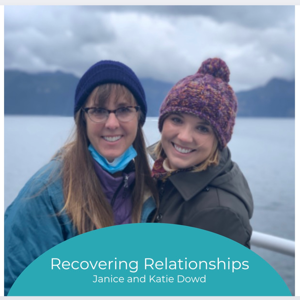
Recovering Relationships is about what happens to relationships when addiction enters the picture, and what it takes to heal them in recovery.
Hosted by Janice Johnson Dowd and Katie…
We explore relationships of all kinds, including partners and spouses, parents and children, siblings, friends, and extended family. Topics include rebuilding trust, setting and respecting boundaries, communication, relapse and the fear of relapse, grief and ambiguous loss, family roles, parenting in recovery, repairing damaged relationships, and learning how to reconnect after years of hurt.
Recovery changes more than the person with a substance use disorder. It changes the entire relationship system. Getting sober may be the beginning, but rebuilding connection, safety, and trust takes time.
Through personal stories and real conversations, Recovering Relationships looks at recovery from both sides: the person in recovery and the people who love them.
Whether you are in recovery yourself, love someone who is, grew up in a family affected by addiction, or are trying to rebuild a relationship after addiction, this podcast is for you.