
Sign up to save your podcasts
Or

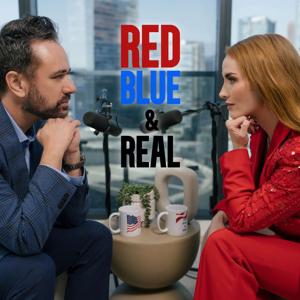


What makes an adaptation feel true to the story—and what makes it feel like a betrayal? Eric Messersmith, Elisha Krauss, and Tiffany Marie Brannon dig into the debate around Greta Gerwig’s The Chronicles of Narnia, exploring how changes to a beloved story can spark arguments about faith, art, and creative interpretation.
The conversation then turns to the New York Times’ list of the 100 best TV shows of the 21st century. The panel weighs in on picks such as Breaking Bad, The Wire, Succession, 30 Rock, The West Wing, and Battlestar Galactica—and debates which shows deserve to be remembered as the defining television of our time.
BONUS: Listen to Elisha rap SNL'a Lazy Sunday "Chronicles of Narnia" song after the credits at the end.
Trump is being true-to-form with his recent FAFO handling of the press. Tiffany Marie Brannon and Eric Messersmith are here to discuss it. From the White House media ban to the fight over free speech, COVID censorship, and the line between viewpoint discrimination and legitimate government authority, this episode gets into the real tension behind the headlines.
Tiffany and Eric spar over whether the media has become too misleading to trust, or whether Trump is using “fake news” as a justification to silence critics. They unpack what the First Amendment actually protects, why precedent matters, and why both sides may be heading toward a future where whoever wins next gets to weaponize the same tools.
Then the conversation turns to Trump’s biggest global gambles - Greenland, Iran, diesel prices, and the mounting pressure on American energy and military power. Tiffany argues Trump’s bold negotiation style is exactly what gets results, while Eric warns that maximalist demands, rushed military action, and executive overreach can leave the U.S. weaker, not stronger.
You’ll hear:
Eric Messersmith argues that Trump is setting precedents that could come back to haunt conservatives later. Tiffany Marie Brannon defends strong tactics, calling out media distortion, and making the case that the left has already rewritten the rules.
If you care about free speech, political power, media bias, foreign policy, or what Trump’s second-term playbook really means for America’s future, this is an essential listen. Sharp, combative, and unexpectedly aligned on the biggest threat of all, this episode leaves you with one question: when the game changes, who actually benefits?
The midterm map is tightening, the money is flooding in, and the real question is not who’s loudest - it’s who can still change minds before Election Day. Eric Messersmith, Elisha Krauss, and Tiffany Marie Brannon break down whether Republicans are headed for a blue wave, a little wave, or a full-on tsunami, and why the answer may already be baked in.
With only 46 days left, this conversation gets into the numbers that actually matter: polling trends, betting odds, the battle for the Senate, and why House races could turn on a handful of districts. The panel also digs into the role of billionaires, super PACs, dark money, and why the airwaves are about to be flooded with millions in campaign spending.
You’ll hear:
* Why Eric thinks Democrats may be on track for a sweep
* Why Elisha argues the party in power usually pays the price in midterms
* Why Tiffany says panic and doom messaging can suppress turnout
* How affordability became the single most powerful political message
* Why door-to-door organizing may still beat expensive media buys
* What the latest Republican voter sentiment shift says about Trump’s influence
The conversation also takes on the deeper stakes behind the headlines - from rising prices and tariffs to Medicaid concerns, culture-war messaging, and the growing frustration with both parties’ hypocrisy on spending and accountability. If you want to understand what’s really driving the midterms, this episode cuts through the spin and gets to the forces that could decide control of Congress.
Essential listening if you follow elections, care about political strategy, or want the clearest read on how the midterms might actually play out.
AI, data centers, and the 2028 race are already colliding - and the outcome could reshape jobs, politics, and even how we think. Elisha Krauss, Tiffany Marie Brannon, and Eric Messersmith break down why the next election may hinge on who can handle artificial intelligence without handing the future to China or the wrong people inside Big Tech.
The conversation starts with a blunt warning: AI is no longer a niche tech story. It is becoming a political fault line, with conservatives, liberals, and industry insiders all landing in strange new alliances over regulation, national security, and the threat of AI shaping everything from the economy to family life. Tiffany brings a deeply skeptical view of AI, sharing how the tools have already changed her work and why she sees serious danger in over-trusting them. Eric pushes the argument toward policy and geopolitics, explaining why this could become one of the defining issues of 2028 and why both parties may be forced to take a stand. Elisha challenges the idea that America can afford to get this wrong, especially as children, schools, and workers are already feeling the effects.
You'll discover:
* Why AI regulation is suddenly a bipartisan fear, even among unlikely allies
* The China factor behind data centers, influencer campaigns, and the race for technological dominance
* How AI is already affecting writing, education, medicine, and attention spans
* Why Trump, Vance, and the broader GOP may be forced into a position that does not age well
* Which potential 2028 candidates actually look strong on paper, and which ones may collapse under pressure
The episode also turns to the Democratic side of the map, with the hosts sizing up Kamala Harris, Gavin Newsom, John Ossoff, Josh Shapiro, and Mark Kelly. Who can actually connect with voters? Who peaks too early? Who looks good in polls but not in a national campaign? And who could survive the brutal mix of personality, media, and ideology that now decides modern presidential politics?
This is not a polite cable-news replay. It is a fast-moving, sharp-edged debate about power, technology, borders, messaging, and the candidates most likely to shape the next era.
If you care about AI, 2028, or where American politics is heading next, this is essential listening.
Los Angeles is heading toward a public safety collision point, and Jamie McBride says the warning signs are already here. The longtime LAPD detective and director of the LA Police Protective League makes the case that homelessness, shoplifting, and rising threat risks are all connected to one thing: whether police are actually allowed to enforce the law.
Hosts Tiffany Marie Brannon and Eric Messersmith sit down with McBride for an unfiltered conversation about the city’s security picture ahead of the 25th anniversary of 9/11, the growing threat of drone-enabled attacks, and why major events like the 2028 Olympics could create a dangerous target. McBride argues that Los Angeles is short more than 1,500 officers, that anti-camping laws are being blocked, and that city leaders are sending the wrong signal to criminals and encampments alike.
You’ll hear McBride break down:
He also explains how LA’s political choices affect everything from sidewalks blocked by encampments to businesses trying to survive, and why he believes the city’s “quality of life” crisis has gone far beyond ideology. If you care about crime, homelessness, the Olympics, or the future of urban policing in LA, this is a blunt, inside-baseball look at what one veteran cop thinks is really happening.
This episode keeps the focus on one big question: is Los Angeles choosing public safety, or just talking about it? Essential listening if you want the argument from someone who has spent 36 years on the inside.
Affordability is the headline issue, but this conversation shows what it looks like on the ground: rising food and labor costs, a broken permitting process, and local policies that can make or break a restaurant. If you care about inflation, small business, or what’s really happening in blue-city politics, this one gets specific fast.
Eric Messersmith and Tiffany Marie Brannon are joined by L.A. native Sean Ahaus, owner of Vito’s Restaurant in Santa Monica, for an unfiltered look at how politics shows up in everyday business decisions. Sean doesn’t just talk theory - he describes the real pressure of razor-thin margins, six-month licensing delays, and the frustration of trying to keep a neighborhood institution alive while vacant storefronts multiply around him.
You’ll discover:
Tiffany and Eric press Sean on beef prices, government inefficiency, overregulation, and the decline of local businesses across Los Angeles-area communities. Sean, who is also a licensed business and restaurant broker, brings firsthand insight into the financial side of restaurants and the practical reasons so many beloved places never make it.
If you want a raw, local perspective on why businesses are closing, why policy feels disconnected from reality, and what it would take to actually help entrepreneurs succeed, this episode belongs on your list.
Essential listening for voters, restaurant owners, business builders, and anyone trying to understand why “affordability” has become so much more than a slogan.
The right is already fracturing ahead of the midterms - and this bonus episode of Red, Blue, and Real shows exactly where the cracks are showing. With just 54 days until Election Day, Eric Messersmith and Tiffany Marie Brannon break down the mood inside the GOP after the party's first-ever midterm convention in Dallas, Trump's marathon speech, and the bigger fight over whether Republicans are united enough to hold power.
Eric and Tiffany do not hold back. They spar over Trump's $5,000 tariff dividend idea, the cost of populist promises, hypocrisy on socialism, and why conservative influencers are suddenly turning on the administration. Along the way, they dig into the messaging battle Republicans need to win, the long-term vs. short-term economic argument, and why China, TikTok, illegal immigration, and judicial activism are shaping the 2026 political landscape.
You'll hear Tiffany explain why the convention felt more energized than expected, why she still thinks Republicans can keep the Senate and House, and why Michigan and Texas are among the races she's watching most closely. Eric pushes back on the rhetoric, fact-checks the talking points, and keeps the conversation anchored in the numbers, the strategy, and the contradictions.
This episode also introduces the show itself: Red, Blue, and Real is built around unfiltered political conversation from different perspectives, with Elisha Krauss joining the lineup going forward. If you want a no-spin preview of the midterms, the GOP's internal tensions, and the arguments shaping the next few months, this is the episode to start with.
Perfect for listeners who want political debate that is sharp, candid, and impossible to ignore.
From the publisher's feed