
Sign up to save your podcasts
Or

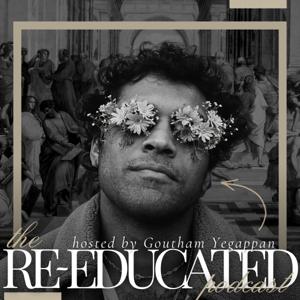


In this heartfelt and thoughtful conversation, restaurateur and breathwork facilitator Miro Komarek reflects on the meaning of presence, slowing down, and creating space—for oneself and for others. We begin with a story of a car accident that forced Miro to pause and reexamine what truly matters. He speaks about the lessons that come when life interrupts our momentum and how moments of stillness can reconnect us to gratitude, relationships, and the simple act of being alive.
The conversation then turns to his journey from growing up in Czechia to managing restaurants in Zurich. Miro describes the restaurant not merely as a place to eat, but as a living space for human connection, a crossroads where people celebrate, heal, and meet each other anew. He explains how good hospitality is less about perfection and more about presence: the awareness of what others need, the courage to be authentic, and the ability to create warmth through attention and care.
In the final section, we explore his work as a breathwork teacher and how he integrates these practices into daily life and leadership. Miro speaks about breath as a bridge between body and mind, a tool for self-regulation, and a way to bring consciousness into the smallest moments of the day. The episode closes with reflections on leadership, education, and the principles that connect his worlds of service, healing, and self-discovery.
Chapters
00:00 – Opening and introduction to Miro Komarek
03:40 – A car accident and the lesson of slowing down
08:15 – Reflection on what truly matters in life
12:20 – Learning to rest before life forces you to
16:00 – The human experience and reframing failure
19:50 – The spirit of Kaleido and finding connection
25:00 – Growing up in Czechia and cultural lessons
30:00 – Education, opportunity, and curiosity
36:10 – Dreams versus desires and the meaning of aspiration
41:30 – Entering the restaurant world and discovering purpose
47:40 – The restaurant as a space for human connection
52:00 – Presence, service, and authentic hospitality
56:20 – Holding space and honoring boundaries
1:00:10 – Awareness of others’ needs and self-care
1:04:30 – Morning rituals, chanting, and reflection
1:08:00 – Discovering breathwork and its origins
1:11:30 – Breath, meditation, and mindful living
1:15:10 – Integrating breathwork into education and leadership
1:19:20 – Principles, compassion, and the art of care
In this deeply reflective episode, we explore the transformative journey of navigating life’s challenges and embracing personal growth. Our guest, Carly Snedeker, a seasoned yoga teacher, shares how her role as a guide for others became a profound avenue for her own self-discovery. From her time teaching yoga at the Kaleido community gathering to her ongoing battle with cancer, she reveals how these pivotal moments have shaped her perspective on purpose, suffering, and joy.
The conversation delves into the importance of finding presence in life’s most difficult moments, including facing mortality and redefining what truly matters. We discuss how societal pressures to control, plan, and perform can disconnect us from our intuition and inner voice. Drawing on themes of emotional healing, spiritual growth, and the wisdom gained through life’s transitions, this episode offers actionable insights on stepping into your role with clarity and acceptance. Whether it’s embracing the stillness of a yoga practice or confronting the inevitability of change, this episode invites listeners to reconnect with their essence and find beauty in the journey.
Join us as we uncover how suffering can lead to joy, how intuition can guide us toward healing, and how life’s most challenging moments can teach us the value of presence and gratitude.
00:00 – Opening and introduction to Carly Snedeker
04:10 – Kaleido and discovering the role of the yoga teacher
09:20 – Living with anxiety and learning to listen
14:30 – Control, uncertainty, and the body’s signals
20:10 – The diagnosis and the shock of mortality
25:00 – Presence in the face of fear
31:15 – Before and after: life divided by cancer
37:40 – Redefining wellness and healing as spiritual practice
44:00 – Breath, embodiment, and the language of intuition
50:30 – Teaching others to listen to themselves
56:40 – On children, awareness, and emotional education
1:02:10 – Death, suffering, and the human condition
1:08:20 – Loneliness, stillness, and sitting with discomfort
1:14:30 – Healing as a lifelong practice
1:20:00 – Gratitude, resilience, and finding beauty in the ordinary
In this episode, we dive into a powerful conversation with Antoinette Vermilye, a passionate advocate for marine conservation and co-founder of the Plastic Free Campus initiative. Antoinette shares her early experiences growing up in Nigeria, where time spent in nature inspired her lifelong commitment to environmental stewardship. From observing fishermen's impact on marine ecosystems to witnessing the growing influence of convenience culture, her story offers a deeply personal lens on the intersection of humanity and nature.
We explore the devastating consequences of plastic pollution, from its impact on marine life and ecosystems to its infiltration of the human food chain through microplastics. Antoinette sheds light on the social justice implications of waste management, emphasizing the need for systemic changes to hold corporations accountable. She also discusses the role of indigenous knowledge in fostering sustainability, the power of education to inspire agency, and innovative alternatives to plastic, such as seaweed-based solutions. This episode offers actionable insights, inspiring listeners to reflect on their relationship with the environment and take steps toward a more sustainable future.
Listeners will come away with a deeper understanding of how individual actions, community engagement, and systemic change can collectively combat the environmental crisis. Whether you’re interested in ocean advocacy, sustainability education, or reducing your plastic footprint, this conversation is sure to spark new ideas and hope for a better future.
(00:00) Introduction to Marine Conservation Advocacy
(02:50) Experiences in Hawaii: Plastic Cleanup and Coral Protection
(06:02) The Importance of Indigenous Knowledge in Conservation
(08:58) Antoinette's Journey: From Nigeria to Marine Conservation
(11:57) Cultural Perspectives on Life and Consumption
(14:56) The Impact of Convenience Culture on Sustainability
(18:11) Balancing Scale and Humanity in Food Production
(20:54) The Role of Agency in Sustainable Choices
(23:51) Mortgaging Our Children's Future: A Call to Action
(27:09) The Concept of Custodianship and Responsibility
(30:00) Vision for a Sustainable Future: Plastic Free Campus
(36:06) The Impact of Plastics on Marine Life
(39:32) Human Health Risks from Plastics
(41:50) Plastic Waste Management and Social Justice
(46:42) Innovations in Plastic Alternatives
(49:43) Individual Actions Against Plastic Consumption
(51:31) The Need for Systemic Change
(55:41) Building Community and Resilience
(01:00:36) Education as a Tool for Change
(01:05:59) Connecting with Nature and Community
In this episode, I sit down with Amna Mawaz Khan, a Pakistani dancer and activist, to explore the intersections of art, activism, and social change. We discuss the challenges she has faced as an activist in Pakistan, delving into the complexities of patriarchy, colonialism, and cultural heritage. Amna shares how art serves as both a tool for expression and a means of repression, reflecting on how cultural preservation can combat societal inequalities while maintaining a deep connection to one’s roots.
Our conversation also navigates the fluidity of gender roles, the burden of masculinity, and the societal constructs that define identity. Amna provides powerful insights into the role of feminism in addressing systemic inequalities and the importance of spiritual growth in the journey toward liberation. Together, we examine how personal and professional lives intersect and why the pendulum of social change often swings between extremes. This episode challenges traditional norms, offering a nuanced perspective on activism, hope amid violence, and the plurality of identity. Whether through teaching, creative expression, or collective action, Amna emphasizes the transformative power of acknowledging intersectionality and fostering collaboration. This is a deeply personal and thought-provoking discussion that underscores the role of art and activism in shaping a more equitable world.
00:00 – Opening and recap of Part 1
04:10 – Art as resistance and remembrance
09:20 – Colonial legacies and the politics of censorship
14:30 – Partition, identity, and the inheritance of silence
31:00 – Finding freedom through movement and vulnerability
37:25 – Community, mentorship, and collective creation
43:40 – The emotional labor of activism
50:10 – Feminism, art, and the power of witness
56:30 – The artist’s responsibility in turbulent times
1:02:10 – Spirituality, devotion, and the sacred in performance
1:09:00 – Love as a form of courage
1:15:30 – Building a future for South Asian arts education
1:22:10 – Remembering through rhythm: art as continuity
1:27:40 – Closing reflections on mortality and meaning
1:31:04 – Farewell and end credits
In this episode, I sit down with Amna Mawaz Khan to reflect on our experiences at the Kaleido Retreat in Switzerland a gathering that brought together professionals from diverse backgrounds to explore sustainability, collaboration, and personal growth. We dive into Amna’s personal journey from Pakistan to Germany, her background in South Asian dance, and her workshop at the retreat, where art and healing intersected in powerful ways. Together, we discuss the unique challenges of balancing control and letting go, as well as the profound connections between our intellectual, interpersonal, and external lives.
Amna shares her thoughts on the power of art as both a tool of rebellion and a mechanism of control, unpacking the psychological and societal impact of music and dance. We explore the co-opting of traditional art forms by those in power and how these dynamics play out in shaping culture and consent. Our conversation also touches on themes of liberation, non-violent chaos, and the importance of finding balance in both personal and collective peace.
Throughout the episode, we reflect on the role of passion, not just finding it but embodying i,t and how collaboration and intentionality can foster a deeper connection to oneself and others. Whether you're passionate about dance, activism, or personal development, this conversation offers a thoughtful exploration of how art, education, and community can drive meaningful change.
00:00 – Opening and introduction to Amna Mawaz Khan
04:10 – The spirit of Kaleido and finding connection
09:30 – Climate, privilege, and responsibility
14:00 – The emotional and intellectual impact of Kaleido
19:50 – Early life in Pakistan and discovering dance
25:10 – Learning under Indu Mitha and the power of mentorship
30:40 – Class, privilege, and cultural contradictions
36:20 – The history of Kathak and Bharatanatyam in Pakistan
41:00 – Dance as defiance in a policed society
46:10 – Finding language and freedom through movement
51:40 – The politics of high culture and appropriation
57:10 – How art becomes both control and resistance
1:02:00 – Passion, discipline, and the balance of control and release
1:06:14 – Closing reflections and preview of Part 2
In today's episode, it's another solo session! In September 2024, I attended a conference in Switzerland focused on Peace and Liberation. It was one of the most fascinating experiences I've ever had—a week spent with an incredibly diverse group of academics, policymakers, technologists, artists, and scientists. This conference shattered the typical expectations of an academic gathering and encouraged us to connect with one another on a human level.
This episode kicks off a new season where I’ll be interviewing many of the amazing people I met there. I hope you enjoy it!
In this episode, I sit down with Daud Jalal, a remarkable individual whose life has been shaped by profound transitions—from growing up in a refugee camp in Pakistan to contributing policy insights in Washington, D.C. Daud shares his journey through a world of shifting borders, complex political landscapes, and cultural richness. We explore how his early education in Pakistan, steeped in liberal values, laid the foundation for his aspirations, even as it contrasted sharply with the realities of his peers and the upheavals he later witnessed in Afghanistan.
Daud reflects on the struggles and beauty of belonging, the mercies inherent in Afghan culture, and the challenges of finding balance in an individualistic society like the United States. We also delve into his time at Georgetown University, where his studies in public policy reshaped his understanding of governance, structure, and the role of art and monuments in healing collective trauma. Throughout our conversation, Daud's perspective offers a compelling lens on resilience, the intersection of community and individuality, and the ways in which human connections can transcend even the most entrenched divides.
In this episode, I sit down with Pragathi Guruprasad, a multi-talented artist and entrepreneur who first rose to fame on the Indian reality show Super Singer. Born in Singapore and raised in Fremont, California, Pragathi shares her experiences of growing up in a highly competitive environment while navigating the duality of being deeply rooted in her Tamil heritage and thriving in the United States. She opens up about how her journey to fame wasn’t just about the spotlight—it was about understanding identity, resilience, and rediscovering joy in her craft.
We discuss the pressures and joys of competing on Super Singer as a teenager and how her success set the foundation for a multifaceted career in music, acting, and entrepreneurship. Pragathi also reflects on the complexities of fame, the importance of reconnecting with purpose, and the unexpected lessons she learned during the pandemic that helped her rediscover her love for singing. Beyond the arts, we delve into her latest entrepreneurial venture, Soma Ayurvedic, a fragrance house inspired by the timeless traditions of Ayurveda.
This conversation offers an inspiring look at how Pragathi balances ambition with self-awareness, builds bridges between two vibrant cultures, and embraces the challenges of an unconventional path. Whether you're an aspiring artist, entrepreneur, or simply curious about the intersection of identity and creativity, this episode will leave you inspired and introspective.
Chapters:
(00:00) Introduction to Pragati Guruprasad
(02:31) Cultural Identity and Upbringing
(08:02) The Journey into Music
(10:24) Finding Passion in Music
(13:22) The Spiritual Experience of Singing
(15:22) The Impact of Super Singer
(20:30) Navigating Competition and Pressure
(24:11) Reflections on Loss and Success
(30:50) Navigating Fame and Identity
(35:46) The Merging of Two Worlds
(38:09) Social Responsibility in Entertainment
(41:29) Finding Balance in Messaging
(43:56) The Challenge of Metrics in Creativity
(45:36) Entrepreneurship and Ayurveda
(49:41) The Journey of Unconventional Paths
(50:48) Confidence and Courage in Pursuits
(53:09) Navigating Jealousy and Envy
(55:56) Finding Grounding in Purpose
(58:36) Advice for Unconventional Paths
In this episode, I spoke with Dr. Joseph Devlin, a professor of cognitive neuroscience. We dive into a wide-ranging discussion about the nature of intelligence, how the brain works, and the role of personal experience in shaping learning. We explore the nuanced relationship between the brain and the body, particularly how our physical reactions influence our emotions and thoughts. Together, we tackle the often-misused term "smart" in education, emphasizing the need to shift focus from labels to individual effort and growth. We also take a look at how emotional regulation and cognitive development shape the learning process and why early experiences play such a pivotal role in how we understand and navigate the world.
We go deeper into the interplay between learning, memory, and mastery, discussing how learning is not just about retention but involves a complex network of neural connections that shift and adapt over time. Drawing inspiration from the book Mastery and the intellectual rigor behind sports like tennis, we examine how constant effort and recognition are key to mastering any skill. The conversation also touches on the importance of personalizing education to accommodate different learning styles, recognizing that intelligence is multifaceted and constantly evolving. Whether you're interested in the brain's workings, the concept of intelligence, or the future of education, this episode will provide rich insights into how we grow, learn, and redefine what it means to be "smart."
00:00 – Opening and introduction to Dr. Joseph Devlin
04:10 – Defining intelligence and questioning IQ
09:00 – How the brain changes through learning
14:30 – From artificial to natural intelligence
19:10 – Emotion, body, and the making of feeling
24:00 – The amygdala, fear, and regulation
29:30 – Learning, memory, and neuroplasticity
34:40 – Stories as empathy and emotional learning
40:20 – The social shaping of intelligence
45:30 – What “smart” really means in education
50:10 – Teaching with the brain in mind
55:20 – Difference, empathy, and political dialogue
59:58 – Closing reflections and end credits
In this episode, I sit down with Andrew Kornder, a high school student whose curiosity and passion for learning have been a constant source of inspiration. Over the last five years, I’ve had the privilege of working with Andrew and witnessing his unique approach to exploring the world. From discovering the beauty of mathematics through channels like 3Blue1Brown to diving into self-guided learning on topics ranging from coding to history, Andrew embodies the spirit of lifelong curiosity.
We delve into his experiences navigating traditional education, including the limitations of rote learning and the struggles of online schooling. Andrew shares how his fascination with abstract thinking—whether through solving Project Euler problems or questioning why math works the way it does—has fueled his passion for understanding the world. We also explore broader themes like the role of the internet in education, generational perspectives on social and political issues, and how young people are grappling with overwhelming global challenges like climate change and political instability.
This conversation is a thoughtful reflection on the power of curiosity, the flaws in modern education systems, and how individuals can reclaim their passion for learning in a noisy world. Whether you’re a student, an educator, or simply someone curious about what drives us to explore, this episode offers insights that will inspire and challenge you to think differently.
Chapters:
(00:00) Introduction to Andrew's Journey
(03:01) The Spark of Curiosity
(06:05) The Impact of 3Blue1Brown
(09:08) Early Fascination with Math
(11:55) Critique of Math Education
(15:01) Rethinking Math Curriculum
(18:03) The Role of the Internet in Learning
(20:52) The Future of Education
(23:56) Conclusion and Reflections
(31:06) The Value of Wikipedia and Online Resources
(32:24) Transitioning from Traditional to Online Schooling
(34:39) The Importance of Physical School Environments
(35:20) Generational Perspectives on Education and Anxiety
(36:42) Impact of the Pandemic on Education
(39:10) Role Models and Trust Issues in Modern Society
(43:29) Political Instability and Youth Awareness
(45:39) Navigating Overwhelming Global Issues
(48:44) Empowering Youth Through Education
(51:36) The Importance of Respectful Communication in Education
(56:25) Maintaining Passion for Learning
(59:29) Reflections on Growth and Future Potential
From the publisher's feed