
Sign up to save your podcasts
Or



Following the conclusion of long-running X-Men and Spider-Man programs that dominated Saturday morning TV ratings during the early-to-mid 1990's, the Fox network commissioned Saban to adapt other Marvel properties to replace them. Among them was The Silver Surfer, starring a spacefaring wanderer with a psychedelic aesthetic, thematic ties to medieval folklore, and an enduring cult audience. The show, which earned solid ratings but was still canceled after one season due to Saban's financial struggles and Marvel's bankruptcy issues, drew heavily from the style of comics artist Jack Kirby and the ponderous melodrama of comics writer/editor Stan Lee. It also borrowed many concepts and characters from writer/artist Jim Starlin, including Gamora, Drax, Thanos, and other figures that are now household names due to the Marvel movies.
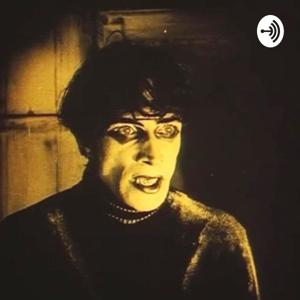
Ryan picked a still image of Cesare for Reel Deep Dive's thumbnail, so it was only a matter of time before The Cabinet Of Dr. Caligari was the subject of an episode. The first German Expressionist film and one of the most influential works in the history of cinema, The Cabinet Of Dr. Caligari is noteworthy for the psychological allegories in its set dressing, the story's antiauthoritarian bent, and for (possibly) being the first movie to have a twist ending.
Megamind was a moderately successful film, but it was buried during an especially competitive year for family-friendly animated films. Tangled, Toy Story 3, How To Train Your Dragon, Shrek Forever After, The Secret World Of Arriety, and Despicable Me also came out in 2010; so yeah, Megamind isn't even the only family-friendly animated film of 2010 to feature a supervillain as its protagonist. Even among cartoon nerds, this movie is frequently overlooked.
Fed up with the studio executives at Disney, Don Bluth struck out on his own with this 1982 feature, a loose adaptation of Robert C. O'Brien's 1971 children's book 'Mrs. Frisby and the Rats of NIMH'. While a financial disappointment upon its initial release, The Secret Of NIMH found a growing cult audience on home video and is now considered one of the finest animated films of its period. It is noteworthy for its ambitious storytelling, mature tone, maternal subtext, supernatural underpinnings, and the jaw-dropping quality of its animation. It is also frequently argued that The Secret Of NIMH, as well as follow-up projects like An American Tale (1986) and The Land Before Time (1988), spurred Disney out of its complacency and led to its Renaissance period in the 90's.
One of the quintessential romantic comedies, When Harry Met Sally follows its titular characters through a twelve year period where their prickly acquaintance gradually evolves into a close friendship and ultimately a marriage. This film either established or popularized a great number of tropes that are associated with romcoms; it's not an overstatement to label When Harry Met Sally as one of the most imitated American films ever made.
Widely considered one of the worst movies ever made, Robot Monster is a post-apocalyptic science fiction film that centers upon a small family straining to evade an alien invader driven to exterminate the last vestiges of the human race. Shot over a few days with a shoestring budget, Robot Monster is notable for its hacky editing, sloppy use of dinosaur stock footage, amateurish acting, an "alien communication device" that's merely a bubble machine, and a villain whose costume is a homemade gorilla suit coupled with a Halloween store space helmet.
Following the success of 1979's The Muppet Movie (and the final season of the television show), Jim Henson and his team dialed up their ambitions for the next installment in the franchise. Just about every aspect of The Muppet Movie that people liked was brought back, except bigger and bolder. Did you enjoy the numerous celebrity cameos? Well, here are even more of those. Did you like all the running gags and groaner puns? There's an endless barrage of that sort of thing in this movie. Were you impressed with how they got Kermit to ride a bike in that first movie? Well, take a look at a whole bunch of puppets riding bikes for an elaborate musical number in this movie.
Reel Deep Dive returns to the world of Batman with the character's first feature film (if you don't count the awful 1940's serials, which get a passing mention). Ryan is joined by Cheryl as they discuss the Dynamic Duo's efforts to foil a wicked plot by Joker, Penguin, Riddler, and Catwoman to dehydrate ambassadors of the (not quite) United Nations into colorful powder and then ransom them for a billion dollars. Shark repellent, ball-point bananas, cartoonish Russian accents, and the inability to dispose of explosives are touched upon along the way.
Often considered one of the few bright spots during a particularly inauspicious creative rut in Disney's history, The Rescuers marked a key transitional phase of the company's evolution. The Rescuers is the last Disney animated film to feature significant contributions from any of the Nine Old Men, the core animators from the studio's golden era. The Rescuers is also the first Disney animated film to feature significant contributions from animators who'd be important to the Disney Renaissance period that'd begin with 1989's The Little Mermaid. The Rescuers is also the only Disney animated film to have Don Bluth as a credited animation director; his decision to acrimoniously split from Disney and start a competing animation studio was reached while working on this movie.
Reel Deep Dive returns to the filmography of John Carpenter and Debra Hill with this supernatural horror film. Set in a sleepy coastal city in the midst of its centennial festivities, The Fog's action centers upon a group of vengeful ghosts who sweep into the community under the cover of a glowing fog and exact vengeance for the deliberate shipwreck that killed them upon the city's founding. It features an ensemble cast headlined by Adrienne Barbeau, Jamie Lee Curtis, Tom Atkins, Janet Leigh, and Hal Holbrook.
From the publisher's feed