
Sign up to save your podcasts
Or

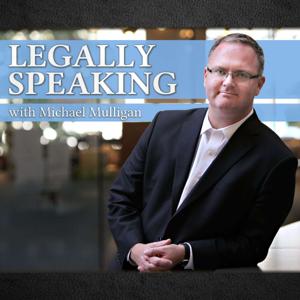

A will that looks proper on paper can still fall apart under real scrutiny. We walk through a striking Court of Appeal decision where a 92‑year‑old’s revised will took 18 nieces and nephews from life‑changing inheritances to token gifts, while siblings stood to gain over a million each. The key isn’t drama; it’s doctrine. When circumstances around a will raise well‑grounded suspicion—undue influence, unclear capacity, or radical shifts without explanation—the usual presumption of validity drops away, and the burden flips to the person pushing the will to prove it’s sound.
We unpack how that burden‑shifting works, why “residue” can hide huge sums, and what evidence is needed to show the testator actually understood the size and consequences of their choices. You’ll hear how earlier documents, contradictory statements, and who drafted instructions can become powerful facts. In the end, the appellate court restored the original 2001 will, returning substantial shares to the nieces and nephews and offering a roadmap for spotting red flags in estate planning.
Then we change gears to civil costs in British Columbia. A neighbour dispute over excavation damage led to a modest award in the Supreme Court, raising hard questions about forum selection, mitigation duties, and how costs can swing based on strategy and behaviour. One twist: the self‑represented plaintiffs relied on AI, which produced fake case citations. Thankfully, counsel caught the hallucinations immediately, but there were still cost consequences—and a clear lesson. Use AI as a starting point, never an authority. Verify every citation on CanLII, read the full text, and note up decisions to see what the law is today, not yesterday.
If you care about clean estate planning, sound litigation strategy, and staying safe with legal tech, this conversation is your checklist. Subscribe, share with someone who needs it, and leave a quick review to help others find the show. What part challenged your assumptions most?
Follow this link for a transcript of the show and links to the cases discussed.
 View all episodes
 By Michael Mulligan
5
11 ratings
A will that looks proper on paper can still fall apart under real scrutiny. We walk through a striking Court of Appeal decision where a 92‑year‑old’s revised will took 18 nieces and nephews from life‑changing inheritances to token gifts, while siblings stood to gain over a million each. The key isn’t drama; it’s doctrine. When circumstances around a will raise well‑grounded suspicion—undue influence, unclear capacity, or radical shifts without explanation—the usual presumption of validity drops away, and the burden flips to the person pushing the will to prove it’s sound.
We unpack how that burden‑shifting works, why “residue” can hide huge sums, and what evidence is needed to show the testator actually understood the size and consequences of their choices. You’ll hear how earlier documents, contradictory statements, and who drafted instructions can become powerful facts. In the end, the appellate court restored the original 2001 will, returning substantial shares to the nieces and nephews and offering a roadmap for spotting red flags in estate planning.
Then we change gears to civil costs in British Columbia. A neighbour dispute over excavation damage led to a modest award in the Supreme Court, raising hard questions about forum selection, mitigation duties, and how costs can swing based on strategy and behaviour. One twist: the self‑represented plaintiffs relied on AI, which produced fake case citations. Thankfully, counsel caught the hallucinations immediately, but there were still cost consequences—and a clear lesson. Use AI as a starting point, never an authority. Verify every citation on CanLII, read the full text, and note up decisions to see what the law is today, not yesterday.
If you care about clean estate planning, sound litigation strategy, and staying safe with legal tech, this conversation is your checklist. Subscribe, share with someone who needs it, and leave a quick review to help others find the show. What part challenged your assumptions most?
Follow this link for a transcript of the show and links to the cases discussed.
430 Listeners
385 Listeners

204 Listeners
201 Listeners
72 Listeners

39 Listeners
68 Listeners
103 Listeners
82 Listeners
419 Listeners

47 Listeners
113 Listeners

8,450 Listeners

31 Listeners

48 Listeners