
Sign up to save your podcasts
Or



Send us Fan Mail
Trauma doesn’t end just because we’ve learned how to function. Susan Snow knows that firsthand, and she shares the moment a “normal day” cracked open years of buried pain when live coverage of the Columbine shootings triggered flashbacks to the night her LAPD detective father was killed. What follows is an honest look at PTSD, suicidal ideation, and the exhausting cost of wearing a mask, especially for law enforcement families and anyone shaped by first responder culture.
We talk about the lie of the “geographical cure” and why relocating, staying busy, or forcing yourself to be tough can’t outpace a dysregulated nervous system. Susan walks us through what finally changed when she found trauma-informed therapy that felt safe. Hearing “you have PTSD” initially shocked her, but it also gave her hope because it reframed her symptoms as normal responses to abnormal events, not personal failure. We dig into why healing has no timeline, why vulnerability is non-negotiable, and how the goal shifts from surviving to actually living.
You’ll also hear practical, field-tested coping tools that helped Susan regain stability one step at a time: journaling to improve sleep, box breathing and breathwork for nervous system regulation, trying different modalities without quitting, and eventually being introduced to EMDR. Along the way, we challenge the checkbox approach to mental health support in departments and make space for real conversations that include spouses, kids, and the ripple effects of the job.
You can reach Susan via her website at https://www.traumatalksbysusansnow.com
or on Facebook at: facebook.com/traumatalksbysusansnow
She is also on Instagram at: susan_snow1
and Youtube at: Traumatalksbysusansnow
Support the show
YouTube Channel For The Podcast
Send us Fan Mail
A single phone call can split your life into “before” and “after” and for police families, that split often happens in public. We sit down with Susan Snow, author of The Other Side of the Gun: My Journey from Trauma to Resiliency, to talk about what it meant to lose her father, an LAPD robbery-homicide detective, in a planned assassination on Halloween night in 1985. Susan takes us back to the confusion, the flashing lights, the media swarm, and the gut-punch of feeling invisible as a teenager while everyone focuses on what comes next.
From there, we get honest about the long tail of trauma: panic attacks, deep depression, suicidal ideation, and the way grief can lock your body into fight, flight, or freeze for years. Susan also shares a hard lesson about support systems that look good on paper but miss the point in practice, including therapy that isn’t trauma-informed and leaves you believing you’re “fine” when you’re falling apart. We unpack the emotional mask so many people wear and how people pleasing becomes a survival strategy that quietly breaks relationships and self-trust.
We also zoom out to the bigger mission of first responder mental health: if agencies want real resilience, they have to support spouses, partners, and kids, not just the badge.
Subscribe for the next part of Susan’s story, share this with someone who loves a first responder, and leave a review so more families find the support they deserve.
You can reach Susan via her website at https://www.traumatalksbysusansnow.com
or on Facebook at: facebook.com/traumatalksbysusansnow
She is also on Instagram at: susan_snow1
and Youtube at: Traumatalksbysusansnow
Support the show
YouTube Channel For The Podcast
Send us Fan Mail
A retired police K9 can survive ten thousand searches and still be taken down by one ordinary day. Chris joins me to tell the story of Tambo, the working dog who powered through years of wear and tear, only to face a sudden medical emergency that no handler is ever ready for: a ruptured spleen mass, internal bleeding, and the terrifying words “he might not make it.” We unpack what that moment looks like in real time, how fast decisions have to be made, and why hemangiosarcoma is known as one of the most brutal “silent killer” cancers in dogs.
From there, the conversation expands into the reality of life after service for retired police dogs and military working dogs. We talk ACL tears, the importance of treating K9s like the elite athletes they are, and the financial shock that can follow retirement. We also highlight the impact of Project Canine Hero, the national nonprofit that stepped in to fund critical surgeries and chemotherapy, turning a hopeless situation into more time, more memories, and a bigger mission.
Tambo’s fight becomes a catalyst for something deeper: Chris’s transition into fatherhood at 47, the stress and uncertainty of IVF, and a hard-earned lesson that strength and emotional availability can coexist, especially in first responder culture. We go into forgiveness, breaking generational cycles, and the way a dog’s battle unexpectedly helps heal a decades-old wound between father and son. Chris also shares his book, Defying The Odds: The Canine Tambo Story, a children’s book version for young readers, and the unique soundtrack he created to bring the chapters to life.
If you care about first responder mental health, resilience, retired K9 care, or you just need a true story that refuses to quit, hit subscribe, share this with someone who needs hope, and leave a review so more listeners can find it.
Support the show
YouTube Channel For The Podcast
Send us Fan Mail
A dog that “can’t bond with anyone” sits in a kennel, passed over by handler after handler, until one leader recognizes something painfully familiar in those guarded eyes. We’re joined by Chris Bingham, a veteran law enforcement officer and longtime K9 handler, to talk about the kind of first responder mental health story that doesn’t get enough airtime: abandonment, mentorship, grief, and the deep need to belong.
Chris takes us back to growing up without a consistent father figure, how that absence can harden trust, and why animals can feel safer than people when you’re carrying old wounds. From there, we follow the moments that shaped his career in policing and canine units, including the mentors who built his confidence through tough love and high standards. We also sit with the losses that change you, including losing K9 partners to cancer and the sudden death of a mentor who filled a father role.
Then we meet Tambo, Chris’s retired canine partner, currently going through chemotherapy. We unpack what real K9 partnership looks like beyond the highlight reel: routine, repetition, consistency, and the skill of reading change of behavior in detection work. Chris also shares a powerful truth for every first responder: your emotional state travels down the lead, and learning to regulate yourself is part of protecting your partner and doing the job well. (Update: Unfortunately, Tambo passed away in September 2026, prior to the release of this podcast episode)
Visit their Instagram: @k9_tambo
Go vote for Tambo in memoriam at American Humane Hero Dog Award at https://www.americanhumane.org/hero-dog/tambo/
You can buy Chris' book at this address: https://www.amazon.com/Defying-Odds-K9-Tambo-Story-ebook/dp/B0HDM7NZKL?ref_=ast_author_mpb
If you care about police wellness, K9 teams, leadership, and resilience after loss, this conversation will stick with you. Subscribe, share this with someone who needs it, and leave a review so more first responders can find the show.
Support the show
YouTube Channel For The Podcast
Send us Fan Mail
The hardest part of first responder mental health is not admitting trauma exists, it is admitting it counts when it happens to you. In part 2 of the interview, Steve Bisson sits down with Dana DeLorenzo to talk about the pressure points that quietly push police officers, dispatchers, and other first responders toward PTSD, burnout, and early retirement, especially when the culture still rewards silence.
We get specific about what women in law enforcement deal with that often gets minimized: microaggressions, sexualized comments, assumptions about competence or sexuality, and the exhausting expectation to “prove yourself” while staying unbothered. Dana shares how those daily stressors combine with operational trauma and how the “good old boys club” can turn support into scrutiny, making it harder to report problems or ask for help early.
From there, we zoom out to systems that shape wellness, including dispatch and the tradeoffs of regionalization. We talk about why local knowledge matters, why “How are you?” has to be a real question, and how leaders can prevent crisis by normalizing confidential care, vetted clinicians, and routine wellness visits. We also confront a fear many don’t say out loud: if getting help means losing your gun, your overtime, or your livelihood, people will wait until they’re in real danger.
To Reach Dana, go to her LinkedIn account at this address: https://www.linkedin.com/in/dana-delorenzo-84916a379?utm_source=share_via&utm_content=profile&utm_medium=member_android
You can email her at: mailto:[email protected]
If you care about police mental health, first responder wellness, suicide prevention, and building a healthier culture from the inside, this one is for you. Subscribe, share this with someone who leads a shift, and leave a review so more first responders can find the support they deserve.
Support the show
YouTube Channel For The Podcast
Send us Fan Mail
A police officer who becomes a therapist sounds like a plot twist, but it’s also a rare window into what first responder mental health really needs. We’re joined by Dana DeLorenzo, a retired transit police officer and now licensed mental health counselor, and we get honest about how the work changes you. Not the dramatic moments the public sees, but the daily accumulation: the stress, the cynicism that creeps in, and the reflex to say “I’m fine” even when you’re not.
We talk about Dana’s path through dispatch, university policing, and years in transit, and why dispatchers are often the most overlooked part of the public safety system. The calls are frantic, the information has to be translated instantly, and the lack of closure can stick for years. We also dig into why so many first responders reject recognition, feel uncomfortable with the word “hero,” and minimize service even when the job clearly asks for sacrifice.
From there, we zoom out to the deeper drivers: ACEs (adverse childhood experiences), unresolved trauma, PTSD versus “post-traumatic stress” language, and why naming symptoms can be the first step toward healing. We explore the idea that people rarely break from the first hard call, but from the 27th one they never processed, plus how concepts like complex PTSD and EMDR’s “little T” and “big T” framework can help make sense of it.
To Reach Dana, go to her LinkedIn account at this address: https://www.linkedin.com/in/dana-delorenzo-84916a379?utm_source=share_via&utm_content=profile&utm_medium=member_android
You can email her at: mailto:[email protected]
If this conversation hits home, subscribe, share it with someone on your shift, and leave a review so more first responders can find support sooner rather than later.
Support the show
YouTube Channel For The Podcast
Send us Fan Mail
The calls that keep coming back aren’t always “police problems” they’re often people problems that never got solved. I’m joined by Amanda Rizzoli, clinical program coordinator with Milford Police Department in Massachusetts’ Family Services Unit and Community Impact, plus Detective Cody Carneiro, to pull back the curtain on what a Family Services Unit actually does day to day and why it can change outcomes for families and first responders alike.
We talk about the “merry-go-round” every officer knows: the same address, the same conflict, the same crisis, and the same short-term fix. Amanda and Cody explain how the unit focuses on root-cause work across mental health, substance use, domestic violence, runaway youth, and family instability. That means connecting people to the right behavioral health care, outpatient therapy, case management, housing applications, shelter options, and ongoing follow-up so a single incident doesn’t turn into a pattern.
We also get into the bigger picture of community-based policing and co-response models: how school-based relationships help kids feel safe reaching out, how clinicians and officers support each other on tough scenes, and how partnerships like Community Impact and Chris’s Corner create real options when a town is trying to help someone who is homeless or stuck in a revolving door of crisis calls.
Then we go where it matters most: first responder mental health stigma. We talk candidly about the fear of being seen as weak, the worry about fit-for-duty judgments, and why leadership support can make or break whether people get help. If you’ve ever wondered what actually works to move a “ten years on” veteran toward support, we share the simplest answer: start with a real conversation and make mental health a normal checkup, not a career risk.
Support the show
YouTube Channel For The Podcast
Send us Fan Mail
The hardest part of getting help in public safety is not finding resources, it’s knowing who you can trust when the stakes are your career, your reputation, and your sanity. We pick up part two with employment attorney Bridget Truxillo to talk candidly about where union support shines, where conflicts of interest can quietly derail you, and why an outside employment law perspective can be the difference between getting steamrolled and getting a fair process.
We dig into the nuts and bolts that too many first responders never get taught: reading your policies, protecting your rights in internal affairs investigations, and understanding how body worn camera policy can shape what you’re allowed to review before an interview. Bridget also shares how real change can happen long before a lawsuit, including putting agencies on notice and forcing policy updates that protect an entire department, not just one person. If you work for a government employer, we also talk about why suing the government is different and why strategy matters.
From there, we connect the legal side directly to first responder mental health. We unpack why confidentiality is the lifeblood of therapy and employee assistance programs, what questions to ask a therapist about privacy, and how stigma still shows up in hiring decisions and leadership culture. The thread running through everything is simple: asking for help is not weakness, it’s how you stay in the fight without losing yourself.
You can find Bridget at https://ladylawshield.com/about-us
If you got something from this conversation, subscribe, share it with a coworker, and leave a review so more first responders can find it when they need it.
Support the show
YouTube Channel For The Podcast
Send us Fan Mail
A career can end without a single bad call. Sometimes it’s the station politics, the paper trail, and the quiet retaliation that do the damage and it can hit your mental health just as hard as anything on the street. I sit down with Bridget Truxillo, an attorney, former deputy sheriff, and former SWAT team member, to talk about what happens when the workplace becomes the stressor you can’t escape. Her story runs from patrol to undercover narcotics to SWAT, and then straight into the kind of employment problems most first responders hope they’ll never face.
We get specific about what it’s like being the only woman in a specialty unit, how “equal standards” can turn into unequal scrutiny, and how a culture of write-ups and rumors can push someone out of a job they once saw as a lifelong calling. Bridget shares why she built Lady Law Shield, and why she treats career protection as part of a larger first responder wellness plan. We also talk about trust and confidentiality, and why privileged communication matters when you’re afraid that speaking up will come back to you.
Then we dig into the practical side: unions versus employment lawyers, what unions usually handle well, and where they typically cannot help with discrimination, harassment, or retaliation claims. Bridget breaks down why reporting in writing matters, how strict EEOC and state deadlines can be, and why waiting too long can permanently limit your options. If you’re in law enforcement, fire, EMS, corrections, or dispatch and work is starting to feel consuming, this conversation gives you a clear next step and a way to breathe again.
Find Bridget at LadyLawShield.com, and if this helps, subscribe, share the episode with a teammate, and leave a review so more first responders can find it.
You can find Bridget at https://ladylawshield.com/about-us
Support the show
YouTube Channel For The Podcast
Send us Fan Mail
The fastest way to miss someone in pain is to only believe the “approved” version of distress. We sit down with Liana Lucine, a former UK London Met police officer and trainer, to unpack how stereotypes shape everything from mental health calls to workplace culture and even how we label victims. When anxiety, depression, grief, or trauma don’t match the mental picture we expect, the response can turn into dismissal, jokes, or silence and that’s where risk grows for first responders and the people we serve.
We talk about how depression can look different across genders, why anger and outbursts can be a red flag, and why trauma sometimes shows up as numbness or a blank face rather than tears. Liana shares insight from seeing victims navigate high-pressure environments, and we connect that to common coping tools like dissociation and memory gaps. We also get into the hard truth about recovery: timing matters. Mandatory debriefs or forced “early therapy” may feel supportive on paper, but they can remove choice and backfire when someone isn’t ready.
From EMDR to peer support to flexible options that respect autonomy, we make the case for systems that protect organizations without sacrificing the individual. We also spotlight Liana’s work on male victims of sexual assault and harassment, the stigma that keeps men quiet, and how gendered language in training can harm everyone by boxing people into roles they never chose. If you care about first responder mental health, PTSD prevention, and better leadership, this conversation offers a clear next step: slow down, challenge the assumption, and ask one more honest question.
Subscribe, share this with a coworker, and leave a review so more first responders can find practical, human support when it counts.
Buy her book at https://www.amazon.com/dp/B0GZDWFTG8?lv=shuf&channelId=500&plpRedirect=mhFallback
You can find her on her website at https://lucinetraining.co.uk or
YouTube at https://www.youtube.com/@LucineTraining
and on Instagram at https://www.instagram.com/lucinetraining/
Support the show
YouTube Channel For The Podcast
From the publisher's feed
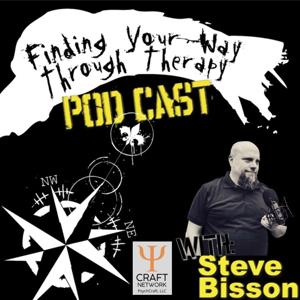
Discover practical resilience strategies that transform lives. Join Steve Bisson, licensed mental health counselor, as he guides first responders, leaders, and trauma survivors through actionable…
• Help you on your healing journey
Each week, join our community towards better mental health and turn your challenges into opportunities for growth with Resilience Development in Action.