
Sign up to save your podcasts
Or

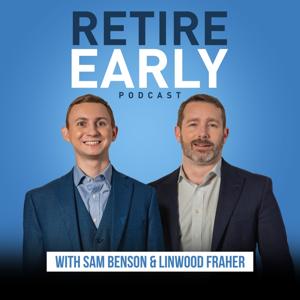


In this episode of the Retire Early Podcast, financial advisors and retirement planners Sam Benson & Linwood Fraher of Martin Wealth Solutions discuss one of the biggest financial decisions many retirees will ever make: what to do with a pension.
Sam and Linwood explain why pension elections deserve careful analysis and how rushing the decision can create long-term consequences. They walk through the pros and cons of lump sum payouts versus monthly income options, survivor benefit choices, tax considerations, and how pensions fit into an overall retirement income strategy.
This episode helps listeners understand the key factors to evaluate before making a pension decision — and how to avoid costly mistakes that can impact retirement for decades.
http://retirewithmartin.com/ ← Learn about working with us
www.planwellretirehappy.com
00:00 Introduction to today’s topic
Opinions expressed herein are solely those of Martin Wealth Solutions, unless otherwise specifically cited. Material presented is believed to be from reliable sources, but no representations are made by our firm as to another parties’ informational accuracy or completeness. Content provided herein is for informational purposes only and should not be used or construed as investment advice or a recommendation regarding the purchase or sale of any security. There is no guarantee that any statements, opinions or forecasts provided herein will prove to be correct. All information or ideas provided should be discussed in detail with an advisor, accountant or legal counsel prior to implementation. Past performance may not be indicative of future results. Indices are not available for direct investment. Any investor who attempts to mimic the performance of an index would incur fees and expenses which would reduce returns. Securities investing involves risk, including the potential for loss of principal. There is no assurance that any investment plan or strategy will be successful.
In this episode of the Retire Early Podcast, financial advisors and retirement planners Sam Benson & Linwood Fraher of Martin Wealth Solutions tackle an important — and often overlooked — question: how much of your wealth will your heirs actually receive?
Sam and Linwood explain that the number you see on your account statement is rarely what ultimately gets passed on. They walk through how taxes, fees, timing, account types, and estate planning decisions can significantly impact what beneficiaries inherit.
This episode helps listeners understand the hidden factors that can reduce an inheritance — and what steps can be taken now to ensure more of your wealth reaches the people you intend it for.
http://retirewithmartin.com/ ← Learn about working with us
www.planwellretirehappy.com
00:00 Introduction to today’s topic
Opinions expressed herein are solely those of Martin Wealth Solutions, unless otherwise specifically cited. Material presented is believed to be from reliable sources, but no representations are made by our firm as to another parties’ informational accuracy or completeness. Content provided herein is for informational purposes only and should not be used or construed as investment advice or a recommendation regarding the purchase or sale of any security. There is no guarantee that any statements, opinions or forecasts provided herein will prove to be correct. All information or ideas provided should be discussed in detail with an advisor, accountant or legal counsel prior to implementation. Past performance may not be indicative of future results. Indices are not available for direct investment. Any investor who attempts to mimic the performance of an index would incur fees and expenses which would reduce returns. Securities investing involves risk, including the potential for loss of principal. There is no assurance that any investment plan or strategy will be successful.
In this episode of the Retire Early Podcast, financial advisors and retirement planners Sam Benson & Linwood Fraher of Martin Wealth Solutions tackle a common question for those nearing or entering early retirement: If you’ve already built significant savings, do you still need life insurance?
Sam and Linwood explain that the answer isn’t always straightforward. They walk through how life insurance needs evolve over time and depend on factors like income replacement, debt, legacy goals, tax considerations, and overall financial independence.
This episode helps listeners think through when life insurance may still serve a purpose — and when it may no longer be necessary — so they can make a more informed and intentional decision.
http://retirewithmartin.com/ ← Learn about working with us
www.planwellretirehappy.com
00:00 Introduction to today’s topic
Opinions expressed herein are solely those of Martin Wealth Solutions, unless otherwise specifically cited. Material presented is believed to be from reliable sources, but no representations are made by our firm as to another parties’ informational accuracy or completeness. Content provided herein is for informational purposes only and should not be used or construed as investment advice or a recommendation regarding the purchase or sale of any security. There is no guarantee that any statements, opinions or forecasts provided herein will prove to be correct. All information or ideas provided should be discussed in detail with an advisor, accountant or legal counsel prior to implementation. Past performance may not be indicative of future results. Indices are not available for direct investment. Any investor who attempts to mimic the performance of an index would incur fees and expenses which would reduce returns. Securities investing involves risk, including the potential for loss of principal. There is no assurance that any investment plan or strategy will be successful.
In this episode of the Retire Early Podcast, financial advisors and retirement planners Sam Benson & Linwood Fraher of Martin Wealth Solutions break down four key habits they consistently see among individuals who successfully retire early.
Sam and Linwood explain that building wealth for early retirement isn’t about luck or timing — it’s about consistent behaviors and disciplined decision-making over time. They walk through habits like goal setting, regularly reviewing your financial “GPS,” diversification, and maintaining composure during market volatility.
This episode provides a simple framework listeners can apply to build momentum, stay on track, and improve their chances of reaching early retirement with confidence.
http://retirewithmartin.com/ ← Learn about working with us
www.planwellretirehappy.com
00:00 Introduction to today’s topic
Opinions expressed herein are solely those of Martin Wealth Solutions, unless otherwise specifically cited. Material presented is believed to be from reliable sources, but no representations are made by our firm as to another parties’ informational accuracy or completeness. Content provided herein is for informational purposes only and should not be used or construed as investment advice or a recommendation regarding the purchase or sale of any security. There is no guarantee that any statements, opinions or forecasts provided herein will prove to be correct. All information or ideas provided should be discussed in detail with an advisor, accountant or legal counsel prior to implementation. Past performance may not be indicative of future results. Indices are not available for direct investment. Any investor who attempts to mimic the performance of an index would incur fees and expenses which would reduce returns. Securities investing involves risk, including the potential for loss of principal. There is no assurance that any investment plan or strategy will be successful.
In this episode of the Retire Early Podcast, financial advisors and retirement planners Sam Benson & Linwood Fraher of Martin Wealth Solutions discuss six important questions that can make a meaningful difference for both your retirement plan and your family’s future.
Sam and Linwood explain that retirement planning isn’t just about numbers — it’s also about clarity, communication, and preparation. They walk through key questions related to estate planning, financial organization, healthcare decisions, and legacy intentions, helping listeners ensure their families are not left guessing during critical moments.
This episode highlights how asking the right questions now can reduce stress, avoid confusion, and create a smoother transition for loved ones down the road.
http://retirewithmartin.com/ ← Learn about working with us
www.planwellretirehappy.com
00:00 Introduction to today’s topic
Opinions expressed herein are solely those of Martin Wealth Solutions, unless otherwise specifically cited. Material presented is believed to be from reliable sources, but no representations are made by our firm as to another parties’ informational accuracy or completeness. Content provided herein is for informational purposes only and should not be used or construed as investment advice or a recommendation regarding the purchase or sale of any security. There is no guarantee that any statements, opinions or forecasts provided herein will prove to be correct. All information or ideas provided should be discussed in detail with an advisor, accountant or legal counsel prior to implementation. Past performance may not be indicative of future results. Indices are not available for direct investment. Any investor who attempts to mimic the performance of an index would incur fees and expenses which would reduce returns. Securities investing involves risk, including the potential for loss of principal. There is no assurance that any investment plan or strategy will be successful.
In this episode of the Retire Early Podcast, financial advisors and retirement planners Sam Benson & Linwood Fraher of Martin Wealth Solutions discuss a risk that can quietly derail even well-built retirement plans: large, unexpected expenses.
Sam and Linwood explain how one-time costs — like home repairs, healthcare events, helping family members, or major purchases — can create significant strain on a retirement portfolio if not properly planned for. They walk through how these expenses differ from regular monthly spending and why they require a separate planning approach.
This episode provides practical strategies for preparing for large expenses, maintaining flexibility, and protecting long-term retirement sustainability — especially for those pursuing early retirement.
http://retirewithmartin.com/ ← Learn about working with us
www.planwellretirehappy.com
00:00 Introduction to today’s topic
Opinions expressed herein are solely those of Martin Wealth Solutions, unless otherwise specifically cited. Material presented is believed to be from reliable sources, but no representations are made by our firm as to another parties’ informational accuracy or completeness. Content provided herein is for informational purposes only and should not be used or construed as investment advice or a recommendation regarding the purchase or sale of any security. There is no guarantee that any statements, opinions or forecasts provided herein will prove to be correct. All information or ideas provided should be discussed in detail with an advisor, accountant or legal counsel prior to implementation. Past performance may not be indicative of future results. Indices are not available for direct investment. Any investor who attempts to mimic the performance of an index would incur fees and expenses which would reduce returns. Securities investing involves risk, including the potential for loss of principal. There is no assurance that any investment plan or strategy will be successful.
In this episode of the Retire Early Podcast, financial advisors and retirement planners Sam Benson & Linwood Fraher of Martin Wealth Solutions walk through a practical tax planning checklist designed specifically for those pursuing early retirement.
Sam and Linwood explain that taxes don’t stop in retirement — and without a plan, they can quietly become one of the largest expenses you face. They break down key areas to evaluate, including withdrawal sequencing, account types, Social Security timing, and Medicare-related tax impacts.
This episode provides a simple, actionable framework to help listeners stay proactive, avoid surprises, and build a more tax-efficient retirement strategy.
http://retirewithmartin.com/ ← Learn about working with us
www.planwellretirehappy.com
00:00 Introduction to today’s topic
Opinions expressed herein are solely those of Martin Wealth Solutions, unless otherwise specifically cited. Material presented is believed to be from reliable sources, but no representations are made by our firm as to another parties’ informational accuracy or completeness. Content provided herein is for informational purposes only and should not be used or construed as investment advice or a recommendation regarding the purchase or sale of any security. There is no guarantee that any statements, opinions or forecasts provided herein will prove to be correct. All information or ideas provided should be discussed in detail with an advisor, accountant or legal counsel prior to implementation. Past performance may not be indicative of future results. Indices are not available for direct investment. Any investor who attempts to mimic the performance of an index would incur fees and expenses which would reduce returns. Securities investing involves risk, including the potential for loss of principal. There is no assurance that any investment plan or strategy will be successful.
In this episode of the Retire Early Podcast, financial advisors and retirement planners Sam Benson & Linwood Fraher of Martin Wealth Solutions break down some of the most common — and costly — tax traps retirees and pre-retirees face.
Sam and Linwood explain how taxes don’t disappear in retirement — they simply change form. They walk through how poorly timed withdrawals, lack of tax diversification, and misunderstandings around Social Security and Medicare can lead to higher-than-expected tax bills.
This episode highlights practical strategies to help listeners stay proactive, coordinate income sources efficiently, and avoid unnecessary tax drag so they can keep more of what they’ve worked hard to build.
http://retirewithmartin.com/ ← Learn about working with us
www.planwellretirehappy.com
00:00 Introduction to today’s topic
Opinions expressed herein are solely those of Martin Wealth Solutions, unless otherwise specifically cited. Material presented is believed to be from reliable sources, but no representations are made by our firm as to another parties’ informational accuracy or completeness. Content provided herein is for informational purposes only and should not be used or construed as investment advice or a recommendation regarding the purchase or sale of any security. There is no guarantee that any statements, opinions or forecasts provided herein will prove to be correct. All information or ideas provided should be discussed in detail with an advisor, accountant or legal counsel prior to implementation. Past performance may not be indicative of future results. Indices are not available for direct investment. Any investor who attempts to mimic the performance of an index would incur fees and expenses which would reduce returns. Securities investing involves risk, including the potential for loss of principal. There is no assurance that any investment plan or strategy will be successful.
In this episode of the Retire Early Podcast, financial advisors and retirement planners Sam Benson & Linwood Fraher of Martin Wealth Solutions discuss one of the biggest fears people have as retirement approaches: what happens if the market crashes right before you retire?
Sam and Linwood explain how market downturns can affect retirement timing, income planning, and long-term portfolio sustainability. They walk through the concept of sequence of returns risk, why market declines early in retirement can have a disproportionate impact, and how thoughtful planning can help reduce the potential damage.
This episode highlights strategies that can help retirees prepare for volatility — including diversification, income planning, and building flexibility into a retirement plan — so that market downturns don’t derail long-term goals.
http://retirewithmartin.com/ ← Learn about working with us
www.planwellretirehappy.com
00:00 Introduction to Today’s Episode
Opinions expressed herein are solely those of Martin Wealth Solutions, unless otherwise specifically cited. Material presented is believed to be from reliable sources, but no representations are made by our firm as to another parties’ informational accuracy or completeness. Content provided herein is for informational purposes only and should not be used or construed as investment advice or a recommendation regarding the purchase or sale of any security. There is no guarantee that any statements, opinions or forecasts provided herein will prove to be correct. All information or ideas provided should be discussed in detail with an advisor, accountant or legal counsel prior to implementation. Past performance may not be indicative of future results. Indices are not available for direct investment. Any investor who attempts to mimic the performance of an index would incur fees and expenses which would reduce returns. Securities investing involves risk, including the potential for loss of principal. There is no assurance that any investment plan or strategy will be successful.
In this episode of the Retire Early Podcast, financial advisors and retirement planners Sam Benson & Linwood Fraher of Martin Wealth Solutions discuss why the empty nest stage of life can become a powerful turning point for retirement planning.
With children grown and major expenses beginning to fade, many households suddenly gain new financial flexibility. Sam and Linwood explore how this stage presents an opportunity to accelerate retirement savings, eliminate lingering debt, refine long-term goals, and potentially bring an early retirement timeline closer to reality.
They also explain how lifestyle changes, housing decisions, and intentional financial planning during the empty-nest years can dramatically impact retirement outcomes. For those approaching or already experiencing this life transition, this episode highlights how to turn newfound freedom into long-term financial opportunity.
http://retirewithmartin.com/ ← Learn about working with us
www.planwellretirehappy.com
00:00 Introduction: The empty nest transition
Opinions expressed herein are solely those of Martin Wealth Solutions, unless otherwise specifically cited. Material presented is believed to be from reliable sources, but no representations are made by our firm as to another parties’ informational accuracy or completeness. Content provided herein is for informational purposes only and should not be used or construed as investment advice or a recommendation regarding the purchase or sale of any security. There is no guarantee that any statements, opinions or forecasts provided herein will prove to be correct. All information or ideas provided should be discussed in detail with an advisor, accountant or legal counsel prior to implementation. Past performance may not be indicative of future results. Indices are not available for direct investment. Any investor who attempts to mimic the performance of an index would incur fees and expenses which would reduce returns. Securities investing involves risk, including the potential for loss of principal. There is no assurance that any investment plan or strategy will be successful.
From the publisher's feed
Ranked by our users in the last 21 days