
Sign up to save your podcasts
Or

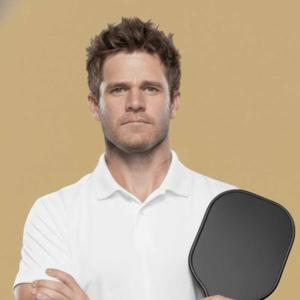


Eight months ago, I had my rectum and anus removed and made my colostomy permanent.
Before surgery, severe fistulizing Crohn’s had reduced ordinary life to pain, planning, and constantly figuring out where I could sit or how quickly I could leave.
Today, my ostomy takes up remarkably little space in my head.
For World Ostomy Day, this episode is about what a permanent colostomy actually looks like in my life, why I chose surgery, and the ordinary things I can do again that still feel incredible.
Subscribe to The Short List
robnunnery.substack.com/subscribe
My Stealth Belt picks
stealthbelt.org/pages/robs-picks
Promo code: ROBN
By the Time I Feel It, I’m Already Behind
This week I got a pretty brutal reminder of something I already know: with an ostomy, I can’t wait until I feel dehydrated to start taking hydration seriously.
After playing padel in unusually humid conditions, I found myself dizzy, lightheaded, cramping and eventually sitting on the floor of a mall bathroom while my ostomy was filling with liquid output.
Four days later, I’m still working my way back.
In this episode, I talk about how hydration has changed since getting an ostomy, why I have to be proactive even when I feel completely fine, and why being sick this week reminded me of the original problem I’m trying to solve with Flexara.
Links
Subscribe to The Short Listhttps://robnunnery.substack.com/subscribe
Flexara HealthI’m building a simple hydration product for people like me who need to take hydration seriously and want fewer unnecessary ingredients.https://flexara.com
Stealth BeltI wear a Stealth Belt every day to support and protect my ostomy. My picks are here:https://stealthbelt.org/pages/robs-picks
Promo code: ROBN
For years, almost every plan I made depended on how my body felt that day.
In this week’s episode, I go back to a trip to Shenzhen at the end of 2025, the decision to have my rectum removed, the first walks I took after surgery, and a conversation with Kelly Slater that came back to me once I started learning golf.
It’s about what happens when you spend years unable to confidently rely on your own body, and how strange it feels when ordinary things start becoming dependable again.
Subscribe to The Short List:https://robnunnery.substack.com/subscribe
Stealth Belt:https://stealthbelt.org/pages/robs-picksPromo code: ROBN
Follow Rob:@robnunnery
Flexara Hydration :
flexara.com
There Is No Practice Court
Pickleball gave me a simple way to understand improvement: practice, compete, find the weakness, go home and work on it.
Building Flexara has been harder for me to understand because everything feels live. Every email, piece of content, dollar spent and eventually every sale produces a result.
This week I’m writing about trying to transfer the obsessive part of myself that built a professional pickleball career into something where I’m still figuring out what practice even looks like.
Links
Subscribe to The Short List:robnunnery.substack.com/subscribe
Flexara Health waitlist:flexara.com
My Stealth Belt picks:stealthbelt.org/pages/robs-picksPromo code: ROBN
2019 Journey to Pro:First IG Post
667 Boxes:robnunnery.substack.com/p/667-boxes
Minimum Viable Happiness
This week, I’m finally explaining where the name The Short List came from.
I make an actual Short List every morning. The idea started after years of dealing with Crohn’s, fatigue, surgeries, and recovery, when I had to get more realistic about the difference between what my brain wanted to accomplish and what my body actually had available.
The question is simple:
If these were the only things I got done today, would I still be happy with the day?
I keep adding to the list until the answer is yes.
Some days that means building Flexara, creating something, exercising, or getting important work done. Other days, getting through one appointment might be plenty.
In this episode, I talk about where the system came from, how I use it now, and why deciding what a good day looks like before the day starts has helped me manage work, chronic illness, recovery, and the rest of life.
Links
Subscribe to The Short Listrobnunnery.substack.com/subscribe
FlexaraI’m building hydration for people with sensitive guts. Join the waitlist:flexara.com
Stealth BeltI wear a Stealth Belt basically every day with my ostomy. You can see the ones I use here:stealthbelt.org/pages/robs-picks
Promo code: ROBN
This Week in South Africa 🇿🇦
Apparently a gas station here is called a garage.
An actual garage is also called a garage.
I’m still working through that one.
Say hi
If this episode got you thinking about your own Short List, leave a comment on the newsletter or reply and tell me what’s on yours today.
667 Boxes
This week on The Short List, I’m talking about what it actually means for me to decide.
Flexara is officially in its first production run. The deposit is paid, ingredients are being ordered, and 667 boxes are coming.
I’ve created products before. Some worked. Plenty didn’t. Looking back, the difference usually wasn’t whether I spent money or put some effort into them. It was whether I ever made the internal decision that I was going to make them work.
In this episode, I get into those past failures, the times that decision changed my life, what professional pickleball taught me about mastery, and why I’m trying to apply the same mindset to building Flexara.
I also talk about a four-part framework for becoming world-class that I learned years ago from Craig Clemens:
Immersion. Application. Mentorship. Time.
And, as always, there’s a little bit of life in South Africa at the end.
Links
Read and subscribe to The Short Listhttps://robnunnery.substack.com/subscribe
Follow Flexarahttps://flexara.com
Stealth Belt: Rob’s Pickshttps://stealthbelt.org/pages/robs-picksPromo code: ROBN
Fail On podcasthttps://open.spotify.com/show/1autxSJIKGZ4a8DClfBq7O
This week, I’m talking about what happened after I pulled something in my calf during a second padel session of the day.
At first, I was just pissed. I’ve spent most of my professional pickleball career dealing with some combination of injuries, surgeries, Crohn’s, fistulas, and pain. Sometimes I still have those moments where I zoom out and think, how the f**k did all of this happen?
But driving home, I noticed something different.
There’s no tournament this weekend.
I don’t have to practice tomorrow. I’m not losing money because I need a few days off. I can ice my leg, let it heal, and go play golf while it settles down.
That realization surprised me.
In this episode, I talk about my relationship with exercise and mental health, why I kept playing through some of the hardest years of Crohn’s, and what it feels like to still love competing without asking my body to survive a professional schedule anymore.
I also get into this week’s South Africa discovery: springbok, the actual animal. Apparently knowing the Springboks were a rugby team did not qualify as sufficient preparation for moving here.
Links from this episode
Subscribe to The Short List:https://robnunnery.substack.com/subscribe
Stealth Belt:https://stealthbelt.org/pages/robs-picksUse promo code ROBN
I wear my Stealth Belt every day, including for pickleball, padel, golf, and everyday life with my ostomy.
Watch springbok pronking:https://www.youtube.com/watch?v=jMIiB9DnRXg
Flexara:https://flexara.com
If you’re interested in the hydration product I’m building, joining the waitlist would mean a lot to me.
A Lot at Once
This week feels a little scattered because life feels a little scattered.
We brought home an eight-week-old golden retriever named Babu, who is somehow equal parts sweetheart and terrorist. Flexara is getting closer to production. My knee is finally calming down. My ostomy gave me something new to keep an eye on. And mentally, I’ve been in one of those stretches where motivation is harder to find even though a lot of things in my life are genuinely good.
I also talk about my marriage to Danélle, why moving quickly made sense to me after everything my body has been through, and why I seem to function best once I fully commit to a path.
There isn’t one clean lesson in this episode. It’s just where my head is this week.
Links
Subscribe to The Short Listhttps://robnunnery.substack.com/subscribe
Flexara HydrationWe’re getting very close to production. If you want to follow along or join the waitlist:https://flexara.com
Stealth BeltI wear mine every day and especially when I’m active. You can see the ones I use here:https://stealthbelt.org/pages/robs-picks
Promo code: ROBN
-----------------
In this episode
- Bringing home Babu, our eight-week-old golden retriever
- Watching a puppy experience everything for the first time
- Flexara moving from formulation into packaging and production
- Why the next eight weeks suddenly feel very real
- A few new changes around my stoma that I’m keeping an eye on
- Living in South Africa while my health insurance is still in the United States
- Feeling low even when life around me is good
- Falling out of my therapy routine
- Knowing what helps my mental health and still struggling to consistently do it
- Why Danélle and I were comfortable moving quickly in our relationship
- The clarity I had after surgery and turning 41
- Why commitment and having one clear direction tend to work well for me
- Building a business and a life after professional pickleball
And the mystery of how anyone receives an actual letter in South Africa when nobody seems to have a mailbox
Mostly It's Reps
This week I'm talking about golf, padel, a swollen knee, and something I've noticed about how I seem to learn.
For me, it usually starts with reps.
Enough reps turn into patterns.
Once I start seeing patterns, I usually start getting better.
That process has followed me through tennis, pickleball, golf, padel, and now building Flexara. The part I'm still figuring out is whether that same process holds true when the stakes get a lot bigger.
I hope you enjoy this week's edition of The Short List.
📬 Subscribe to The Short List
Every Friday I publish one personal essay about life after Crohn's disease, living with an ostomy, sports, moving to South Africa, building Flexara, relationships, and whatever I couldn't stop thinking about that week.
I'd love to have you join us.
https://robnunnery.substack.com/subscribe
💧 Follow the Flexara Journey
Flexara is the hydration company I've been building over the past year for people with sensitive stomachs.
We're finally preparing for our first production run after months of refining the formula, and I'd genuinely love to have you along for the journey.
If you're interested, it would mean a lot if you joined the waitlist.
https://flexara.com
❤️ This Episode is Sponsored by Stealth Belt
I wear a Stealth Belt every single day.
Whether I'm playing golf, on the padel court, traveling, or just living everyday life, it's become part of my routine to the point that I rarely think about my ostomy anymore.
If you're looking for an ostomy belt, it's the one I personally use and recommend.
Shop my picks here:
https://stealthbelt.org/pages/robs-picks
Use promo code ROBN at checkout.
🇿🇦 Mentioned in this Episode
Kingswood Golf Estate in George, South Africa
The Outeniqua Mountains
Padel
Flexara Hydration
Stealth Belt
Crohn's disease
Living with an ostomy
Fun South Africa fact from this week:
Danélle once told me to "turn left at the robot."
I spent an embarrassing amount of time looking for an actual robot.
She meant the traffic light.
Apparently traffic lights are called "robots" in South Africa.
I'm still getting used to that one.
Thanks for spending part of your day with me.
If this episode made you think of someone, I'd really appreciate it if you'd send it to them.
Word of mouth is how The Short List grows, and it means more than you know.
I’m writing this from a hammock. The mountains are out in the distance. The golf course is quiet. Our dog is asleep on the patio. Danélle’s inside getting ready. I played padel this morning, stopped to buy flowers and a birthday gift on the way home, and we’ll head to a family birthday a little later.
It’s a pretty ordinary Saturday. There’s nowhere else I’d rather be.
Something happened while I was playing padel this morning. It had nothing to do with padel.
After a couple of good points, my brain immediately started doing what it’s always done.
How good can I get?
I wasn’t thinking about the match anymore. I was thinking about practice, who I’d need to train with, what parts of my game would need the most work, how quickly I could improve.
I’ve spent most of my life asking that question. It’s what took me into professional pickleball. It isn’t enough for me to enjoy something. I want to see how good I can become.
I loved that life. I loved walking onto a court knowing I belonged there. I loved the silence before the first serve when everything else disappeared. I loved being completely locked in. I loved championship Sunday. I loved solving problems in the middle of a match. I loved winning.
I’m incredibly grateful I got to experience all of it. Very few people ever do.
I’d do it all again.
The part that hurts is that I still love it. I don’t want the life that comes with it anymore.
For the last four years, every setback led to the same question.
How fast can I get back?
When I woke up after my colostomy in February 2025, I wasn’t lying there thinking about what had just happened to my body.
I was thinking about Dubai.
The tournament was in May.
How long until I could get on court again?
How do I travel internationally with an ostomy?
How do I train without getting a hernia?
How many supplies do I need?
Could I still compete?
My brain immediately found the next problem to solve.
Looking back, that’s how I got through almost everything.
I dealt with whatever was directly in front of me.
Then I dealt with whatever came next.
One surgery became another recovery.
One recovery became another comeback.
This week I recorded a couple of podcasts about the last four years. For a few hours, I talked about the surgeries, the hospitals, the setbacks, and everything else that happened.
Afterward, I realized something.
I don’t think I understood how hard those years were while I was living them.
I was too busy trying to get back.
I never asked what I was trying to get back to.
South Africa has been the first place where life has slowed down enough for another question to show up.
Do I even want to go back?
That answer surprised me.
I still think the same way.
I still want to know how good I can become, and I hope that never changes.
That part of me built a career I never dreamed I’d have. It’s helped me through surgeries. It’s helped me rebuild my life more than once.
I don’t want to lose that part of myself.
What I’m trying to change is where I let it lead me.
This afternoon I played padel, bought flowers, bought a birthday gift, came home, climbed into a hammock, kissed my wife and looked at the mountains for a while.
I stayed there.
-rn
From the publisher's feed