
Sign up to save your podcasts
Or



Send us Fan Mail
🎙️Show Notes
Summary
Spring often promises more energy — longer days, more light, a sense of renewal.
And yet, many people experience the opposite.
You might feel slower, heavier, less motivated… even your yoga practice can feel harder to begin.
In this episode, I explore why this happens through the lens of Ayurveda — and how the qualities of Kapha season (earth and water) influence both body and mind.
More importantly, I’ll walk you through simple, practical shifts you can bring into your yoga practice to feel lighter, clearer, and more energised again.
This isn’t about doing more.
It’s about doing things differently — in a way that works with the season, not against it.
Key Takeaways
Chapters
00:00 Why Spring Can Feel Heavy
01:10 Understanding Kapha Season
03:20 Why Your Yoga Practice Feels Different
06:30 Simple Shifts to Rebalance Your Energy
10:30 What Starts to Shift
12:00 Keep It Simple: Spring Yoga Recap
Keywords
Ayurveda, spring yoga, Kapha dosha, seasonal living, yoga for energy, sluggishness in spring, Ayurvedic lifestyle, yoga and seasons, energy and motivation, daily rhythm
Resources
🌿 Free Guide
5 Quick Ayurvedic Fixes to Move from Scattered to Steady
→ https://pages.zestforyoga.com/5-ayurvedic-shifts
🌿 Live Session
When Rest Isn’t Enough
→ https://www.zestforyoga.com/events/stress-less-live-more-live-workshop
🌿 Read the full blog post
→ https://www.zestforyoga.com/blog/spring-yoga-guide
🌿 Explore more
https://www.zestforyoga.com/
Sound Bites
🎁 Get my free guide: 5 Daily Ayurvedic Shifts to Feel Like Yourself Again
Practical tips to feel calmer, clearer, and more like yourself — without overhauling your life.
👉 GET THE FREE GUIDE HERE
🎙️ Rooted in the Seasons is created by Katja Patel at Zest for Yoga & Ayurveda.
Explore more episodes at zestforyoga.com/podcast
Send us Fan Mail
🎙️Show Notes
SummaryStress doesn’t affect everyone in the same way. In this episode, we explore how Ayurveda explains different stress responses through the doshas — and what actually helps.
In this episode, Katja Patel explores how stress often follows recognisable patterns linked to the three Ayurvedic doshas: Vata, Pitta, and Kapha. You’ll learn how to identify your own stress response and support your nervous system through simple practices like breath, movement, and daily rhythm.
stress, Ayurveda, dosha, Vata stress, Pitta stress, Kapha stress, nervous system regulation, breathwork, daily rhythm, resilience
"Rhythm, not rules, supports resilience."
"Stress isn’t random — it follows patterns."
Full blog post if you prefer reading:
Understand Your Stress Pattern: How Each Dosha Responds to StressDownload my free guide here
5 Quick Ayurvedic Fixes: Move from Scattered to Steady
If you recognise yourself in these patterns, it may not simply be a matter of trying harder to relax.
Often what’s missing is a steady rhythm that allows the nervous system to settle again.
This is exactly what we explore in my live workshop, When Rest Is Not Enough — Find Your Rhythm Again, where we look at how small daily rhythms can restore calm and clarity.
🎁 Get my free guide: 5 Daily Ayurvedic Shifts to Feel Like Yourself Again
Practical tips to feel calmer, clearer, and more like yourself — without overhauling your life.
👉 GET THE FREE GUIDE HERE
🎙️ Rooted in the Seasons is created by Katja Patel at Zest for Yoga & Ayurveda.
Explore more episodes at zestforyoga.com/podcast
Send us Fan Mail
🎙️Show Notes
Summary
In this episode of Rooted in the Seasons, Katja Patel explores why the transition from winter to spring can leave the body feeling heavy, sluggish, or congested.
From an Ayurvedic perspective, this is linked to Kapha accumulating during winter and becoming more noticeable as temperatures rise.
Katja shares five familiar kitchen herbs and spices — black pepper, ginger, turmeric, cinnamon, and thyme — that help stimulate digestion, reduce congestion, and gently restore lightness and energy during the spring season.
She also explains how herbs can be combined with anupana (carriers) like honey and why Ayurveda traditionally recommends a gentle spring cleanse to support digestion during this seasonal transition.
Ayurveda
spring digestion
Kapha season
seasonal living
Ayurvedic herbs
spices for digestion
spring congestion
natural digestive support
Why Spring Makes You Feel Heavy — and 5 Ayurvedic Herbs That Help
5 Ayurvedic Herbs and Spices That Bring Lightness Back in Spring
00:00 Welcome and seasonal context
01:10 Why spring can feel heavy or sluggish
03:00 Five Ayurvedic herbs and spices for spring digestion
09:30 Using honey as an anupana
11:45 Why Ayurveda recommends a spring cleanse
13:20 Key takeaways
14:00 Closing
Resources
🎁 Get my free guide: 5 Daily Ayurvedic Shifts to Feel Like Yourself Again
Practical tips to feel calmer, clearer, and more like yourself — without overhauling your life.
👉 GET THE FREE GUIDE HERE
🎙️ Rooted in the Seasons is created by Katja Patel at Zest for Yoga & Ayurveda.
Explore more episodes at zestforyoga.com/podcast
Send us Fan Mail
🎙️Show Notes
SummarySpring is Kapha season in Ayurveda — and that can bring heaviness, puffiness, congestion, and lower motivation.
In this episode, I explain why these changes happen and how understanding Kapha can help you work with the season instead of pushing against it.
We explore:
• why Kapha naturally rises in spring
• why symptoms like sluggish digestion, fluid retention or allergies may appear
• how warm, spiced foods support digestion
• why movement and daily rhythm help restore energy
If you’ve ever wondered why spring sometimes feels heavier rather than lighter, this episode will help you understand what your body may be asking for.
KeywordsAyurveda, Kapha dosha, Kapha season, Ayurveda spring health, seasonal living, Ayurvedic diet, spring detox Ayurveda, Kapha imbalance, Ayurveda for beginners
Key Topics"Spring doesn't always make us feel lighter. Sometimes it makes us feel heavier."
"Kapha gives stability and resilience — but in spring it can also feel like stagnation."
"Warm food and movement melt Kapha."
"Kapha either accumulates… or it moves."
00:00 Why Spring Can Make You Feel Heavy
Introduction to Ayurveda and the idea of Kapha season.
01:04 What Kapha Dosha Is and Why It Rises in Spring
Understanding Kapha qualities and how seasonal changes affect the body.
08:55 How to Balance Kapha with Food and Lifestyle
Warm meals, spices, movement and simple daily shifts.
14:09 Working With the Season Instead of Against It
Why rhythm and seasonal awareness support energy and wellbeing.
Resources mentioned in this episode
Kapha Dosha Explained (blog post)
🎁 Get my free guide: 5 Daily Ayurvedic Shifts to Feel Like Yourself Again
Practical tips to feel calmer, clearer, and more like yourself — without overhauling your life.
👉 GET THE FREE GUIDE HERE
🎙️ Rooted in the Seasons is created by Katja Patel at Zest for Yoga & Ayurveda.
Explore more episodes at zestforyoga.com/podcast
Send us Fan Mail
🎙Show Notes
Summary
You crawl into bed exhausted… and your mind starts pacing.
If you’re tired but can’t sleep — waking at 3am, replaying conversations, mentally organising tomorrow — this episode is for you.
In this conversation, I explore sleep through an Ayurvedic lens and explain why sleep struggles are rarely random. They often reflect rhythm — how you eat, work, wind down, and move through your day.
We’ll explore:
This isn’t about perfection or strict routines.
It’s about rebuilding sleep gently — through steady, supportive rhythms that tell your body it’s safe to rest.
If sleep has been feeling fragile, you’ll find links in the show notes to deeper support inside Stress Less, Live More, as well as my Ayurvedic sleep masterclass.
Small, steady changes matter.
Keywords
Ayurvedic sleep, women and sleep, Vata insomnia, Pitta second wind, waking at 3am, nervous system and sleep, evening routine for better sleep, stress and sleep patterns, Ayurveda for modern women, rebuilding rhythm
Chapters
00:00 Introduction to Sleep and Modern Life
02:19 Understanding Sleep from an Ayurvedic Perspective
07:53 The Connection Between Sleep and Daily Rhythm
12:16 Practical Steps to Improve Sleep Quality
Sound Bites
“I just want to sleep.”
“Sleep isn’t fixed at night.”
“Sleep is foundational.”
“Sleep returns when safety returns.”
Explore further:
✨ Ready to shape your rhythm?
If you’d like support building a daily rhythm in a structured way, join us inside the monthly Stress Less – The Rhythm Workshop.
🎁 Get my free guide: 5 Daily Ayurvedic Shifts to Feel Like Yourself Again
Practical tips to feel calmer, clearer, and more like yourself — without overhauling your life.
👉 GET THE FREE GUIDE HERE
🎙️ Rooted in the Seasons is created by Katja Patel at Zest for Yoga & Ayurveda.
Explore more episodes at zestforyoga.com/podcast
Send us Fan Mail
🎙️Show Notes
Keywords
Ayurveda, daily rhythm, women’s health, nervous system regulation, hormonal balance, digestion and circadian rhythm, stress and depletion, lifestyle rhythm, seasonal living, restorative routines, energy and resilience
Summary
In this episode of Rooted in the Seasons, Katja Patel explores why so many women feel drained even when their lives look full and meaningful. Rather than focusing on workload alone, she looks at the deeper role daily rhythm plays in nervous system regulation, digestion, hormonal balance, and overall well-being.
Drawing on Ayurvedic wisdom and modern circadian science, Katja explains how predictability signals safety to the body and why fragmented routines quietly deplete energy over time. She shares simple, practical ways to restore rhythm — especially through small morning and evening rituals — and invites listeners to reflect on how their own daily patterns might be shaping how they feel.
This episode is a gentle reminder that you may not need a different life — just a rhythm that supports you.
Takeaways
Sound Bites
"You chose this life — and you value it."
"Predictability signals safety."
"Think rhythm, not rules."
"Small, steady changes matter."
"You don’t need a different life — you need a rhythm your body can trust."
Chapters
00:00 Welcome to Rooted in the Seasons
01:05 Living a Full Life — But Feeling Drained
02:45 The Rhythm We’ve Lost
04:50 Why Predictability Signals Safety
06:40 Digestion, Hormones & Circadian Timing
08:20 The Power of Morning and Evening Rituals
10:00 Shaping a Rhythm That Supports You
11:30 Closing Reflections
🌿 Explore further:
✨ Ready to shape your rhythm?
If you’d like support building daily rhythm in a structured way, join us inside the monthly Stress Less – The Rhythm Workshop.
🎁 Get my free guide: 5 Daily Ayurvedic Shifts to Feel Like Yourself Again
Practical tips to feel calmer, clearer, and more like yourself — without overhauling your life.
👉 GET THE FREE GUIDE HERE
🎙️ Rooted in the Seasons is created by Katja Patel at Zest for Yoga & Ayurveda.
Explore more episodes at zestforyoga.com/podcast
Send us Fan Mail
🎙️Show Notes
Keyword
meal planning for busy women, mental load, decision fatigue, nervous system support, Ayurveda for everyday life, daily rhythm, stress reduction, family meal planning, gentle structure, healthy routines without rigidity
Several listeners have reached out saying this podcast put words to something they’ve been feeling for a while.
If that’s you too, I’ve created a Stress Less Workshop with simple practices to help you feel more settled and supported day to day.
In this episode of Rooted in the Seasons, Katja Patel explores why the question “What’s for dinner?” can feel so draining — and how gentle meal planning can reduce mental load and support the nervous system.
Drawing on personal experience and Ayurvedic wisdom, Katja reframes meal planning not as discipline or perfection, but as rhythm and support. She shares practical, flexible strategies — from involving family to online grocery ordering — and explains why a meal plan should be a reference point, not a rigid rule.
This episode is for anyone who feels mentally blocked by food decisions at the end of the day and wants a calmer, more sustainable way to nourish themselves and their family.
Takeaways
Sound Bites
Chapters
00:00 Introduction to Meal Planning and Mental Load
04:34 The Importance of Decision-Making in Meal Planning
07:59 Flexible Meal Planning Strategies
10:35 Key Takeaways on Meal Planning and Support
🎁 Get my free guide: 5 Daily Ayurvedic Shifts to Feel Like Yourself Again
Practical tips to feel calmer, clearer, and more like yourself — without overhauling your life.
👉 GET THE FREE GUIDE HERE
🎙️ Rooted in the Seasons is created by Katja Patel at Zest for Yoga & Ayurveda.
Explore more episodes at zestforyoga.com/podcast
Send us Fan Mail
🎙️Show Notes
Keywords
Several listeners have reached out saying this podcast put words to something they’ve been feeling for a while.
If that’s you too, I’ve created a Stress Less Workshop with simple practices to help you feel more settled and supported day to day.
Episode Summary
Several listeners have reached out saying this podcast put words to something they’ve been feeling for a while.If that’s you too, I’ve created a Stress Less Workshop with simple practices to help you feel more settled and supported day to day.
In this episode of Rooted in the Seasons, Katja Patel explores the Ayurvedic concept of the gunas — sattva, rajas, and tamas — and how these three qualities primarily shape the mind, influencing how we think, feel, and respond to daily life.
Katja shares how recognising the gunas gives us language for inner states we often sense but can’t quite name, and why awareness creates choice rather than pressure. She also explores how food influences the mind via the body, and why contemplative traditions favour sattvic food to support clarity and steadiness.
This episode offers a grounded, practical way to work with the gunas consciously — through gentle observation, small shifts, and rhythm rather than rules.
Takeaways
Sound Bites
Chapters
00:00 Introduction to Ayurvedic Wisdom
01:22 Understanding the Gunas: Sattva, Rajas, and Tamas
07:09 Why the Gunas Are Always in Motion
09:12 How Food Influences the Mind
13:46 Working with the Gunas Gently
15:43 Closing Reflections and Next Steps
Links:
Read full blog post if you like to come back to the content.
Sattvic Food Shopping List
🎁 Get my free guide: 5 Daily Ayurvedic Shifts to Feel Like Yourself Again
Practical tips to feel calmer, clearer, and more like yourself — without overhauling your life.
👉 GET THE FREE GUIDE HERE
🎙️ Rooted in the Seasons is created by Katja Patel at Zest for Yoga & Ayurveda.
Explore more episodes at zestforyoga.com/podcast
Send us Fan Mail
🎙️Show Notes
Keywords
self-doubt, yoga philosophy, mental resilience, rhythm and routine, mindfulness, Ayurvedic lifestyle, stress and the mind, daily rituals, nervous system support, women’s wellbeing
Episode Summary
In this episode of Rooted in the Seasons, Katja Patel explores self-doubt — not the loud, dramatic kind, but the quieter patterns that often return during times of pressure, transition, or fatigue.
Drawing on yoga philosophy and the Yoga Sutras of Patanjali, Katja reframes self-doubt as a familiar movement of the mind rather than a personal failing. Instead of trying to eliminate doubt, the episode offers a grounded way to understand it, work with it, and respond more steadily over time.
Through practical examples and reflective insights, this episode explores how resilience is built through rhythm, repetition, and consistent daily practices — much like strengthening the immune system through ongoing care.
Listeners are gently reminded that understanding takes time, patterns repeat, and that returning to supportive practices again and again is part of the path.
Key Takeaways
Sound Bites
Chapters
00:00 – Self-doubt as a quiet, recurring experience
02:36 – Understanding self-doubt through yoga philosophy
07:31 – Resilience, repetition, and steady practice
10:13 – Working with self-doubt through rhythm and daily anchors
Everything discussed in this episode — including the yoga sutras and reflections — is also available in the accompanying blog post linked below, so you can return to it and read at your own pace.
👉 https://www.zestforyoga.com/blog/self-doubt-and-confidence
If you’re drawn to the idea of working with patterns rather than fighting them, you may enjoy my Stress Less – Creating Daily Rhythm workshop. It’s an exploration of how rhythm, repetition, and simple daily anchors can help build a steadier relationship with the mind.
Patanjali’s Yoga Sutras (Swami Satchidananda translation)
The primary source referenced in this episode.
🎁 Get my free guide: 5 Daily Ayurvedic Shifts to Feel Like Yourself Again
Practical tips to feel calmer, clearer, and more like yourself — without overhauling your life.
👉 GET THE FREE GUIDE HERE
🎙️ Rooted in the Seasons is created by Katja Patel at Zest for Yoga & Ayurveda.
Explore more episodes at zestforyoga.com/podcast
Send us Fan Mail
Keywords
Ayurveda, winter wellness, Vata imbalance, seasonal living, daily rhythm, nervous system, digestion, self-care, women’s health, mindfulness
Episode Summary
In this episode of Rooted in the Seasons, Katja Patel explores the Ayurvedic perspective on winter Vata imbalances and why this time of year often brings more dryness, restlessness, digestive issues, and disturbed sleep.
She explains how winter naturally amplifies Vata qualities and why rhythm, warmth, and lubrication matter more than quick fixes during the colder months. Through practical, everyday examples, Katja shares gentle ways to support digestion, skin health, and the nervous system — and why creating a simple, grounding morning routine can help the whole day feel steadier.
This episode is a reminder that winter care isn’t about doing more, but about replacing what the season quietly takes away.
Key Takeaways
Episode Title
Winter Vata Imbalances: How to Restore Balance the Ayurvedic Way
Alternatives:
Sound Bites
Chapters / Timestamps
00:00 Welcome and Seasonal Context
02:20 Why Winter Amplifies Vata
04:40 How Winter Vata Imbalance Shows Up
07:20 Rhythm Before Remedies
09:55 Supporting Digestion and Warmth
12:30 Calming the Nervous System
15:00 Creating a Grounding Morning Routine
17:30 Final Reflections and Seasonal Takeaways
Relevant Links:
Morning Routine Blueprint (blog post)
https://www.zestforyoga.com/blog/your-morning-blueprint
Stress Less, Live More – The Rhythm Workshop
https://www.zestforyoga.com/events/stress-less-live-more-live-workshop
🎁 Get my free guide: 5 Daily Ayurvedic Shifts to Feel Like Yourself Again
Practical tips to feel calmer, clearer, and more like yourself — without overhauling your life.
👉 GET THE FREE GUIDE HERE
🎙️ Rooted in the Seasons is created by Katja Patel at Zest for Yoga & Ayurveda.
Explore more episodes at zestforyoga.com/podcast
From the publisher's feed
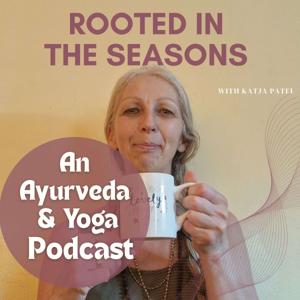
Rooted in the Seasons is a weekly podcast about living with more rhythm through Yoga, Ayurveda and the changing seasons.
Hosted by Katja Patel, yoga teacher and mentor, and…
We might explore why your digestion changes in autumn, what your period can tell you about your monthly rhythm, how Nadi Shodhana affects the nervous system, what a sattvic kitchen actually looks like, or how to work with Ayurveda when everyday life is already full.
You’ll find practical Ayurveda, Yoga and pranayama, seasonal food, daily rhythms and reflections from more than 20 years of teaching.
Come along each week and discover how to bring these ancient practices into the life you’re actually living.