
Sign up to save your podcasts
Or

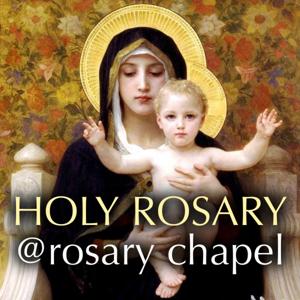


The Glorious Mysteries of the Rosary focus on the triumph and glory of Jesus Christ and the Blessed Virgin Mary, celebrating the fulfillment of God’s promises and the hope of eternal life. These mysteries are traditionally prayed on Wednesdays and Sundays and are especially appropriate during the Easter season.
The Five Glorious Mysteries
1. The Resurrection (Matthew 28:1-10)
Jesus rises from the dead on the third day, conquering sin and death, and bringing hope of eternal life to all believers. The empty tomb is a sign of His victory and our future resurrection.
Virtue: Faith and joy in the hope of the Resurrection.
2. The Ascension (Acts 1:9-11)
Jesus ascends into heaven, returning to His Father in glory. He promises to send the Holy Spirit to guide and empower His disciples.
Virtue: Hope and longing for heaven.
3. The Descent of the Holy Spirit (Acts 2:1-13)
The Holy Spirit descends upon Mary and the Apostles at Pentecost, filling them with courage, wisdom, and the gifts needed to proclaim the Gospel. This event marks the birth of the Church.
Virtue: Love and zeal for the mission of the Church.
4. The Assumption of the Blessed Virgin Mary (Revelation 12:1; Tradition)
Mary is taken body and soul into heaven, where she is united with her Son. Her Assumption is a sign of the future glory promised to all who follow Christ.
Virtue: Devotion to Mary and hope in eternal life.
5. The Coronation of Mary as Queen of Heaven and Earth (Revelation 12:1; Tradition)
Mary is crowned as Queen of Heaven and Earth, reigning with her Son. She intercedes for all believers, exemplifying her role as the Mother of the Church.
Virtue: Trust in Mary’s intercession and eternal glory with God.
Purpose and Spiritual Fruits
The Glorious Mysteries inspire believers to reflect on the triumph of Christ and Mary, reminding us of God’s power, love, and the promise of eternal life. Through these meditations, we are encouraged to:
• Rejoice in the victory of the Resurrection.
• Grow in hope and trust in God’s promises.
• Deepen our commitment to living as faithful disciples.
The Glorious Mysteries are a source of profound hope and joy, directing our hearts toward the ultimate goal of union with God in heaven.
The Sorrowful Mysteries of the Holy Rosary focus on the Passion and suffering of Jesus Christ, leading to His death on the Cross. These mysteries invite us to meditate on the immense love and sacrifice of Jesus for the salvation of humanity. They are traditionally prayed on Tuesdays and Fridays, as well as during the season of Lent.
The Five Sorrowful Mysteries
1. The Agony in the Garden (Luke 22:39-46)
Jesus prays in the Garden of Gethsemane, deeply sorrowful and anguished as He prepares to take upon Himself the sins of the world. Despite His suffering, He submits fully to the Father’s will, saying, “Not my will, but yours be done.”
Virtue: Obedience and surrender to God’s will.
2. The Scourging at the Pillar (John 19:1)
Jesus is tied to a pillar and cruelly scourged by soldiers, enduring physical torment for our sins.
Virtue: Purity and mortification.
3. The Crowning with Thorns (Matthew 27:27-31)
The soldiers mock Jesus, placing a crown of thorns on His head, a reed in His hand, and a scarlet robe on His shoulders, ridiculing Him as “King of the Jews.”
Virtue: Courage and humility in the face of ridicule.
4. The Carrying of the Cross (Luke 23:26-32)
Jesus carries His heavy Cross to Calvary, falling under its weight but rising again to fulfill His mission. Along the way, He encounters His sorrowful mother, the weeping women of Jerusalem, and Simon of Cyrene, who helps Him carry the Cross.
Virtue: Patience and perseverance in trials.
5. The Crucifixion and Death of Jesus (Luke 23:33-46)
Jesus is nailed to the Cross and dies after hours of agony, offering His life as the ultimate sacrifice for the forgiveness of sins. His final words are an expression of love and surrender: “Father, into your hands, I commend my spirit.”
Virtue: Forgiveness, love, and self-sacrifice.
Purpose and Spiritual Fruits
The Sorrowful Mysteries help us meditate on the depth of Jesus’ love and the price of our redemption. By reflecting on His Passion, we are inspired to:
• Accept our crosses with patience and trust.
• Grow in compassion and love for others.
• Strengthen our resolve to resist sin and follow Christ’s example.
These mysteries draw us closer to Jesus in His suffering and remind us of the hope of salvation that His sacrifice brings.
The Joyful Mysteries of the Holy Rosary are one of the four sets of mysteries that focus on key events of joy and hope in the life of Jesus Christ and His Blessed Mother, Mary. These mysteries are typically prayed on Mondays and Saturdays, and during the season of Advent. They invite the faithful to meditate on moments filled with grace, divine promise, and fulfillment.
The Five Joyful Mysteries
1. The Annunciation (Luke 1:26-38)
The Angel Gabriel announces to Mary that she has been chosen to be the Mother of God. Mary humbly accepts, saying, “Behold, I am the handmaid of the Lord. Let it be done to me according to your word.”
Virtue: Humility and openness to God’s will.
2. The Visitation (Luke 1:39-56)
Mary visits her cousin Elizabeth, who is miraculously expecting John the Baptist. Elizabeth, filled with the Holy Spirit, recognizes Mary as the Mother of the Lord. Mary proclaims her Magnificat, glorifying God.
Virtue: Love of neighbor and joy in service.
3. The Nativity (Luke 2:1-20)
Jesus is born in Bethlehem in a humble stable. The shepherds and angels rejoice, proclaiming the birth of the Savior to the world.
Virtue: Poverty of spirit and detachment from materialism.
4. The Presentation in the Temple (Luke 2:22-40)
Mary and Joseph present Jesus in the temple, fulfilling the Law of Moses. Simeon and Anna, guided by the Holy Spirit, recognize Jesus as the Messiah and rejoice in God’s promise.
Virtue: Obedience and faithfulness to God’s law.
5. The Finding of Jesus in the Temple (Luke 2:41-50)
After three days of searching, Mary and Joseph find the twelve-year-old Jesus in the temple, teaching the elders and speaking of His Father’s work.
Virtue: Perseverance and seeking God in all things.
Purpose and Spiritual Fruits
The Joyful Mysteries encourage reflection on God’s boundless love and His plan for humanity. They inspire joy, gratitude, and a renewed commitment to live according to His will. By meditating on these mysteries, the faithful grow in the virtues exemplified by Mary and Jesus, deepening their relationship with God.
Pray Daily at the Rosary Chapel. WWW.PRAY.LIVE
The Glorious Mysteries of the Rosary focus on the triumph and glory of Jesus Christ and the Blessed Virgin Mary, celebrating the fulfillment of God’s promises and the hope of eternal life. These mysteries are traditionally prayed on Wednesdays and Sundays and are especially appropriate during the Easter season.
The Five Glorious Mysteries
1. The Resurrection (Matthew 28:1-10)
Jesus rises from the dead on the third day, conquering sin and death, and bringing hope of eternal life to all believers. The empty tomb is a sign of His victory and our future resurrection.
Virtue: Faith and joy in the hope of the Resurrection.
2. The Ascension (Acts 1:9-11)
Jesus ascends into heaven, returning to His Father in glory. He promises to send the Holy Spirit to guide and empower His disciples.
Virtue: Hope and longing for heaven.
3. The Descent of the Holy Spirit (Acts 2:1-13)
The Holy Spirit descends upon Mary and the Apostles at Pentecost, filling them with courage, wisdom, and the gifts needed to proclaim the Gospel. This event marks the birth of the Church.
Virtue: Love and zeal for the mission of the Church.
4. The Assumption of the Blessed Virgin Mary (Revelation 12:1; Tradition)
Mary is taken body and soul into heaven, where she is united with her Son. Her Assumption is a sign of the future glory promised to all who follow Christ.
Virtue: Devotion to Mary and hope in eternal life.
5. The Coronation of Mary as Queen of Heaven and Earth (Revelation 12:1; Tradition)
Mary is crowned as Queen of Heaven and Earth, reigning with her Son. She intercedes for all believers, exemplifying her role as the Mother of the Church.
Virtue: Trust in Mary’s intercession and eternal glory with God.
Purpose and Spiritual Fruits
The Glorious Mysteries inspire believers to reflect on the triumph of Christ and Mary, reminding us of God’s power, love, and the promise of eternal life. Through these meditations, we are encouraged to:
• Rejoice in the victory of the Resurrection.
• Grow in hope and trust in God’s promises.
• Deepen our commitment to living as faithful disciples.
The Glorious Mysteries are a source of profound hope and joy, directing our hearts toward the ultimate goal of union with God in heaven.
Pray at the Rosary Chapel anytime
The Joyful Mysteries of the Holy Rosary are one of the four sets of mysteries that focus on key events of joy and hope in the life of Jesus Christ and His Blessed Mother, Mary. These mysteries are typically prayed on Mondays and Saturdays, and during the season of Advent. They invite the faithful to meditate on moments filled with grace, divine promise, and fulfillment.
The Five Joyful Mysteries
1. The Annunciation (Luke 1:26-38)
The Angel Gabriel announces to Mary that she has been chosen to be the Mother of God. Mary humbly accepts, saying, “Behold, I am the handmaid of the Lord. Let it be done to me according to your word.”
Virtue: Humility and openness to God’s will.
2. The Visitation (Luke 1:39-56)
Mary visits her cousin Elizabeth, who is miraculously expecting John the Baptist. Elizabeth, filled with the Holy Spirit, recognizes Mary as the Mother of the Lord. Mary proclaims her Magnificat, glorifying God.
Virtue: Love of neighbor and joy in service.
3. The Nativity (Luke 2:1-20)
Jesus is born in Bethlehem in a humble stable. The shepherds and angels rejoice, proclaiming the birth of the Savior to the world.
Virtue: Poverty of spirit and detachment from materialism.
4. The Presentation in the Temple (Luke 2:22-40)
Mary and Joseph present Jesus in the temple, fulfilling the Law of Moses. Simeon and Anna, guided by the Holy Spirit, recognize Jesus as the Messiah and rejoice in God’s promise.
Virtue: Obedience and faithfulness to God’s law.
5. The Finding of Jesus in the Temple (Luke 2:41-50)
After three days of searching, Mary and Joseph find the twelve-year-old Jesus in the temple, teaching the elders and speaking of His Father’s work.
Virtue: Perseverance and seeking God in all things.
Purpose and Spiritual Fruits
The Joyful Mysteries encourage reflection on God’s boundless love and His plan for humanity. They inspire joy, gratitude, and a renewed commitment to live according to His will. By meditating on these mysteries, the faithful grow in the virtues exemplified by Mary and Jesus, deepening their relationship with God.
Prayer Chapel is open 24/7 at Rosary Chapel (www.pray.live)
The Sorrowful Mysteries of the Holy Rosary focus on the Passion and suffering of Jesus Christ, leading to His death on the Cross. These mysteries invite us to meditate on the immense love and sacrifice of Jesus for the salvation of humanity. They are traditionally prayed on Tuesdays and Fridays, as well as during the season of Lent.
The Five Sorrowful Mysteries
1. The Agony in the Garden (Luke 22:39-46)
Jesus prays in the Garden of Gethsemane, deeply sorrowful and anguished as He prepares to take upon Himself the sins of the world. Despite His suffering, He submits fully to the Father’s will, saying, “Not my will, but yours be done.”
Virtue: Obedience and surrender to God’s will.
2. The Scourging at the Pillar (John 19:1)
Jesus is tied to a pillar and cruelly scourged by soldiers, enduring physical torment for our sins.
Virtue: Purity and mortification.
3. The Crowning with Thorns (Matthew 27:27-31)
The soldiers mock Jesus, placing a crown of thorns on His head, a reed in His hand, and a scarlet robe on His shoulders, ridiculing Him as “King of the Jews.”
Virtue: Courage and humility in the face of ridicule.
4. The Carrying of the Cross (Luke 23:26-32)
Jesus carries His heavy Cross to Calvary, falling under its weight but rising again to fulfill His mission. Along the way, He encounters His sorrowful mother, the weeping women of Jerusalem, and Simon of Cyrene, who helps Him carry the Cross.
Virtue: Patience and perseverance in trials.
5. The Crucifixion and Death of Jesus (Luke 23:33-46)
Jesus is nailed to the Cross and dies after hours of agony, offering His life as the ultimate sacrifice for the forgiveness of sins. His final words are an expression of love and surrender: “Father, into your hands, I commend my spirit.”
Virtue: Forgiveness, love, and self-sacrifice.
Purpose and Spiritual Fruits
The Sorrowful Mysteries help us meditate on the depth of Jesus’ love and the price of our redemption. By reflecting on His Passion, we are inspired to:
• Accept our crosses with patience and trust.
• Grow in compassion and love for others.
• Strengthen our resolve to resist sin and follow Christ’s example.
These mysteries draw us closer to Jesus in His suffering and remind us of the hope of salvation that His sacrifice brings.
The Prayer Chapel is open all day at the Rosary Chapel (www.pray.live)
The Luminous Mysteries, also known as the Mysteries of Light, focus on key events in the public ministry of Jesus Christ that reveal His identity as the Light of the World and the Son of God. These mysteries were introduced by Pope St. John Paul II in 2002 and are traditionally prayed on Thursdays.
The Five Luminous Mysteries
1. The Baptism of Jesus in the Jordan (Matthew 3:13-17)
Jesus is baptized by John the Baptist in the Jordan River. The heavens open, the Holy Spirit descends like a dove, and the voice of the Father proclaims, “This is my beloved Son, in whom I am well pleased.”
Virtue: Openness to the Holy Spirit and a renewal of our own baptismal promises.
2. The Wedding at Cana (John 2:1-12)
At Mary’s request, Jesus performs His first public miracle, turning water into wine at a wedding in Cana. This miracle reveals His divine power and the abundance of God’s grace.
Virtue: Trust in Mary’s intercession and faith in Jesus’ power.
3. The Proclamation of the Kingdom of God (Mark 1:14-15)
Jesus proclaims the Kingdom of God, calling all to repentance and faith. Through His teachings, parables, and miracles, He invites us to conversion and discipleship.
Virtue: Repentance and a commitment to live according to the Gospel.
4. The Transfiguration (Matthew 17:1-8)
Jesus is transfigured on Mount Tabor before Peter, James, and John. His divine glory is revealed, and the voice of the Father declares, “This is my beloved Son; listen to Him.”
Virtue: Desire for holiness and a deeper understanding of God’s glory.
5. The Institution of the Eucharist (Luke 22:19-20)
At the Last Supper, Jesus gives His Body and Blood in the form of bread and wine, instituting the Holy Eucharist as the sacrament of His enduring presence and sacrifice.
Virtue: Love for the Eucharist and a spirit of thanksgiving.
Purpose and Spiritual Fruits
The Luminous Mysteries invite us to meditate on the public life of Christ and the light He brings into the world. By reflecting on these events, we are encouraged to:
• Strengthen our faith in Jesus as the Son of God.
• Grow in holiness by imitating His teachings and example.
• Embrace the sacraments, especially the Eucharist, as sources of grace and strength.
These mysteries illuminate the path to discipleship, guiding us to live in the light of Christ.
The Prayer Chapel is open 24/7 at the Rosary Chapel. (www.pray.live)
The Glorious Mysteries of the Rosary focus on the triumph and glory of Jesus Christ and the Blessed Virgin Mary, celebrating the fulfillment of God’s promises and the hope of eternal life. These mysteries are traditionally prayed on Wednesdays and Sundays and are especially appropriate during the Easter season.
The Five Glorious Mysteries
1. The Resurrection (Matthew 28:1-10)
Jesus rises from the dead on the third day, conquering sin and death, and bringing hope of eternal life to all believers. The empty tomb is a sign of His victory and our future resurrection.
Virtue: Faith and joy in the hope of the Resurrection.
2. The Ascension (Acts 1:9-11)
Jesus ascends into heaven, returning to His Father in glory. He promises to send the Holy Spirit to guide and empower His disciples.
Virtue: Hope and longing for heaven.
3. The Descent of the Holy Spirit (Acts 2:1-13)
The Holy Spirit descends upon Mary and the Apostles at Pentecost, filling them with courage, wisdom, and the gifts needed to proclaim the Gospel. This event marks the birth of the Church.
Virtue: Love and zeal for the mission of the Church.
4. The Assumption of the Blessed Virgin Mary (Revelation 12:1; Tradition)
Mary is taken body and soul into heaven, where she is united with her Son. Her Assumption is a sign of the future glory promised to all who follow Christ.
Virtue: Devotion to Mary and hope in eternal life.
5. The Coronation of Mary as Queen of Heaven and Earth (Revelation 12:1; Tradition)
Mary is crowned as Queen of Heaven and Earth, reigning with her Son. She intercedes for all believers, exemplifying her role as the Mother of the Church.
Virtue: Trust in Mary’s intercession and eternal glory with God.
Purpose and Spiritual Fruits
The Glorious Mysteries inspire believers to reflect on the triumph of Christ and Mary, reminding us of God’s power, love, and the promise of eternal life. Through these meditations, we are encouraged to:
• Rejoice in the victory of the Resurrection.
• Grow in hope and trust in God’s promises.
• Deepen our commitment to living as faithful disciples.
The Glorious Mysteries are a source of profound hope and joy, directing our hearts toward the ultimate goal of union with God in heaven.
The Sorrowful Mysteries of the Holy Rosary are a set of five key events in the life of Jesus Christ that focus on His suffering and death. These mysteries are traditionally prayed on Tuesdays and Fridays, as well as on Sundays during Lent. They are as follows:
The Agony in the GardenJesus prays in the Garden of Gethsemane, deeply troubled and in anguish, as He prepares to face His suffering. He asks God, if possible, to let the cup of suffering pass from Him, but ultimately submits to God's will.
The Scourging at the PillarJesus is tied to a pillar and whipped by the Roman soldiers. This brutal beating is a physical manifestation of His suffering and sacrifice for humanity's sins.
The Crowning with ThornsThe soldiers mock Jesus by placing a crown made of sharp thorns on His head, ridiculing Him as the "King of the Jews." They strike Him with a reed and spit on Him, further humiliating Him.
The Carrying of the CrossJesus carries His cross through the streets of Jerusalem to the site of His crucifixion. Along the way, He stumbles, is helped by Simon of Cyrene, and encounters several compassionate women who mourn for Him.
The Crucifixion and Death of JesusJesus is nailed to the cross, where He suffers for several hours before He dies. His final words include a prayer of forgiveness for His executioners and the famous declaration, "It is finished."
These mysteries focus on the depth of Jesus' sacrifice and are a reminder of the profound love He demonstrated for humanity in His passion and death.
The Joyful Mysteries of the Holy Rosary are a set of five events in the life of Jesus Christ and the Blessed Virgin Mary, celebrated for their profound significance in Christian faith. These mysteries focus on the joyful and hopeful moments that mark the beginning of God's redemptive work on Earth. Traditionally, the Joyful Mysteries are prayed on Mondays and Saturdays, and each mystery offers a meditation on the grace, humility, and love that characterize the early stages of the Gospel story.
Here’s a breakdown of the five Joyful Mysteries:
1st Mystery: The Annunciation.
This mystery recalls the moment when the Angel Gabriel visited the Virgin Mary in Nazareth and announced that she would conceive the Son of God by the Holy Spirit. Mary, though troubled by the message, responded with faith and humility: “Let it be done to me according to your word.” The Annunciation highlights Mary’s obedience and the power of God's will to bring salvation to the world. It is a mystery of profound faith, as Mary accepts her role in God's divine plan without hesitation, becoming the Theotokos, or "God-bearer."
2. Mystery: The Visitation
After receiving the news of her pregnancy, Mary travels to visit her cousin Elizabeth, who is also miraculously pregnant with John the Baptist. Upon hearing Mary's greeting, Elizabeth is filled with the Holy Spirit, and the baby in her womb leaps for joy. Elizabeth proclaims, “Blessed are you among women, and blessed is the fruit of your womb!” Mary responds with the beautiful Magnificat, glorifying God for His greatness and mercy.
3rd Mystery: The Nativity
This mystery commemorates the birth of Jesus in Bethlehem, a humble and miraculous event in which the Son of God is born to Mary and placed in a manger. Angels announce the good news to shepherds, who come to see the newborn Savior. The Nativity speaks to God’s profound humility, entering the world in the most lowly of circumstances, and the joy of His coming to bring salvation to humanity.
4th Mystery: The Presentation
Forty days after Jesus’ birth, Mary and Joseph bring Him to the Temple in Jerusalem to present Him to the Lord, in accordance with Jewish law. Here, they encounter Simeon, a devout man who had been promised by the Holy Spirit that he would not die before seeing the Messiah. Upon holding the infant Jesus, Simeon praises God, saying, “My eyes have seen your salvation…” He also prophesies that Mary’s soul will be pierced with sorrow, alluding to the suffering she will experience at the Crucifixion.
5th Mystery: The Finding of Jesus.
When Jesus is twelve years old, He and His family travel to Jerusalem for the Feast of the Passover. After the feast, Mary and Joseph unknowingly leave without Jesus, and they search for Him for three days. They find Him in the Temple, teaching the elders and astonishing them with His wisdom. Mary, though perplexed, asks Him why He had stayed behind, and Jesus replies, “Did you not know that I must be about my Father’s business?”
1. The Annunciation (Luke 1:26-38)2. The Visitation (Luke 1:39-56)3. The Nativity (Luke 2:1-20)4. The Presentation in the Temple (Luke 2:22-38)5. The Finding in the Temple (Luke 2:41-50)
From the publisher's feed

6,223 Listeners
860 Listeners

6,765 Listeners

7,655 Listeners
103 Listeners

1,509 Listeners
430 Listeners

2,641 Listeners
909 Listeners
10 Listeners
22 Listeners