
Sign up to save your podcasts
Or


Subscribe for early access, ad-free listening, and bonus content!
In 1994 Rwanda was scarred by an organized campaign of mass carnage perpetrated by the Hutu majority against the Tutsi minority and moderate Hutus. It was the final genocide of the twentieth century, with the killers murdering about one million people in about 100 days. The United Nations and U.S. looked on but failed to act, a tragic misstep that has influenced decision-makers since to look differently at the task of intervening in foreign conflicts to protect the innocent. In this episode, Omar McDoom of the London School of Economics and Political Science, a scholar of genocide and expert on central Africa, reflects on the enduring lessons of Rwanda's darkest hour.
 View all episodes
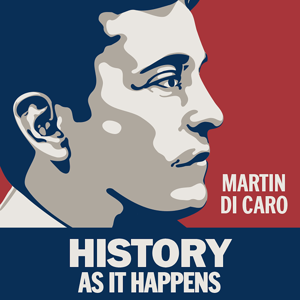
 By Martin Di Caro

4.4
6262 ratings
Subscribe for early access, ad-free listening, and bonus content!
In 1994 Rwanda was scarred by an organized campaign of mass carnage perpetrated by the Hutu majority against the Tutsi minority and moderate Hutus. It was the final genocide of the twentieth century, with the killers murdering about one million people in about 100 days. The United Nations and U.S. looked on but failed to act, a tragic misstep that has influenced decision-makers since to look differently at the task of intervening in foreign conflicts to protect the innocent. In this episode, Omar McDoom of the London School of Economics and Political Science, a scholar of genocide and expert on central Africa, reflects on the enduring lessons of Rwanda's darkest hour.

8,475 Listeners
1,104 Listeners
755 Listeners

6,293 Listeners

717 Listeners
890 Listeners

20 Listeners

2,058 Listeners

7,228 Listeners

2,404 Listeners

16,096 Listeners

212 Listeners
387 Listeners
498 Listeners
469 Listeners