For all the ills it brought, the COVID-19 pandemic may have helped revolutionize genetic sequencing. Human gene editing is fraught with difficult ethical challenges. Can we address them while still benefiting from the technology? A brainless, many-headed slime mold is redefining our understanding of cognition.
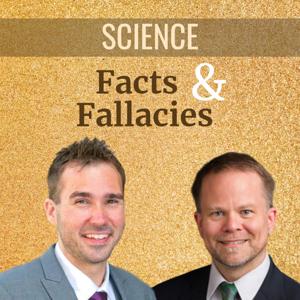
Join geneticist Kevin Folta and guest host Ally Kennedy on this episode of Science Facts and Fallacies as they break down these latest news stories:
* What We Learned About Genetic Sequencing During COVID-19 Could Revolutionize Public Health
We've learned a lot about SARS-COV-2 over the last 19 months, and one of our best resources has been the genome of the virus itself. By sequencing the microbe's genetic makeup and then continually tweaking in the lab, scientists have developed diagnostic tests, vaccines and a handful of treatments for COVID-19. Many scientists now believe this kind of work will be key to taking on pandemics of the future.
While COVID-19 has regrettably claimed millions of lives, it may have also incentivized the kind of research that will allow us to knock out other deadly viruses before they can take similarly destructive tolls.
* Setting ethical limits on human gene editing after fall of 14-day barrier
For many years, scientists drew an ethical boundary between somatic-cell gene editing and germline gene editing, which passes on changes in DNA to the next generation. The former, scientists generally agreed, was a revolutionary way to tackle deadly diseases without playing God; the latter enabled us to literally genetically engineer humans in a lab and was thus out of bounds.
Follow the latest news and policy debates on agricultural biotech and biomedicine? Subscribe to our newsletter.
SIGN UP
But the situation is changing as gene-editing technology evolves and regulators around the world attempt to flesh out guidelines to ensure the safe, responsible use of germline editing. Are we jeopardizing the future of humanity by experimenting with such powerful tools, or is it necessary to harness the technology to prevent its misuse?
* This Weirdly Smart, Creeping Slime Is Redefining Our Understanding of Intelligence
The plasmodium form of Physarum polycephalum–dubbed "the blob" by researchers who study it–has no brain, central nervous system or even specialized tissues—yet it can solve complex problems and remember novel substances it encounters. As a result, this odd, little plasmodium is changing how we study cognition. How much do we know about the blob, and might it help us solve some of humanity's lingering problems?
Kevin M. Folta is a professor in the Horticultural Sciences Department at the University of Florida.