
Sign up to save your podcasts
Or

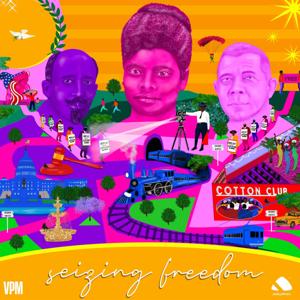


Season finale. The "freedom generation" of African Americans who were the first to experience emancipation knew that their fight for freedom was only just beginning. Even as they were earning new rights and privileges, they continued to face pushback that jeopardized all they had fought for and earned. Hear how they planned for the future, even as the present structures around them were being torn down.
Support the show: http://donate.vpm.org/site/Donation2?1557.donation=form1&df_id=1557&mfc_pref=T
A discussion of the central role African Americans played in securing constitutional change for their civil and political rights during Reconstruction, as well as the long-lasting impacts of their efforts in the first civil rights movement.
Support the show: http://donate.vpm.org/site/Donation2?1557.donation=form1&df_id=1557&mfc_pref=T
The 13th Amendment abolished slavery in 1865, but African Americans knew the “freedom” of emancipation was incomplete without universal citizenship and rights protected by law. Learn how their insistence on having a full stake in American freedom helped transform federal policy and codify the rhetoric of “liberty” into law.
Support the show: http://donate.vpm.org/site/Donation2?1557.donation=form1&df_id=1557&mfc_pref=T
The Reverend shares what church has meant to the Black community, both historically and currently, as well as how to find God in times of struggle and injustice.
Support the show: http://donate.vpm.org/site/Donation2?1557.donation=form1&df_id=1557&mfc_pref=T
How a thirst for soul liberty and the freedom to worship as they saw fit sustained Black Americans through centuries of enslavement. And how the sustenance they found in religious community emboldened them to fight for—and demand—concrete social and political change.
Support the show: http://donate.vpm.org/site/Donation2?1557.donation=form1&df_id=1557&mfc_pref=T
Conversation about family histories and education, how many of the stereotypes that have been associated with Black people in the United States came to be, why they’re simply not true, and what the pursuit of knowledge meant and looked like to African Americans during and after Reconstruction.
Support the show: http://donate.vpm.org/site/Donation2?1557.donation=form1&df_id=1557&mfc_pref=T
Education was regarded as the "real liberation" by many African Americans following emancipation from slavery, and they were willing to go to extreme lengths to secure literacy for themselves and their kin.
Support the show: http://donate.vpm.org/site/Donation2?1557.donation=form1&df_id=1557&mfc_pref=T
Kidada speaks with Princeton Historian Tera Hunter about how Black workers wanted to shape their working lives after the Civil War, what communal labor looked like, and what activities they found joy in.
Support the show: http://donate.vpm.org/site/Donation2?1557.donation=form1&df_id=1557&mfc_pref=T
Further exploring the stakes of making a living as a Black person following emancipation and how, despite violent retaliation in light of their successes, African Americans never lost sight of what made Black life worth living.
Support the show: http://donate.vpm.org/site/Donation2?1557.donation=form1&df_id=1557&mfc_pref=T
From the publisher's feed

42 Listeners

30 Listeners

851 Listeners
24 Listeners
57 Listeners