
Sign up to save your podcasts
Or



Got a comment or idea? Send us a text.
We show how simple adaptive tools turn limited mobility into daily freedom by redesigning the home for the body you have today. From reachers and sock aids to walkers, transfer poles, and grab bars, we map practical steps that reduce falls and restore confidence.• why falls stem from home design, not recklessness• mindset shift from limited mobility to independent living• reachers and sock aids for safer dressing and chores• walkers with seats to lower fear and boost movement• transfer poles for secure sit-to-stand transitions• shower chairs, handheld heads, and real grab bars• bed rails, leg lifters, and lift recliners for easier days• kitchen tools and perching stools to keep cooking• smart speakers, wearables, and night lights for safety• start small with one problem, then buildPlease share this episode with someone you care about who could use the information to make their life safer.You'll find more resources for seniors and caregivers on our website at Senior SafetyAdvice.com.If you're searching for an aging in place specialist, please visit our sister website at AgingInPlace Directory.com.Oh yes, and if you haven't subscribed to our YouTube channel or to this podcast yet, go ahead and do that right now!
For more information about aging in place and caregiving for older adults, visit our website at SeniorSafetyAdvice.com
Got a comment or idea? Send us a text.
A slippery floor, a high tub wall, a dim light at 2 a.m.—tiny details that quietly decide whether someone stays steady or ends up in rehab. We take you into the most dangerous room in the house and show how small bathroom upgrades can prevent life-changing falls while preserving dignity and independence.Drawing on years of occupational therapy experience, we break down what truly works and why: grab bars placed where hands actually reach, non-slip surfaces that grip when wet, lighting that eliminates hesitation, and simple seating solutions like shower chairs and tub transfer benches. You’ll hear why a towel bar is not a safety device, how a handheld shower head reduces twisting and bending, and how a raised toilet seat or comfort-height toilet makes stand-ups smoother for aging knees and hips. We also get practical about storage—keeping essentials within easy reach to avoid risky leaning—and share the mindset shift that turns “medical-looking” gear into empowering tools for staying in control at home.Caregivers will learn to spot early warning signs—shuffling, furniture grabbing, near-misses—and act before an injury occurs. Older adults will find a clear, start-small plan: add one grab bar, improve the lighting, bring in a bench, remove loose rugs, then fine-tune storage. The result is a safer bathroom that rebuilds confidence and protects independence, without a full remodel or a big budget.If these strategies helped, share this episode with someone who could use it, explore more tips at SeniorSafetyAdvice.com, and find specialists at AgingandPlaceDirectory.com. Subscribe on your favorite app or YouTube to support the show and get new, practical guidance every day.
For more information about aging in place and caregiving for older adults, visit our website at SeniorSafetyAdvice.com
Got a comment or idea? Send us a text.
We share the small daily cleaning habits that prevent falls, reduce illness, and protect independence for older adults at home. Simple routines keep pathways clear, air cleaner, and surfaces safer without heavy checklists or deep cleans.• clear pathways between key rooms• quick kitchen wipe to deter pests and bacteria• bathroom moisture checks and flat mats• light dusting for better breathing• disinfect high‑touch surfaces daily• laundry habits and towel rotation• regular trash removal to avoid odors and pests• two‑minute end‑of‑day home reset• adapt tools and split tasks to match energy• ask for help to keep routines realisticPlease share this episode with someone you care about who could use the information to make their life saferYou'll find more resources for seniors and caregivers on our website at Senior SafetyAdvice.comAnd if you're searching for an Aging in Place specialist, visit our sister website at AgingandPlaceDirectory.comAlso, if you haven't subscribed to our YouTube channel or to this podcast yet, go ahead and do that right now
For more information about aging in place and caregiving for older adults, visit our website at SeniorSafetyAdvice.com
Got a comment or idea? Send us a text.
A musty hint in the air can be more than a quirk of an older home—it can be a health threat that hides in plain sight. We explore how quiet leaks and trapped humidity create perfect conditions for mold, why older adults feel the effects faster, and the simple checks that prevent small problems from becoming medical issues. With a real-world story that begins under a bathroom sink, we connect the dots between hidden moisture, nagging coughs, fatigue, and the gradual loss of confidence that erodes independence.Together we map the most common hotspots—bathrooms with poor ventilation, kitchens with slow drips behind appliances, basements and crawl spaces with cool, damp air, and laundry rooms where wet clothes and clogged dryer vents raise humidity. We get practical fast: trust your nose, look behind and under fixtures, watch for condensation on windows and pipes, and run the bathroom fan for at least twenty minutes after every shower. When mold appears, we show how to decide between a careful DIY clean-up and calling professionals, especially when symptoms persist or growth is widespread.Caregivers will find clear cues to watch for when someone feels worse at home than outside, and homeowners gain a playbook for turning air quality into a core part of aging safely. Fix the moisture, and you often see breathing improve, energy return, and confidence grow within days—that’s the power of a supportive home. If this conversation helped, share it with someone who needs it, explore more guides at Senior SafetyAdvice dot com, search our Aging and Place Directory for specialists, and subscribe to the podcast or YouTube channel to stay connected with daily tips that make home healthier.
For more information about aging in place and caregiving for older adults, visit our website at SeniorSafetyAdvice.com
Got a comment or idea? Send us a text.
We tackle the hard part of bathroom safety: how to talk about it with respect and care. We share simple scripts, mindset shifts, and practical tips that protect independence and dignity while lowering the risk of falls.• reframing safety as protection of independence• normalizing bathroom updates as routine, not age-based• leading with comfort instead of fear• using third-party examples to open the door• naming the real fears behind embarrassment• inviting choice in products and placement• keeping conversations short and specific• a ready-to-use script for grab bar installationPlease share this episode with someone you care about who could use the information to make their life saferYou'll find more resources for seniors and caregivers on our website at SeniorSafetyAdvice dot comIf you're searching for an aging in place specialist, please visit our sister website at AgingandPlace Directory.comAnd if you haven't subscribed to our podcast or our YouTube channel yet, go ahead and do that right now
For more information about aging in place and caregiving for older adults, visit our website at SeniorSafetyAdvice.com
Got a comment or idea? Send us a text.
Bath time shouldn’t feel like enemy territory. We unpack how to protect dignity, privacy, and independence in the bathroom while still honoring the reality of fall risk and changing abilities. Drawing on years as an occupational therapist and aging-in-place specialist, I share practical ways to keep control in the hands of the person bathing, lower anxiety, and create a space where safety and self-respect work together.We begin with the human side: why bathing carries so much emotion and how small choices—like selecting water temperature, washing the face independently, or drying off while seated—rebuild confidence. From there, we walk through a smarter bathroom setup that doesn’t look clinical: stable shower chairs that reduce fatigue, beautifully designed grab bars placed where they actually help, handheld shower heads for comfort and control, non-slip flooring, and soft, even lighting that cuts shadows and glare. You’ll also hear when to consider a walk-in tub, transfer benches, or bathtub lifts to preserve cherished routines for people who prefer baths over showers.Language and privacy take center stage too. We model phrases that invite cooperation instead of resistance, and we explain how simple habits—closing the door, covering areas not being washed, warming towels—signal respect in a vulnerable moment. For family caregivers feeling stuck, we normalize the struggle and suggest bringing in professional help once or twice a week to protect relationships and learn calm, dignified techniques. And for older adults, we underline a vital truth: needing help does not erase independence; your preferences still guide the routine.If this conversation gives you useful ideas, share it with someone who could use a little peace and confidence at bath time. Subscribe for daily tips, leave a review to help others find the show, and visit Senior SafetyAdvice.com and Aging in Place Directory.com for more expert guidance.
For more information about aging in place and caregiving for older adults, visit our website at SeniorSafetyAdvice.com
Got a comment or idea? Send us a text.
We explain why a quick stretch can topple balance and how small, smart changes reduce fall risk for older adults. From relocating essentials to using the right tools and lighting, we share practical fixes that protect independence every day.• overreaching shifts the center of gravity beyond a stable base• common causes including high storage, low storage, and habit• the shoulder-to-hip zone for daily essentials• safe limits for reachers and better kitchen tools• avoid twisting by turning the whole body• seated reaching risks from chairs and beds• lighting and contrast to improve visibility• slow down with micro-pauses to steady balance• quick real-life example and key takeawaysPlease share this episode with someone you care about who could use the information to make their own life safer saferYou'll find more resources for seniors and caregivers on our website at Senior SafetyAdvice.comIf you're searching for an aging in place specialist, please visit our sister website at AgingInPlace Directory.comAnd if you haven't subscribed to our YouTube channel or this podcast yet, please go ahead and do that right now, too!
For more information about aging in place and caregiving for older adults, visit our website at SeniorSafetyAdvice.com
Got a comment or idea? Send us a text.
What if you could stop the family meltdown before it starts? That’s the heart of our conversation with occupational therapist and certified hand therapist Christy Heyer, founder of Comfortable Aging Solutions, who has spent 25 years watching preventable crises unfold after a fall, a hospitalization, or a rushed discharge. Christy opens up about the rare heart attack that rewired her priorities and the gaps she saw as a patient navigating a system she already knew. Her message is clear: aging in place works when we plan the home, the money, and the roles ahead of time.
We dig into the essentials of home safety that actually reduce falls: textured grab bars placed for the real user, not a template; sliding tub benches; zero-threshold showers done right; wider doorways; and decluttering as the first intervention. Christy explains why a trained eye must watch someone move through their spaces to catch hidden risks. We also get honest about cost: private 24/7 care can exceed six figures, and Medicare won’t cover long-term custodial support. The antidote is a coordinated team—elder law attorneys to structure the right trusts, fiduciary financial planners to build a runway, and private care managers to navigate care and benefits.
Tech is part of the solution when it matches ability: sensors that detect falls without cameras, voice assistants for reminders and calls, and small smart home upgrades that remove friction. But none of it works if caregivers burn out. We talk about boundaries, micro-breaks, and the guilt that keeps people from asking for help. We also center joy—because daily rituals, humor, and hobbies are medicine for morale and independence. Christy shares how she serves families in Fort Wayne, Indiana, and virtually worldwide, using a comprehensive safety evaluation and step-by-step planning to replace guesswork with confidence.
If you want practical steps to prevent chaos, protect relationships, and keep dignity at the center, this conversation is your roadmap. Subscribe, share with someone who needs it, and leave a review to help more families find a better way to age at home.
For more information about aging in place and caregiving for older adults, visit our website at SeniorSafetyAdvice.com
Got a comment or idea? Send us a text.
Mornings shouldn’t feel like a puzzle. When vision changes, though, a crowded bathroom counter and lookalike bottles can turn simple routines into a daily stress test. We dive into practical, low-vision strategies that make toiletries easier to find, safer to use, and far less frustrating—without expensive renovations. Drawing on years of occupational therapy and aging-in-place experience, Esther shares what actually works for seniors navigating glaucoma, cataracts, and macular degeneration.We start with the quiet power of less: decluttering the counter to remove visual noise and separating daily essentials from occasional products. From there, we build consistency—giving each item one clear home so muscle memory can guide the hands when eyesight can’t. You’ll learn how to use contrast like a pro: dark trays on light counters, light bins on dark shelves, and wall-mounted dispensers that eliminate guesswork in the shower. We cover labeling that seniors can actually read—large, bold, high-contrast fonts—and tactile cues that win in steam and low light, like rubber bands, raised dots, or textured tape to tell similar bottles apart by touch.Accessibility isn’t just what you store; it’s where you store it. We explain how keeping essentials between waist and chest height prevents risky bending and reaching, and why soft, even illumination beats harsh glare for low-vision bathrooms. Motion-sensor night lights, under-cabinet accents, and gentle lighting around mirrors create a safer path and clearer reflections. Most important, we talk about dignity: involve your loved one in every decision, avoid scolding when mistakes happen, and instead redesign the environment to support success. Start small—one drawer, one shelf, one habit—and watch daily routines become calmer, safer, and more independent.If this resonated, share it with someone who could use a gentler bathroom routine. Subscribe for more daily tips on senior safety and aging in place, and leave a review to help others find these resources. Your feedback helps us reach more families who need practical, compassionate guidance.
For more information about aging in place and caregiving for older adults, visit our website at SeniorSafetyAdvice.com
Got a comment or idea? Send us a text.
We share how simple, low-cost lighting changes can prevent nighttime bathroom falls and make late-night trips calmer and safer. From motion-activated path lights to warm bulbs and dimmers, we explain what to place where and why it works for aging eyes.• the real reason night falls happen is darkness, not clumsiness• how aging eyes handle brightness changes and glare• motion-activated pathway lights from bed to bathroom• low-level entry lights that avoid harsh overhead glare• even, diffused bathroom lighting to remove shadows• under-vanity strips and soft toilet lights for guidance• matching brightness levels across the whole route• warm white bulbs at 2700–3000K to reduce glare• dimmers for control and comfort at night• backup emergency lights for power outages• hydration confidence through safer lighting• quick, no-remodel upgrades that work todayPlease share this episode with someone you care about who can use the information to make their life safer tooYou'll find more resources for seniors and caregivers on our website at Senior SafetyAdvice.comIf you're searching for an Aging in Place specialist, please visit our sister website at AgingInplace Directory.comOh yes, and if you have not subscribed to our YouTube channel or to this podcast yet, go ahead and do that right now
For more information about aging in place and caregiving for older adults, visit our website at SeniorSafetyAdvice.com
From the publisher's feed
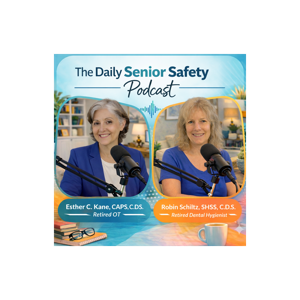
A podcast focused on the topics of senior safety, aging in place and caring for older adults.