
Sign up to save your podcasts
Or



Got a comment or idea? Send us a text.
Feeling wrung out by stress and tension? We unpack how stress first shows up in the breath and share simple techniques that quickly calm the nervous system, protect heart health, and ease the body back into a sense of safety. Esther Kane, a retired occupational therapist and certified aging in place specialist, guides us through accessible practices that work anywhere—no equipment, no perfect setup, just a few intentional breaths that add up to real relief.We start by noticing natural breathing patterns, especially the high, shallow chest breathing that keeps the body on alert. From there, we practice the small shift that makes a big difference: a longer, quieter exhale. You’ll learn counted breathing that doesn’t feel rigid, hand-on-belly diaphragmatic breathing to reduce chest tightness, and a gentle inhale-pause-exhale-pause rhythm that steadies a jittery mind. Esther explains why these cues signal safety to the brain and how they reduce inflammation, improve sleep quality, and support blood pressure and heart health.For listeners who struggle to sit still, we pair breath with movement—slow rocking, easy walks, and morning arm stretches—to make calm feel natural. We also build micro-habits: take one slow breath before standing, answering a call, opening email, or turning on the news. Those tiny pauses protect your nervous system and help caregivers and seniors respond rather than react. We close with a reminder that breathing is not self-repair; it’s self-support. Each gentle exhale is an act of kindness that teaches the body it doesn’t have to stay on high alert.If this resonated, share it with someone who could use a softer day. Subscribe for more practical tools, leave a review to help others find the show, and tell us which technique helped you feel safe the fastest.
For more information about aging in place and caregiving for older adults, visit our website at SeniorSafetyAdvice.com
Got a comment or idea? Send us a text.
We name the early warning signs of caregiver fatigue and explain why ignoring them makes care less safe. We share small, practical steps to lower the load, protect your health, and ask for help before burnout hits.• quiet onset of fatigue and numbness• why irritability signals exhaustion, not failure• physical symptoms caregivers often overlook• the risks of isolation and silent resentment• how fatigue increases safety risks in care• practical micro-breaks and lowering the bar• where to find support and resourcesPlease share this episode with someone you care about who could use the information to make their life saferYou'll find more resources for seniors and caregivers on our website at Senior SafetyAdvice.comIf you're searching for an Aging in Place specialist, please visit our sister website at AgingandPlace Directory.comAnd if you haven't subscribed to our YouTube channel or to this podcast yet, go ahead and do that right now
For more information about aging in place and caregiving for older adults, visit our website at SeniorSafetyAdvice.com
Got a comment or idea? Send us a text.
What if the strongest protection for your heart isn’t a perfect plan, but a handful of small, steady choices made every day? Esther Kane, a retired occupational therapist and certified aging in place specialist, guides us through practical habits that calm the nervous system, improve circulation, and build resilience—without guilt, extremes, or complicated routines. We explore how calmer mornings, gentle movement, hydration, and slow breathing can lower heart strain in minutes, and why consistency outperforms intensity for seniors and caregivers alike.We unpack the stressors hiding in plain sight—background noise, clutter, constant news—and show how simple environmental tweaks reduce the hum of worry that pushes blood pressure up. Esther also shares how to craft a realistic sleep window, create a wind-down routine that actually sticks, and use short, frequent movement breaks to boost circulation. You’ll hear why mindful eating matters more than strict diets, and how small changes like sitting to start the day or sipping water before coffee can change how your heart feels by noon.Connection becomes a core theme: loneliness raises stress hormones, while phone calls, porch chats, and even a good comedy special can shift breathing and vessel tone within minutes. Safety is medicine too—better lighting, fewer hazards, and earlier check-ins with clinicians lower fear and bring peace of mind. The throughline is simple and powerful: pick one habit, practice it for 30 to 60 days, then layer in another. Heart health is built gently, not forcefully.If these insights help, share them with someone who could use a calmer path to better heart health. Subscribe, leave a review, and join us tomorrow for more practical, compassionate guidance for seniors and family caregivers.
For more information about aging in place and caregiving for older adults, visit our website at SeniorSafetyAdvice.com
Got a comment or idea? Send us a text.
Stress and heart health are deeply linked, especially with age. We explain how chronic stress strains an aging heart and share simple, realistic ways to lower the load without adding pressure.• How stress hormones raise blood pressure and heart rate• Why aging hearts feel stress more intensely• Signs to watch: fatigue, chest tightness, irregular beats• The stress and sleep cycle and how to break it• Gentle fixes: slow breathing, light movement, daily routines• The power of connection to protect heart health• How clutter and safety at home affect stress• When to seek medical help for symptoms• Support for caregivers managing constant tension• Practical steps to reduce stress without overwhelmPlease share this episode with someone you care about who could use the information to make their life saferYou'll find more resources for seniors and caregivers on our website at SeniorSafetyAdvice.comIf you're searching for an aging in place specialist, please visit our sister website at Aging in Place Directory.comAnd don't forget if you haven't subscribed to our YouTube channel or to this podcast yet, go ahead and do that right nowThen come back tomorrow for another daily moment of guidance and encouragement right here on the Senior Safety Advice podcast
For more information about aging in place and caregiving for older adults, visit our website at SeniorSafetyAdvice.com
Got a comment or idea? Send us a text.
Ever notice how your shoulders drop the moment a room is brighter or a rug finally stays put? That’s the quiet magic of small fixes. We explore why tiny, low-cost changes often deliver the biggest safety gains for seniors and caregivers—from stopping “almost fell” moments to restoring confidence on the stairs and peace of mind at night.We walk through practical steps that transform daily life without a renovation: secure slippery surfaces, add motion night lights in hallways and bathrooms, and swap in brighter bulbs where precision matters. You’ll hear how making essentials easy to reach prevents risky climbs and awkward twists, and why fixing sticky doors, loose handrails, and jammed drawers can instantly cut frustration and reduce rushing. We also unpack the hidden costs of avoidance—skipping rooms, delaying bathroom trips, and shrinking social plans—and how a few targeted adjustments reopen your world.To keep these gains, we share simple systems any home can use: labels that reduce guesswork, visual cues for safer pathways, and quick maintenance routines like a monthly bulb check or regular knife sharpening to prevent slips in the kitchen. Most of all, we reframe small fixes as a sign of strength and planning, not decline. One change today, another next week—each one removes a what-if and replaces it with calm. If these ideas help, share the episode with someone you care about, and don’t forget to subscribe so you never miss practical tips that protect independence and improve everyday life.
For more information about aging in place and caregiving for older adults, visit our website at SeniorSafetyAdvice.com
Got a comment or idea? Send us a text.
We slow the pace and guide a short month-end reflection for caregivers and older adults, focusing on what worked, what did not, and one small intention that can anchor safer, calmer days. We offer permission to move at your own pace and share practical steps that build hope.• why a month-end pause matters• simple reflection that avoids guilt• naming small wins in home safety• learning from friction without blame• choosing one intention as an anchor• honoring non-linear progress in caregiving• carrying awareness, permission and quiet hope• one-minute keep-and-let-go exercisePlease share this episode with someone you care about who could use the information to make their life saferYou'll find more resources for seniors and caregivers on our website at senior safetyadvice.comIf you're searching for an aging in place specialist, please visit our sister website at Aging in Place Directory.comAnd if you haven't subscribed to our YouTube channel or to this podcast yet, go ahead and do that right now
For more information about aging in place and caregiving for older adults, visit our website at SeniorSafetyAdvice.com
Got a comment or idea? Send us a text.
Small motions can steal a whole day when arthritis flares. We dig into simple, low-cost storage upgrades that reduce strain, protect your energy, and make daily life feel lighter. Drawing on real home visits and practical OT strategies, we walk through the changes that matter most: placing everyday items between waist and chest, bringing shelves and trays out to meet you, and choosing hardware that avoids painful pinch and twist grips.You’ll hear exactly how to rethink deep cabinets, retrofit pull-out shelves, and divide drawers so essentials sit within easy reach. We talk about why lever handles beat round knobs, how loop-style pulls let you use your forearm on tough days, and where to start if remodeling isn’t in the budget. There’s a clear plan for designing around your worst days, not your best—mapping true reach limits, spacing items to prevent digging, and setting rules that keep heavy or high storage for rarely used things.We also address the quiet power of decluttering and labeling. Fewer duplicates mean less hunting and less pain; clear bins and large-print labels save time for you and for caregivers. From flip-lid containers that favor gravity over grip to side-by-side storage that avoids stacking, the focus stays on small wins that add up to more comfort and independence. These updates don’t have to look clinical; with modern pulls, glass jars, and clean labels, accessible design blends easily into any style.Ready to make your home work for you? Listen now, try one drawer or one cabinet this week, and tell us what changed. If this helped, subscribe, leave a review, and share it with someone who could use a little less friction in their day.
For more information about aging in place and caregiving for older adults, visit our website at SeniorSafetyAdvice.com
Got a comment or idea? Send us a text.
We share a simple daily bathroom safety checklist that prevents falls with quick, doable checks. From floors and lighting to grab bars, toilet height, and shower setup, we focus on small changes that create outsized safety gains for aging at home.• why bathrooms drive most household falls • the two-minute floor and lighting scan • how to test grab bars for real stability • signs a toilet seat is too low • keeping counters clear and faucets easy to use • non-slip mats, clean traction, and sturdy shower chairs • placing soap, shampoo, and towels within safe reach • managing sudden hot water with anti-scald devices • listening for hesitation and trusting instincts • when to bring in an OT or home safety specialist • quick recap of the daily checklist • resources and where to find more guidancePlease share this episode with someone you care about who can use the information to make their life safer You'll find more resources for seniors and caregivers on our website at Senior SafetyAdvice.com If you're searching for an aging in place specialist, please visit our sister website at AgingandPlace Directory.com Oh, and last but not least, if you haven't subscribed to our YouTube channel or to this podcast yet, go ahead and do that right now
For more information about aging in place and caregiving for older adults, visit our website at SeniorSafetyAdvice.com
Got a comment or idea? Send us a text.
The floor shouldn’t be a surprise. Yet that’s exactly what happens when a once-cozy rug starts to curl, slide, or bunch—turning a familiar room into a hidden hazard. We unpack how small, aging changes in rugs and bath mats lead to big falls, and how a few careful choices can protect balance, confidence, and independence without stripping your home of warmth or style.We walk through a simple home test that reveals risky movement in seconds, then map out where to start: entryways, hallways, bedside paths, and sink areas. You’ll hear why low-pile rugs with flat edges and built-in non-slip backing are the gold standard, when add-on pads help or harm, and how washable designs keep their grip after cleaning. We also hit the bathroom hard—moisture, rubber backing, quick-dry materials, and why soggy mats should be replaced immediately. For design-forward safety, we talk about vinyl flats and other thin, grippy options that stay put and clean up fast, with tips for pairing function and comfort.Along the way, we name the quiet forces of aging—shorter steps, slower reactions, lower toe clearance—and why that’s normal, not a failure. The goal is simple: adapt the home to the body, not the other way around. By the end, you’ll know exactly what to remove, what to replace, and how one small change can prevent a life-altering fall. If this conversation sparks a rethink of that “always been there” rug, share it with someone you love, explore more guides at Senior SafetyAdvice.com, and visit AgingInPlace Directory.com to find a specialist. If you found value here, subscribe and leave a review to help others find practical, life-protecting advice.
For more information about aging in place and caregiving for older adults, visit our website at SeniorSafetyAdvice.com
Got a comment or idea? Send us a text.
We share a simple, preventive approach to seasonal deep cleaning that boosts safety, comfort, and peace of mind without burnout. Small, targeted steps create big results that protect independence and reduce stress for older adults and families.• reframing deep cleaning as prevention, not perfection• seasonal risk checks for winter, spring, summer and fall• clearing one main walking path to cut fall risk• cleaning fixtures and adding night lights for visibility• kitchen drawer reset and expiration checks• bathroom stability: grab bars, non-slip cleaning, safe mats• bedroom flow, bedding weight, and bed height checks• storage at shoulder–waist height to avoid stools• safer cleaning supplies and simple storage• pacing with 15-minute sessions and weekly focus• habits over renovations as the core safety strategyPlease share this episode with someone you care about who could use the information to make their life saferYou'll find more resources for seniors and caregivers on our website at Senior SafetyAdvice.comIf you're searching for an Aging in Place specialist, please visit our sister website at AgingandPlaceDirectory.comAlso, if you haven't subscribed to our YouTube channel or to this podcast yet, go ahead and do that right now
For more information about aging in place and caregiving for older adults, visit our website at SeniorSafetyAdvice.com
From the publisher's feed
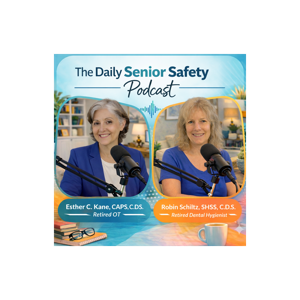
A podcast focused on the topics of senior safety, aging in place and caring for older adults.