
Sign up to save your podcasts
Or

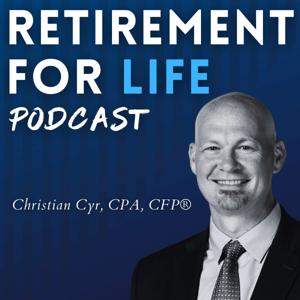

Market downturns are inevitable, but a properly structured retirement plan with guardrails can protect retirees from making emotional decisions that damage long-term financial security.
• The stock market historically grows approximately 10x over a 20-year period despite occasional downturns
• Missing just the five best market days since 1988 could reduce long-term gains significantly
• The danger zone (five years before and after retirement) requires the most conservative allocation
• Proper retirement portfolios typically allocate only 30-60% to stocks with the remainder in bonds and "mailbox money"
• Income needs should be primarily met through stable sources like social security and mailbox money (15-25% of portfolio)
• When markets decline, distributions should come from bonds rather than selling depreciated stocks
• $100,000 invested in the S&P 500 over the past 20 years would grow to $723,000, but missing the 10 best trading days reduces this to just $326,819
• The stock market always recovers—even including extreme drops like the dot-com bubble, 2008 crisis, and pandemic, the S&P 500 averaged 6.62% annual returns from 2000-2020
• Four key facts during market downturns: income depends on mailbox money and social security, distributions come from bonds, bonds often rise when stocks fall, and markets always recover
• Removing emotions from investing decisions is critical for long-term success
We love hearing from you!! Record your retirement questions anytime at www.RetirementForLife.com
Investment advisory s...
 View all episodes
 By Christian Cyr, CPA, CFP®

4.6
1111 ratings
Market downturns are inevitable, but a properly structured retirement plan with guardrails can protect retirees from making emotional decisions that damage long-term financial security.
• The stock market historically grows approximately 10x over a 20-year period despite occasional downturns
• Missing just the five best market days since 1988 could reduce long-term gains significantly
• The danger zone (five years before and after retirement) requires the most conservative allocation
• Proper retirement portfolios typically allocate only 30-60% to stocks with the remainder in bonds and "mailbox money"
• Income needs should be primarily met through stable sources like social security and mailbox money (15-25% of portfolio)
• When markets decline, distributions should come from bonds rather than selling depreciated stocks
• $100,000 invested in the S&P 500 over the past 20 years would grow to $723,000, but missing the 10 best trading days reduces this to just $326,819
• The stock market always recovers—even including extreme drops like the dot-com bubble, 2008 crisis, and pandemic, the S&P 500 averaged 6.62% annual returns from 2000-2020
• Four key facts during market downturns: income depends on mailbox money and social security, distributions come from bonds, bonds often rise when stocks fall, and markets always recover
• Removing emotions from investing decisions is critical for long-term success
We love hearing from you!! Record your retirement questions anytime at www.RetirementForLife.com
Investment advisory s...

444 Listeners

810 Listeners

1,333 Listeners
536 Listeners

750 Listeners

548 Listeners

700 Listeners

582 Listeners

833 Listeners

204 Listeners

584 Listeners
1,069 Listeners

185 Listeners

142 Listeners

101 Listeners