
Sign up to save your podcasts
Or

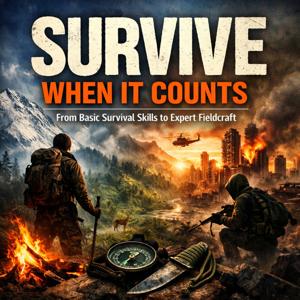


When people think about survival, they often picture fire, shelter, or a knife in hand. But if you strip survival down to the basics, water rises to the top almost immediately. You can go far longer without food than without water, and once dehydration starts affecting your judgment, everything gets harder. That is why these survival water tips matter so much: they are not just about staying hydrated, they are about staying sharp, calm, and capable when conditions turn against you.
The first rule is simple: know where water is likely to be, and don’t wait until you are desperate to look for it. Streams, springs, rain catchment, dew, and even condensation can all become valuable sources if you understand your environment. In many situations, the smartest move is to conserve energy and move toward reliable water rather than wandering aimlessly. If you are planning ahead, map likely sources before you head out. If you are already in a survival situation, think in terms of terrain. Water usually settles low, follows the land, and gathers where vegetation looks healthier. Good survival water tips always start with observation.
Of course, finding water is only half the job. Making it safe is where a lot of people make mistakes. Clear water is not automatically clean water, and even cold mountain streams can carry bacteria, parasites, or other contaminants. Boiling remains one of the most dependable methods when you have the means to do it, and filtration can help remove sediment and improve taste. But remember that a filter is not a magic shield unless you know exactly what it can and cannot remove. If you’re using improvised methods, treat them as backup, not your only defense. The best survival water tips focus on reducing risk, not assuming luck will protect you.
Another important point is how you collect and store water. A container is worth its weight in gold in the field, whether it is a bottle, canteen, collapsible bladder, or even a clean improvised vessel. Keep your water sources and dirty water separate whenever possible. Avoid dipping hands, unclean gear, or contaminated cups directly into your drinking supply. If you have to collect rainwater, use a clean surface and funnel it into a container right away. If you are in a cold environment, protect your water from freezing; in hot conditions, keep it shaded and ration it intelligently. Practical survival water tips are often about small habits that prevent big problems.
Finally, don’t ignore how water affects your decision-making. Dehydration can make you impatient, foggy, and overly aggressive, which is exactly when people start making bad choices. Sip regularly instead of waiting until you feel terrible. Move at a pace that matches your water supply, and avoid unnecessary exertion when resources are limited. In a real survival situation, the goal is not just to get water once. The goal is to build a repeatable system for finding, treating, carrying, and protecting it.
If you remember nothing else, remember this: water is a priority, but smart water management is a skill. The more you practice these survival water tips before you ever need them, the better your chances of staying clear-headed and in control when it matters most.
When people think about survival, they often picture fire, water, or getting rescued. But in a real emergency, one of the first things that will decide how well you do is shelter. Good shelter protects you from wind, rain, sun, cold, insects, and exhaustion. It helps you conserve energy, stay dry, and think clearly. In this episode, we’re focusing on practical survival shelter tips that can make a major difference whether you’re stranded in the woods, dealing with bad weather, or trying to make it through a rough night outdoors.
The first rule is simple: use what’s already there before you build from scratch. Natural shelter is often faster, safer, and more efficient than trying to create something elaborate. Look for rock overhangs, fallen trees, dense evergreen cover, or a dry depression that offers wind protection. The goal is not comfort first. The goal is to reduce exposure. Always check for hazards like falling branches, flooding, loose rocks, or signs of animal activity before settling in. A shelter that looks convenient but puts you in danger is not a good shelter at all.
Next, think about the ground beneath you. A lot of heat loss happens through contact with cold, wet earth, so insulation from the ground is just as important as a roof over your head. If you have a tarp, poncho, emergency blanket, or even clothing you can spare, use it to create a barrier between you and the ground. Pine boughs, dry leaves, grass, bark, and other natural materials can work well as bedding. Try to build a thick layer if you can. Even a simple shelter becomes much more effective when you’re not lying directly on cold soil or damp leaves.
Another key tip is to match your shelter to the weather and your energy level. In mild conditions, a lean-to or debris shelter may be enough to block wind and shed rain. In colder weather, a smaller shelter is usually better because it traps body heat more efficiently. In hot climates, your priority changes: shade and airflow matter more than insulation. A shelter that works in one environment can be a mistake in another, so always think about the conditions before you start building. Also, don’t waste all your daylight and energy making a perfect structure when a simple, functional shelter would do the job.
Finally, location matters as much as construction. Set up your shelter close enough to water to be practical, but not so close that you risk flooding or insect trouble. Avoid low ground where cold air settles at night, and stay out of obvious danger zones like dry creek beds, unstable slopes, or exposed ridgelines during storms. If possible, choose a spot that gives you visibility, access to resources, and enough cover to stay protected without becoming trapped. Shelter is not just about staying warm. It’s about creating a secure base that helps you recover, plan, and make better decisions.
At the end of the day, the best survival shelter is the one that keeps you alive with the least amount of risk and effort. You do not need a perfect build. You need smart choices, solid placement, and enough protection to get through the next few hours safely. Master these survival shelter tips, and you’ll be far better prepared to handle whatever the outdoors throws at you.
If you’ve ever wondered how to survive alone, the answer starts long before the first problem appears. Solo survival is not about acting tough or doing everything perfectly. It’s about staying calm, making smart decisions, and using a few simple priorities in the right order. When you’re by yourself, every choice matters a little more, but that also means clear thinking matters a lot more. In this episode, we’re breaking down the core skills that give you the best chance of getting through a solo emergency safely.
The first priority is mindset. Panic burns energy, clouds judgment, and turns small problems into big ones. If you’re alone in the wild, stop and assess your situation before you do anything else. Ask yourself: What is my immediate danger? Do I have shelter? Water? A way to signal for help? A calm pause can save your life. Solo survival rewards people who slow down, think in steps, and avoid wasting effort. Even if you feel scared, focus on the next right action, not the whole problem at once.
Next comes the survival triangle: shelter, water, and fire. If the weather is cold, wet, or windy, shelter becomes urgent fast. Your goal is not comfort; it’s protection from exposure. Use what’s around you to get out of the elements, whether that means a tarp, a natural windbreak, or a simple debris shelter. After that, secure water as soon as possible. Dehydration reduces strength, focus, and morale. If you find a source, treat it if you can. Fire helps with warmth, water treatment, morale, and signaling, but don’t let it distract you from the basics. A fire is useful only if it supports your survival plan instead of becoming the plan.
Navigation and signaling are the next big pieces of how to survive alone. If you know where you are, don’t wander without a reason. Many solo survivors get into trouble by moving too much and making their situation worse. Stay put if rescue is possible and you’re not in immediate danger. If you do need to travel, move deliberately and leave clear signs of your direction. Use a map, compass, landmarks, or the sun if that’s all you have. If you want to be found, make yourself visible and audible. Bright colors, open ground, smoke, reflective surfaces, and whistle blasts can all help rescuers locate you faster.
Finally, take care of yourself like your life depends on it, because it does. Manage your energy, keep your body dry when possible, and avoid unnecessary risk. Small habits matter: protect your feet, eat when food is available, rest when you can, and keep your gear organized. Solo survival is often less about dramatic action and more about discipline. The person who survives alone is usually the one who stays focused, uses what they have, and keeps making good decisions one hour at a time.
So if you’re learning how to survive alone, remember this: calm first, then shelter, water, fire, navigation, and signaling. Build your plan around staying alive long enough to be found or to find your way out. Confidence in survival comes from preparation, and preparation begins with understanding what matters most when no one else is there to help.
If you’re putting together a survival kit, the goal is simple: carry the right tools, keep them organized, and make sure every item earns its place. A solid survival kit checklist isn’t about packing for every possible disaster. It’s about building a compact, reliable system that helps you stay warm, hydrated, oriented, and calm when conditions turn against you. Whether you’re preparing for a day hike, a road trip, a camping weekend, or a real emergency, the basics stay the same: think first, pack smart, and keep it usable under pressure.
Start with the essentials that support immediate survival. Water comes first, so include a way to carry it and a way to make it safe. That means a durable bottle or bladder, a filter, purification tablets, or both if space allows. Next comes fire, because fire can warm you, dry clothing, purify water, and boost morale. A lighter is fast, waterproof matches are a good backup, and a ferro rod gives you a dependable long-term option. Add a compact tinder source, such as cotton balls with petroleum jelly or commercial fire starters, so you’re not depending on perfect conditions to get a flame going.
After that, focus on shelter and protection from the environment. A survival kit checklist should always include a space blanket, bivvy sack, tarp, or lightweight emergency shelter. Even a simple tarp can make a huge difference if the weather turns cold, wet, or windy. Pair that with a knife or multi-tool, paracord, duct tape, and a small repair kit. These items help you cut, tie, patch, improvise, and solve problems on the spot. Clothing matters too, so think in layers and pack for the environment you’re actually entering, not the one you hope to experience.
Navigation and signaling are the next priorities. A map, compass, and the knowledge to use them belong in every serious survival kit. GPS is useful, but batteries fail and signals disappear, so don’t rely on electronics alone. For signaling, include a whistle, mirror, and a bright panel or marker that can be seen from a distance. A small flashlight or headlamp with extra batteries is also essential, especially if you need to move at night, signal for help, or work hands-free during an emergency. These tools don’t just help rescuers find you; they help you make better decisions before panic sets in.
Finally, build your kit around health, food, and practical readiness. A first aid kit should cover cuts, blisters, burns, pain relief, and any personal medications you need to function safely. Add hygiene basics like hand sanitizer, toilet paper, and a small trowel or waste bag system if you’ll be outdoors for long periods. Include a few high-calorie food items that store well and don’t require cooking, such as energy bars, nuts, or dehydrated meals. And don’t forget the human side of survival: a survival kit checklist should also include a small notebook, pencil, emergency contacts, and copies of important documents if you’re preparing for urban or vehicle-based emergencies.
The best survival kit is the one you understand, maintain, and can use without hesitation. Check it regularly, replace expired items, and practice with the gear before you need it. A well-built survival kit checklist won’t make you invincible, but it will give you options, confidence, and a much better chance of staying alive when things go wrong.
If you spend enough time outdoors, you learn a simple truth: the wilderness doesn’t care how experienced you are. Conditions can change fast, plans can fall apart, and small mistakes can become serious problems. That’s why the best wilderness survival tips are not about heroics or extreme tactics. They’re about staying calm, making smart decisions, and handling the basics well enough to keep yourself safe until help arrives or you can get yourself out.
The first rule is to slow down and assess your situation. Panic burns energy, clouds judgment, and leads to bad choices. If you realize you’re lost or in trouble, stop moving for a moment and think. Ask yourself what you have, where you were last certain of your location, and what immediate threats you face. Do you need shelter from weather? Water? A signal? A way to stay warm through the night? Good wilderness survival starts with priorities. In most situations, it’s better to conserve energy than to wander in circles hoping to stumble onto a trail.
Water is one of the most important survival needs, and managing it well can make a huge difference. If you have a reliable source, collect and purify water before drinking it whenever possible. If you don’t have purification tools, look for the cleanest moving water you can find and avoid taking chances with stagnant pools. In hot conditions, reduce exertion and stay shaded. In cold weather, people often underestimate dehydration because they don’t feel thirsty, but it still happens. One of the most practical wilderness survival tips is to treat water as a constant priority, not an afterthought.
Next, focus on shelter and fire. Exposure is often the real danger, especially if the weather turns wet, windy, or cold. A shelter doesn’t need to be perfect; it needs to block wind, shed rain, and help you retain body heat. Use natural features first, then build around them with branches, leaves, or a tarp if you have one. Fire can provide warmth, morale, and a signal, but only if you can build it safely and keep it going. Gather tinder, kindling, and fuel before you strike a spark, and remember that a fire you can’t maintain is just a brief distraction. In many survival situations, dry clothing and a good shelter are just as valuable as flames.
Navigation and signaling matter too. If you’re not certain where you are, avoid making random long-distance moves unless you have a clear reason. Instead, use landmarks, the sun, terrain features, or a map and compass if available. If rescue is possible, make yourself easier to find. Bright clothing, reflective items, whistles, smoke, and visible ground-to-air signals can all help. Even simple actions like staying near open areas and keeping a signal site organized can improve your chances. The goal is not to disappear into the landscape; it’s to make smart, visible decisions that increase your odds of being found.
Finally, remember that survival is as much mental as physical. Fatigue, fear, and frustration can push people into risky behavior. Break the problem into small tasks: stay warm, get water, make shelter, signal, rest, and reassess. That steady approach keeps you moving forward without wasting energy on panic. The best wilderness survival tips always come back to the same idea: prepare well, think clearly, and respect the environment you’re in.
Whether you’re hiking for a day or spending nights deep in the backcountry, these fundamentals build confidence. The more you practice them before you need them, the more natural they become when it matters most. In the wilderness, skill and calm judgment are often the difference between a bad situation and a life-threatening one.
If you want to stay calm and capable when things go wrong, you need more than gear—you need a plan. That is what a solid survival planning checklist gives you. It turns stress into steps, confusion into priorities, and panic into action. Whether you are preparing for a weekend in the backcountry, a power outage at home, or a true emergency that forces you to move fast, planning ahead is one of the most important survival skills you can build.
The first part of any survival planning checklist is understanding your environment and your likely risks. Start by asking simple questions: Where am I most likely to be when an emergency happens? What hazards are realistic in that area? A mountain hiker needs to think about weather changes, navigation, injury, and exposure. Someone in a city may need to prepare for blackouts, transport disruption, civil unrest, or being stuck away from home. The goal is not to imagine every disaster—it is to focus on the ones that are actually plausible. Once you know the risks, you can plan around them instead of reacting blindly.
Next, build your priorities around the basics of survival: water, shelter, fire, first aid, and communication. Your checklist should cover what you need to stay alive for the first 72 hours, because that is often the critical window. Do you have a way to purify water? Do you carry a reliable lighter, waterproof matches, or another fire-starting method? Have you packed a shelter option that matches the weather, like a tarp, bivvy, or emergency blanket? Do you have a first aid kit that you actually know how to use? And if you get separated, how will you signal for help? These are not glamorous items, but they are the backbone of any real survival planning checklist.
After that, think about mobility and decision-making. A good plan includes more than equipment—it includes triggers for action. At what point do you stay put, and at what point do you move? What route will you take if roads are blocked? Where are your rally points, safe locations, or backup shelters? If you are with family or a team, everyone should know the plan before an emergency happens. That means contact numbers, meeting places, and a simple chain of decisions that does not depend on perfect conditions. The more clearly you decide in advance, the less likely you are to waste time under pressure.
Finally, make your checklist practical by testing it. A survival plan that lives only on paper is not much use when the weather turns or the lights go out. Pack your kit, check your batteries, review your maps, and practice the basics. Can you set up shelter quickly? Can you navigate without your phone? Do you know how long your water supply will last? Small drills expose weak spots before they become real problems. That is how confidence grows: not from guessing, but from repeated preparation.
A strong survival planning checklist is really a thinking tool. It helps you prepare for the most likely problems, cover the essentials, and make better decisions when conditions get hostile. If you can plan well, you can move calmly. And when survival depends on clear thinking, that calm may be your greatest advantage.
When people hear the phrase wilderness skills training, they often picture dramatic survival scenes, extreme weather, or someone making fire from nothing. But real wilderness skill is much simpler, and much more useful. It starts with staying calm, making good decisions, and knowing the basics well enough to trust yourself when conditions change. In this episode, we’re breaking down the core abilities that turn uncertainty into confidence and help you move from simply being outdoors to being truly prepared.
The first and most important part of wilderness skills training is mindset. Before you worry about gear, routes, or techniques, you need the ability to pause and think clearly. Panic burns energy, clouds judgment, and leads to mistakes. A trained outdoors person learns to stop, assess, and act in order: What is the immediate risk? What do I need right now? How do I conserve energy and improve my situation? That calm approach is the foundation for everything else. Whether you are lost, delayed, wet, cold, or tired, a steady mind gives you the best chance of making smart choices.
Next comes the practical survival core: water, shelter, fire, and clothing. These are not flashy skills, but they are the ones that matter most when conditions turn against you. Water management means knowing how to find, collect, treat, and ration safely. Shelter means understanding how to reduce exposure to wind, rain, heat loss, and fatigue using the environment around you. Fire is not just about warmth; it can support morale, signal for help, dry gear, and make water safer to drink. Clothing, meanwhile, is your first shelter. Learning how to layer properly, stay dry, and manage sweat can make the difference between comfort and a dangerous drop in body temperature.
Another major part of wilderness skills training is navigation and awareness. Getting where you need to go is important, but so is knowing where you are and how to avoid getting more lost. That means learning to read terrain, follow landmarks, use a map and compass, and pay attention to natural clues like slope, drainage, and sun position. Good navigation is not about rushing ahead. It is about moving with intention, checking your position often, and making decisions before confusion builds. When combined with emergency signalling, this skill becomes even more powerful. A whistle, mirror, fire, bright fabric, or well-chosen signal can shorten a rescue window and increase your chances of being found.
Finally, true wilderness competence includes the habits that keep you functional over time: campcraft, hygiene, first aid, and weather awareness. A clean camp is a safer camp. Proper hygiene helps prevent illness and keeps morale up. Basic first aid lets you handle cuts, blisters, sprains, and other common problems before they become serious. And reading the weather helps you prepare instead of react. Changing clouds, wind, temperature, and moisture all tell a story if you know how to listen. The outdoors rewards people who pay attention.
Wilderness skills training is not about becoming fearless. It is about becoming capable. Step by step, these skills build judgment, resilience, and confidence so you can handle the unexpected with a clear head and a steady hand. The more you practice, the more natural it becomes to think ahead, stay composed, and make the outdoors work for you instead of against you.
If you’re looking for survival training for beginners, the best place to start is not with dramatic scenarios or extreme gear. It starts with calm thinking, simple skills, and a clear understanding of what keeps you alive when conditions turn difficult. In this episode, we’re breaking survival down into practical steps anyone can learn, whether you’re heading into the backcountry, preparing for emergencies, or just want more confidence outdoors.
The first lesson in survival training for beginners is mindset. Panic burns energy, clouds judgment, and turns small problems into big ones. The goal is to slow down, assess your situation, and focus on the basics: shelter, water, fire, and signaling. If you can stay calm, you can make better decisions. That’s why survival is not just about tools or toughness. It’s about discipline, awareness, and the ability to think clearly when things go wrong.
Once your mindset is in place, the next step is understanding priorities. Water comes first because dehydration can quickly become life-threatening. Learn how to find it, collect it, and purify it. Fire comes next because it provides warmth, helps dry clothing, boosts morale, and can make water safer to drink. Shelter is equally important, especially in cold, wet, or windy conditions. Even a simple tarp, natural cover, or debris shelter can make a major difference. Beginners often think survival means doing everything at once, but the real skill is knowing what matters most right now.
Another key part of survival training for beginners is learning to work with your environment instead of against it. That means understanding weather, terrain, and clothing. If you know how to read the sky, spot changing conditions, and choose the right layers, you reduce risk before it becomes an emergency. It also means practicing basic navigation so you don’t get lost in the first place. A map, compass, and the ability to identify landmarks can save time, energy, and stress. The more familiar you are with your surroundings, the less likely you are to make dangerous mistakes.
Finally, beginners need to build practical habits, not just knowledge. Pack a simple emergency kit. Learn basic first aid. Practice setting up shelter before you need it. Try starting a fire in poor conditions. Carry water treatment options and a reliable signaling method. These small actions build confidence fast because they turn theory into experience. Survival skills improve through repetition, and every bit of practice makes you more capable when it counts.
Survival training for beginners is really about building a foundation. You don’t need to master everything at once. Start with the essentials, practice them regularly, and add new skills over time. The more prepared you are, the less likely you are to freeze when conditions turn hostile. Stay calm, stay aware, and focus on the fundamentals. That’s how survival becomes skill, and skill becomes confidence.
If you’ve ever wanted a practical, no-nonsense way to build real survival skills, this outdoor survival course is designed to take you there step by step. Instead of jumping straight into extreme scenarios, it starts with the basics that keep people alive and builds from there. That matters, because survival is rarely about one dramatic moment. It’s about calm thinking, good habits, and knowing what to do before conditions turn against you.
The first part of any solid outdoor survival course focuses on mindset and priorities. When things go wrong outdoors, panic burns energy and clouds judgment. That’s why the foundation begins with staying calm, assessing your situation, and making smart decisions in the right order. Water comes first, then shelter, then fire, then signaling and navigation. These are the essentials that help you stabilize, reduce risk, and create a plan instead of reacting blindly. Even simple skills like choosing a safe campsite or recognizing early signs of fatigue can make a huge difference.
From there, the course moves into practical fieldcraft. This is where survival becomes hands-on. You learn how to build a shelter that actually protects you, how to manage clothing for changing weather, and how to keep yourself dry, warm, and functional. Fire-building is covered not just as a skill for comfort, but as a tool for warmth, water treatment, morale, and signaling. You also get into campcraft, hygiene, first aid, and weather awareness, because staying alive is only part of the job. Staying effective matters too. A good outdoor survival course teaches you how to conserve energy, prevent small problems from becoming major ones, and stay ready for the next challenge.
As the training progresses, it expands into harsher environments and more complex situations. Cold weather survival, heat management, mountain travel, jungle movement, coastline hazards, river crossings, and night navigation all demand different thinking. The course helps you understand that no environment is neutral. Each one changes the rules. You learn how to read terrain, manage exposure, move with purpose, and avoid common mistakes that put people at risk. This is also where survival psychology becomes important. Fear, frustration, and poor judgment can be just as dangerous as weather or terrain, so building mental resilience is part of the process.
The final layer of the outdoor survival course brings everything together in real-world planning. That includes urban emergencies, home preparedness, vehicle kits, bugging in versus bugging out, and building a dependable 72-hour plan. These are the skills that matter when survival is not happening in a remote wilderness setting, but in the middle of everyday life. By the end, you’re not just collecting tips. You’re developing a framework for thinking clearly, moving smartly, and adapting under pressure. That’s what makes survival training valuable: not fear, but confidence built on competence.
Whether you’re a beginner, an outdoor enthusiast, or someone serious about self-reliance, this outdoor survival course offers a structured path from first principles to advanced fieldcraft. It’s about learning how to stay calm, stay prepared, and stay alive when conditions get difficult. One skill at a time, you build the judgment to handle the unexpected—and that can make all the difference.
If you’re looking for a survival guide for beginners, the best place to start is not with gear, but with mindset. When conditions turn uncomfortable, confusing, or dangerous, the people who do best are usually the ones who stay calm, think clearly, and act in order. Survival is rarely about dramatic heroics. It’s about slowing down, making smart decisions, and focusing on what matters most: staying alive, staying warm, staying hydrated, and staying oriented. In this episode, we’re breaking down the first principles every beginner should understand before heading into the outdoors or facing an unexpected emergency.
The first rule is simple: control your panic. A stressed mind makes rushed choices, and rushed choices create bigger problems. If you’re lost, injured, or caught out longer than expected, stop moving for a moment and assess your situation. Ask yourself: am I safe right now, do I have shelter, do I have water, and do I need help? That short pause can prevent a bad situation from becoming a life-threatening one. Beginners often think survival means doing everything at once, but the real skill is prioritizing in the right order. Calm decision-making is your most valuable tool.
Next, focus on the core survival needs: water, shelter, and fire. Water is critical, but drinking from the wrong source can make things worse, so learn how to identify safe water and how to purify it when needed. Shelter protects you from wind, rain, cold, and heat, and even a simple barrier can dramatically improve your chances of lasting through the night. Fire can provide warmth, a way to dry clothing, a signal for rescue, and a morale boost when everything feels uncertain. For beginners, the goal isn’t to master every technique immediately. It’s to understand the basics well enough to build confidence and avoid common mistakes.
Equally important is preparation before you ever leave home. A solid survival guide for beginners should include clothing, navigation, and emergency signaling. Dress for the environment, not the weather you hope for. Carry layers that keep you dry and help regulate body temperature. Know how to read a map, use a compass, and recognize major landmarks so you can avoid wandering deeper into trouble. And always have a way to signal for help, whether that’s a whistle, mirror, flashlight, phone, or personal locator device. Survival often comes down to being found sooner rather than later.
Finally, build habits that make survival easier before an emergency happens. Pack a small kit, tell someone where you’re going, carry extra water when possible, and learn basic first aid. Practice simple skills like starting a fire, setting up shelter, and navigating in daylight before you need them in the dark. The more familiar these tasks become, the less overwhelming they feel under pressure. That’s the real purpose of a survival guide for beginners: not to create fear, but to create readiness.
Survival doesn’t begin when things go wrong. It begins with preparation, awareness, and the willingness to think ahead. Start with the basics, practice them often, and build from there. If you can stay calm, protect yourself from the elements, and make steady decisions, you’re already ahead of the curve. That’s how beginners become capable, and how capable people stay alive when conditions turn hostile.