
Sign up to save your podcasts
Or



When people think about survival, they often picture fire, shelter, or navigation. But the truth is simple: if you don’t have safe water, nothing else matters for long. In this episode, we’re talking about water purification, one of the most important survival skills you can learn. Whether you’re camping deep in the woods, dealing with an emergency at home, or trying to make sense of a questionable source in the field, knowing how to turn unsafe water into drinkable water can keep you calm, capable, and alive.
The first thing to understand is that not all water that looks clean is safe. Clear mountain streams, rainwater collected in a bucket, or water from a puddle after a storm can all carry bacteria, protozoa, viruses, and chemical contaminants. That means the first step in water purification is always assessment. If the water is murky, has visible debris, or comes from a risky source, it should be treated as unsafe until proven otherwise. A quick pre-filter through cloth, a bandanna, or even a coffee filter can remove sediment, but it does not make water safe on its own. It simply prepares the water for the real purification step.
One of the most reliable methods is boiling. If you have the fuel and a container that can handle heat, boiling water is a straightforward way to kill most pathogens. Bring it to a rolling boil for at least one minute, and longer if you’re at high altitude. Boiling is dependable because it doesn’t require special gear, but it does take time, fuel, and a container. In a long-term survival situation, those resources matter. That’s why many people carry multiple options instead of relying on just one. Good survival thinking means having backups.
Another common method of water purification is chemical treatment. Water purification tablets, chlorine dioxide drops, and household bleach used correctly can disinfect water when boiling isn’t practical. These methods are lightweight, easy to pack, and valuable in a bug-out bag or vehicle kit. But they are not instant, and they work best when the water is already clear. They also have limits when it comes to certain parasites and chemical contamination, so reading instructions carefully is essential. In survival, precision matters. Guessing can cost you.
For many people, filtration is the most practical field solution. Portable filters can remove sediment and many harmful microorganisms, making them ideal for hiking, camping, and emergency use. Some systems are compact enough to fit in a pocket, while others are designed for groups or base camp use. Still, it’s important to know what a filter can and cannot do. Most filters do not remove viruses unless specifically designed to do so, and very few remove dissolved chemicals. That’s why the best approach is layered: filter first, then disinfect if needed. Think of it as building a safety chain rather than trusting a single link.
At the end of the day, water purification is about more than gear. It’s about judgment. Knowing when to collect water, how to treat it, and which method fits the situation is part of being truly prepared. The goal is not just to survive one night or one hike. The goal is to build confidence through repeatable skills. When you understand water purification, you remove one of the biggest variables in an emergency. And in survival, fewer unknowns mean better decisions, less panic, and a much better chance of making it through.
When most people think about survival, they picture gear, fire-starting tools, shelter builds, or a knife on a belt. But before any of that matters, there’s something even more important: the way you think. In this episode, we’re starting at the beginning with the survival mindset, because the right mindset can keep you alive long enough to use every other skill you’ve got.
The first job in any survival situation is to control panic. Fear is normal, but panic burns energy, clouds judgment, and turns manageable problems into dangerous ones. A strong survival mindset starts with slowing down, breathing, and asking simple questions: What is happening right now? What is the biggest immediate threat? What do I need first? That kind of mental reset helps you avoid rushed mistakes and gives you the clarity to act with purpose. In survival, calm is not weakness. It’s a tool.
Next comes the habit of prioritization. Survivors don’t try to do everything at once. They focus on what matters most: protection from the elements, water, fire, shelter, and then everything else. A good survival mindset means learning to break a big crisis into small, solvable steps. If you’re cold, get dry and get covered. If you’re lost, stop moving randomly and build a plan. If you’re injured, assess the injury before wasting energy on less urgent tasks. The ability to sort problems by importance can save valuable time and conserve strength.
Another key part of the survival mindset is adaptability. Nature rarely gives you ideal conditions, and plans often fall apart fast. You may have to build shelter with poor materials, navigate in bad weather, or make decisions with limited information. The people who do best are not always the strongest or most experienced—they’re the ones who stay flexible. They adjust, improvise, and keep moving forward when the original plan fails. That means accepting reality as it is, not as you wish it were, and working with what you have instead of what you hoped for.
Finally, survival is as much about attitude as it is about action. Confidence matters, but it has to be built on honest self-awareness. Overconfidence gets people into trouble. So does giving up too early. The best survival mindset sits somewhere in the middle: realistic, steady, and determined. It says, “I may not know everything, but I can think clearly, learn fast, and keep going.” That mindset can turn fear into focus and uncertainty into progress.
As this series continues, we’ll build on that foundation with practical skills for water, fire, shelter, navigation, and fieldcraft. But no matter how advanced the techniques become, they all begin here. If you can manage your thoughts, control your emotions, and make solid decisions under pressure, you already have the most important survival skill of all. That is the power of the survival mindset.
When people hear the words disaster preparedness, it’s easy to picture a bunker full of gear or a dramatic last-minute escape. But real preparedness is usually quieter than that. It starts long before an emergency, with clear thinking, simple systems, and a plan you can trust when stress is high and information is limited. In this episode, we’re looking at what it actually means to be ready for disruption, whether that disruption is a power outage, a severe storm, a supply chain problem, or something far more serious.
The first principle of disaster preparedness is knowing what you’re preparing for. Not every emergency looks the same, and your response shouldn’t be one-size-fits-all. A home fire requires a very different plan from a flood, an earthquake, or a winter storm. That’s why it helps to start with risk awareness. Look at your location, your climate, your household needs, and the most likely threats in your area. Once you know the hazards that matter most, you can focus your time and energy on the things that will actually make a difference.
Next comes the foundation of any solid preparedness plan: having the essentials ready before you need them. Water is always near the top of the list, along with food, first aid, lighting, batteries, warm clothing, and a way to communicate. But disaster preparedness is not just about stockpiling supplies. It’s about redundancy and access. Can you reach your flashlight in the dark? Do you have backup power for your phone? Does everyone in the household know where emergency supplies are stored? The best kit in the world is useless if nobody can find it or use it under pressure.
Another major part of preparedness is planning for decisions, not just equipment. In a crisis, people often lose time because they’re trying to think through basic steps while under stress. That’s why a simple written plan matters. Where will you meet if separated? Who do you call first? When do you stay put, and when do you leave? If you need to shelter in place, what does that look like in practice? If you need to evacuate, what goes in the car, and where are you going? These are not dramatic questions, but they are the ones that save time, reduce panic, and improve outcomes.
Finally, disaster preparedness works best when it becomes a habit, not a one-time project. Check your supplies. Replace expired items. Practice your plan. Talk through scenarios with the people who matter most. Even a few minutes of review each month can make a huge difference when something unexpected happens. Preparedness is really about confidence built in advance, so that when conditions turn hostile, you’re not starting from zero.
At its core, disaster preparedness is about responsibility, calm, and foresight. It gives you options when other people are frozen by uncertainty. It won’t prevent every crisis, but it will help you respond with more clarity, more control, and more resilience. And that can make all the difference when the unexpected arrives.
Outdoor survival is more than having the right gear in your pack. It’s the ability to stay calm, make good decisions, and use the environment around you to keep yourself alive. In this episode, we’re focusing on the core skills that matter most when comfort disappears and the weather, terrain, or distance from help starts to become a real challenge. Whether you’re a beginner learning the basics or someone building serious fieldcraft, outdoor survival starts with simple actions done well.
The first and most important skill is mindset. When something goes wrong outside, panic burns energy fast and clouds judgment. The goal is to slow everything down. Stop, breathe, assess, and decide what matters most right now. Are you injured? Is weather closing in? Do you need water, shelter, or a way to signal for help? Outdoor survival often comes down to priorities, and the people who do best are usually the ones who can think clearly under pressure. A calm mind helps you conserve energy, avoid unnecessary movement, and make the next right decision instead of ten rushed ones.
Next comes the classic survival sequence: shelter, water, fire, and navigation. Shelter protects you from wind, rain, heat loss, and exposure, which can become dangerous far faster than most people expect. Even a basic lean-to, tarp setup, or dry natural shelter can buy you time and stability. Water is the next critical need, but knowing where to find it is only half the battle. You also need to know how to make it safe. Fire supports warmth, cooking, drying clothing, morale, and signaling, but it should never distract you from keeping your priorities straight. Navigation, meanwhile, prevents a bad situation from getting worse. If you know how to orient yourself, read land features, and avoid wandering in circles, you dramatically improve your chances of reaching safety.
Outdoor survival also depends on practical field habits that many people overlook. Clothing choices, foot care, and basic campcraft can make the difference between manageable discomfort and a full-blown emergency. Wet socks, poor layering, blisters, and bad sleeping setups drain strength quickly. Good clothing management keeps heat in when it’s cold and helps you regulate temperature when conditions shift. Strong campcraft means setting up efficiently, keeping gear organized, protecting food and supplies, and maintaining hygiene even when resources are limited. These small habits matter because survival is often less about dramatic moments and more about staying functional hour after hour.
Finally, no outdoor survival skill set is complete without emergency signaling and first aid. If rescue is possible, you need to be able to attract attention clearly and consistently. That could mean sound, light, reflective movement, ground-to-air signaling, or using a phone and battery wisely when available. First aid is equally important because minor injuries can become serious if ignored. Cuts, sprains, dehydration, exhaustion, and exposure all need to be managed early. The strongest survival plan is the one that keeps problems from stacking up in the first place.
In the end, outdoor survival is about preparation, judgment, and adaptability. You don’t need to know everything at once. You need a reliable foundation, practiced skills, and the confidence to keep moving one step at a time. Build the basics, respect the environment, and remember that staying alive outdoors usually comes down to the simple things done right, under pressure, when it matters most.
If you want to get better at staying safe in the outdoors, the best place to start is with survival basics. Not the dramatic stuff, not the movie version of survival, but the simple, practical skills that keep you alive when conditions change fast and help is not right around the corner. In this episode, we strip everything back to the essentials: mindset, priorities, and the first actions that matter most when things go wrong.
The first and most important survival basic is mindset. Panic burns energy, clouds judgement, and turns small problems into big ones. A calm person thinks more clearly, moves more efficiently, and makes better decisions. That starts with accepting the situation, slowing your breathing, and asking a few simple questions: Am I injured? Do I have water? Am I exposed to the elements? Can I signal for help? Survival is often less about toughness and more about staying mentally organized long enough to act well. If you can control your thoughts, you can control your next move.
Once your head is in the right place, the next survival basic is prioritizing immediate needs. Water, shelter, and fire are the core survival pillars for a reason. Water keeps your body functioning, shelter protects you from wind, rain, cold, and heat, and fire can provide warmth, light, morale, and a way to purify water or signal rescuers. The key is not doing everything at once. It is doing the right thing first. If the weather is threatening, shelter may matter more than movement. If you are dehydrated, finding safe water moves to the top of the list. Survival basics are about sequencing, not rushing.
Another essential part of survival basics is knowing how to use what you already have. A jacket becomes insulation. A tarp becomes shelter. A bottle becomes a water carrier. Even simple items in a pocket or daypack can make a major difference when used correctly. That is why carrying a small, well-thought-out kit matters. You do not need a giant loadout to be prepared. You need a few reliable tools and the knowledge to use them. The best gear in the world is only useful if you understand how it supports your core needs in a real emergency.
Finally, survival basics include awareness and planning. Most emergencies do not begin as emergencies. They begin as delays, breakdowns, weather changes, or getting off track. Good habits reduce risk before the situation gets serious. Tell someone where you are going, carry more water than you think you need, check the forecast, and know how to read the terrain around you. If you are heading outdoors, always have a simple plan for what to do if you cannot continue as planned. That kind of thinking is what turns uncertainty into manageable problems.
Survival basics are not about fear. They are about competence. When you understand the fundamentals, you stop reacting blindly and start responding with purpose. That confidence changes everything. Whether you are a beginner building your first skills or someone who wants a stronger foundation, mastering the basics is the fastest way to become safer, calmer, and more capable in any environment.
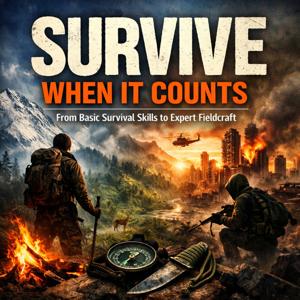
When people hear the words survival skills , they often picture dramatic rescues, survival movies, or extreme wilderness challenges. But real survival is much simpler and much more useful than that. It starts with calm thinking, good habits, and a clear understanding of what keeps you alive when conditions suddenly change. In this episode, we’re breaking down the essential survival skills that build from the absolute basics to advanced fieldcraft, so you can move from uncertainty to confidence one step at a time.
The first and most important survival skill is mindset. Before you worry about gear, maps, or fire-starting tricks, you need the ability to slow down and think clearly. Panic burns energy and leads to bad decisions. A survivor asks: What is my biggest immediate threat? Do I have shelter? Do I need water? Can I signal for help? That kind of calm, step-by-step thinking is the foundation of every other skill. Once you can control your breathing, assess your situation, and act with purpose, you’ve already improved your odds dramatically.
From there, the basics of survival become practical and concrete. Water, fire, shelter, clothing, navigation, and emergency signalling are the core pillars. Water keeps you functioning. Fire provides warmth, morale, cooking, and a way to purify water. Shelter protects you from exposure, which can become dangerous fast in cold, wet, or windy conditions. Clothing is not just about comfort; it is your first layer of defense against the environment. Navigation helps you avoid becoming more lost, and signalling gives rescuers the best chance of finding you. These are not glamorous skills, but they are the skills that matter when the situation gets real.
Once the basics are in place, survival skills begin to expand into everyday outdoor competence. Campcraft, hygiene, first aid, reading weather patterns, and knowing how to survive the first night alone all play a major role. A clean camp and basic hygiene help prevent injury and illness. First aid gives you the ability to handle cuts, blisters, sprains, and more serious emergencies. Weather awareness helps you make better decisions before a storm, drop in temperature, or heat event catches you off guard. And that first night alone? That is often where fear feels biggest. Learning how to set up quickly, stay organized, and keep a level head can make the difference between a miserable night and a manageable one.
As your experience grows, so does the complexity of the environment. Cold weather, heat, mountains, jungle, coastline, night movement, and river crossings all demand different survival skills and different judgments. What works in one place can fail completely in another. You learn how to conserve energy in the cold, manage dehydration in the heat, move safely in steep terrain, stay oriented in dense vegetation, and respect moving water. Survival at this level is about adaptation. It’s about noticing the environment, understanding the risk, and choosing the right action before the situation becomes urgent.
Finally, true survival skills include preparation for the world beyond the wilderness. Urban emergencies, home preparedness, vehicle kits, and a solid 72-hour plan are part of modern resilience. Advanced navigation, tracking, concealment, risk assessment, leadership, survival psychology, and long-term camp planning bring everything together. These skills help you think ahead, act under pressure, and stay effective when the unexpected happens. Survival is not just about getting through one rough night; it’s about building a system of knowledge that makes you harder to defeat by confusion, fear, or bad conditions.
The real value of survival skills is not in pretending you’ll never be in trouble. It’s in knowing that if trouble comes, you have a process. You can assess, adapt, and act. You can keep moving, keep thinking, and keep yourself and others safer. That is what this journey is all about: building skill, judgement, and confidence one episode at a time, until surviving under pressure becomes something you understand, not something you fear.