Sustainable Design Lab

Sustainable Design Lab

Download on the App Store

Sustainable Design Lab episodes

  • Why Packaging Is the Next Frontier of Product Purity
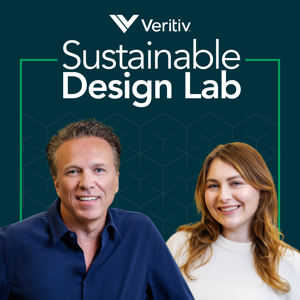
    Welcome to the Sustainable Design Lab podcast by Veritiv. Hosted by Chris Bradley and Brodie Vander Dussen, this show is your go-to resource for cutting-edge insights into the world of sustainable packaging. Join us as we reimagine packaging innovation and turn every decision into a powerful act of sustainability.

    In this episode, Dillon Randolph, Chief Research Officer at Heart & Soil, dives into what happens when a brand refuses to compromise on what touches its products, specifically, Heart & Soil's obsessive commitment to reducing microplastic exposure across their entire product line.

    What You’ll Learn:

    • Why the packaging question matters as much as the ingredient question
    • The real trade-offs of going plastic-free
    • How to evaluate new packaging materials
    • Where consumer awareness is heading
    • What packaging innovations need to solve next
    • The connection between human health and sustainable packaging

    Dillon Randolph is the Chief Research Officer at Heart & Soil, a nutritional supplements company built around the philosophy of “radical health and vitality.” A traditionally trained physician assistant, Dillon's perspective on health care shifted dramatically after meeting Dr. Paul Saladino in 2018 and experiencing firsthand how micronutrients and whole-food nutrition could replace the three medications he'd been prescribed. That transformation led him to leave conventional medicine and join Dr. Paul in building Heart & Soil from the ground up. Today, Dillon oversees product formulation, sourcing, testing, and packaging innovation, with an obsessive focus on quality, purity, and reducing consumer exposure to contaminants like microplastics, heavy metals, and pesticides.

    Download the full report here! To see how these innovations fit into the broader 2026 sustainability landscape.

    This podcast features guest speakers expressing their own company’s products, views, and experiences. Any statements regarding environmental attributes, such as biodegradability, compostability, degradation, or “zero waste” claims, are representations made solely by the guest about their own products or technologies.

    Veritiv Operating Company has not independently substantiated or verified such claims. Under the FTC’s Guides for the Use of Environmental Marketing Claims (16 C.F.R. Part 260), environmental performance may depend on disposal conditions, infrastructure, and environment, and outcomes may vary. This content is provided for informational purposes only and should not be interpreted as an endorsement or guarantee by Veritiv Operating Company.


    Episode Highlights:
    • [00:00] Product vs. Packaging
    • [01:39] Meet Dillon Randolph and the Heart & Soil Mission
    • [06:26] How Far Should Product Responsibility Extend?
    • [09:12] The Plastic Paradox and Microplastics as a Design Driver
    • [10:09] The Hardest Places to Eliminate Plastic
    • [11:58] What Packaging Has to Prove Before It Earns a Product
    • [13:40] The Glass Jar Trade-Off Myth
    • [16:14] When Consumers Will Demand Better Packaging
    • [19:24] What Packaging Innovators Need to Solve Next
    • [21:17] What Gives Dillon Hope
    • [23:21] Hosts Wrap-Up

    If you enjoyed this episode, make sure to subscribe, rate, and review it on Apple Podcasts, Spotify, and YouTube Podcasts. Instructions on how to do this are here.


    Sustainable Design Lab is handcrafted by our friends over at: fame.so 

    Previous guests include: Sam Boex & Bella Collins of Flexi-Hex, Nathan Pajka of Metsä Board, John Felts of Cruz Foam

    Check out our three most downloaded episodes:

    1. Plastic-Free Paper Packaging: Flexi-Hex on Designing for Luxury and Sustainability
    2. How Metsä Board Is Redesigning Packaging From Forest to Shelf with Nathan Pajka
    3. The Future of Foam: Compostable Materials That Perform with John Felts

    23 min
  • Beyond PCR: Why Sustainable Packaging Can’t Be Reduced to a Single Metric with IPG
    Welcome to the Sustainable Design Lab podcast by Veritiv. Hosted by Chris Bradley and Brodie Vander Dussen, this show is your go-to resource for cutting-edge insights into the world of sustainable packaging. Join us as we reimagine packaging innovation and turn every decision into a powerful act of sustainability.

    In this episode, Jay Bolus, Vice President of Sustainability at IPG, shares one of packaging’s most persistent questions: Does more recycled content always mean more sustainable packaging?

    What You’ll Learn:

    • Why PCR has become a proxy for sustainability when it’s really just one tool in the toolbox
    • How regulations like SB 54 and PPWR are splitting companies into three distinct camps
    • The innovation triangle of cost, performance, and sustainability
    • Why the industry’s biggest breakthroughs may come from what customers don’t yet know they need
    • The overlooked role of automation and process optimization in sustainability

    Jay Bolus is Vice President of Sustainability at IPG, bringing decades of expertise at the intersection of material science, circularity, and packaging regulations. With a deep background in sustainable packaging innovation and a proven track record navigating complex regulatory landscapes, Jay has become a trusted advisor helping brands balance sustainability, performance, cost, and availability.

    Download the full report here! To see how these innovations fit into the broader 2026 sustainability landscape.

    This podcast features guest speakers expressing their own company’s products, views, and experiences. Any statements regarding environmental attributes, such as biodegradability, compostability, degradation, or “zero waste” claims, are representations made solely by the guest about their own products or technologies.

    Veritiv Operating Company has not independently substantiated or verified such claims. Under the FTC’s Guides for the Use of Environmental Marketing Claims (16 C.F.R. Part 260), environmental performance may depend on disposal conditions, infrastructure, and environment, and outcomes may vary. This content is provided for informational purposes only and should not be interpreted as an endorsement or guarantee by Veritiv Operating Company.


    Episode Highlights:
    • [00:00] Intro
    • [00:53] How Consumer Expectations Have Shifted in a Decade
    • [02:45] How Companies Are Responding to Regulation
    • [04:32] PCR as a Surrogate for Sustainability
    • [06:04] The Innovation Triangle: Cost, Performance, and Sustainability
    • [07:58] Automation as an Overlooked Sustainability Layer
    • [10:46] Biomaterials and the Next Wave of Packaging Innovation
    • [15:34] Reuse, Refill, and the Next Five to Ten Years
    • [16:51] One Thing Packaging Engineers Should Do Tomorrow

    If you enjoyed this episode, make sure to subscribe, rate, and review it on Apple Podcasts, Spotify, and YouTube Podcasts. Instructions on how to do this are here.


    Sustainable Design Lab is handcrafted by our friends over at: fame.so 

    Previous guests include: Sam Boex & Bella Collins of Flexi-Hex, Nathan Pajka of Metsä Board, John Felts of Cruz Foam

    Check out our three most downloaded episodes:

    1. Plastic-Free Paper Packaging: Flexi-Hex on Designing for Luxury and Sustainability
    2. How Metsä Board Is Redesigning Packaging From Forest to Shelf with Nathan Pajka
    3. The Future of Foam: Compostable Materials That Perform with John Felts
    22 min
  • Zero Waste at 73,000 Seats: How Mercedes-Benz Stadium Built a Closed-Loop System
    Welcome to the Sustainable Design Lab podcast by Veritiv. Hosted by Chris Bradley and Brodie Vander Dussen, this show is your go-to resource for cutting-edge insights into the world of sustainable packaging. Join us as we reimagine packaging innovation and turn every decision into a powerful act of sustainability.

    In this episode, Andrew Bohenko, the Sustainable Initiatives Manager at Mercedes-Benz Stadium in Atlanta, dives into what it actually takes to operationalize sustainability at a massive scale.

    What You’ll Learn:

    • How the stadium earned its TRUE Platinum Zero Waste certification
    • Why two-bin systems outperform three or more
    • How to design packaging systems that align with recovery infrastructure
    • Why procurement policies matter more than material swaps
    • How to operationalize zero waste at a massive scale

    Andrew Bohenko is the Sustainable Initiatives Manager at Mercedes-Benz Stadium in Atlanta, where he oversees one of the world's first venues to achieve TRUE Platinum Zero Waste Certification. With expertise in operational sustainability, packaging systems integration, and community engagement, Andrew has led the stadium's evolution from zero-waste events to achieving 90%+ waste diversion rates across 350+ annual operating days.

    Download the full 2026 Sustainable Packaging Trends report here! To see how these innovations fit into the broader 2026 sustainability landscape.

    This podcast features guest speakers expressing their own company’s products, views, and experiences. Any statements regarding environmental attributes, such as biodegradability, compostability, degradation, or “zero waste” claims, are representations made solely by the guest about their own products or technologies.

    Veritiv Operating Company has not independently substantiated or verified such claims. Under the FTC’s Guides for the Use of Environmental Marketing Claims (16 C.F.R. Part 260), environmental performance may depend on disposal conditions, infrastructure, and environment, and outcomes may vary. This content is provided for informational purposes only and should not be interpreted as an endorsement or guarantee by Veritiv Operating Company.

    Chapters:
    • [00:00] Intro
    • [01:48] The Scope of Sustainability at Mercedes-Benz Stadium
    • [05:39] From Opening Day to Zero Waste
    • [09:46] Achieving TRUE Platinum Certification
    • [11:56] Aligning Packaging with Recovery Systems
    • [13:55] Inside the Resource Recovery Room
    • [19:04] Three Points of Contact Before You Pay
    • [23:00] Evaluating New Packaging Partners Beyond the Sustainability Claim
    • [25:10] Lessons for Retail, Hospitality, and Beyond
    • [26:57] The Future of Sustainable Venues and the Next Workforce
    • [29:41] What Gives Andrew Hope

    If you enjoyed this episode, make sure to subscribe, rate, and review it on Apple Podcasts, Spotify, and YouTube Podcasts. Instructions on how to do this are here.


    Sustainable Design Lab is handcrafted by our friends over at: fame.so 

    Previous guests include: Sam Boex & Bella Collins of Flexi-Hex, Nathan Pajka of Metsä Board, John Felts of Cruz Foam

    Check out our three most downloaded episodes:

    1. Plastic-Free Paper Packaging: Flexi-Hex on Designing for Luxury and Sustainability
    2. How Metsä Board Is Redesigning Packaging From Forest to Shelf with Nathan Pajka
    3. The Future of Foam: Compostable Materials That Perform with John Felts
    34 min
  • How Burton Snowboards Is Rethinking Packaging From the Inside Out with Mitch Rovito
    Welcome to the Sustainable Design Lab podcast by Veritiv. Hosted by Chris Bradley and Brodie Vander Dussen, this show is your go-to resource for cutting-edge insights into the world of sustainable packaging. Join us as we reimagine packaging innovation and turn every decision into a powerful act of sustainability.

    In this episode, Mitch Rovito, a Packaging Manager at Burton Snowboards, navigates how Burton’s rooted culture of sustainability led the team to take aim at single-use plastic packaging across its global supply chain.

    What You’ll Learn:
    • The real technical hurdles of replacing polybags with paper-based alternatives
    • Why Burton chose to lean into imperfection with its refreshingly honest “It's Just Paper” campaign
    • How to translate sustainability vision into operational reality across global supply chains
      Why reframing packaging performance prevents over-engineering and reduces both cost and environmental impact
    • How to identify hidden packaging waste opportunities in your supply chain

    Mitch Rovito is a Packaging Manager at Burton Snowboards, where he has spent the past five years spearheading the brand's mission to eliminate single-use plastic from distribution and consumer-facing packaging. With deep expertise in sustainable materials innovation and supply chain optimization, Mitch has been key in Burton's transition from conventional polybags to paper-based alternatives, a transformation that required rethinking global logistics, warehouse operations, and retail handling standards.

    Download the full report here! to see how these ink innovations fit into the broader 2026 sustainability landscape.

    This podcast features guest speakers expressing their own company’s products, views, and experiences. Any statements regarding environmental attributes, such as biodegradability, compostability, degradation, or “zero waste” claims, are representations made solely by the guest about their own products or technologies.

    Veritiv Operating Company has not independently substantiated or verified such claims. Under the FTC’s Guides for the Use of Environmental Marketing Claims (16 C.F.R. Part 260), environmental performance may depend on disposal conditions, infrastructure, and environment, and outcomes may vary. This content is provided for informational purposes only and should not be interpreted as an endorsement or guarantee by Veritiv Operating Company.

    Chapters:
    • [00:00] Intro
    • [01:45] Sustainability in Burton's DNA
    • [04:27] Why Polybags Became the Target
    • [07:28] The Technical Reality of Going Paper
    • [11:03] “It’s Just Paper”
    • [15:41] Transparency Over Perfection
    • [20:32] Advice for Packaging Engineers
    • [24:52] The Future: Harmonization and Humans in the Room
    • [29:45] Sustainable Innovation Is Not a Zero-Sum Game

    If you enjoyed this episode, make sure to subscribe, rate, and review it on Apple Podcasts, Spotify, and YouTube Podcasts. Instructions on how to do this are here.


    Sustainable Design Lab is handcrafted by our friends over at: fame.so 

    Previous guests include: Sam Boex & Bella Collins of Flexi-Hex, Nathan Pajka of Metsä Board, John Felts of Cruz Foam

    Check out our three most downloaded episodes:

    1. Plastic-Free Paper Packaging: Flexi-Hex on Designing for Luxury and Sustainability
    2. How Metsä Board Is Redesigning Packaging From Forest to Shelf with Nathan Pajka
    3. The Future of Foam: Compostable Materials That Perform with John Felts

    34 min
  • How Sway Is Turning Seaweed Into Scalable Packaging with Julia Marsh
    Welcome to the Sustainable Design Lab podcast by Veritiv. Hosted by Chris Bradley and Brodie Vander Dussen, this show is your go-to resource for cutting-edge insights into the world of sustainable packaging. Join us as we reimagine packaging innovation and turn every decision into a powerful act of sustainability.

    In this episode, Julia Marsh, Co-founder and CEO of Sway, discusses how seaweed-based materials are making their way from the lab to the fulfillment line as Sway is developing thermoplastic seaweed flexible films designed to replace single-use plastic in applications, such as polybags and retail packaging.

    What You’ll Learn:

    • How to identify when a material is truly ready to scale beyond innovation
    • Why seaweed outperforms traditional compostable feedstocks
    • The performance-meets-sustainability framework Sway employs
    • How to build regenerative supply chains with transparency
    • Why cost, not innovation, is now the primary scaling barrier
    • How EPR is reshaping material decisions across regions


    Julia Marsh is Co-founder and CEO of Sway, a pioneering company developing seaweed-based materials to replace flexible plastic films and advance regenerative sourcing practices in packaging supply chains. With expertise in biomaterial innovation and sustainable packaging systems, she has spent five years translating material science into real-world commercial applications, working directly with brands and manufacturers to evaluate, test, and scale compostable solutions. Her work addresses a critical gap in the packaging landscape: creating high-performance, home-compostable flexible films that simultaneously protect product integrity and actively improve ocean health and coastal communities.

    Download the full report here! to see how these ink innovations fit into the broader 2026 sustainability landscape.

    This podcast features guest speakers expressing their own company’s products, views, and experiences. Any statements regarding environmental attributes, such as biodegradability, compostability, degradation, or “zero waste” claims, are representations made solely by the guest about their own products or technologies.

    Veritiv Operating Company has not independently substantiated or verified such claims. Under the FTC’s Guides for the Use of Environmental Marketing Claims (16 C.F.R. Part 260), environmental performance may depend on disposal conditions, infrastructure, and environment, and outcomes may vary. This content is provided for informational purposes only and should not be interpreted as an endorsement or guarantee by Veritiv Operating Company.

    Chapters:
    • [00:00] Intro
    • [01:25] What Actually Signals a Material Is Ready for the Real World
    • [02:40] Why Seaweed
    • [04:39] Compostables Can Be Reused Too
    • [06:47] Flexible Films and the “Poucherification of Everything”
    • [08:40] Home Compostability as a Non-Negotiable Design Principle
    • [10:10] Cost, Partners, and the Biggest Barriers to Scaling a New Material
    • [11:59] Building a Supply Chain in the Ocean
    • [14:02] Composting Infrastructure and Building Trust with Composters
    • [15:46] Creating Barrier Properties for Fiber-Based Packaging
    • [18:18] Come for the Seaweed, Stay for the Performance
    • [19:19] EPR: Accelerator or Obstacle?
    • [20:56] Julia’s Vision: Ubiquity, Healthier Oceans, and 100 Million Jobs
    • [22:46] Advice for Packaging Engineers Evaluating New Materials
    • [24:24] What Gives Julia Hope

    If you enjoyed this episode, make sure to subscribe, rate, and review it on Apple Podcasts, Spotify, and YouTube Podcasts. Instructions on how to do this are here.


    Sustainable Design Lab is handcrafted by our friends over at: fame.so 

    Previous guests include: Sam Boex & Bella Collins of Flexi-Hex, Nathan Pajka of Metsä Board, John Felts of Cruz Foam

    Check out our three most downloaded episodes:

    1. Plastic-Free Paper Packaging: Flexi-Hex on Designing for Luxury and Sustainability
    2. How Metsä Board Is Redesigning Packaging From Forest to Shelf with Nathan Pajka
    3. The Future of Foam: Compostable Materials That Perform with John Felts

    29 min
  • From Bacteria to Biodegradable: The Science and Strategy Behind PlantSwitch with Dillon Baxter
    Welcome to the Sustainable Design Lab podcast by Veritiv. Hosted by Chris Bradley and Brodie Vander Dussen, this show is your go-to resource for cutting-edge insights into the world of sustainable packaging. Join us as we reimagine packaging innovation and turn every decision into a powerful act of sustainability.


    In this episode, Dillon Baxter, CEO and Co-founder of PlantSwitch, a company developing plant-based, home-compostable materials designed to biodegrade in any environment, shares how his team achieved cost-competitive PHA alternatives using agricultural waste.


    What You’ll Learn:

    • How bacteria actually build a polymer that looks and performs like plastic
    • A practical roadmap for zero-waste packaging
    • How PlantSwitch is tackling the cost problem that has kept PHA materials on the sidelines for years
    • Why behavior change is a harder solution than material design
    • The critical difference between PLA and PHA in regulatory and marketing contexts


    Dillon Baxter is the CEO and Co-founder of PlantSwitch, driving innovation in plant-based, home-compostable materials designed to replace traditional plastics in single-use applications. With vast expertise in material science, cost-effective scaling, and circular economy solutions, he has developed a proprietary technology that transforms bacterial polymers into functional, biodegradable alternatives that break down naturally in any environment.


    Download the full report here! to see how these ink innovations fit into the broader 2026 sustainability landscape.


    This podcast features guest speakers expressing their own company’s products, views, and experiences. Any statements regarding environmental attributes, such as biodegradability, compostability, degradation, or “zero waste” claims, are representations made solely by the guest about their own products or technologies.


    Veritiv Operating Company has not independently substantiated or verified such claims. Under the FTC’s Guides for the Use of Environmental Marketing Claims (16 C.F.R. Part 260), environmental performance may depend on disposal conditions, infrastructure, and environment, and outcomes may vary. This content is provided for informational purposes only and should not be interpreted as an endorsement or guarantee by Veritiv Operating Company.


    Chapters:
    • [00:00] Intro
    • [00:37] The Packaging Waste Challenge
    • [04:11] How PlantSwitch Works
    • [05:49] Cracking the Cost Problem
    • [07:27] Rethinking the Infrastructure Argument
    • [10:33] PHA vs. PLA
    • [11:55] Why PlantSwitch Isn’t Trying to Change Consumer Behavior
    • [14:44] What Gives Dylan Hope for the Future of Packaging


    If you enjoyed this episode, make sure to subscribe, rate, and review it on Apple Podcasts, Spotify, and YouTube Podcasts. Instructions on how to do this are here.


    Sustainable Design Lab is handcrafted by our friends over at: fame.so 

    Previous guests include: Sam Boex & Bella Collins of Flexi-Hex, Nathan Pajka of Metsä Board, John Felts of Cruz Foam

    Check out our three most downloaded episodes:

    1. Plastic-Free Paper Packaging: Flexi-Hex on Designing for Luxury and Sustainability
    2. How Metsä Board Is Redesigning Packaging From Forest to Shelf with Nathan Pajka
    3. The Future of Foam: Compostable Materials That Perform with John Felts
    18 min
  • 300 Billion Reasons to Rethink Plastic Zip Ties with Sigrid Svedberg
    Welcome to the Sustainable Design Lab podcast by Veritiv. Hosted by Chris Bradley and Brodie Vander Dussen, this show is your go-to resource for cutting-edge insights into the world of sustainable packaging. Join us as we reimagine packaging innovation and turn every decision into a powerful act of sustainability.


    In this episode, Sigrid Svedberg from EVLR International dives into how FibreStrap is replacing fossil-based plastic ties with a PLA biocomposite and paper fiber alternative that matches traditional performance, why upcoming EU PPWR regulations are accelerating the conversation, and where fiber-based materials are heading next.


    What You’ll Learn:

    • Why 300 billion zip ties annually represent packaging's most underestimated sustainability challenge
    • How to conduct a micro-component audit of your packaging system
    • The performance parity principle for material substitution
    • Why regulatory pressure is accelerating the conversation from "should we change?" to "where do we start?"
    • How to leverage drop-in solutions to reduce disruption in your supply chain


    Sigrid Svedberg is the Co-founder of EVLR International, an innovative company revolutionizing load containment and strapping solutions in the packaging industry. With over 20 years of experience in packaging design, sales, and business development, Sigrid has developed a deep expertise in optimizing packaging systems across all stages, from production to distribution and end-of-life. She identified a critical sustainability gap in the widespread use of single-use plastic zip ties and created a fiber-based alternative, combining PLA biocomposite locking heads with FSC-certified paper cord, that matches the performance of traditional plastic while eliminating its centuries-long environmental persistence.


    Download the full report here! to see how these ink innovations fit into the broader 2026 sustainability landscape.

    The information presented in this episode is for general informational and educational purposes only and does not constitute legal advice.


    Sustainable Design Lab is handcrafted by our friends over at: fame.so 

    Previous guests include: Sam Boex & Bella Collins of Flexi-Hex, Nathan Pajka of Metsä Board, John Felts of Cruz Foam

    Check out our three most downloaded episodes:

    1. Plastic-Free Paper Packaging: Flexi-Hex on Designing for Luxury and Sustainability
    2. How Metsä Board Is Redesigning Packaging From Forest to Shelf with Nathan Pajka
    3. The Future of Foam: Compostable Materials That Perform with John Felts
    16 min
  • Inside 3M’s Innovation Machine with Amanda Yates
    Welcome to the Sustainable Design Lab podcast by Veritiv. Hosted by Chris Bradley and Brodie Vander Dussen, this show is your go-to resource for cutting-edge insights into the world of sustainable packaging. Join us as we reimagine packaging innovation and turn every decision into a powerful act of sustainability.


    In this episode, Amanda Yates of 3M takes us behind the scenes of one of the world’s most iconic innovation engines to explore how sustainability is embedded across every stage of product development, from materials science and R&D to commercialization and customer collaboration.


    What You’ll Learn:
    • How to implement a Sustainability Value Commitment framework
    • Why collaborative systems unlock innovation faster
    • The critical importance of mapping trade-offs before commercialization
    • How to align sustainability messaging with different stakeholder motivations
    • Why customer-centric sustainability strategies outperform design-for-sustainability approaches


    Amanda Yates is the Senior Director of Global Sustainability at 3M, where she leads the integration of sustainability principles into the company's research, development, and innovation pipeline. With deep expertise in sustainable product development and corporate environmental strategy, Amanda has been instrumental in advancing 3M's Sustainability Value Commitment, a framework ensuring every new product incorporates sustainability considerations. Her work bridges innovation and impact, aligning 3M's 100+ year legacy of invention with contemporary climate and circular economy goals.


    Download the full report here! to see how these ink innovations fit into the broader 2026 sustainability landscape.


    The information presented in this episode is for general informational and educational purposes only and does not constitute legal advice. 


    Sustainable Design Lab is handcrafted by our friends over at: fame.so 

    Previous guests include: Sam Boex & Bella Collins of Flexi-Hex, Nathan Pajka of Metsä Board, John Felts of Cruz Foam

    Check out our three most downloaded episodes:

    1. Plastic-Free Paper Packaging: Flexi-Hex on Designing for Luxury and Sustainability
    2. How Metsä Board Is Redesigning Packaging From Forest to Shelf with Nathan Pajka
    3. The Future of Foam: Compostable Materials That Perform with John Felts
    14 min
  • How Right-Sized Packaging Reduces Waste, Freight Costs, and Complexity
    Welcome to the Sustainable Design Lab podcast by Veritiv. Hosted by Chris Bradley and Brodie Vander Dussen, this show is your go-to resource for cutting-edge insights into the world of sustainable packaging. Join us as we reimagine packaging innovation and turn every decision into a powerful act of sustainability.


    In this episode, Michael Marszalek and Cameron Stout share why dimensional efficiency is becoming one of the most important and overlooked drivers of sustainable packaging, how the Packsize-Veritiv partnership is making automated right-sized packaging accessible at scale, and what it takes to turn packaging optimization into measurable sustainability and financial impact.


    What You’ll Learn:
    • Why dimensional efficiency outperforms material substitution alone
    • How to identify packaging waste hidden on your warehouse floor
    • The operational integration framework for packaging automation
    • Why reliability concerns around automated packaging systems are overstated
    • How emerging regulations are accelerating the shift from sustainability initiative to business requirement


    Cameron Stout is Vice President for Partnership Development at Packsize, bringing deep expertise in warehouse automation and right-sized packaging solutions. With a background in optimizing fulfillment operations across diverse warehouse environments, he specializes in translating complex automation challenges into practical, scalable implementations.


    Michael Marszalek is the Senior Director of Partnerships at Packsize, dedicated to connecting dimensional efficiency with measurable environmental and financial impact. Bringing a purpose-driven approach to packaging innovation, he champions the integration of automation, material strategy, and supply chain optimization to deliver real-world sustainability outcomes.


    Download the full report here! to see how these ink innovations fit into the broader 2026 sustainability landscape.


    The information presented in this episode is for general informational and educational purposes only and does not constitute legal advice.


    Sustainable Design Lab is handcrafted by our friends over at: fame.so 

    Previous guests include: Sam Boex & Bella Collins of Flexi-Hex, Nathan Pajka of Metsä Board, John Felts of Cruz Foam

    Check out our three most downloaded episodes:

    1. Plastic-Free Paper Packaging: Flexi-Hex on Designing for Luxury and Sustainability
    2. How Metsä Board Is Redesigning Packaging From Forest to Shelf with Nathan Pajka
    3. The Future of Foam: Compostable Materials That Perform with John Felts
    27 min
  • Color Is Carbon: Rethinking Inks with Living Ink
    Welcome to the Sustainable Design Lab podcast by Veritiv. Hosted by Chris Bradley and Brodie Vander Dussen, this show is your go-to resource for cutting-edge insights into the world of sustainable packaging. Join us as we reimagine packaging innovation and turn every decision into a powerful act of sustainability.

    In this episode, Scott Fulbright, CEO and Co-founder of Living Ink Technologies, discusses the real impact of inks and pigments, especially carbon black, one of the most widely used materials in packaging printing. 

    What You’ll Learn:

    • Why pigments are systematically overlooked in sustainability discussions
    • How to convert waste biomass into functional pigments without disrupting existing supply chains
    • The critical difference between carbon sequestration and biodegradability in end-of-life scenarios
    • Why safety is an underrated competitive advantage in material innovation
    • How to position inks within emerging EPR and regulatory frameworks to unlock policy-driven market shifts

    Scott Fullbright is CEO and Co-founder of Living Ink Technologies, an innovator at the intersection of material science, climate innovation, and scalable manufacturing. With a background in biotechnology and the algae and biofuel sectors, Scott has redirected his expertise toward solving one of packaging's most invisible sustainability challenges: replacing fossil-based carbon black pigments with biochar derived from waste biomass and algae. His work showcases that capturing atmospheric carbon through repurposed agricultural residues can create functional, drop-in ink solutions for major consumer brands while maintaining existing manufacturing standards.

    Download the full report here! To see how these ink innovations fit into the broader 2026 sustainability landscape.

    The information presented in this episode is for general informational and educational purposes only and does not constitute legal advice. 

    Sustainable Design Lab is handcrafted by our friends over at: fame.so 

    Previous guests include: Sam Boex & Bella Collins of Flexi-Hex, Nathan Pajka of Metsä Board, John Felts of Cruz Foam

    Check out our three most downloaded episodes:

    1. Plastic-Free Paper Packaging: Flexi-Hex on Designing for Luxury and Sustainability
    2. How Metsä Board Is Redesigning Packaging From Forest to Shelf with Nathan Pajka
    3. The Future of Foam: Compostable Materials That Perform with John Felts
    31 min

About Sustainable Design Lab

From the publisher's feed

Welcome to the Sustainable Design Lab podcast by Veritiv. Hosted by Chris Bradley and Brodie Vander Dussen, this show is your go-to resource for cutting-edge insights into the world of sustainable packaging.