
Sign up to save your podcasts
Or



He calls 911 within minutes, says he thinks she has a knife, and waits outside for police. Then the headlines land, the tape goes up, and a mother is left trying to reconstruct the truth from whatever scraps the system will actually show her.
We sit down with Tonya Branch to follow her firsthand timeline after her son is accused of being a murderer, aggressor, and abuser. We revisit the 911 call details that get lost in retellings, then move to what it feels like to arrive at a chaotic scene where nobody will answer basic questions. From there, we dig into what the record suggests about his condition in the back of the cop car, why Miranda rights matter, and what it means when someone is coached to say "yes" just to make the process look clean. The deeper we go, the more this becomes a conversation about the criminal justice system and transparency: smashed home cameras, knives located nearby, text messages and court documents pulled page by page, and the frustration of discovery delays, redacted neighbor statements, and missing body cam footage.
We also ask the uncomfortable question most true crime stories avoid: if the genders were reversed, would the public and the system interpret "self-defense" differently? If you care about due process, evidence, media bias, and how narratives are built before a trial ever happens, listen through to the end. Subscribe, share this with someone who follows true crime responsibly, and leave a review with your take: what detail would you have written down first?
A mother watches the story about her son get twisted in real time and she realizes one thing too late: the truth doesn't speak for itself, records do. Tonya Branch and Carissa Fox continue Tonya's firsthand account of Sawyer's relationship spiral, from the moment a video reveals marks on his body to the fragile relief of a new girlfriend, Dallas, who briefly brings normalcy back to family life. But the calm doesn't hold. Amber returns and the behavior shifts from volatile to terrifying: doors damaged, friends witnessing chaos, threats made with a knife, and a police response that feels like a shrug.
We talk candidly about domestic violence against men, the double standard that can shape what officers do and what outsiders assume, and why a victim might call a parent before calling 911. Tonya also shares how Zoe, Sawyer's black lab, becomes a tool of control, showing how pets can be weaponized in coercive, unhealthy relationships. As the pressure builds, Tonya takes steps she can control, like sending a certified letter to keep someone away from the property, while Sawyer tries to manage a breakup "safely."
The episode ends with a gripping 911 call that anchors the timeline and forces listeners to confront what happens when help arrives late and narratives harden fast. If you care about true crime stories, protective orders, documentation, and what real evidence looks like in messy domestic violence cases, this conversation will stick with you. Subscribe for the next chapter, share this with someone who needs a clearer lens on coercive control, and leave a review so more listeners can find the show.
What part of this story raises the biggest question for you?
A family can be doing everything right and still get blindsided. We’re talking with Tonya Branch about the life she fought to build: six kids under one roof, a leap of faith into opening an auto repair shop, and a hard-earned sense that things are finally steady. Then her son Sawyer starts dating Amber, and what looks like teenage drama at first reveals something darker: humiliation, control, and a pattern that starts to feel painfully familiar to anyone who has lived around abuse.
We walk through the moments that shift Tonya from uneasy to alarmed. Sawyer goes to rehab, and instead of support, Amber’s messages turn cruel. The conflict spills into Tonya’s workplace, leading to a terrifying scene with blocked cars, dangerous driving, and police who seem more focused on the person crying than the person at risk. We also unpack a detail that matters more than most people realize: the gap between a no-trespassing order and a restraining order, and what that means when you’re trying to keep someone safe.
The core takeaway is simple and urgent: when the truth is likely to be challenged, you document. Tonya explains how “taking good notes” becomes a survival skill, why a notebook can matter as much as a phone call, and how video evidence exposes gaslighting in real time. If you care about domestic violence awareness, coercive control, documenting abuse, and how families navigate the legal system when things turn dangerous, this conversation will stay with you. Subscribe, share this with someone who needs it, and leave a review with your biggest takeaway: what would you write down first?
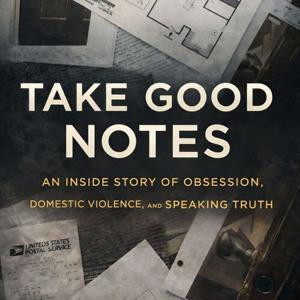
A 15-year prison sentence can turn a family into a headline, but it can also force one question that never stops burning: what if the story everyone believes is incomplete? We’re Tonya Branch and Carissa Fox, and we walk through the lived context behind Tonya’s book, Take Good Notes, beginning with the uncomfortable parts Tonya owns about herself and ending with the life-altering consequences that land her son behind bars after a voluntary manslaughter plea deal.
We talk about domestic violence with the nuance it deserves: how men can also be victims and how women can also be aggressors, why male victims often stay quiet, and how stigma shapes who gets believed. Tonya shares a raw timeline of coercive control, escalating violence, addiction, and the cover stories that hide abuse in plain sight, including the moments where she fought back and how that complicated everything.
You’ll hear the turning points that finally changed the direction of her life: a home invaded by drug debt, a terrifying gun incident that ends with a SWAT team, and the final line she draws when her children are pulled into danger. We also talk about rebuilding after leaving, the reality of single motherhood, and what it feels like to discover a relationship without physical abuse.
If you care about trauma-informed storytelling, intimate partner violence, and how the criminal justice system intersects with family history, this conversation will stay with you. Subscribe, share this with someone who needs it, and leave a review with the biggest warning sign you think people ignore.
From the publisher's feed
A mother's fight for truth — one episode at a time. Take Good Notes is the podcast retelling of Tonya Branch's book of the same name, a raw and emotional account of her son's 15-year prison…