
Sign up to save your podcasts
Or

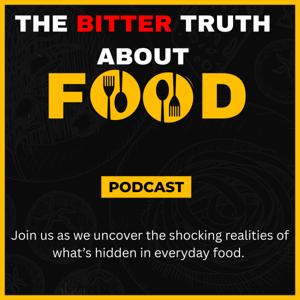


What if some of the most shocking things in your food aren't hidden by accident, but are actually permitted by regulation?
In this eye-opening episode, we dive into the often-overlooked world of food defect levels, contamination limits, and the substances that regulators allow in the food supply. From insect fragments and rodent hair to mold, parasites, and environmental toxins, we explore the standards and guidelines that determine what can legally end up in the foods millions of people consume every day.
You'll learn why these allowances exist, how food manufacturers and regulators justify them, and where the line is drawn between unavoidable contamination and genuine safety concerns. We also examine the difference between what is technically legal and what consumers assume they're buying when they pick up products marketed as clean, wholesome, and high quality.
This episode is not about fear. It's about transparency. Understanding how the food system works requires looking beyond advertising and examining the standards written into the policies, manuals, and regulations that govern what reaches our plates.
In this episode:
The closer you look at the food system, the more complicated the story becomes. Join us as we uncover the uncomfortable realities, surprising regulations, and hidden details written into the rules that shape the food we eat every day.
Learn more about your ad choices. Visit megaphone.fm/adchoices
Arsenic. Lead. Cadmium. Mercury.
These are not ingredients any parent expects to find in food made for babies and toddlers. Yet independent testing and government investigations have repeatedly detected these toxic heavy metals in a wide range of popular baby foods, including cereals, purees, snack puffs, and teething products.
In this episode, we explore the alarming reality behind one of the most controversial issues in modern food safety. What are heavy metals? How do they end up in products designed for infants? And what do health experts mean when they say there is no known safe level of lead exposure for children?
You'll learn why these contaminants are different from ordinary food additives, how they can affect developing brains and bodies, and what parents should know when making feeding decisions. We also examine the role of food manufacturers, regulatory agencies, agricultural practices, and the challenges of reducing exposure in a world where these elements exist naturally in soil and water.
This is not about fearmongering. It is about understanding the science, separating facts from headlines, and equipping parents with the information they need to make informed choices.
In this episode:
The foods marketed as the safest and healthiest options for babies deserve the highest level of scrutiny. Join us as we take a closer look at what's really in baby food and what it means for the youngest among us.
Learn more about your ad choices. Visit megaphone.fm/adchoices
Walk through any grocery store and you'll be surrounded by products claiming to be healthy, natural, wholesome, high in protein, low in fat, or made with real ingredients. But how much can you really learn from the front of a package?
In this episode, we dive into the world of front-of-package labeling and uncover the powerful marketing strategies that influence our food choices every day. From eye-catching health claims and nutrition badges to buzzwords like "natural," "multigrain," and "made with whole grains," we explore how packaging is designed to shape consumer perceptions long before anyone reads the ingredient list.
You'll learn why the front of a package often tells only part of the story, how food manufacturers use labeling to attract attention, and what nutrition experts recommend consumers look for before making purchasing decisions. We also examine the growing debate over standardized front-of-package labeling systems and whether they help people make healthier choices.
Whether you're shopping for yourself, your children, or your family, understanding what's behind the claims on food packaging can help you become a more informed consumer.
In this episode:
A package can tell a story, but it doesn't always tell the whole truth. Join us as we explore what food labels reveal, what they leave out, and how to make smarter choices at the grocery store.
Learn more about your ad choices. Visit megaphone.fm/adchoices
Let me start with a question that should genuinely unsettle you. When a company wants to add a new chemical to the food you eat, who checks whether it is safe first? Most people, if you asked them on the street, would give you the obvious answer. They would say the government checks it. They would say some agency of scientists tests it, reviews the data, and gives it a stamp of approval before it ever reaches a shelf. That belief feels reasonable. It feels like the way a functioning system should work. And for a huge category of the chemicals in your food, that belief is simply, flatly wrong.
Here is the bitter truth. In many cases, the company that wants to sell you the chemical is the same party that gets to decide the chemical is safe. And in some of those cases, they can do it without ever telling the government at all. Let me say that again, slowly, because it is the beating heart of everything we are talking about today. A company can invent a new food additive, declare it safe on its own authority, put it into the food supply, and the agency responsible for protecting you may never even know it exists. That is not a conspiracy theory. That is the law as it has been used for decades. And it has a name. It is called GRAS, which stands for Generally Recognized as Safe.
Learn more about your ad choices. Visit megaphone.fm/adchoices
PFAS chemicals were never supposed to end up in our bloodstreams, our drinking water, or our food — yet today, they’re everywhere. Non‑stick pans, food packaging, waterproof clothing, firefighting foam, cosmetics, even the soil that grows our crops. In this episode of The Bitter Truth About Food, we uncover how a handful of corporations created one of the most widespread chemical contaminations in history… and then spent decades hiding the truth.
It starts in the 1940s, when chemical companies discovered compounds that resisted heat, oil, and water. They were industrial miracles — until internal research revealed something terrifying: PFAS don’t break down. Not in the environment. Not in the human body. Not ever. Instead of sounding the alarm, executives buried the data, silenced scientists, and launched marketing campaigns to keep profits flowing.
We trace how PFAS spread through manufacturing, agriculture, and consumer goods, and how regulators failed to act even as evidence mounted. You’ll learn how these chemicals accumulate in organs, disrupt hormones, and increase long‑term health risks — and why independent researchers now call PFAS one of the most dangerous environmental threats of our time. We also break down the lawsuits, leaked documents, and whistleblower testimonies that finally exposed the scale of the deception, including the science behind bioaccumulation and why forever chemicals truly live up to their name.
This episode reveals the truth corporations hoped would stay buried: PFAS contamination wasn’t an accident. It was a cover‑up — one that left an entire nation paying the price.
Learn more about your ad choices. Visit megaphone.fm/adchoices
Seed oils didn’t become heart‑healthy by accident — they became mainstream through industrial shortcuts, aggressive marketing, and decades of nutritional misdirection. In this episode of The Bitter Truth About Food, we trace the rise of modern cooking oils from factory byproducts to everyday pantry staples, revealing the chemical processes, corporate influence, and political pressure that shaped what America believes is healthy.
It starts in the early 1900s, when companies discovered they could take leftover cottonseed waste and turn it into a cheap, shelf‑stable oil. That breakthrough opened the door for mass‑produced oils like soybean, corn, and canola — oils that required heavy refining, bleaching, deodorizing, and chemical extraction to be remotely edible. Over time, these industrial oils were pushed into homes, restaurants, and packaged foods through strategic advertising and partnerships with major health organizations.
We break down how hydrogenation created trans_fats — one of the most dangerous ingredients ever approved for human consumption — and how the same refining processes still leave behind oxidation products and inflammatory compounds in today’s cleaner oils. You’ll learn how lobbyists shaped dietary guidelines, how food companies used seed oils to cut costs, and how the public was convinced to swap traditional fats for chemically altered ones.
Learn more about your ad choices. Visit megaphone.fm/adchoices
Protein powders are marketed as clean, pure, muscle‑building fuel — but the truth hiding behind the labels is anything but clean. In this episode of The Bitter Truth About Food, we dig into the dark underbelly of the supplement industry and expose the additives, contaminants, and chemical shortcuts packed into products people trust with their health. What you think is helping your body might actually be harming it.
We break down the hidden fillers that bulk up your protein without adding nutrition, the artificial sweeteners linked to gut disruption, and the heavy metals that independent labs keep finding in “healthy” powders. You’ll learn how misleading labels, weak regulations, and aggressive marketing allow companies to slip questionable ingredients into everyday supplements — and why so many brands rely on proprietary_blends to hide what’s really inside.
From cheap manufacturing processes to flavor‑enhancing chemicals to contaminants introduced during production, this episode reveals how the industry prioritizes profit over purity. We’ll explore how protein powders became a billion‑dollar business built on consumer trust — and how that trust is being exploited. You’ll hear the science behind what these additives do to your body, why “natural” doesn’t always mean safe, and how to spot the red flags that most shoppers miss.
This isn’t about fear — it’s about clarity. Because once you understand the hidden junk inside your protein, you can make smarter choices, protect your health, and demand better from the companies selling you clean nutrition.
Learn more about your ad choices. Visit megaphone.fm/adchoices
Your vegetables may look fresh, clean, and healthy — but what’s actually on them tells a very different story. In this episode, What Is Really on Your Vegetables, we uncover the hidden residues, contaminants, and microscopic hitchhikers that make their way from farm to plate.
From pesticide films and soil‑borne bacteria to wax coatings and industrial pollutants, we break down what modern farming and food distribution leave behind — and how these substances impact your health. You’ll learn which vegetables carry the highest loads, how washing really works, and what simple steps can dramatically reduce your exposure.
This episode gives listeners a clear, practical look at the unseen world clinging to their produce — empowering them to shop smarter, clean better, and rethink what fresh truly means.
Learn more about your ad choices. Visit megaphone.fm/adchoices
Most people assume the food on grocery store shelves is safe — but the truth is far more unsettling. In this episode, The Toxins and Disgusting Things Legally Allowed in Your Food, we expose the hidden additives, contaminants, and loopholes that allow questionable ingredients to make their way into everyday meals.
From artificial dyes linked to behavioral issues, to preservatives banned in other countries, to “acceptable” levels of insect fragments, mold, and chemical residues, this episode breaks down how regulatory gaps and industry influence shape what ends up on your plate. We explore the science behind these substances, why they’re permitted, and how they impact long‑term health — often in ways consumers never hear about.
Listeners will learn how to read labels with a critical eye, identify the most concerning additives, and make smarter choices without falling into fear‑based thinking. This episode isn’t about panic — it’s about empowerment. By understanding what’s legally allowed in your food, you gain the knowledge to protect your health, advocate for better standards, and rethink the trust we place in modern food systems.
Learn more about your ad choices. Visit megaphone.fm/adchoices
Most people have no idea what really happens before their chicken, beef, or pork reaches the grocery store shelf — and that’s exactly why this episode of The Bitter Truth About Food exists. Today, we pull back the curtain on America’s meat supply chain and expose the hidden systems, shortcuts, and safety gaps that shape the food you feed your family. From industrial chicken houses to massive beef processing plants to the crowded conditions inside modern pork facilities, we break down how your food is raised, handled, transported, and inspected — and why so much of it is far less safe than you think.
You’ll learn how consolidation in the meat industry has created enormous pressure to produce more at lower cost, often at the expense of sanitation, worker safety, and animal welfare. We’ll explore how weakened oversight, reduced inspections, and policy shifts have allowed contaminated products to slip through the cracks, contributing to the rise in foodborne_illness across the country. And we’ll follow the journey of your food from farm to factory to store, highlighting the critical points where contamination can occur — and why the current system isn’t doing enough to stop it.
This episode isn’t about fear — it’s about awareness. Because once you understand where your food really comes from, you can make smarter choices, demand better standards, and protect your family from the dangers hidden behind the packaging.
Learn more about your ad choices. Visit megaphone.fm/adchoices
From the publisher's feed
10 Listeners

13 Listeners

16 Listeners

13 Listeners

10 Listeners

9 Listeners
2 Listeners

3 Listeners

3 Listeners

0 Listeners
0 Listeners