Midweek Service with Prentiss L. Thompson
When something goes wrong during a church service, the sound engineer is often the first person everyone blames.
The microphone feeds back. A vocalist cannot hear the monitor. The livestream audio sounds uneven. A speaker walks onto the platform with the wrong microphone. Someone makes a last-minute change that the production team was never told about—and somehow, it still becomes the engineer’s fault.
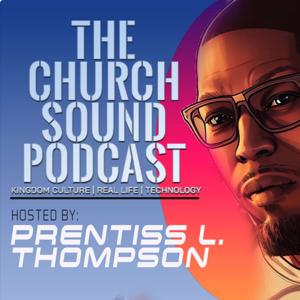
In this episode of The Church Sound Podcast, Prentiss L. Thompson addresses the unhealthy habit of throwing the audio engineer under the bus whenever a technical problem occurs.
The person behind the console has an important responsibility, but church production is a team effort. Pastors, worship leaders, musicians, vocalists, speakers, production volunteers, and ministry leaders all contribute to the final result. When communication, preparation, or cooperation is missing, the engineer cannot solve every problem from behind the soundboard.
In This Episode
- Why church sound engineers are often blamed for every technical problem
- The difference between an engineering mistake and a ministry preparation problem
- How last-minute changes affect the audio and production teams
- Why microphone technique matters
- The importance of musicians and vocalists participating in soundcheck
- How stage volume can limit what the engineer can accomplish
- Why missing rehearsals creates problems during the service
- The need for pastors and worship leaders to communicate with production teams
- Correcting technical issues without embarrassing volunteers publicly
- Creating accountability without turning one person into the scapegoat
- Building trust between the platform and the production department
- Recognizing the engineer as part of the ministry team
The Engineer Cannot Fix Everything
A skilled engineer can improve the mix, manage frequencies, control levels, and respond to unexpected situations. However, the engineer cannot completely correct poor microphone placement, inconsistent vocal technique, excessive stage volume, unprepared speakers, or changes that were never communicated.
Sometimes the problem begins long before anyone touches the soundboard.
A strong service requires cooperation from everyone involved. Musicians must manage their volume. Vocalists must use microphones correctly. Speakers must know which microphone to use. Worship leaders must communicate arrangements and transitions. Ministry leaders must give the production team enough information to prepare.
Stop Blaming and Start Communicating
Publicly blaming the engineer does not solve the problem. It damages trust, discourages volunteers, and creates tension between the stage and the technical team.
When something goes wrong, leadership should investigate what happened before assigning blame. The goal should be to understand the cause, correct the process, and prevent the same issue from happening again.
Constructive conversations should happen privately and respectfully. If the engineer made a mistake, provide clear feedback and additional training. If the problem came from poor preparation or communication, the rest of the team must also accept responsibility.
Accountability should apply to everyone—not only the person sitting behind the console.
Production Is a Team Ministry
The sound engineer is not separate from the worship experience. That person is helping the congregation hear the music, the message, the prayer, and every other important moment of the service.
Instead of treating the engineer like someone who simply pushes buttons, churches should include production leaders in rehearsals, planning meetings, service discussions, and creative decisions.
When the technical team receives information early, they can prepare properly. When they are treated with respect, they are more confident asking questions and identifying potential problems before the service begins.
Key Takeaway
Stop throwing the engineer under the bus.
Every technical problem is not automatically the engineer’s fault. Church production is a shared responsibility that requires preparation, communication, cooperation, training, and mutual respect.
When mistakes happen, correct the issue without attacking the person. Build better systems, improve communication, and give the entire team the tools needed to succeed.
The goal is not to determine who deserves the blame. The goal is to make sure the message can be heard clearly and the ministry can move forward together.
The Church Sound Podcast provides practical training, conversations, and encouragement for church audio engineers, media teams, production leaders, volunteers, and churches seeking to strengthen their technical ministries.







![The ChurchGear Podcast by Toby Walters [Church Tech Advocate]](/_next/image?url=https%3A%2F%2Fpodcast-api-images.s3.amazonaws.com%2Fcorona%2Fshow%2F6011655%2Flogo_300x300.jpeg&w=640&q=75)