The Divine Comedy by Dante Alighieri.

The Divine Comedy by Dante Alighieri.

Download on the App Store

The Divine Comedy by Dante Alighieri. episodes

  • 19 - Bk 3, Paradise: Canto XXVIII - Canto XXXIII. The Divine Comedy by Dante Alighieri.
    19 - Bk 3, Paradise: Canto XXVIII - Canto XXXIII. The Divine Comedy by Dante Alighieri.  
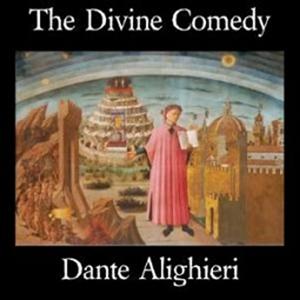
    The Divine Comedy (Italian: Commedia, later christened “Divina” by Giovanni Boccaccio), written by Dante Alighieri between 1308 and his death in 1321, is widely considered the central epic poem of Italian literature, the last great work of literature of the Middle Ages and the first great work of the Renaissance. A culmination of the medieval world-view of the afterlife, it establishes the Tuscan dialect in which it is written as the Italian standard, and is seen as one of the greatest works of world literature.  
    The Divine Comedy is composed of three canticas (or “cantiche”) — Inferno (Hell), Purgatorio (Purgatory), and Paradiso (Paradise) — composed each of 33 cantos (or “canti”). The very first canto serves as an introduction to the poem and is generally not considered to be part of the first cantica, bringing the total number of cantos to 100.
    The poet tells in the first person his travel through the three realms of the dead, lasting during the Easter Triduum in the spring of 1300.

    45 min
  • 18 - Bk 3, Paradise: Canto XXII - Canto XXVII. The Divine Comedy by Dante Alighieri.
    18 - Bk 3, Paradise: Canto XXII - Canto XXVII. The Divine Comedy by Dante Alighieri.  
    The Divine Comedy (Italian: Commedia, later christened “Divina” by Giovanni Boccaccio), written by Dante Alighieri between 1308 and his death in 1321, is widely considered the central epic poem of Italian literature, the last great work of literature of the Middle Ages and the first great work of the Renaissance. A culmination of the medieval world-view of the afterlife, it establishes the Tuscan dialect in which it is written as the Italian standard, and is seen as one of the greatest works of world literature.  
    The Divine Comedy is composed of three canticas (or “cantiche”) — Inferno (Hell), Purgatorio (Purgatory), and Paradiso (Paradise) — composed each of 33 cantos (or “canti”). The very first canto serves as an introduction to the poem and is generally not considered to be part of the first cantica, bringing the total number of cantos to 100.
    The poet tells in the first person his travel through the three realms of the dead, lasting during the Easter Triduum in the spring of 1300.
    43 min
  • 17 - Bk 3, Paradise: Canto XVII - Canto XXI. The Divine Comedy by Dante Alighieri.
    17 - Bk 3, Paradise: Canto XVII - Canto XXI. The Divine Comedy by Dante Alighieri.  
    The Divine Comedy (Italian: Commedia, later christened “Divina” by Giovanni Boccaccio), written by Dante Alighieri between 1308 and his death in 1321, is widely considered the central epic poem of Italian literature, the last great work of literature of the Middle Ages and the first great work of the Renaissance. A culmination of the medieval world-view of the afterlife, it establishes the Tuscan dialect in which it is written as the Italian standard, and is seen as one of the greatest works of world literature.  
    The Divine Comedy is composed of three canticas (or “cantiche”) — Inferno (Hell), Purgatorio (Purgatory), and Paradiso (Paradise) — composed each of 33 cantos (or “canti”). The very first canto serves as an introduction to the poem and is generally not considered to be part of the first cantica, bringing the total number of cantos to 100.
    The poet tells in the first person his travel through the three realms of the dead, lasting during the Easter Triduum in the spring of 1300.
    40 min
  • 16 - Bk 3, Paradise: Canto XII - Canto XVI. The Divine Comedy by Dante Alighieri.
    16 - Bk 3, Paradise: Canto XII - Canto XVI. The Divine Comedy by Dante Alighieri.  
    The Divine Comedy (Italian: Commedia, later christened “Divina” by Giovanni Boccaccio), written by Dante Alighieri between 1308 and his death in 1321, is widely considered the central epic poem of Italian literature, the last great work of literature of the Middle Ages and the first great work of the Renaissance. A culmination of the medieval world-view of the afterlife, it establishes the Tuscan dialect in which it is written as the Italian standard, and is seen as one of the greatest works of world literature.  
    The Divine Comedy is composed of three canticas (or “cantiche”) — Inferno (Hell), Purgatorio (Purgatory), and Paradiso (Paradise) — composed each of 33 cantos (or “canti”). The very first canto serves as an introduction to the poem and is generally not considered to be part of the first cantica, bringing the total number of cantos to 100.
    The poet tells in the first person his travel through the three realms of the dead, lasting during the Easter Triduum in the spring of 1300.

    33 min
  • 15 - Bk 3, Paradise: Canto VI - Canto XI. The Divine Comedy by Dante Alighieri.
    15 - Bk 3, Paradise: Canto VI - Canto XI. The Divine Comedy by Dante Alighieri.  
    The Divine Comedy (Italian: Commedia, later christened “Divina” by Giovanni Boccaccio), written by Dante Alighieri between 1308 and his death in 1321, is widely considered the central epic poem of Italian literature, the last great work of literature of the Middle Ages and the first great work of the Renaissance. A culmination of the medieval world-view of the afterlife, it establishes the Tuscan dialect in which it is written as the Italian standard, and is seen as one of the greatest works of world literature.  
    The Divine Comedy is composed of three canticas (or “cantiche”) — Inferno (Hell), Purgatorio (Purgatory), and Paradiso (Paradise) — composed each of 33 cantos (or “canti”). The very first canto serves as an introduction to the poem and is generally not considered to be part of the first cantica, bringing the total number of cantos to 100.
    The poet tells in the first person his travel through the three realms of the dead, lasting during the Easter Triduum in the spring of 1300.

    39 min
  • 14 - Bk 3, Paradise: Canto I - Canto V. The Divine Comedy by Dante Alighieri.
    14 - Bk 3, Paradise: Canto I - Canto V. The Divine Comedy by Dante Alighieri.  
    The Divine Comedy (Italian: Commedia, later christened “Divina” by Giovanni Boccaccio), written by Dante Alighieri between 1308 and his death in 1321, is widely considered the central epic poem of Italian literature, the last great work of literature of the Middle Ages and the first great work of the Renaissance. A culmination of the medieval world-view of the afterlife, it establishes the Tuscan dialect in which it is written as the Italian standard, and is seen as one of the greatest works of world literature.  
    The Divine Comedy is composed of three canticas (or “cantiche”) — Inferno (Hell), Purgatorio (Purgatory), and Paradiso (Paradise) — composed each of 33 cantos (or “canti”). The very first canto serves as an introduction to the poem and is generally not considered to be part of the first cantica, bringing the total number of cantos to 100.
    The poet tells in the first person his travel through the three realms of the dead, lasting during the Easter Triduum in the spring of 1300.
    42 min
  • 13 - Bk 2, Purgatory: Canto XXVIII - Canto XXXIII. The Divine Comedy by Dante Alighieri.
    13 - Bk 2, Purgatory: Canto XXVIII - Canto XXXIII. The Divine Comedy by Dante Alighieri.  
    The Divine Comedy (Italian: Commedia, later christened “Divina” by Giovanni Boccaccio), written by Dante Alighieri between 1308 and his death in 1321, is widely considered the central epic poem of Italian literature, the last great work of literature of the Middle Ages and the first great work of the Renaissance. A culmination of the medieval world-view of the afterlife, it establishes the Tuscan dialect in which it is written as the Italian standard, and is seen as one of the greatest works of world literature.  
    The Divine Comedy is composed of three canticas (or “cantiche”) — Inferno (Hell), Purgatorio (Purgatory), and Paradiso (Paradise) — composed each of 33 cantos (or “canti”). The very first canto serves as an introduction to the poem and is generally not considered to be part of the first cantica, bringing the total number of cantos to 100.
    The poet tells in the first person his travel through the three realms of the dead, lasting during the Easter Triduum in the spring of 1300.
    44 min
  • 12 - Bk 2, Purgatory: Canto XXII - Canto XXVII. The Divine Comedy by Dante Alighieri.
    12 - Bk 2, Purgatory: Canto XXII - Canto XXVII. The Divine Comedy by Dante Alighieri.  
    The Divine Comedy (Italian: Commedia, later christened “Divina” by Giovanni Boccaccio), written by Dante Alighieri between 1308 and his death in 1321, is widely considered the central epic poem of Italian literature, the last great work of literature of the Middle Ages and the first great work of the Renaissance. A culmination of the medieval world-view of the afterlife, it establishes the Tuscan dialect in which it is written as the Italian standard, and is seen as one of the greatest works of world literature.  
    The Divine Comedy is composed of three canticas (or “cantiche”) — Inferno (Hell), Purgatorio (Purgatory), and Paradiso (Paradise) — composed each of 33 cantos (or “canti”). The very first canto serves as an introduction to the poem and is generally not considered to be part of the first cantica, bringing the total number of cantos to 100.
    The poet tells in the first person his travel through the three realms of the dead, lasting during the Easter Triduum in the spring of 1300.
    48 min
  • 11 - Bk 2, Purgatory: Canto XVII - Canto XXI. The Divine Comedy by Dante Alighieri.
    11 - Bk 2, Purgatory: Canto XVII - Canto XXI. The Divine Comedy by Dante Alighieri.  
    The Divine Comedy (Italian: Commedia, later christened “Divina” by Giovanni Boccaccio), written by Dante Alighieri between 1308 and his death in 1321, is widely considered the central epic poem of Italian literature, the last great work of literature of the Middle Ages and the first great work of the Renaissance. A culmination of the medieval world-view of the afterlife, it establishes the Tuscan dialect in which it is written as the Italian standard, and is seen as one of the greatest works of world literature.  
    The Divine Comedy is composed of three canticas (or “cantiche”) — Inferno (Hell), Purgatorio (Purgatory), and Paradiso (Paradise) — composed each of 33 cantos (or “canti”). The very first canto serves as an introduction to the poem and is generally not considered to be part of the first cantica, bringing the total number of cantos to 100.
    The poet tells in the first person his travel through the three realms of the dead, lasting during the Easter Triduum in the spring of 1300.
    36 min
  • 10 - Bk 2, Purgatory: Canto XII - Canto XVI. The Divine Comedy by Dante Alighieri.
    10 - Bk 2, Purgatory: Canto XII - Canto XVI. The Divine Comedy by Dante Alighieri.  
    The Divine Comedy (Italian: Commedia, later christened “Divina” by Giovanni Boccaccio), written by Dante Alighieri between 1308 and his death in 1321, is widely considered the central epic poem of Italian literature, the last great work of literature of the Middle Ages and the first great work of the Renaissance. A culmination of the medieval world-view of the afterlife, it establishes the Tuscan dialect in which it is written as the Italian standard, and is seen as one of the greatest works of world literature.  
    The Divine Comedy is composed of three canticas (or “cantiche”) — Inferno (Hell), Purgatorio (Purgatory), and Paradiso (Paradise) — composed each of 33 cantos (or “canti”). The very first canto serves as an introduction to the poem and is generally not considered to be part of the first cantica, bringing the total number of cantos to 100.
    The poet tells in the first person his travel through the three realms of the dead, lasting during the Easter Triduum in the spring of 1300.
    34 min

About The Divine Comedy by Dante Alighieri.

From the publisher's feed

The Divine Comedy by Dante Alighieri.  
The Divine Comedy (Italian: Commedia, later christened “Divina” by Giovanni Boccaccio), written by Dante Alighieri between 1308 and his death in 1321,…