
Sign up to save your podcasts
Or

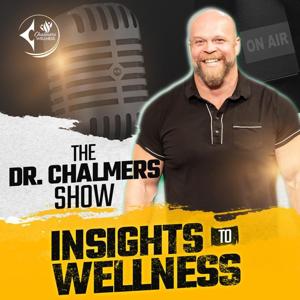


In this episode, Dr. Matt Chalmers tackles one of the most pressing health concerns facing today's youth: the widespread and often misunderstood use of GLP medications among teenagers. While these powerful metabolic tools can deliver remarkable health benefits—from treating sleep apnea to improving metabolic function—Dr. Chalmers warns that improper usage is creating a silent crisis of fertility issues, hormonal imbalances, and nutrient deficiencies among young women and men. Drawing on real patient cases and metabolic science, he reveals why the conventional medical approach to these medications falls dangerously short, and explains the critical difference between using GLPs as a transformative health tool versus causing lasting damage to the body. This conversation challenges everything you've been told about calories, nutrition, and hormonal health—and provides a roadmap for safely maximizing these medications while protecting the next generation's long-term well-being.
1. GLP (Glucagon-Like Peptide) Use in TeenagersDr. Chalmers discusses the growing trend of teenagers using GLP medications and emphasizes that while they can have benefits (like treating sleep apnea), they must be used correctly. He highlights that improper use can lead to serious health consequences.
2. Fertility and Hormonal Health IssuesA critical concern raised is the impact of GLPs on fertility, particularly in teenage girls and young women. The podcast details how misuse can lead to:
Dr. Chalmers emphasizes that the body doesn't run on calories alone but requires proper nutritional chemistry. He stresses the importance of:
The discussion covers the interconnected nature of hormones including:
Dr. Chalmers criticizes the conventional medical approach for:
The podcast emphasizes that safe and effective GLP use requires:
Discussion of potential complications from improper GLP use, including:
Check out Chalmers Pillarsofwellness.com for Wellness updates! And ask me any questions you have at [email protected].
I answer them all and look forward to hearing from you.
Comment, like, and interact with other people on their wellness journey. Communities can make a difference. DrChalmers.substack.com
Check out my website: https://pillarsofwellness.com/
Social Channels:
Instagram: https://www.instagram.com/drchalmers1/
X: https://x.com/DrChalmers1
FaceBook: https://www.facebook.com/ChalmersWellness
LinkedIn: https://www.linkedin.com/in/matt-chalmers-a422803b/
Pillars of Wellness Substack: Dr. Chalmers Substack: https://drchalmers.substack.com/
Disclaimer: This content is for informational purposes only. Before taking any action based on this information, you should first consult with your physician or health care provider. This information is not intended to be a substitute for professional medical advice, diagnosis, or treatment. Always seek the advice of your physician or other qualified health providers with any questions regarding a medical condition, your health, or wellness
In this episode, Dr. Matt Chalmers dives into one of the internet's most talked-about controversies: comedian Shane Gillis's comments about women's gym attire. But this isn't a straightforward debate about what people wear to the gym. Instead, the host unpacks the layers of a joke that he argues everyone completely missed—revealing a fascinating contradiction at the heart of modern social media culture. By exploring the gap between how women present themselves online versus how they react to being observed in person, Chalmers examines deeper questions about body autonomy, social media monetization, gender dynamics, and what it really means to "earn" the right to display your physique. Whether you agree with his take or not, this episode challenges you to think critically about the contradictions we all navigate in the age of Instagram, OnlyFans, and gym culture.
1. The Shane Gillis ControversyThe host discusses a recent controversy involving comedian Shane Gillis and comments he made about women's gym attire. This serves as the primary springboard for the entire episode's discussion.
2. The Actual Joke vs. Perceived OffenseA central theme is the host's analysis of what the actual joke was versus what people thought it was about. He argues that people missed the real point: the joke wasn't simply about how women dress, but rather the contradiction between women dressing provocatively to attract online attention while simultaneously objecting to men looking at them in person at the gym.
3. Sexualization and Social MediaThe host explores the connection between gym attire, social media content creation (specifically OnlyFans and Instagram), and the sexualization of the body. He discusses how women film themselves in revealing clothing to attract online engagement and monetize their appearance, while simultaneously criticizing men for looking at them in the gym.
4. Body Positivity vs. Earned RespectThe host presents a nuanced take on body display, arguing that people who have dedicated significant time and effort to building their physiques (through diet, exercise, and sacrifice) have "earned" the right to display their bodies. He contrasts this with those who haven't put in the work.
5. Gender Differences in Comfort and FashionThe host discusses perceived differences between men and women regarding comfort in clothing, particularly at the gym. He questions the practicality of certain clothing choices (like tight, minimal gym wear) and humorously contrasts male and female approaches to comfort and fashion.
6. Hygiene and Gym EtiquetteThere's discussion about practical gym concerns like hygiene, sweating on machines, and the use of towels—raising questions about whether minimal clothing choices are truly about comfort or other motivations.
Check out Chalmers Pillarsofwellness.com for Wellness updates! And ask me any questions you have at [email protected].
I answer them all and look forward to hearing from you.
Comment, like, and interact with other people on their wellness journey. Communities can make a difference. DrChalmers.substack.com
Check out my website: https://pillarsofwellness.com/
Social Channels:
Instagram: https://www.instagram.com/drchalmers1/
X: https://x.com/DrChalmers1
FaceBook: https://www.facebook.com/ChalmersWellness
LinkedIn: https://www.linkedin.com/in/matt-chalmers-a422803b/
Pillars of Wellness Substack: Dr. Chalmers Substack: https://drchalmers.substack.com/
Disclaimer: This content is for informational purposes only. Before taking any action based on this information, you should first consult with your physician or health care provider. This information is not intended to be a substitute for professional medical advice, diagnosis, or treatment. Always seek the advice of your physician or other qualified health providers with any questions regarding a medical condition, your health, or wellness
If you're considering or currently using GLP-1 medications like Ozempic for weight loss, you've likely heard conflicting advice about how to stay healthy during the process. In this episode, Dr. Matt Chalmers, a health and wellness expert, cuts through the noise and reveals the science-backed strategy that most people get wrong: it's not just about taking the medication—it's about what you do in the gym and what you put in your body. Discover why yoga alone won't cut it, how proper nutrition and testosterone levels are the hidden keys to preserving muscle and skin elasticity, and the specific resistance training protocol that will keep you looking and feeling your best while on GLP-1s. Whether you're worried about sagging skin, muscle loss, or simply want to maximize your results, this conversation covers the comprehensive approach that separates real transformation from temporary weight loss.
1. GLP-1 Medications and ExerciseThe primary focus is on how to properly exercise while taking GLP-1 medications (like Ozempic). Dr. Chalmers emphasizes that exercise is critical when using GLPs to prevent muscle loss and maintain overall health and appearance.
2. Muscle Preservation and Loss PreventionA key discussion point is that muscle loss is primarily driven by nutrition, not exercise. The doctor stresses the importance of:
Dr. Chalmers makes a strong case that weight resistance training is essential, not alternatives like yoga. He explains:
Testosterone is presented as a critical nutrient (not a drug) for:
The podcast addresses how to maintain skin elasticity and avoid sagging skin during weight loss through:
Beyond basic protein and electrolytes, Dr. Chalmers emphasizes the need for a broader spectrum of nutrients including selenium, zinc, magnesium, molybdenum, and copper—not just the commonly recommended sodium, potassium, and magnesium.
7. Addressing Common MisconceptionsThe doctor debunks myths, particularly around women and weightlifting, clarifying that:
Check out Chalmers Pillarsofwellness.com for Wellness updates! And ask me any questions you have at [email protected].
I answer them all and look forward to hearing from you.
Comment, like, and interact with other people on their wellness journey. Communities can make a difference. DrChalmers.substack.com
Check out my website: https://pillarsofwellness.com/
Social Channels:
Instagram: https://www.instagram.com/drchalmers1/
X: https://x.com/DrChalmers1
FaceBook: https://www.facebook.com/ChalmersWellness
LinkedIn: https://www.linkedin.com/in/matt-chalmers-a422803b/
Pillars of Wellness Substack: Dr. Chalmers Substack: https://drchalmers.substack.com/
Disclaimer: This content is for informational purposes only. Before taking any action based on this information, you should first consult with your physician or health care provider. This information is not intended to be a substitute for professional medical advice, diagnosis, or treatment. Always seek the advice of your physician or other qualified health providers with any questions regarding a medical condition, your health, or wellness
In this episode, Dr. Matt Chalmers addresses the most pressing questions he receives about GLP medications—and reveals why so many people are using them incorrectly. From dosing mistakes that amplify side effects to dangerous drug interactions and critical nutrient deficiencies, Dr. Chalmers breaks down the complete metabolic picture that most providers aren’t discussing.
He covers everything you need to know about safely using GLPs, including how your medications need to change as your body transforms, why cardio isn’t optional, and the often-overlooked nutritional strategy that separates successful outcomes from health complications. If you’re considering GLPs or already using them, this episode provides the comprehensive framework for maximizing benefits while protecting your long-term health.
1. GLP Medication Administration & DosingDr. Chalmers emphasizes that the most critical issue he sees is people taking GLP medications once weekly, which he considers problematic. He advocates for daily dosing as the optimal approach to reduce side effects and maximize benefits. He recommends gradually titrating up to find the right dose and working with a healthcare provider.
2. Safety Considerations with GLPsSeveral safety factors are highlighted:
A major theme is that the body doesn’t run on calories but on specific nutrients. Dr. Chalmers stresses that:
GLPs are not a replacement for cardio. Key points include:
Testosterone is described as critical when using GLPs. The discussion touches on concerns about heart thickening with testosterone and GLP use, but Dr. Chalmers explains this is normal in athletes and shouldn’t be a concern if cardiovascular markers are healthy.
6. Metabolic Chemistry & Fat LossInsulin resistance must be minimized to enable fat burning
Growth hormone is crucial for using fat as fuel
Diet composition (macros, glycemic function) matters more than calorie counting
Fasted cardio combined with proper diet optimizes fat utilization
7. Carbohydrate Management & Resistant StarchDr. Chalmers discusses how body type affects carbohydrate needs and introduces the concept of resistant starch (like refrigerated rice) as a beneficial alternative that produces short-chain fatty acids rather than glucose.
The overarching message is that GLP use requires comprehensive metabolic management including proper dosing, medication adjustments, nutrition, exercise, and hormonal monitoring—areas where he feels many providers are falling short.
Check out Chalmers Pillarsofwellness.com for Wellness updates! And ask me any questions you have at [email protected].
I answer them all and look forward to hearing from you.
Comment, like, and interact with other people on their wellness journey. Communities can make a difference. DrChalmers.substack.com
Check out my website: https://pillarsofwellness.com/
Social Channels:
Instagram: https://www.instagram.com/drchalmers1/
X: https://x.com/DrChalmers1
FaceBook: https://www.facebook.com/ChalmersWellness
LinkedIn: https://www.linkedin.com/in/matt-chalmers-a422803b/
Pillars of Wellness Substack: Dr. Chalmers Substack: https://drchalmers.substack.com/
Disclaimer: This content is for informational purposes only. Before taking any action based on this information, you should first consult with your physician or health care provider. This information is not intended to be a substitute for professional medical advice, diagnosis, or treatment. Always seek the advice of your physician or other qualified health providers with any questions regarding a medical condition, your health, or wellness
In this episode, Dr. Matt Chalmers confronts a growing challenge facing health content creators: the invisible boundaries of social media censorship. After receiving a 30-day Instagram ban for discussing solutions to women’s health issues, Dr. Chalmers pulls back the curtain on how major platforms restrict health information—not when you complain about problems, but when you dare to offer solutions.
From PCOS and endometriosis to hormonal imbalances and sexual wellness, he reveals which topics triggered the ban. He explains why he’s being forced to move his most detailed health guidance off social media entirely. Join us as he discusses the frustrating reality of platform censorship, his strategic pivot to Substack and alternative platforms, and what it means for anyone seeking unfiltered health information in an increasingly restricted digital landscape.
1. Social Media Censorship & Content RestrictionsDr. Chalmers discusses how Instagram has temporarily banned him from posting, specifically when he provides solutions to health and medical problems. He explains that while complaining about issues is permitted, offering actionable health solutions triggers platform restrictions. This is a central frustration throughout the episode.
2. Women’s Health & Hormonal IssuesThe primary focus of the flagged content involves helping women with various health conditions, including:
Dr. Chalmers emphasizes that providing physiological explanations and solutions for these issues is what triggered the Instagram restrictions.
3. Platform Alternatives & Content StrategyHe outlines his workaround strategy:
Dr. Chalmers touches on ongoing internet censorship, noting that certain health information—particularly anything not FDA-approved—faces restrictions across platforms. He references this as a continuation of censorship patterns seen during COVID.
5. Call to ActionHe encourages listeners to reach out via email or Substack with questions about women’s health, promising to create detailed videos addressing specific concerns on his alternative platforms.
The episode is essentially a commentary on platform limitations and Dr. Chalmers’ efforts to continue providing health information through less-restricted channels.
Check out Chalmers Pillarsofwellness.com for Wellness updates! And ask me any questions you have at [email protected].
I answer them all and look forward to hearing from you.
Comment, like, and interact with other people on their wellness journey. Communities can make a difference. DrChalmers.substack.com
Check out my website: https://pillarsofwellness.com/
Social Channels:
Instagram: https://www.instagram.com/drchalmers1/
X: https://x.com/DrChalmers1
FaceBook: https://www.facebook.com/ChalmersWellness
LinkedIn: https://www.linkedin.com/in/matt-chalmers-a422803b/
Pillars of Wellness Substack: Dr. Chalmers Substack: https://drchalmers.substack.com/
Disclaimer: This content is for informational purposes only. Before taking any action based on this information, you should first consult with your physician or health care provider. This information is not intended to be a substitute for professional medical advice, diagnosis, or treatment. Always seek the advice of your physician or other qualified health providers with any questions regarding a medical condition, your health, or wellness
In this episode, Dr. Matt Chalmers challenges the prevailing narrative around cannabis by cutting through the political rhetoric and examining the science head-on. Drawing comparisons to alcohol—society’s accepted baseline for risk—he systematically dismantles common myths about cannabis while exposing the flawed research and economic motivations behind prohibition.
From debunking false claims about brain damage and violence to exploring cannabis’s legitimate therapeutic applications as an alternative to opioids and over-the-counter pain relievers, Dr. Chalmers makes a provocative case: if we accept alcohol as safe enough for society, we must reckon with the fact that cannabis is demonstrably safer in nearly every measurable way. This conversation isn’t about endorsing cannabis use for everyone—it’s about honest science, personal responsibility, and questioning why an industry-driven agenda continues to shape public health policy.
1. Cannabis vs. Alcohol ComparisonThe core argument centers on comparing cannabis safety to alcohol. Dr. Chalmers establishes alcohol as society’s baseline for acceptable risk and argues that since cannabis is demonstrably safer than alcohol in most metrics, it should be equally acceptable. He notes that alcohol sales have dropped 34% as people switch to cannabis.
2. Debunking False Cannabis ClaimsHe systematically addresses and refutes several myths:
“Scrumaging” (screaming while vomiting from smoking one joint) — dismissed as fabricated
Brain damage claims — critiques Dr. Amen’s research as flawed, showing how he used subjects with pre-existing low dopamine conditions to make false generalizations
Violence link — argues cannabis makes people passive, not violent, unlike alcohol
Heart issues — states there’s no evidence of cannabis-related heart problems
Lethality — emphasizes cannabis doesn’t kill you as alcohol does through liver damage and respiratory shutdown
3. Medical and Therapeutic ApplicationsCannabis as a replacement for:
He explains how “cannabis use disorder” is a political construct, not a medical reality. People feel better using cannabis because it normalizes dopamine levels—the same as someone on testosterone therapy feeling better at normal levels.
5. Political and Economic Motivations Behind Cannabis ProhibitionThe real reason for anti-cannabis messaging: alcohol is a major business with significant political funding. As cannabis sales rise and alcohol sales fall, the alcohol industry lobbies politicians to keep cannabis illegal to protect market share.
6. Modern Cannabis Potency and RegulationToday’s cannabis is more potent due to indoor cultivation with controlled nutrients and light—not because it’s inherently more dangerous. Legal, regulated markets are safer because consumers can choose appropriate potency levels, unlike black market dealers with limited variety.
7. Smoking vs. Consumption MethodsWhile smoking cannabis does damage lungs (like any smoke inhalation), this is a delivery method issue, not a cannabis issue. Alternative consumption methods exist.
8. Personal ResponsibilityDr. Chalmers emphasizes that if cannabis interferes with your goals, that’s a personal discipline issue, not a cannabis problem. He also notes cannabis shouldn’t be used while driving, just like alcohol.
The overarching message: cannabis is significantly safer than alcohol, the negative research is politically motivated, and prohibition causes more societal harm than legalization.
Check out Chalmers Pillarsofwellness.com for Wellness updates! And ask me any questions you have at [email protected].
I answer them all and look forward to hearing from you.
Comment, like, and interact with other people on their wellness journey. Communities can make a difference. DrChalmers.substack.com
Check out my website: https://pillarsofwellness.com/
Social Channels:
Instagram: https://www.instagram.com/drchalmers1/
X: https://x.com/DrChalmers1
FaceBook: https://www.facebook.com/ChalmersWellness
LinkedIn: https://www.linkedin.com/in/matt-chalmers-a422803b/
Pillars of Wellness Substack: Dr. Chalmers Substack: https://drchalmers.substack.com/
Disclaimer: This content is for informational purposes only. Before taking any action based on this information, you should first consult with your physician or health care provider. This information is not intended to be a substitute for professional medical advice, diagnosis, or treatment. Always seek the advice of your physician or other qualified health providers with any questions regarding a medical condition, your health, or wellness
In this episode, Dr. Matt Chalmers tackles one of the most overlooked and mismanaged aspects of women’s health: hormonal balance during perimenopause and beyond. Drawing on his expertise in health and wellness, Dr. Chalmers challenges conventional medical wisdom, exposing critical gaps in how doctors are trained to treat women’s hormonal issues.
He reveals why the standard approach of prescribing estrogen alone often fails, explains testosterone’s essential—but widely misunderstood—role in women’s physiology, and demonstrates how personalized, patient-centered care combined with proper nutritional support can transform women’s health outcomes. If you’ve been dismissed by a doctor, told to “wait it out,” or given treatment that simply isn’t working, this episode offers both validation and practical solutions for reclaiming your hormonal health.
1. Women’s Hormonal Health & Perimenopause ManagementDr. Chalmers emphasizes the importance of treating women during perimenopause, not waiting until full menopause. He criticizes doctors who refuse to help patients until menopause officially begins, calling this approach harmful and dismissive of patient suffering.
2. Medical Education Gaps in Hormone TherapyA central theme is the lack of proper training doctors receive in hormone therapy and nutrition. Chalmers points out that medical schools provide minimal education on how hormones actually work in the body, leading to ineffective and sometimes harmful treatment approaches.
3. Testosterone’s Critical Role in Women’s HealthContrary to conventional medical wisdom, Chalmers argues that women need testosterone just as much as men do. He explains that testosterone converts to estrogen, making it foundational for proper hormonal function. He criticizes the standard medical approach of giving only estrogen without addressing testosterone first.
4. Personalized Dosing Over Standard Lab ValuesHe challenges the established lab ranges for women’s testosterone (around 50) and advocates for individualized treatment based on patient symptoms and response, with ranges typically between 80-250, arguing this produces better outcomes.
5. Nutrition & Mineral DeficienciesChalmers highlights how nutritional deficiencies—particularly minerals affecting sex hormone-binding globulin—can undermine hormone therapy. He emphasizes that doctors’ lack of nutritional training causes them to miss obvious nutritional solutions.
6. Patient-Centered Care ApproachHe advocates for listening to patients’ experiences (hot flashes, night sweats, vaginal dryness, sleep quality) rather than relying solely on lab numbers to guide treatment adjustments.
7. Censorship & Platform RestrictionsChalmers discusses being restricted from posting certain health information on Instagram and directs listeners to his Substack newsletter where he can share uncensored content.
Check out Chalmers Pillarsofwellness.com for Wellness updates! And ask me any questions you have at [email protected].
I answer them all and look forward to hearing from you.
Comment, like, and interact with other people on their wellness journey. Communities can make a difference. DrChalmers.substack.com
Check out my website: https://pillarsofwellness.com/
Social Channels:
Instagram: https://www.instagram.com/drchalmers1/
X: https://x.com/DrChalmers1
FaceBook: https://www.facebook.com/ChalmersWellness
LinkedIn: https://www.linkedin.com/in/matt-chalmers-a422803b/
Pillars of Wellness Substack: Dr. Chalmers Substack: https://drchalmers.substack.com/
Disclaimer: This content is for informational purposes only. Before taking any action based on this information, you should first consult with your physician or health care provider. This information is not intended to be a substitute for professional medical advice, diagnosis, or treatment. Always seek the advice of your physician or other qualified health providers with any questions regarding a medical condition, your health, or wellness
In this episode, Dr. Matt Chalmers cuts through the noise and hysteria surrounding the so-called "Russian plague" making headlines, urging listeners to take a step back and think critically about the information they're consuming.
Rather than succumbing to fear-driven narratives pushed by mainstream media and government sources, Chalmers advocates for a more grounded approach: prioritizing personal health fundamentals like sleep, hydration, stress management, and exercise. He also addresses the troubling reality of censorship on social media platforms and how misinformation—or the suppression of legitimate health information—can spread just as quickly as any virus. Whether you're concerned about emerging health threats or simply tired of being fed alarmist headlines, this episode offers a refreshing dose of skepticism and practical wisdom on how to protect yourself and your family.
1. The “Russian Plague” / Monkeypox ConcernsDr. Matt Chalmers addresses widespread fears about a supposed plague emerging from Russia. He urges listeners not to panic, noting there’s insufficient concrete information to warrant alarm. He emphasizes waiting for actual data and numbers before drawing conclusions.
2. Preventive Health PracticesRather than focusing on external threats, Chalmers advocates prioritizing personal health fundamentals:
He argues that a healthy body is better equipped to fight off any illness, regardless of origin.
3. Government and Media DistrustA significant theme is skepticism toward government narratives and mainstream media (CNN, Fox News). Chalmers expresses concern about:
Chalmers discusses his personal experience with social media censorship, particularly regarding health information he shared during the COVID-19 pandemic. He highlights how platforms suppressed certain treatments and information to push specific narratives.
5. Alternative Treatments and Suppressed InformationHe references effective treatments using peptides and nutrients that were allegedly suppressed by government and social media platforms during previous health crises.
6. Seasonal Illness ContextChalmers notes that cold and flu season is approaching, and typical flu deaths (50,000-80,000 annually) should be the actual concern rather than speculative threats.
The overall message is: stay calm, focus on personal health, question official narratives, and seek information from alternative sources.
Check out Chalmers Pillarsofwellness.com for Wellness updates! And ask me any questions you have at [email protected].
I answer them all and look forward to hearing from you.
Comment, like, and interact with other people on their wellness journey. Communities can make a difference. DrChalmers.substack.com
Check out my website: https://pillarsofwellness.com/
Social Channels:
Instagram: https://www.instagram.com/drchalmers1/
X: https://x.com/DrChalmers1
FaceBook: https://www.facebook.com/ChalmersWellness
LinkedIn: https://www.linkedin.com/in/matt-chalmers-a422803b/
Pillars of Wellness Substack: Dr. Chalmers Substack: https://drchalmers.substack.com/
Disclaimer: This content is for informational purposes only. Before taking any action based on this information, you should first consult with your physician or health care provider. This information is not intended to be a substitute for professional medical advice, diagnosis, or treatment. Always seek the advice of your physician or other qualified health providers with any questions regarding a medical condition, your health, or wellness
Understanding your hormones is the foundation of optimal health, yet most people—and surprisingly, many doctors—don't know which blood tests to order to truly assess hormonal function. In this episode, Dr. Matt Chalmers breaks down the essential labs you need for hormone therapy, from testosterone and estrogen to thyroid markers and beyond. He explains why standard tests like TSH alone are incomplete, reveals the critical role of sex hormone-binding globulin, and shares how proper nutrient levels and inflammation control can reverse thyroid dysfunction in as little as six to eight weeks.
If you've felt dismissed by your doctor's approach to hormones or struggled with chronic health issues despite "normal" lab results, this conversation will fundamentally change how you think about your health.
Key Points in the Podcast: ESSENTIAL BLOOD TESTS FOR HORMONE THERAPYTestosterone Panel:
Thyroid Panel:
Additional Labs:
Results: 60-70% of people with Hashimoto's & Graves see significant improvement
SEX HORMONE BINDING GLOBULIN (SHBG) — The Game ChangerIf blood gets too thick:
Better to stay on testosterone + manage blood viscosity than quit testosterone
ROOT CAUSES OF THYROID DYSFUNCTIONThyroid issues develop over time due to:
All can be reversed if caught early
WHY DOCTORS FAIL AT HORMONE THERAPYCheck out Chalmers Pillarsofwellness.com for Wellness updates! And ask me any questions you have at [email protected].
I answer them all and look forward to hearing from you.
Comment, like, and interact with other people on their wellness journey. Communities can make a difference. DrChalmers.substack.com
Check out my website: https://pillarsofwellness.com/
Social Channels:
Instagram: https://www.instagram.com/drchalmers1/
X: https://x.com/DrChalmers1
FaceBook: https://www.facebook.com/ChalmersWellness
LinkedIn: https://www.linkedin.com/in/matt-chalmers-a422803b/
Pillars of Wellness Substack: Dr. Chalmers Substack: https://drchalmers.substack.com/
Disclaimer: This content is for informational purposes only. Before taking any action based on this information, you should first consult with your physician or health care provider. This information is not intended to be a substitute for professional medical advice, diagnosis, or treatment. Always seek the advice of your physician or other qualified health providers with any questions regarding a medical condition, your health, or wellness
In this episode, Dr. Matt Chalmers breaks down the fundamental chemistry that actually runs your body—and why it's not calories. He reveals why so many people on GLP medications like Ozempic end up looking gaunt and experiencing serious health issues, and the answer might surprise you: it's not the drugs themselves, but rather the lack of proper nutritional guidance that comes with them. Through a detailed breakdown of essential nutrients required for basic daily function, Dr. Chalmers outlines exactly what your body needs to thrive—from protein and amino acids to vitamins, minerals, and electrolytes—and explains why understanding body chemistry is the key to feeling better than you ever have, whether you're using weight loss medications or not.
1. Nutrient Requirements for Basic Body Function
Dr. Chalmers emphasizes that chemistry—not calories—runs the body. He outlines the essential nutrients required per 100 pounds of body weight for normal daily functioning, including protein, amino acids, vitamins, minerals, and electrolytes.
2. Problems with GLP Medications (Weight Loss Drugs)
He explains why people on GLPs (like Ozempic) often experience negative side effects such as looking "hollowed out" or developing liver issues. He argues the root cause is that providers aren't ensuring patients get adequate nutrients while on these medications.
3. Protein and Muscle Preservation
The discussion covers why protein is critical (70-100 grams per 100 lbs of body weight). Without sufficient protein, the body breaks down muscle tissue to create glucose, leading to significant lean mass loss—which is why many GLP users lose 30-50% of their weight as muscle.
4. Specific Nutrients and Their Functions
He details numerous nutrients, including:
Vitamin D3, K2, CoQ10, magnesium, zinc, selenium, iron, and others
5. Heme Iron and Red Meat
He advocates for consuming red meat as the best source of heme iron (the form the body uses), arguing that plant-based iron is poorly absorbed and that the body's craving for steak during menstrual cycles reflects genuine nutritional needs.
6. Hormonal Balance
He emphasizes the importance of maintaining proper testosterone levels (80-250 ng/dL for women, 800-1200 for men) for overall health and function.
7. Critique of Calorie-Based Nutrition
A recurring theme is his rejection of the "calories in, calories out" model, arguing it's misleading and prevents people from understanding true nutritional health.
The core message: proper nutrient intake is essential for health, especially when using medications like GLPs, and understanding body chemistry is more important than counting calories.
Check out Chalmers Pillarsofwellness.com for Wellness updates! And ask me any questions you have at [email protected].
I answer them all and look forward to hearing from you.
Comment, like, and interact with other people on their wellness journey. Communities can make a difference. DrChalmers.substack.com
Check out my website: https://pillarsofwellness.com/
Social Channels:
Instagram: https://www.instagram.com/drchalmers1/
X: https://x.com/DrChalmers1
FaceBook: https://www.facebook.com/ChalmersWellness
LinkedIn: https://www.linkedin.com/in/matt-chalmers-a422803b/
Pillars of Wellness Substack: Dr. Chalmers Substack: https://drchalmers.substack.com/
Disclaimer: This content is for informational purposes only. Before taking any action based on this information, you should first consult with your physician or health care provider. This information is not intended to be a substitute for professional medical advice, diagnosis, or treatment. Always seek the advice of your physician or other qualified health providers with any questions regarding a medical condition, your health, or wellness
From the publisher's feed