
Sign up to save your podcasts
Or

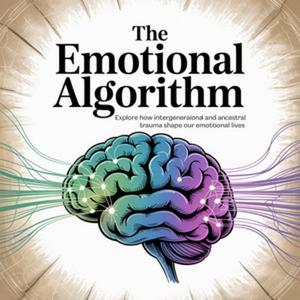


When people hear the phrase brain science , they often think of labs, scans, and complicated diagrams. But brain science is also deeply personal. It helps explain why certain emotions feel so intense, why some reactions seem bigger than the moment, and why patterns can repeat across generations even when we consciously want something different. In this episode, we’re looking at how intergenerational trauma, ancestral trauma, and emotional psychology connect through the nervous system, and what healing can actually look like.
The first thing to understand is that the brain is built to protect us, not to make us comfortable. When someone experiences stress, neglect, violence, or chronic instability, the brain learns quickly. It starts scanning for danger, remembering what hurt, and preparing the body to react before the thinking mind has time to catch up. That’s not weakness. That’s adaptation. Over time, these protective responses can become automatic, shaping how a person handles conflict, closeness, boundaries, and even rest. Brain science shows us that what looks like “just anxiety” or “just anger” may actually be a highly trained survival response.
The second point is that trauma is not only personal; it can be relational and inherited. Families pass down more than stories and traditions. They also pass down beliefs, coping styles, emotional habits, and sometimes unresolved fear. If a parent grew up needing to stay silent to stay safe, that silence can become the emotional climate of the home. If a family system learned to suppress grief, then future generations may feel disconnected from their own emotions without understanding why. Neuroscience helps us see that repeated experiences wire the brain in specific ways, and those patterns can be reinforced through caregiving, culture, and environment. Healing inherited patterns begins with naming them.
The third piece is that emotions live in the body as much as in the mind. The brain constantly interprets signals from the body, and the body constantly responds to the brain. That means emotional healing is not just about talking through the past, though talking can be powerful. It’s also about learning to notice sensations, regulate breathing, create safety, and build new responses in real time. Practices like mindfulness, therapy, movement, journaling, and supportive relationships can help the nervous system experience something different from the old pattern. Each new experience tells the brain, “You are safe enough now to respond in a new way.”
And finally, healing does not mean erasing the past. It means changing our relationship to it. Brain science reminds us that the brain is adaptable throughout life. That’s hopeful. It means inherited pain is not destiny. It means a person can learn to pause before reacting, to feel without being overwhelmed, and to choose connection where once there was only protection. Healing intergenerational trauma is not about blaming our ancestors or our families. It’s about understanding the conditions they lived through, recognizing what was passed down, and deciding what gets carried forward.
So if you’ve ever wondered why a particular fear, sadness, or survival pattern feels so familiar, brain science offers a compassionate answer. Your brain learned to protect you. Your family may have learned the same. And now, with awareness, support, and practice, those patterns can begin to change. That is the quiet power of healing: not just understanding the past, but giving the future a different emotional blueprint.
When we talk about family history , it’s easy to think about names, dates, and the stories we hear around the dinner table. But family history is more than a record of who came before us. It can also be a map of the emotional patterns, survival strategies, and unspoken burdens that move through generations. In this episode, we’re exploring how intergenerational trauma and ancestral trauma can shape the way we feel, react, and relate to the world today—and how healing becomes possible when we understand where those patterns come from.
One of the most important ideas in emotional psychology is that trauma doesn’t just live in the mind as a memory. It can live in the body as a response. A parent who grew up in fear may become highly controlling. A grandparent who experienced loss may learn not to trust anyone. A child raised in that environment may inherit the emotional atmosphere without ever knowing the original event. Over time, the nervous system adapts to what it believes is necessary for survival. That’s why some reactions feel so automatic: the body is often responding to old danger, even when the present moment is safe.
Neuroscience helps explain why these inherited patterns can feel so strong. The brain is built to detect threat and protect us, and when stress is repeated across a family system, those protective pathways can become deeply reinforced. The amygdala, which helps process fear, can become more reactive. The stress response system can stay on alert longer than it needs to. At the same time, parts of the brain involved in reflection, regulation, and perspective can get overridden in moments of overwhelm. This doesn’t mean we are broken. It means our brains are incredibly adaptive—and sometimes they adapt to environments shaped by pain, silence, or instability.
Understanding family history can also bring compassion. Many inherited patterns were once survival skills. Emotional distance may have protected someone from disappointment. Perfectionism may have helped a family member gain safety or approval. People-pleasing may have reduced conflict in a tense home. When we see these behaviors through the lens of trauma, we can stop asking, “What’s wrong with me?” and begin asking, “What happened in my family system that made this feel necessary?” That shift can open the door to empathy, both for ourselves and for the people who came before us.
Healing inherited patterns starts with awareness, but it doesn’t end there. It often involves learning how to notice triggers, regulate the body, and create new emotional responses in real time. That can mean pausing before reacting, breathing through a wave of anxiety, or naming a feeling instead of burying it. It can also mean telling the truth about what happened in your family, even if that truth is incomplete or uncomfortable. Healing doesn’t require blame. It requires honesty, patience, and the willingness to build something new from what was passed down.
Family history is not destiny. It influences us, but it does not define us. When we understand the emotional and biological roots of inherited pain, we gain more choice. We can honor the past without repeating it. We can carry forward what was loving, resilient, and wise, while releasing what no longer serves us. And in that process, healing becomes more than personal—it becomes generational.
Some pain feels like it starts with us, but when we look closer, it can feel older than our own story. In this episode, Inherited Pain , we explore how intergenerational trauma and ancestral trauma can shape the way we think, react, love, and protect ourselves. The idea is not that we are doomed by the past, but that our nervous systems may still be carrying echoes of experiences we never personally lived. And once we understand that, healing becomes a little less mysterious, and a lot more possible.
One of the most important things to know is that trauma is not just a memory in the mind. It is also a pattern in the body. When people experience chronic stress, fear, neglect, or violence, the brain and nervous system adapt to survive. Over time, those adaptations can become automatic emotional responses: hypervigilance, shutdown, people-pleasing, anger that arrives too quickly, or a deep sense that safety is always temporary. If those patterns are passed down through family systems, children may absorb them without ever hearing the full story. They learn tone, tension, silence, and survival strategies long before they learn the language to name them.
That is where emotional psychology helps us make sense of inherited pain. Many family patterns are built around protection. A parent who grew up in chaos may become controlling. A family that endured loss may discourage emotional expression. Someone raised around scarcity may struggle to trust abundance, rest, or joy. These behaviors are often misunderstood as personality flaws, but they are frequently adaptive responses that once made sense. When we see them clearly, we can begin to replace shame with curiosity. Instead of asking, “What is wrong with me?” we can ask, “What happened here, and what was I taught to carry?”
Neuroscience gives us another layer of understanding. The brain is constantly predicting danger or safety based on past experience. When the amygdala is on high alert, the body can react to a perceived threat as if it is happening right now. Meanwhile, the prefrontal cortex, which helps us pause and reflect, can go offline under stress. That is why healing inherited pain is not just about insight. It is about regulation. Practices like breathing, grounding, therapy, movement, supportive relationships, and consistent routines help the nervous system learn that not every discomfort is an emergency. Over time, the brain can build new pathways that support calm, flexibility, and choice.
Healing also means telling the truth with compassion. We do not have to deny the wounds of our ancestors to move forward. We can honor what they survived while also deciding what ends with us. That might mean setting boundaries, grieving what was missing, learning emotional language, or breaking cycles of silence and fear. Sometimes the deepest healing begins when we realize that inherited pain is real, but it is not our identity. It is a pattern we can witness, understand, and slowly transform.
If this episode leaves you with one message, let it be this: the past may shape us, but it does not get the final word. Healing is often gradual, relational, and imperfect. Still, every moment of awareness matters. Every time we respond differently, soothe our body, or choose honesty over repetition, we are interrupting an old script. And in that interruption, something new begins.
When we talk about trauma transmission, we’re really talking about something deeply human: the way pain can echo across generations. Sometimes it shows up in obvious ways, like family stories shaped by war, loss, displacement, or addiction. Other times it’s quieter, living in habits, nervous system patterns, unspoken rules, and emotional reflexes that seem to arrive before we ever had a chance to choose them. In this episode, we’re exploring how intergenerational trauma and ancestral trauma can shape our emotional lives, and what it means to heal patterns we may have inherited but did not create.
One of the first things to understand is that trauma is not just a memory of what happened. It’s also a pattern in the body and brain. When a person experiences overwhelming stress, the nervous system can become wired for survival: hypervigilance, shutdown, people-pleasing, emotional numbness, or constant readiness for danger. Over time, these responses can become so familiar that they feel like personality traits. But neuroscience tells a different story. The brain is adaptive. It learns from experience, especially repeated stress, and it can carry those adaptations forward in how we regulate emotion, relate to others, and interpret the world.
This is where the idea of trauma transmission becomes especially important. Families do not only pass down eye color or a last name. They also pass down emotional climates. Children absorb what is spoken, what is avoided, and what is modeled. A parent who grew up in scarcity may unconsciously teach fear around money. A grandparent who survived violence may normalize silence, control, or emotional distance. Even when no one says, “We are afraid,” the body often gets the message. In that sense, inherited patterns can be transmitted through behavior, attachment, culture, and the stories a family tells itself about safety, trust, and worth.
There’s also growing interest in how trauma may affect biology across generations. While the science is still evolving, researchers have explored how chronic stress can influence gene expression and stress regulation. That doesn’t mean trauma is destiny. It means the body is responsive, and those responses can be shaped by environment, care, and healing. This is an important shift because it moves us away from shame. If your reactions make sense in the context of what came before you, then healing is not about blaming yourself. It’s about understanding the system you inherited and learning how to gently interrupt it.
So how do we begin to heal? Often, it starts with awareness. Noticing the moments when your reaction feels bigger than the present moment can be a doorway. You might ask: Is this mine alone, or is this something I learned? From there, regulation matters. Breath, grounding, movement, therapy, journaling, and safe relationships can help the nervous system experience something new. And perhaps most powerfully, healing inherited patterns often involves grief and compassion: grieving what was never given, and offering yourself the care your lineage may have lacked.
Trauma transmission does not have to be the final word. What is passed down can be made visible, understood, and transformed. When we bring curiosity to our emotional patterns, we create space for choice. And when one person begins to heal, it can ripple outward. That is the quiet hope at the center of this conversation: that the same family line that carried pain can also carry repair.
Memory trauma is one of those phrases that can sound abstract until you realize how deeply it can shape a life. We often think of trauma as something that happened in a single dramatic moment, but memory trauma can also live in the body, in emotional reactions, and in the stories we inherit from the people who came before us. It can show up as fear that feels bigger than the present moment, grief that seems to arrive from nowhere, or patterns we keep repeating even when we know they no longer serve us. In this episode, we’re exploring how trauma, memory, and healing are connected across generations.
One important thing to understand is that memory trauma is not just about remembering an event. The brain stores emotional experiences in powerful ways, especially when something feels overwhelming or unsafe. The amygdala, which helps detect threat, can become highly activated during trauma, while the parts of the brain responsible for reflection and context may struggle to make sense of what is happening. That means a person may not remember every detail clearly, but their nervous system still remembers the danger. This is why trauma can feel so present, even years later. A sound, a smell, or a certain tone of voice can trigger a response that seems out of proportion to the moment, because the body is reacting to an old memory of threat.
Another layer of this conversation is intergenerational trauma, sometimes called ancestral trauma. Families do not pass down only eye color or mannerisms; they also pass down coping strategies, beliefs, silences, and emotional habits. If a parent or grandparent lived through war, abuse, displacement, poverty, or chronic fear, they may have learned to survive by staying guarded, emotionally distant, or constantly alert. Those adaptations can get transmitted to the next generation, not because children are destined to repeat the past, but because they learn what safety looks like inside that family system. In this way, memory trauma can become woven into family culture, shaping how love is expressed, how conflict is handled, and what emotions are allowed to exist.
What makes this especially complex is that inherited patterns often feel personal when they are also relational and historical. Someone may say, “I’m just anxious,” or “I always shut down,” without realizing that these responses may have roots in older survival strategies. Emotional psychology helps us name these patterns without shame. It reminds us that behaviors are often attempts to protect us. Even avoidance, perfectionism, people-pleasing, or emotional numbness can be understood as the mind and body trying to stay safe. Once we see that, we can begin to ask better questions: What am I responding to? Whose fear is this? What does my nervous system believe is happening right now?
Healing memory trauma is not about forcing ourselves to forget. It is about helping the brain and body learn that the present is different from the past. That can happen through therapy, supportive relationships, mindfulness, somatic practices, journaling, and honest reflection on family history. Over time, the nervous system can become less reactive, and new emotional experiences can create new pathways. Healing also means making space for compassion, because many inherited patterns were born from pain, not weakness. When we understand that, we can interrupt the cycle with awareness, care, and choice.
Memory trauma may begin in the past, but it does not have to define the future. The more we learn about the neuroscience of emotion and the legacy of family survival, the more power we have to transform what we carry. Healing is not always linear, and it is rarely quick, but it is possible. And sometimes, the most profound change begins with simply naming the pattern and deciding that it can end with us.
When people talk about emotions, they usually describe what they feel in the heart. But the truth is, emotions are deeply rooted in the brain, and that changes how we understand healing. In this episode, we’re exploring brain emotions: how the brain interprets experience, how emotional patterns get stored, and why some of the feelings we carry may not be entirely our own. When we look at intergenerational trauma and ancestral trauma through the lens of neuroscience, we begin to see that healing is not just about “moving on.” It’s about understanding what the nervous system learned, what the brain remembers, and what can be gently rewired over time.
The first thing to understand is that emotions are not random. The brain is constantly scanning for safety, threat, connection, and meaning. Structures like the amygdala, hippocampus, and prefrontal cortex work together to shape how we react to the world. If someone grows up in an environment filled with stress, silence, unpredictability, or fear, the brain adapts. It becomes more alert, more protective, and sometimes more reactive. These brain emotions are not signs of weakness. They are survival responses. And when those responses are passed down through family systems, they can become part of an inherited emotional pattern.
That’s where the idea of ancestral trauma becomes especially important. We are not saying that trauma is literally inherited in the exact same way as eye color. But research in epigenetics and stress physiology suggests that prolonged trauma can influence how genes are expressed and how the body responds to stress. In practical terms, this means that a family history of loss, displacement, violence, addiction, or emotional suppression can shape the emotional landscape of future generations. A person may feel chronic anxiety, shame, or grief without fully understanding why. The brain may be responding not only to present-day stress, but also to old patterns that were never named, processed, or resolved.
Another key piece is that the brain learns through repetition. If a child repeatedly experiences criticism, neglect, or inconsistency, the brain begins to treat those conditions as normal. Over time, that can create beliefs like “I am not safe,” “I am too much,” or “I have to stay small to belong.” These beliefs are emotional imprints, and they can live in the body long after the original event has passed. The good news is that the brain is also capable of change. Through awareness, therapy, supportive relationships, mindfulness, and somatic practices, new neural pathways can form. Healing brain emotions means helping the nervous system experience safety in the present, so it no longer has to stay locked in the past.
Finally, healing inherited patterns often begins with compassion. Many people blame themselves for emotional reactions they never chose. But once we understand the neuroscience of emotions, we can replace shame with curiosity. We can ask, “What is my brain trying to protect me from?” and “What did my family have to survive?” Those questions open the door to deeper healing. They help us honor the pain that was passed down without letting it define us. And they remind us that while we may inherit patterns, we can also inherit the power to transform them.
Brain emotions are not just about what we feel in a single moment. They are about the stories, stress responses, and survival strategies carried across time. When we understand that, healing becomes more than personal growth. It becomes a way of interrupting cycles, restoring connection, and offering the next generation something different: a nervous system that knows peace, a mind that knows safety, and a heart that no longer has to carry everything alone.
When we talk about emotional neuroscience, we’re really talking about one of the most fascinating questions in human life: why do we feel what we feel, and why do some emotional patterns seem to follow us across generations? This episode explores the meeting point between intergenerational trauma, ancestral memory, psychology, and the brain’s emotional wiring. It’s a conversation about how pain can be inherited, how the nervous system learns from experience, and how healing can begin when we understand the story our bodies have been carrying.
One of the first things to understand is that emotions are not just abstract feelings floating around in the mind. From a neuroscience perspective, emotions are deeply connected to the brain, the nervous system, hormones, and the body’s survival responses. When a person experiences stress, fear, abandonment, or chronic instability, the brain adapts. It becomes more alert to danger, more sensitive to rejection, or more likely to shut down under pressure. Over time, these patterns can become automatic. What feels like “just who I am” is often the nervous system doing its best to protect us.
This is where intergenerational trauma becomes especially important. Families do not only pass down eye color, traditions, and stories. They can also pass down coping styles, beliefs, and emotional habits. A parent who grew up in scarcity may unknowingly teach a child to stay hypervigilant around money. A family shaped by silence and survival may teach children not to express grief or anger. In some cases, trauma can even influence gene expression through epigenetic mechanisms, meaning that stress responses may be shaped by the experiences of previous generations. The result is that inherited pain can live in both the mind and the body.
Emotional psychology helps us make sense of why these patterns are so persistent. Humans are wired for attachment, safety, and belonging. When those needs are disrupted early in life, the brain creates strategies to survive. Some people become perfectionists. Others become emotionally distant. Some people overfunction and care for everyone else. Others disconnect from their own needs entirely. These are not random personality traits; they are often adaptive responses formed in environments where emotional safety was inconsistent or unavailable. Understanding this can replace shame with compassion.
The hopeful part of emotional neuroscience is that the brain is not fixed. It is adaptable. Through healing relationships, therapy, mindfulness, body-based practices, and honest emotional awareness, new pathways can form. The nervous system can learn that not every conflict is danger, that rest is safe, and that vulnerability does not always lead to loss. Healing inherited patterns is not about blaming the past or erasing it. It is about noticing what was passed down, choosing what to keep, and gently interrupting what no longer serves us. In doing so, we create a different emotional legacy for the generations that follow.
So if you’ve ever wondered why certain emotions feel bigger than the moment, or why your reactions seem tied to stories you never lived yourself, you are not alone. Emotional neuroscience reminds us that healing is both personal and ancestral. It invites us to listen closely to the body, to honor the wisdom in our survival, and to believe that change is possible. The patterns may be inherited, but they do not have to be permanent. And sometimes, that realization is the beginning of freedom.
When people ask how emotions work , they’re usually asking a bigger question: why do feelings sometimes seem so immediate, so intense, and so hard to explain? In this episode, we’re looking at emotions not as random mood swings, but as intelligent signals shaped by the brain, the body, and even the stories passed down through families. Understanding emotions can help us make sense of our own reactions, especially when those reactions feel bigger than the moment in front of us.
The first thing to know is that emotions are fast. Before we’ve had time to think, the brain is already scanning for safety, threat, connection, and meaning. Deep in the brain, systems involved in survival help decide whether something feels comforting, dangerous, familiar, or unfamiliar. That’s why emotions can arrive in the body before language does. A tight chest, a racing heart, a lump in the throat—these aren’t side effects of emotion. They’re part of how emotion is experienced. The body is often the first place a feeling shows up.
But emotions are not just biology. They’re also interpretation. Two people can live through the same event and feel very differently because their brains are not only reacting to what happened, but also to what it means. This is where emotional psychology becomes so important. Our past experiences shape our expectations, and our expectations shape our emotions. If someone grew up in a home where conflict meant danger, even a small disagreement can trigger fear. If love was inconsistent, closeness may feel both desired and threatening. Emotions are deeply personal because they’re built from memory, learning, and attachment.
This is also where intergenerational and ancestral trauma come into the picture. Families don’t just pass down eye color or habits; they can pass down patterns of fear, silence, vigilance, and emotional survival. A parent who learned to stay small to stay safe may unknowingly teach a child that their feelings are inconvenient. A grandparent who lived through instability may leave behind a family culture of control, hyper-responsibility, or emotional shutdown. Neuroscience shows that chronic stress can shape how the nervous system responds over time, and those patterns can influence the emotional environment children grow up in. In that way, inherited trauma can live on not as a story we remember, but as a response our bodies keep repeating.
The hopeful part is that emotions can also be healed. Once we understand what a feeling is trying to communicate, we can respond instead of react. That might mean noticing the body’s signals, naming the emotion, and asking what it needs. It might mean slowing down enough to separate the present from the past. And sometimes it means recognizing that what feels like “overreacting” is actually an old wound asking to be seen. Healing inherited patterns doesn’t require perfection. It begins with awareness, compassion, and the willingness to interrupt what was once automatic.
So, how do emotions work? They work as messengers, memory keepers, and survival guides. They live in the body, are shaped by the brain, and are influenced by the people and histories that came before us. When we learn to listen to them with curiosity instead of fear, emotions become less overwhelming and more informative. And that can open the door to something powerful: not just understanding ourselves better, but changing what we pass on.
When people hear the phrase trauma from ancestors , they sometimes imagine something mystical or far removed from everyday life. But for many of us, the effects of past pain can feel surprisingly present. The way we react to stress, the fears we carry, the patterns we repeat in relationships, and even the beliefs we hold about safety or worth can be shaped by experiences that began long before we were born. In this episode, we’re looking at how intergenerational trauma works, why it matters, and what healing can look like when we understand the emotional and biological roots of inherited patterns.
One of the most important ideas to understand is that trauma is not only about what happened to one person in one moment. Trauma can echo through families through parenting styles, silence, survival strategies, and emotional habits. If an ancestor lived through war, displacement, abuse, poverty, or discrimination, they may have adapted by becoming emotionally shut down, hypervigilant, controlling, or disconnected. Those adaptations can be passed down not just through stories, but through the environment children grow up in. A child raised around fear may learn that the world is unsafe, even if no one says those words directly.
Neuroscience helps explain why these patterns can feel so automatic. The brain and nervous system are built to detect danger and keep us alive. When trauma is present, the amygdala can become more reactive, the stress response can stay switched on longer, and the body may have a harder time returning to a sense of calm. Over time, this can shape emotional regulation, memory, and even the way we interpret other people’s behavior. In families affected by trauma from ancestors, the nervous system may inherit a kind of readiness for threat. That doesn’t mean a person is broken. It means their body has learned to survive.
Emotional psychology gives us another layer of understanding. Many inherited patterns show up as shame, perfectionism, people-pleasing, emotional numbness, or difficulty trusting others. These are often not random personality traits. They are protective strategies. For example, someone may overfunction in relationships because a previous generation had to stay useful to stay safe. Another person may struggle to express anger because, in their family history, anger led to punishment or rejection. When we recognize these behaviors as survival responses, we can meet ourselves with more compassion and less blame.
Healing inherited trauma is possible, and it often begins with awareness. We can start by noticing our triggers, naming the emotional patterns in our family, and asking what each response is trying to protect. Therapy, somatic practices, mindfulness, and supportive relationships can all help the nervous system learn that safety is possible now. Healing does not mean erasing the past. It means interrupting the cycle so that pain is no longer passed forward unchanged. In that sense, healing becomes an act of both personal care and generational repair.
So if you’ve ever wondered why certain fears feel bigger than your own life story, you are not alone. Trauma from ancestors can live in the body, the brain, and the family system, but so can resilience, wisdom, and the capacity to heal. The patterns we inherit are real, but they are not permanent. With insight, support, and patience, we can begin to transform what was passed down and create something gentler for the generations that follow.
Generational stress is one of those phrases that sounds abstract until you start noticing how often family patterns repeat. The way a parent reacts to conflict, the way silence is used instead of conversation, the way anxiety seems to move through a household like weather—these experiences can feel personal, but they are often shaped by something larger than one person’s story. In this episode, we’re looking at generational stress through the lens of intergenerational trauma, emotional psychology, neuroscience, and the quiet work of healing what has been passed down.
One important place to start is understanding that trauma does not only live in the event itself. It lives in the nervous system. When people experience chronic stress, abuse, neglect, war, displacement, or instability, the brain adapts to survive. Over time, those survival patterns can become deeply ingrained. A parent who grew up in chaos may become hypervigilant, emotionally guarded, or controlling—not because they want to be, but because their body learned that constant alertness was necessary. When those patterns are repeated across generations, children can inherit the emotional atmosphere of stress even if they never lived through the original events.
That’s where emotional psychology helps us make sense of the invisible. Children learn not only from what they are told, but from what they observe and feel. They absorb tone, body language, conflict style, and emotional availability. If a family system rewards suppression, perfectionism, or self-sacrifice, those traits can become part of a person’s identity. Many people grow up believing their anxiety, people-pleasing, or difficulty trusting others is simply “who they are,” when in reality it may be an adaptive response to generational stress. Naming that pattern can be surprisingly powerful, because it creates space between the person and the pattern.
Neuroscience gives us another layer of understanding. The brain is constantly scanning for safety, and repeated stress can strengthen pathways associated with fear and threat detection. That means inherited patterns are not just emotional habits—they can be reinforced by the brain’s wiring. But the good news is that the brain is also flexible. Through new experiences, supportive relationships, therapy, mindfulness, and consistent emotional regulation practices, the nervous system can learn that safety is possible. Healing does not mean erasing the past. It means giving the brain and body repeated evidence that the old alarm system does not always need to run the show.
Healing inherited patterns is not about blaming previous generations. Often, our parents and grandparents were doing the best they could with the tools they had. This work is about compassion and awareness. It may look like learning to pause before reacting, setting boundaries without guilt, grieving what was missing, or choosing to speak honestly in a family that survived through silence. Small changes matter. Every time someone responds with steadiness instead of fear, with curiosity instead of shame, they interrupt the cycle a little more.
Generational stress can shape us, but it does not have to define us. The patterns passed down through families are real, and so is the possibility of change. Healing is often gradual, sometimes uncomfortable, and rarely linear. But with understanding, support, and patience, it becomes possible to transform inherited survival strategies into something more freeing, more conscious, and more compassionate. And that may be one of the most meaningful legacies we can create.
From the publisher's feed