
Sign up to save your podcasts
Or

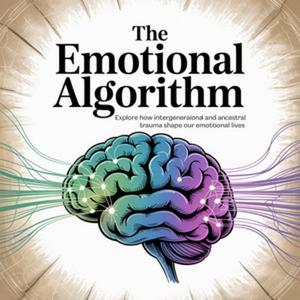


Emotional regulation is one of those phrases that can sound simple on the surface, but in real life, it touches almost everything: our relationships, our stress levels, our patterns of reaction, and even the ways we carry family history in our bodies. In this episode, we explore emotional regulation through the lens of intergenerational trauma, ancestral trauma, emotional psychology, and the neuroscience of emotions. When people talk about “healing,” they often imagine letting go of painful feelings. But the truth is more nuanced. Healing is often about learning how to feel safely, respond intentionally, and create new patterns where old survival strategies used to run the show.
The first thing to understand is that many emotional reactions are not random. From a neuroscience perspective, the brain is always scanning for safety or threat. When it senses danger, the nervous system can shift into fight, flight, freeze, or fawn before the thinking part of the brain has time to catch up. That means what looks like “overreacting” may actually be an automatic protection response. If a parent, grandparent, or even earlier generations lived through chronic stress, violence, displacement, poverty, or emotional neglect, those survival patterns can influence how emotions are processed in the family system. Emotional regulation, then, is not about suppressing the response. It is about helping the nervous system realize that the present is different from the past.
The second point is that intergenerational trauma often shows up as emotional habits. Some families normalize silence, detachment, perfectionism, or constant vigilance. Others pass down explosive anger, shame, or emotional unpredictability. These patterns can be learned through language, behavior, and attachment, but they can also be carried in the body as heightened sensitivity to stress. Emotional psychology helps us name this clearly: if you grew up around emotional instability, your system may have learned to expect it. That expectation can shape how you interpret tone, facial expressions, or conflict. A small disagreement can feel enormous because the body is responding to an old emotional map.
The third part of healing is developing tools that support emotional regulation in real time. This might include slowing the breath, naming the feeling, grounding through the senses, or simply pausing before reacting. These practices may seem basic, but they work because they create space between stimulus and response. That space is where choice begins. Over time, the brain can build new pathways through repetition and safety. In other words, regulation is not a personality trait; it is a skill. And like any skill, it strengthens with practice, compassion, and consistency. For people healing ancestral trauma, this can feel especially powerful because each calm response becomes a break in an inherited chain.
Finally, emotional regulation is deeply connected to self-compassion. Many people try to heal by criticizing themselves for being “too sensitive,” “too emotional,” or “too much.” But shame rarely creates lasting change. Compassion does something different: it helps us meet our pain without becoming overwhelmed by it. When we understand that our reactions may come from generations of unmet needs and unfinished survival, we can begin to relate to ourselves with more kindness. That kindness is not avoidance. It is the foundation that makes transformation possible.
Emotional regulation is ultimately about reclaiming agency. It is about learning how to listen to the wisdom of the body without letting fear make every decision. It is about honoring the past while refusing to be ruled by it. And as we heal our own emotional patterns, we also create something meaningful for the generations that come after us: a nervous system that knows safety, a heart that knows steadiness, and a family story that includes healing, not just harm.
Some wounds don’t begin with us. They live in family systems, in learned silence, in the stories we were never fully told, and in the emotional patterns we inherited long before we had language for them. That is why intergenerational healing matters so much. It helps us understand how trauma can travel across generations, how ancestral experiences shape our nervous systems, and how we can begin to interrupt cycles that no longer serve us.
When people hear the phrase intergenerational trauma, they often think only of major events like war, displacement, poverty, or abuse. But trauma can also be carried through more subtle channels: parenting styles, emotional suppression, hypervigilance, shame, perfectionism, or the inability to trust safety. A child raised in an environment shaped by unresolved fear may learn to stay small, stay quiet, or stay alert. Over time, those adaptations can become identity. Intergenerational healing begins when we recognize that many of our reactions are inherited survival strategies, not fixed truths about who we are.
From a neuroscience perspective, emotions are not just feelings in the moment. They are deeply connected to the brain’s threat detection systems, memory networks, and the body’s stress response. When trauma is chronic or unresolved, the nervous system can become wired for protection. That means a person may react strongly to conflict, withdrawal, criticism, or uncertainty, even when the present situation is relatively safe. In this way, ancestral trauma can influence how we regulate emotion, how we attach, and how we interpret the world. Understanding this is empowering because it replaces self-blame with compassion. We are not broken; we are patterned.
Healing inherited patterns often begins with awareness. Ask yourself: What emotions were welcomed in my family, and which ones were discouraged? Was anger expressed, or buried? Was sadness met with comfort, or dismissed? Did love feel safe, or conditional? These questions help reveal the emotional inheritance we carry. Once those patterns are visible, change becomes possible. Practices like therapy, somatic work, journaling, meditation, breathwork, and mindful self-observation can help retrain the nervous system. Over time, we can learn to respond instead of react, to feel without collapsing, and to create new emotional pathways that support safety and connection.
Intergenerational healing is not about blaming those who came before us. It is about understanding that many families passed down what they themselves were given: coping mechanisms, protection, endurance, and survival. Honoring that truth allows us to approach healing with both honesty and tenderness. We can respect our roots while choosing something different for ourselves and the generations that follow. Every moment of awareness, every boundary, every regulated breath, every act of self-compassion becomes part of that repair.
Healing inherited pain is slow work, but it is meaningful work. As we learn to meet our emotions with curiosity instead of fear, we begin to loosen the grip of old survival patterns. And in that space, intergenerational healing becomes more than a concept. It becomes a lived experience—one that can transform not only our own lives, but the emotional legacy we leave behind.
Trauma recovery is often talked about as a personal journey, but for many people, it’s also an intergenerational one. The emotional wounds we carry don’t always begin with us. Sometimes they are shaped by family silence, survival patterns, cultural stress, and the kind of pain that gets passed down long before we have words for it. In this episode, we’re looking at trauma recovery through the lens of ancestral trauma, emotional psychology, and the neuroscience of emotions, because healing inherited patterns starts with understanding where they come from.
One of the most important things to know about trauma is that it lives in the body and the brain, not just in memory. When a person experiences fear, loss, neglect, or chronic stress, the nervous system adapts to survive. Over time, that survival response can become a default setting. This is why trauma recovery can feel so confusing: someone may “know” they are safe, but their body still reacts as if danger is near. Neuroscience helps explain this disconnect. The amygdala can become hyper-alert, the stress response can stay activated, and the prefrontal cortex—the part of the brain that helps with regulation and reflection—can struggle to stay online during emotional overwhelm.
Intergenerational trauma adds another layer. Families often pass down coping strategies that once protected them, but later become limiting or harmful. Emotional distance, perfectionism, overworking, people-pleasing, mistrust, and emotional shutdown can all be inherited responses to earlier hardship. These patterns are not evidence that a family is broken; they are often signs of adaptation. In emotional psychology, this matters because behavior is rarely random. What looks like stubbornness, anger, or detachment may actually be a learned defense against pain. Trauma recovery means gently identifying those defenses without shame, so they can be understood and updated instead of repeated.
Another key part of healing inherited patterns is recognizing how the body stores emotional memory. Many people assume healing only happens through insight, but the body often needs new experiences of safety before the mind can fully relax. That’s why grounding, breathwork, therapy, movement, rest, and supportive relationships are so powerful. They help re-train the nervous system. Small moments of regulation matter: a slower breath, a safe conversation, a pause before reacting, a boundary held with calm. These moments teach the brain that not every discomfort is an emergency. Over time, trauma recovery becomes less about “fixing” yourself and more about building the capacity to stay present with compassion.
And then there is the emotional and ancestral piece: grieving what was never fully received. Many people healing trauma are also mourning the love, protection, and emotional attunement they needed but did not get. That grief is real, and it deserves space. At the same time, healing can be deeply liberating. When one person begins to notice inherited patterns, they create a ripple effect across generations. Choosing awareness over autopilot, softness over self-criticism, and regulation over reactivity can interrupt cycles that have lasted for decades.
Trauma recovery is not a straight line, and it is rarely quick. But it is possible. The more we understand how emotions, the brain, the body, and family history work together, the more clearly we can see healing as a relational process—one that honors both what was carried and what can now be released. Recovery is not about forgetting the past. It’s about creating a future where the past no longer runs the whole story.
Inner child healing is one of those phrases that can sound soft and simple at first, but the truth behind it runs deep. When people talk about emotional patterns that feel bigger than their own experiences, they’re often talking about something that began long before this moment. Intergenerational trauma, ancestral trauma, and learned emotional survival strategies can shape the way we respond to stress, relationships, safety, and love. In this episode, we’re exploring how inner child healing can help us understand those inherited patterns and begin to change them with care and awareness.
One important place to start is with the idea that emotions are not random. From a neuroscience perspective, emotions are closely tied to the brain’s survival systems. When a child grows up in an environment shaped by fear, inconsistency, silence, or emotional neglect, the nervous system learns to stay alert. That survival wiring can continue into adulthood, even when the original threat is no longer present. This is why a small conflict can feel overwhelming, or why certain situations trigger shame, anxiety, or shutdown. Inner child healing helps us notice those automatic reactions and recognize that they are often protective responses, not personal flaws.
Another key piece is understanding how trauma can move across generations. Families do not only pass down eye color, traditions, and recipes. They also pass down coping styles, beliefs about emotions, and unspoken rules about what is safe to feel. If a parent had to suppress grief to survive, they may unknowingly teach their child to do the same. If a family system has long carried fear, scarcity, or emotional distance, those patterns can become normalized. Inner child healing creates space to ask: What am I carrying that was never truly mine? That question alone can open the door to compassion and change.
Healing also means learning to reconnect with the parts of ourselves that were once ignored, dismissed, or forced to adapt too quickly. The “inner child” is not just a metaphor. It represents the younger emotional self that still holds unmet needs, old hurt, and the desire to be seen and protected. Practices like journaling, somatic awareness, therapy, self-compassion, and gentle inner dialogue can help rebuild trust with those younger parts. Instead of criticizing ourselves for reacting strongly, we begin offering safety, validation, and patience. That shift can slowly rewire emotional patterns over time.
Perhaps the most powerful part of inner child healing is realizing that awareness creates choice. We may not be able to change the past, but we can change the relationship we have with it. We can interrupt inherited cycles, regulate our nervous system, and respond to ourselves with more understanding than the people before us may have known how to give. Healing does not mean erasing our history. It means meeting it honestly and allowing something new to grow from it. And that is where freedom begins.
If you’ve ever felt like your emotions were louder than your present circumstances, inner child healing may help you make sense of that experience with more kindness and less shame. The path is not always quick, but it is deeply worthwhile. Each step toward awareness is also a step toward healing inherited patterns, honoring your story, and creating a more emotionally safe future for yourself and the generations that follow.
Some patterns in our lives feel almost too familiar. The same conflicts keep showing up, the same fears seem to follow us, and certain emotional reactions feel bigger than the moment in front of us. In this episode, we explore healing patterns through the lens of intergenerational trauma, ancestral trauma, emotional psychology, and the neuroscience of emotions. What if some of what we call “personality” is actually inherited survival strategy? And what if understanding that truth is the first step toward real change?
One of the most important ideas in healing patterns is that trauma does not only live in memory. It can live in the body, in the nervous system, and in the way we respond to stress. When a family line has experienced loss, displacement, abuse, addiction, poverty, war, or silence, those experiences can shape emotional habits across generations. A child may grow up in a safer environment, yet still inherit hypervigilance, shame, people-pleasing, emotional suppression, or a deep fear of abandonment. These responses are not weakness. They are adaptations. They were once protective.
From a neuroscience perspective, emotions are deeply tied to the brain’s survival systems. The amygdala detects threat, the nervous system scans for danger, and the body prepares to fight, flee, freeze, or fawn. When trauma is unresolved, the brain can become trained to expect danger even when none is present. That means a small disagreement can feel like rejection, a pause in a conversation can feel like abandonment, and uncertainty can trigger panic. Healing patterns begins when we realize that many emotional reactions are not random—they are conditioned responses built from experience.
Another powerful layer of healing patterns is emotional psychology. The beliefs we carry about ourselves are often formed early, and they are frequently shaped by the emotional climate around us. If love was inconsistent, we may believe we have to earn connection. If emotions were dismissed, we may learn to distrust our inner world. If the family system prized endurance over honesty, we may feel guilty for needing rest or support. Healing does not mean judging those beliefs harshly. It means noticing them with compassion and asking, “Is this still true for me?”
And then comes the most hopeful part: patterns can change. The brain is plastic, which means it can form new pathways through repeated experience. Healing patterns happens through awareness, regulation, and safe connection. That may look like naming emotions instead of avoiding them, learning how to calm the body when it feels overwhelmed, setting boundaries without apology, or choosing relationships where vulnerability is met with care. It may also mean honoring your lineage while refusing to pass on pain that no longer belongs to you. Healing is not about erasing the past. It is about interrupting its automatic power over the present.
So if you have ever wondered why certain wounds feel older than your own life, this is your reminder: you are not broken. You may be carrying stories that began long before you did. But awareness creates possibility, and possibility creates change. Healing patterns is a process of remembering what was inherited, recognizing what is no longer needed, and slowly teaching your mind and body that a different way of living is possible. That kind of healing is personal, but it is also generational. When one person begins to heal, the pattern shifts.
Have you ever noticed how some emotions seem to run in a family? Maybe conflict gets avoided at all costs, anger shows up suddenly and intensely, or anxiety feels like the air everyone breathes. In this episode, we’re talking about family patterns—those repeated emotional, behavioral, and relational habits that can quietly move through generations. Some of them are learned at home, some are shaped by stress and survival, and some are deeply tied to intergenerational trauma and ancestral trauma. Understanding these patterns is not about blame. It’s about awareness, compassion, and the possibility of change.
One of the first things to understand is that family patterns often begin as adaptations. If a previous generation lived through war, displacement, poverty, abuse, addiction, or emotional neglect, the nervous system learned to stay alert. That survival energy can get passed down in the form of hypervigilance, emotional shutdown, people-pleasing, or a deep fear of being “too much.” From the outside, these may look like personality traits. But from an emotional psychology perspective, they are often protective strategies—responses that once helped a family endure hardship.
Neuroscience helps explain why these patterns can feel so hard to change. Our brains are built to conserve energy and repeat what is familiar. Emotional memory is not only stored as a story; it is stored in the body through sensations, stress responses, and automatic reactions. When something in the present resembles an old wound, the brain can react as if the past is happening again. That’s why a small disagreement may trigger a panic response, or why criticism can feel unbearable. The emotional brain doesn’t just hear the moment—it also remembers the history behind it. Healing begins when we notice those reactions without becoming them.
Another important piece is that family patterns often live in the unspoken rules of a household. Some families teach that feelings should be hidden. Others normalize chaos, self-sacrifice, silence, or perfectionism. Children absorb these rules long before they have words for them. Later in life, those rules may shape relationships, work habits, and even identity. Someone may struggle to ask for help because their family pattern equated need with weakness. Another person may overfunction for everyone else because they learned that love had to be earned through responsibility. These patterns are powerful because they feel normal, even when they are painful.
The good news is that inherited patterns can be interrupted. Healing starts with curiosity: What did my family need to survive? What did they not know how to express? What am I still carrying that was never mine to begin with? Practices like therapy, nervous system regulation, journaling, somatic awareness, and honest conversation can help create space between trigger and reaction. With time, we can learn to respond instead of repeat. We can honor our ancestors without repeating their pain. And we can build new emotional pathways that support safety, connection, and choice.
Family patterns are not destiny. They are information. They show us where love, fear, protection, and pain have lived in a system for a long time. When we begin to see those patterns clearly, we gain something incredibly powerful: the ability to heal not only ourselves, but the story that comes after us. And that is where real change begins.
Welcome to this episode on psychological healing, a conversation about the invisible emotional patterns that can shape our lives long before we fully understand them. Sometimes what feels like “just the way I am” is actually part of a much deeper story—one influenced by family systems, inherited stress, and emotional experiences passed down through generations. In this episode, we’re exploring intergenerational trauma, ancestral trauma, emotional psychology, and the neuroscience of emotions to better understand how healing inherited patterns is possible.
One of the most important ideas in psychological healing is that trauma does not only live in the memory of a single event. It can also live in the body, the nervous system, and the way we respond to stress, conflict, and closeness. When people grow up around fear, silence, grief, or emotional neglect, those experiences can shape their inner world in powerful ways. Over time, the brain learns to stay alert, protect itself, or shut down emotionally. These responses are not signs of weakness—they are adaptations. Understanding that can bring enormous relief, because it means your patterns were learned for survival, and learned patterns can be changed.
Another key part of psychological healing is recognizing the role of intergenerational trauma. Families often pass down more than stories, traditions, and values. They can also pass down unresolved pain, coping mechanisms, and emotional rules. A parent who never learned how to process anger may suppress it. A grandparent who survived hardship may have lived in constant vigilance. Those survival strategies can quietly become part of the family culture. You may inherit not only the pain, but also the ways of carrying it. The good news is that awareness creates choice. Once you can name the pattern, you can begin to interrupt it.
This is where neuroscience offers real hope. The brain is constantly changing through experience, a process called neuroplasticity. That means emotional habits are not fixed forever. When you repeatedly practice safety, self-awareness, regulation, and healthy connection, the nervous system begins to learn a new way of being. Simple practices like slowing the breath, noticing body sensations, journaling emotions, or pausing before reacting can help retrain the brain. Psychological healing is not about becoming perfect or never feeling triggered again. It is about increasing your capacity to stay present, respond with intention, and recover more gently from stress.
Healing inherited patterns also requires compassion. Many people try to heal by judging themselves for being anxious, avoidant, reactive, or emotionally shut down. But shame often keeps the cycle going. Compassion creates the opposite effect. When you approach your reactions with curiosity instead of criticism, you begin to understand what they are protecting. That understanding opens the door to deeper emotional work, whether through therapy, somatic practices, reflection, or meaningful relationships. Healing is rarely instant. It is a gradual process of making peace with the past while building a new relationship with yourself in the present.
At its core, psychological healing is about reclaiming your story. You may carry echoes of what came before you, but you are not limited by them. Intergenerational trauma can influence your life, but it does not have to define your future. With awareness, nervous system support, and self-compassion, it is possible to transform inherited pain into greater emotional freedom. And that healing can ripple forward, not only for you, but for the generations that come after.
Some pain feels like it starts with us, but often it didn’t. It may have been carried quietly through families for years, showing up as anxiety, people-pleasing, emotional shutdown, perfectionism, or the sense that something is wrong without knowing why. In this episode, we explore healing inherited patterns by looking at intergenerational trauma, ancestral trauma, emotional psychology, and the neuroscience of emotions. When we understand how the past can live in the present, we begin to see that healing is not just personal—it can be deeply generational.
One of the most important ideas in this conversation is that trauma is not only about what happened to us directly. It can also be shaped by what our parents, grandparents, and earlier generations survived. Wars, loss, displacement, poverty, abuse, silence, and chronic stress can all influence how a family learns to cope. Sometimes those experiences are never spoken about, but they still leave an imprint. Children absorb more than words—they absorb tone, fear, body language, and emotional patterns. That is how inherited pain can become part of the emotional atmosphere of a family.
From the perspective of emotional psychology, these patterns often become familiar strategies for staying safe. A child raised around unpredictability may become hyper-alert. A child who learned that emotions were inconvenient may grow into an adult who disconnects from their feelings. Another may become the caretaker, always anticipating everyone else’s needs. These responses are not signs of weakness. They are intelligent adaptations. The challenge is that what once protected us can later limit us. Healing inherited patterns begins when we stop judging these responses and start understanding what they were trying to do for us.
Neuroscience helps explain why this work can feel so difficult. The brain and nervous system are designed to detect danger and create predictable responses. When stress or trauma is repeated across generations, the body can stay on high alert, even when the original threat is long gone. Emotional triggers may feel immediate because the nervous system reacts before logic has time to catch up. That’s why healing often requires more than insight alone. It involves regulation, safety, and new experiences that teach the body it no longer has to live as if the past is still happening.
The hopeful part is that patterns can change. Healing inherited trauma does not mean denying where we come from. It means bringing compassion to what was carried, naming what was once unspeakable, and choosing new responses with awareness. Practices like therapy, breathwork, mindfulness, somatic work, journaling, and honest conversation can all support this process. Over time, we can interrupt the cycle by noticing our triggers, slowing down our reactions, and learning how to stay present with ourselves in difficult moments. Each small shift matters because it creates a different emotional blueprint for the future.
Healing inherited is not about blaming the past. It is about understanding it clearly enough to stop repeating what no longer serves us. When we see trauma through the lens of psychology and neuroscience, we gain both compassion and clarity. We begin to realize that healing is possible, not only for ourselves, but for the generations that follow. And sometimes, that is how a family story changes: one person chooses to heal, and the ripple begins.
What if some of the emotional weight you carry didn’t begin with you? In this episode, we’re exploring epigenetics trauma —the fascinating idea that trauma can leave marks not only on our minds and bodies, but potentially on the way our genes are expressed. This doesn’t mean we are doomed by our family history. It means we may inherit sensitivity, stress responses, and emotional patterns that were shaped long before we had language for them. And once we understand that, healing becomes more possible.
The first thing to understand is that trauma is not just a memory. In emotional psychology and neuroscience, trauma is often described as a nervous system response to overwhelming experiences. When the brain detects threat, it shifts into survival mode: fight, flight, freeze, or fawn. If that state happens repeatedly, the body can begin to stay on alert even when danger is no longer present. This is one reason people may feel anxious, numb, hypervigilant, or emotionally reactive without fully knowing why. With epigenetics trauma, these stress patterns may be influenced by experiences passed down through family systems, especially when hardship, loss, violence, or chronic fear shaped previous generations.
The second point is that inherited trauma is not only psychological—it can be relational. Families transmit more than DNA. They pass down coping styles, beliefs, silence, attachment patterns, and unspoken rules about emotions. For example, a family that survived war, displacement, or scarcity may unconsciously teach children to stay guarded, suppress needs, or distrust safety. That child grows up with a nervous system trained to expect danger. Even if their life circumstances are calmer, the body can still carry the old story. This is where epigenetics trauma becomes so important: it helps us see that healing may require not just insight, but also changing the emotional environment we live in now.
The third point is that the brain is adaptable. One of the most hopeful findings in neuroscience is neuroplasticity—the brain’s ability to change with repeated experience. That means inherited stress patterns are not permanent. When we practice emotional awareness, regulate our breathing, build safe relationships, and process unresolved pain, we begin to teach the nervous system something new. Therapy, somatic work, mindfulness, journaling, and compassionate self-reflection can all help interrupt the cycle. Healing inherited patterns often starts by noticing what we feel, where we feel it in the body, and what old survival strategy may be driving it.
The fourth point is that healing ancestral trauma does not require blaming our family. Many people were doing the best they could with the pain they carried. The goal is not to judge the past, but to make peace with it and choose differently. When we understand epigenetics trauma, we can approach ourselves with more compassion. Instead of asking, “What is wrong with me?” we can ask, “What happened in my family system, and what do I need now to feel safe?” That shift alone can change everything.
So if you’ve ever felt like your reactions were bigger than the moment, or like your emotions belonged to a story older than your own, you are not imagining it. Intergenerational trauma is real, but so is healing. Every time you regulate, reflect, and respond with awareness, you’re helping write a new pattern. And that is powerful—not just for you, but for the generations that come after you.
When people talk about a trauma response, they often picture something dramatic: panic, shutting down, or suddenly feeling overwhelmed for no obvious reason. But a trauma response can be far more subtle than that. It can show up in the way we communicate, the way we trust, the way we protect ourselves, and even in the beliefs we carry about who we are. In this episode, we’re exploring how trauma responses are shaped not only by our own experiences, but sometimes by the emotional patterns passed down through families and generations.
One of the most important things to understand is that a trauma response is not a flaw. It is the nervous system doing its best to keep us safe. From a neuroscience perspective, the brain and body are constantly scanning for danger. When something feels threatening, whether it’s a real event or a familiar emotional trigger, the body may move into fight, flight, freeze, or fawn. These reactions are automatic. They happen before logic has time to step in. That’s why someone may react intensely to a small comment, withdraw from conflict, or feel unable to speak up even when they want to. The response is often less about the present moment and more about what the body has learned from the past.
This is where intergenerational trauma and ancestral trauma come into the picture. Families don’t just pass down eye color or mannerisms. They can also pass down patterns of survival. A parent who grew up in chaos may become hypervigilant. A grandparent who had to suppress feelings to survive may teach emotional silence as strength. Over time, these coping strategies become embedded in the family system. Even when the original threat is gone, the emotional habits remain. That means a trauma response can be inherited in the form of fear, shame, people-pleasing, or emotional disconnection.
Emotional psychology helps us understand why these patterns can feel so hard to change. Feelings are not random; they are deeply linked to memory, identity, and attachment. If a child repeatedly learns that expressing needs leads to rejection, the child may grow into an adult who apologizes constantly or avoids vulnerability. If anger was punished in childhood, the body may learn to numb it entirely. Healing begins when we recognize that these responses once served a purpose. They helped someone belong, stay safe, or reduce pain. But what protected us then may limit us now.
The good news is that healing inherited patterns is possible. It starts with awareness: noticing your triggers, naming your reactions, and asking what your body is trying to protect you from. From there, practices like therapy, breathwork, nervous system regulation, journaling, and compassionate self-inquiry can help create new pathways. Healing does not mean erasing the past. It means teaching the body that not every reminder is danger, and not every inherited pattern has to become destiny.
A trauma response may begin as a survival mechanism, but it does not have to define the rest of your life. When we understand the science of emotions and the emotional legacy carried through generations, we gain something powerful: choice. And with choice comes the possibility of breaking cycles, softening old wounds, and creating a different future for ourselves and for the people who come after us.
From the publisher's feed