
Sign up to save your podcasts
Or

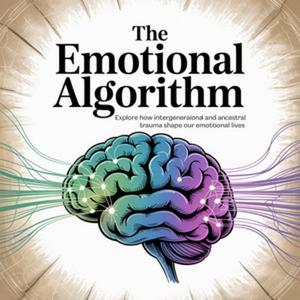


Emotional trauma is one of those topics that can feel deeply personal and surprisingly universal at the same time. We all carry experiences that shape how we react, love, trust, protect ourselves, and move through the world. But sometimes, the pain we feel does not begin with us. It can be passed down through family systems, cultural stories, and unspoken survival patterns. In this episode, we explore emotional trauma through the lens of intergenerational trauma, ancestral trauma, emotional psychology, and the neuroscience of emotions, so we can better understand not only where our pain comes from, but also how healing can begin.
One of the most important ideas in emotional trauma work is that trauma is not only about what happened, but about what happened inside us as a result. A difficult event may overwhelm the nervous system, leaving the brain and body stuck in patterns of fear, vigilance, shutdown, or emotional reactivity. This is why two people can experience the same event and respond very differently. Emotional psychology helps explain how our early experiences shape our beliefs about safety, worth, and connection. If a child learns that emotions are ignored, punished, or unsafe, that child may grow into an adult who struggles to express needs or regulate feelings. The trauma becomes part of their emotional blueprint.
Intergenerational trauma adds another layer to this conversation. Sometimes what we call “personal” emotional trauma is actually part of a larger inherited pattern. Families that have experienced loss, displacement, war, addiction, abuse, or chronic stress often pass down coping strategies that once helped them survive. Silence, perfectionism, emotional distance, and hyper-independence can all be survival responses that made sense in one generation and become painful limitations in the next. Ancestral trauma reminds us that we are shaped not only by our own lives, but by the emotional history of those who came before us.
From a neuroscience of emotions perspective, trauma changes the way the brain processes threat and safety. The amygdala, which helps detect danger, may become overactive, while the prefrontal cortex, which supports reflection and regulation, can have a harder time calming the system. The body may stay on alert even when there is no immediate threat. That is why emotional trauma can show up as anxiety, numbness, anger, shame, difficulty sleeping, or feeling disconnected from others. The good news is that the brain is adaptable. With safe relationships, therapy, mindfulness, somatic practices, and compassionate self-awareness, new neural pathways can form.
Healing inherited patterns starts with noticing them without judgment. We can ask ourselves: What did I learn about emotions in my family? What patterns do I repeat without meaning to? What am I carrying that may not actually belong to me? These questions create space for understanding instead of blame. Healing emotional trauma does not mean erasing the past. It means becoming more conscious of how the past lives in the present, and choosing new responses with care. Every time we regulate our emotions, speak honestly, set a boundary, or offer ourselves compassion, we interrupt an old pattern and create something new.
Emotional trauma may be inherited, hidden, or long forgotten, but it is not destiny. When we understand the science, the psychology, and the family story behind our pain, we gain more freedom to heal. And healing does not just affect one person. It can ripple across generations. That is the quiet power of awareness: it helps us transform survival into resilience, and inherited pain into a more conscious future.
Generational trauma is one of those topics that can feel deeply personal even when we’re talking about it in broad, scientific terms. It touches family stories, unspoken rules, emotional reactions, and the patterns we sometimes repeat without fully understanding why. In this episode, we’re exploring how generational trauma can shape the way we think, feel, and respond to the world, and how healing becomes possible when we bring awareness to what has been passed down.
At its core, generational trauma refers to the emotional and psychological impact of painful experiences that can be carried from one generation to the next. This doesn’t mean trauma is always inherited in a mystical sense. More often, it shows up through behavior, attachment, communication, stress responses, and the environment we grow up in. A parent who lived through fear, loss, neglect, or instability may unknowingly pass on anxiety, emotional suppression, hypervigilance, or difficulty trusting others. The child may not know the original story, but they still feel the echo of it.
From an emotional psychology perspective, this matters because our nervous system learns through repetition and safety. If a child grows up around unpredictability, their brain begins to scan constantly for danger. If emotions were ignored, minimized, or punished, that child may learn to disconnect from their own feelings just to stay safe. Over time, these adaptive responses can become automatic patterns in adulthood. What once helped someone survive can later interfere with intimacy, self-worth, and emotional regulation. Generational trauma often lives in these “survival strategies” that outlast the original threat.
Neuroscience helps explain why these patterns can feel so hard to change. Trauma affects the brain’s stress system, including areas involved in fear detection, memory, and emotional control. When a person is repeatedly exposed to stress, the brain can become more reactive, making it easier to feel overwhelmed or shut down. The body remembers what the mind may not fully understand. This is why someone might react strongly to a situation that seems small on the outside, but feels huge on the inside. Their nervous system is responding to old information, not just the present moment.
The good news is that healing inherited patterns is possible. Awareness is the first step. When we begin noticing our triggers, beliefs, and automatic responses, we create space between the past and the present. Therapy, somatic practices, mindfulness, journaling, and healthy relationships can all help rewire the nervous system toward safety and connection. Healing generational trauma does not mean blaming our families. It means understanding the pain that was carried, recognizing what no longer serves us, and choosing to interrupt the cycle with compassion and intention.
Ultimately, generational trauma is not just about what was handed down. It’s also about what can be transformed. When one person starts healing, the impact can extend far beyond them. New ways of relating, regulating emotions, and communicating can ripple through a family line. And that is what makes this work so powerful. Healing is not only personal; it can be ancestral, collective, and deeply hopeful.
Ancestral trauma is one of those ideas that can feel both deeply personal and surprisingly expansive. It asks us to look at our own emotional patterns and wonder: how much of what I feel is actually mine, and how much was passed down through family, culture, and generations before me? In this episode, we explore ancestral trauma through the lenses of emotional psychology, neuroscience, and healing, and why so many inherited patterns show up in the way we love, protect, react, and survive.
The first thing to understand is that trauma is not only about a single event. Intergenerational trauma can be transmitted through repeated stress, family dynamics, attachment patterns, and the silent rules people learn at home. If a parent grew up in fear, scarcity, or emotional neglect, they may unconsciously pass on hypervigilance, emotional shutdown, or perfectionism to their children. Over time, these behaviors can become part of a family’s emotional inheritance. What looks like “just the way we are” is often a survival strategy that made sense in a previous generation.
From a neuroscience perspective, emotional experiences shape the brain and body. The nervous system learns what is safe, what is threatening, and how to respond under pressure. When stress is chronic, the body may stay stuck in patterns of fight, flight, freeze, or fawn. That means inherited trauma can influence how the brain processes emotion, memory, and connection. We may overreact to small triggers, struggle to trust others, or feel disconnected from our own feelings without realizing these responses were designed to help our ancestors endure difficult circumstances. The nervous system does not just remember our personal history; it also adapts to the emotional environment we are raised in.
Emotional psychology helps explain why these patterns can feel so automatic. Many of us internalize family beliefs early in life: “Don’t be too sensitive,” “Keep the peace,” “Handle it yourself,” or “Love means sacrifice.” These messages can become emotional scripts that guide our choices well into adulthood. Ancestral trauma often lives inside these scripts, shaping how we interpret conflict, boundaries, success, and intimacy. Healing begins when we start noticing our default reactions and asking whether they are truly ours—or inherited from people who were doing the best they could with the tools they had.
The hopeful part is that healing inherited patterns is possible. We are not doomed to repeat the past. With awareness, reflection, and practices that regulate the nervous system, we can begin to interrupt old cycles. This may involve therapy, somatic work, journaling, breathwork, or simply learning to pause before reacting. It may also mean grieving what was missing and offering ourselves the emotional safety that earlier generations did not have. Each time we respond with more presence, compassion, or honesty, we create a new pattern—one that can be passed forward.
Ultimately, ancestral trauma is not just about pain. It is also about resilience, memory, and the chance to transform what has been inherited. When we understand the emotional and biological roots of our patterns, we can stop blaming ourselves for every struggle and start seeing healing as both a personal and generational act. The work is not about erasing the past. It is about meeting it with awareness, so the future can be different.
Intergenerational trauma is one of those topics that helps explain why some emotional patterns feel bigger than our own personal story. You may have grown up in a safe home and still carry a deep sense of fear, hypervigilance, guilt, or sadness that seems hard to trace. Or maybe you’ve noticed the same relationship struggles, coping habits, or emotional shutdown showing up across generations in your family. Today, we’re exploring intergenerational trauma, ancestral trauma, and the emotional and neurological ways these patterns can be passed down—and, most importantly, how healing begins.
The first thing to understand is that trauma is not only about what happened to you directly. When a family goes through war, displacement, abuse, neglect, poverty, addiction, or chronic stress, the effects can ripple outward for years. Children often absorb the emotional climate around them long before they can name it. They learn what is safe, what is not safe, and what emotions are allowed. In this way, intergenerational trauma can become part of family culture: silence around pain, constant vigilance, emotional suppression, or the belief that love must be earned through endurance.
From a neuroscience perspective, emotions are not just fleeting feelings—they are deeply connected to the brain and body. Trauma can shape the nervous system so that it stays on alert, even when the danger is no longer present. The amygdala may become more reactive, the stress response may activate quickly, and the body may struggle to return to a calm state. Over time, this can influence how we respond to conflict, intimacy, change, and uncertainty. What looks like “overreacting” on the outside is often a nervous system trying to protect us based on old information.
There’s also growing understanding that inherited trauma can show up through patterns beyond behavior alone. Family systems, attachment styles, stress hormones, and even epigenetic changes may all play a role in how trauma is transmitted across generations. That does not mean we are doomed to repeat the past. It means our emotional lives are influenced by more than personal choice, and healing may require compassion for what has been carried before us. When we stop asking, “What’s wrong with me?” and begin asking, “What happened in my family system?” we create space for real insight.
Healing inherited patterns starts with awareness. Notice the triggers that feel outsized, the beliefs that seem inherited, and the emotional responses that arrive before thought. Then, with support, begin building safety in the body: slowing the breath, grounding through sensation, and learning to recognize when you are in the present rather than reliving the past. Therapy, somatic work, journaling, family history exploration, and honest conversation can all help uncover the roots of these patterns. Just as importantly, healing involves grief—grieving what was lost, what was never named, and what previous generations may not have had the tools to heal.
Intergenerational trauma can be powerful, but so is intergenerational healing. Every time you choose presence over shutdown, curiosity over shame, or softness over survival mode, you interrupt an old cycle. You do not have to carry every wound to prove loyalty to your family. Sometimes healing is exactly that: honoring your ancestors by becoming the one who makes the pattern stop here. And that is not just personal growth. It is repair, across time.
From the publisher's feed