
Sign up to save your podcasts
Or

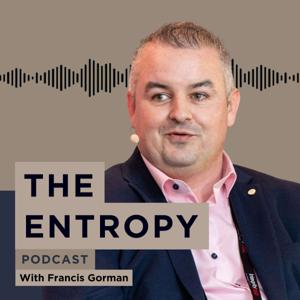


In this episode, Francis Gorman speaks with Michael Freeman, Head of Threat Intelligence at Armis, about his career path from working in U.S. intelligence and cryptography to co-founding the cybersecurity company CTCI. The discussion explores how Michaels approach to threat intelligence led to the early identification of significant vulnerabilities such as Log4j, sometimes months before they were publicly known.
The episode covers:
- Michaels background in crypto analysis and offensive security
- His perspective on post-quantum cryptography and emerging risks
- The founding and approach behind CTCI, including identifying active vulnerabilities before others in the industry
- The challenge of false positives in commercial threat feeds
- The importance of asset visibility and contextual vulnerability management
- The role of AI in both enhancing cybersecurity operations and in aiding attackers
- Michaels thoughts on modern election security, influence operations, and the broader geopolitical implications of technology
- Risks of over-reliance on AI for critical thinking and decision-making
The conversation emphasizes practical insights into how organizations can better understand and secure their environments in the face of rapidly evolving threats.
In this episode of the Entropy Podcast, host Francis Gorman speaks with Francesco Cipollone, founder and CEO of Phoenix Security. They discuss the evolution of application security, the challenges faced in the industry, and the innovative approaches taken by Phoenix Security to address these issues. Francesco shares insights on the importance of collaboration between security teams and engineers, the role of AI in enhancing security measures, and the necessity of prioritizing vulnerabilities in a rapidly changing digital landscape. The conversation also touches on the reality of cybersecurity solutions and the need for organizations to adapt to new threats and technologies.
Takeaways
Disclaimer: The views and opinions expressed in this podcast are solely those of the host and guests, based on personal experiences. They do not represent facts and are not intended to defame or harm any individual or business. Listeners are encouraged to form their own opinions.
In this episode, Francis Gorman interviews Mark Megarry, a PhD student specializing in 6G open radio access networks. They discuss Mark's journey into cybersecurity, the implications of 6G technology, and the security risks associated with open radio access networks. The conversation also covers the role of machine learning in future networks, the real-world consequences of insecure networks, and the importance of public speaking and community engagement in the cybersecurity field. Mark shares insights from his Capture the Flag competitions and emphasizes the need for resilience in network security.
Takeaways
In this episode of the Entropy Podcast, Francis Gorman speaks with Dr. James Merrick about the challenges and opportunities in achieving low carbon electricity in Ireland and globally. They discuss Ireland's 2030 emissions reduction targets, the role of technology in addressing climate change, and the impact of agriculture on emissions. The conversation also explores the importance of small countries in leading climate initiatives, innovative projects in electrical systems, and the need for a rethinking of grid design to accommodate renewable energy sources. Finally, they touch on future innovations in energy generation and the translation of academic theory into practical solutions.
Takeaways
In this episode of the Entropy Podcast, Francis Gorman speaks with Louise McCormack, a trustworthy AI consultant and PhD candidate, about the critical importance of trust in AI systems. They explore the ethical frameworks that govern AI, the implications of AI decision-making on society, and the need for transparency and accountability in AI technologies. The conversation delves into the potential dystopian future of AI, the impact of technology on human resilience and language, and the pressing issues of data privacy and consent in the digital age. Louise emphasizes the need for regulation and the societal responsibility to ensure that AI serves the public good rather than corporate interests.
Takeaways
In this episode of the Entropy Podcast, host Francis Gorman speaks with Chris Dale, Chief Hacking Officer of River Security, about the dynamic and ever-evolving field of cybersecurity. They discuss the importance of penetration testing, the overlooked security risks companies face, and the role of offensive security in today's landscape. Chris shares valuable insights on how organizations can better prepare for cyber threats, the significance of education in the field, and the potential impact of generative AI on cybersecurity training. The conversation also touches on future challenges in cybersecurity, including the implications of geopolitical cyber warfare.
Takeaways
In this episode of the Entropy Podcast, host Francis Gorman engages with Jimmy White, CTO and president of Calypso AI, discussing the evolving landscape of generative AI, the implications of new technologies like DeepSeek, and the current outlook around regulation in the AI sector. They explore the challenges of data integrity, the risks associated with AI-generated content, and the innovations in AI security. The conversation also touches on geopolitical pressures affecting AI development and predictions for the future of agent technology in the industry.
Takeaways
Discover the unexpected synergy between safety and security engineering as I chat with Dr. Bob Oates, Associate Director at Cambridge Consultants. Prepare to learn how these often considered distinct fields align in their ultimate mission to prevent harm. Bob takes us on an insightful journey, sharing insights across his distinguished career, Bob leverages a fantastic example of the groundbreaking project delivering the world’s first commercial remotely operated ship he worked on whilst with Rolls Royce to bring the topic to life. We also unravel the vital role of systems engineering in managing risks and ensuring seamless communication among diverse teams.
Together, we explore the many considerations of safety and security in industries where the stakes are high, like shipping, aviation, and finance. We also speak around developments in post-quantum cryptography, to understand potential threats such as "harvest now, decrypt later" and the necessity of updating cryptographic practices. Bob and I emphasize the importance of preparing for these advancements, drawing parallels with safety systems to highlight the need for traceability and effective stakeholder communication.
Takeaways
From the publisher's feed
Hosted by Francis Gorman, The Entropy Podcast brings together intelligence community veterans, post-quantum cryptography pioneers, CISOs, business leaders, and frontline practitioners for…
Past guests include former senior CIA officers, leading cryptographers, digital forensics experts, and security and technology leaders from across financial services, critical infrastructure, and government, voices rarely heard together in one place.
Each episode goes beyond headlines to explore how cyber risk, emerging technology, and geopolitical instability are reshaping the way organisations operate, compete, and defend themselves. Expect candid insight on quantum risk, nation-state threats, AI, espionage, financial crime, business resilience, and the human dimensions of leadership.
Designed for CISOs, board members, founders, technologists, policy thinkers, and the professionally curious, Entropy sits at the intersection of business, technology, and cybersecurity a space for genuine conversations with unique minds, the kind that don’t fit neatly into a press release.
The name Entropy reflects the growing complexity and unpredictability of the systems we depend on, and the discipline required to lead through them.
Disclaimer: The views and opinions expressed on The Entropy Podcast are those of the host and guests in their personal capacity and do not represent the views, positions, or policies of their respective employers, affiliated organisations, or any government body. Guest appearances do not constitute endorsement by the host, and the host’s commentary does not constitute endorsement of guests’ views. Content is provided for informational and educational purposes only and does not constitute professional, legal, financial, or security advice.
One of the topics I cover a lot on this show is post quantum readiness, I believe awareness of this emerging technology is key for a safer world into the future. To support this awareness I have built a free resource to help you explore the world of quantum and learn as you go. You can find it here: www.postquantumready.com
Buy Our Swag:
We now have some slick new swag you can purchase through our Esty store.
https://theentropypodcast.etsy.com
Watch and Subscribe
You can also watch full episodes and exclusive content on our YouTube channel:
www.youtube.com/@TheEntropyPodcast
Achievements
The Entropy Podcast delivered strong chart performance throughout 2025, demonstrating consistent international reach and listener engagement.
This performance reflects sustained global interest and growing recognition across key podcast markets.