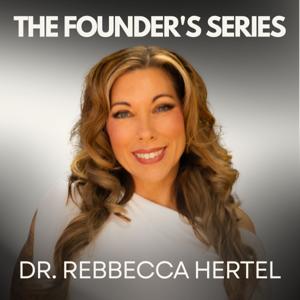
In this episode, Dr. Rebecca Hertel opens up about her journey through medical school and the realities of being a physician. She shares her personal experience with trauma, burnout, and the mental health toll of medical training, including hazing culture and emotional suppression.
Now an entrepreneur and Certified Menopause Specialist, Dr. Hertel discusses the strategies she developed to cope and heal—and why creating systemic support for mental health in the medical field is more urgent than ever.
This conversation offers insight into the resilience required to navigate both the healthcare system and life as a physician, while advocating for transparency, prevention, and cultural change.
Trigger Warnings: This episode contains discussion of suicide, trauma, and hazing in medical training.
Referenced Data on Physician Suicide:
Recent national data estimates the annual number of physician suicides in the U.S. between 119 and 400, with variance due to underreporting and differences in methodology. A CDC NVDRS analysis (2010–2015) found ~119 suicides per year, likely a conservative number. Other sources, including the American Academy of Pediatrics, cite 300–400 per year.
Key findings:
- Female physicians have a higher suicide risk than women in the general population.
- Male physicians have a similar or slightly lower risk than male non-physicians.
- The most recent national cohort data (2017–2021) shows:
- 24–28 suicides per 100,000 person-years for male physicians
- 10–14 per 100,000 for female physicians
These numbers emphasize the continued need for targeted mental health support and cultural change within the medical field.
References:
- Gold KJ et al. Psychology, Health & Medicine. 2022
- McClafferty HH et al. Pediatrics. 2022
- Duarte D et al. JAMA Psychiatry. 2020
- Makhija H et al. JAMA Psychiatry. 2025
- Ye GY et al. Journal of Psychiatric Research. 2021
Dr. Hertel is now seeing patients via private telemedicine as a Certified Menopause Specialist. Learn more: https://visit.osteopathicmidlifehealt...