
Sign up to save your podcasts
Or


Summary
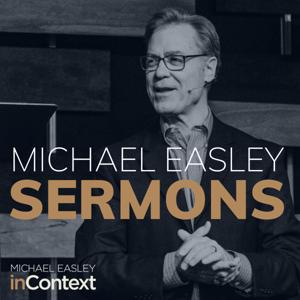
As Christmas approaches, Dr. Michael Easley invites us to look beyond familiar traditions—food, travel, gifts, family rhythms—and consider a deeper anticipation: the divine visitation of God. Drawing from Genesis 50, Dr. Easley traces Joseph’s final words and the Hebrew term pachad, a rich word describing God “visiting” His people in judgment, blessing, discipline, or deliverance. Joseph, at 110 years old, stands as a man who endured betrayal, injustice, imprisonment, and loss, yet he dies full of hope—insisting his bones be carried to the Promised Land because God will keep His word.
Dr. Easley contrasts God’s sovereign plan with human evil, reminding us that even the darkest chapters of Joseph’s life were woven into God’s purposes. He also emphasizes that death does not break God’s promises; Joseph died without seeing the deliverance he believed in, yet he trusted the God who brings the dead to life. As we prepare for Christmas, this sermon invites us to consider the greatest visitation of all—the arrival of the divine Deliverer—and to rest in the certainty that God keeps His promises, even when our circumstances say otherwise.
Takeaways
God’s sovereign plan operates even through the evil intentions and injustices of people.
The Hebrew word pachad shows that God “visits” His people in discipline, blessing, and deliverance.
Joseph believed God’s promises even though he never saw their fulfillment in his lifetime.
Death does not—and cannot—break the promises of God.
The anticipation we feel around birth reflects a deeper longing wired into our souls for God’s divine visitation.
The birth of Christ is the ultimate visitation of God, bringing redemption exactly as He promised.
To read the book of Genesis, click here.
Click here for other Michael Easley Sermons.
 View all episodes
 By Michael Easley

4.5
3131 ratings
Summary
As Christmas approaches, Dr. Michael Easley invites us to look beyond familiar traditions—food, travel, gifts, family rhythms—and consider a deeper anticipation: the divine visitation of God. Drawing from Genesis 50, Dr. Easley traces Joseph’s final words and the Hebrew term pachad, a rich word describing God “visiting” His people in judgment, blessing, discipline, or deliverance. Joseph, at 110 years old, stands as a man who endured betrayal, injustice, imprisonment, and loss, yet he dies full of hope—insisting his bones be carried to the Promised Land because God will keep His word.
Dr. Easley contrasts God’s sovereign plan with human evil, reminding us that even the darkest chapters of Joseph’s life were woven into God’s purposes. He also emphasizes that death does not break God’s promises; Joseph died without seeing the deliverance he believed in, yet he trusted the God who brings the dead to life. As we prepare for Christmas, this sermon invites us to consider the greatest visitation of all—the arrival of the divine Deliverer—and to rest in the certainty that God keeps His promises, even when our circumstances say otherwise.
Takeaways
God’s sovereign plan operates even through the evil intentions and injustices of people.
The Hebrew word pachad shows that God “visits” His people in discipline, blessing, and deliverance.
Joseph believed God’s promises even though he never saw their fulfillment in his lifetime.
Death does not—and cannot—break the promises of God.
The anticipation we feel around birth reflects a deeper longing wired into our souls for God’s divine visitation.
The birth of Christ is the ultimate visitation of God, bringing redemption exactly as He promised.
To read the book of Genesis, click here.
Click here for other Michael Easley Sermons.

1,827 Listeners
8,578 Listeners

1,378 Listeners

19,390 Listeners
41,179 Listeners
1,324 Listeners
197 Listeners
3,133 Listeners

5,316 Listeners

66,834 Listeners

838 Listeners

83 Listeners
13,107 Listeners

69 Listeners
16,875 Listeners