
Sign up to save your podcasts
Or



Episode Overview:
In this powerful episode of The Hanley Effect, Dr. John Dyben and Dr. Rachel Docekal sit down with Bart Ross, Recovery Services Manager at Hanley Center. Bart, a true beacon of hope for those struggling with addiction, shares his journey from early struggles with alcoholism to finding purpose and a life of spiritual recovery. Bart discusses his passion for helping others and the transformative power of recovery programs.
Key Discussion Points:
Memorable Quote from Bart Ross:
“The worst thing that ever happened to me—my addiction—has brought me to the greatest gifts of my life.”
Why You Should Listen:
This episode is a heartfelt exploration of the transformative power of recovery. Whether you’re in recovery, a family member, or a professional in the field, Bart’s wisdom, compassion, and honesty will inspire you to see recovery as a pathway to a life filled with meaning and connection.
Resources Mentioned:
If you or someone you love is struggling with addiction, know that recovery is possible. Take the first step today.
In this episode of The Hanley Effect, hosts Dr. John Dyben and Dr. Rachel Docekal welcome Matt Williams, the founder of FROPRO, a thriving health-focused snack company with roots in addiction recovery. Matt shares his powerful story of overcoming addiction, building a community, and creating a brand that inspires others. This episode dives deep into themes of resilience, recovery, entrepreneurship, and the transformative power of asking for help.
Key Discussion Points:
Matt’s Journey to Recovery:
The Birth of FROPRO:
Recovery Through Community:
Brice Makris Brunch:
Overcoming Stigma:
This episode is a must-listen for anyone seeking inspiration, whether you’re in recovery, supporting a loved one, or drawn to stories of perseverance and hope. Matt’s story exemplifies how vulnerability, hard work, and community can lead to transformation and success.
Connect with Hanley Foundation:
To learn more about Hanley Foundation’s programs and initiatives, visit hanleyfoundation.org or call 844-502-4673.
Follow FROPRO:
Tune in now to hear Matt’s incredible journey and learn how you, too, can be part of a community that transforms lives!
In this powerful episode, co-hosts Dr. John Dyben and Dr. Rachel Docekal talk with Dr. Heather Howard and Alli Jimenez, key figures behind Hanley Center's Casa Flores, a transformative program providing compassionate, trauma-informed care for pregnant and postpartum women in recovery. Together, they discuss breaking stigma, addressing intergenerational trauma, and building relationships as the foundation of recovery. From personal stories of resilience to groundbreaking innovations, this episode sheds light on how supporting mothers can create ripples of change for families and communities.
Key Discussion Points:
Resources Mentioned:
Thank You for Listening!
Thank you for tuning in to The Hanley Effect. If you enjoyed this episode, don’t forget to subscribe, rate, and share with your network. Together, we can change minds and save lives.
The holiday season is here, and with it comes the joy—and challenges—of family gatherings. In this special Thanksgiving episode of The Hanley Effect, our hosts tackle a critical topic: how to navigate Thanksgiving as someone in early sobriety. From awkward dinner table moments to supportive conversations with family, we explore practical tips and heartfelt advice for fostering connection and maintaining addiction recovery during the holidays.
Tune in for a warm, humorous, and insightful conversation that celebrates love, acceptance, and the power of open communication.
Key Takeaways:Takeaway for Families:
Approach your loved one with curiosity and compassion. Open conversations are rooted in love, acceptance, and a genuine desire to support their journey.
Takeaway for Individuals in Recovery:
Prepare, practice, and lean on your community. You are not alone, and with the right tools, you can thrive this Thanksgiving.
Happy Thanksgiving from The Hanley Effect!
For more insights, visit Hanley Foundation or call 844-502-4673.
In this compelling episode of The Hanley Effect, hosts Dr. Rachel Docekal and John Dyben are joined by special guests Turner Benoit, Chief Philanthropy Officer at Hanley Foundation, and Niki T, a former patient and advocate in addiction recovery. Niki shares her powerful journey from addiction to becoming a successful advocate, mother, and professional in the field of forensic social work. Turner discusses the transformative programs at Hanley that are changing lives, particularly for pregnant women and mothers struggling with substance use. The episode highlights Hanley's new Casa Flores program, which provides comprehensive, family-centered support for women and their children, breaking generational cycles of addiction.
Key Points
Resources Mentioned
Contact Information For more information about Hanley Foundation’s programs or to contribute to their mission, visit Hanley Foundation or call 844-502-4673.
Tune in next time for more stories of resilience, innovation, and hope from The Hanley Effect.
Show Notes for The Hanley Effect Podcast - Episode with Joshua Love
Episode Overview:
In this insightful episode of The Hanley Effect, hosts Dr. John Dyben and Dr. Rachel Docekal sit down with Joshua Love, the Clinical Director of Headwaters. With warmth and humor, they explore Joshua’s journey into the addiction and mental health field, his passion for family support, and Headwaters' innovative approach to treating high-net-worth individuals dealing with addiction. Recorded on Joshua's birthday, this episode dives deep into the personal and professional dedication that drives Hanley Foundation's work.
Key Discussion Points:
Connect with Hanley Foundation:
For more information about Hanley Foundation programs, visit hanleyfoundation.org or to learn more about Headwaters visit headwatersfl.org call 844-502-4673.
Episode Highlights:
Thank you for listening to The Hanley Effect! Join us next time as we continue exploring stories of resilience, hope, and recovery.
Tune in this week for a truly inspiring episode as we welcome Steve Campana, a retired firefighter/paramedic and EMS captain with an impressive 32-year career in the fire service! After dedicating his life to helping others (but don't let him hear you call him a hero!), Steve now focuses on assisting individuals battling addiction. He shares his transformative journey from the adrenaline-fueled world of emergency services to finding his true self through recovery and holistic healing.
Steve opens up about the challenges that he faced as a first responder, from compartmentalizing traumatic experiences to grappling with feelings of lost purpose after retirement. His candid reflections shed light on the true importance of emotional expression and mental health awareness in the first responder community. As he recounts powerful moments from his career, you can expect to hear how he learned to embrace vulnerability and prioritize authenticity!
We also meet the true special guest of the show - Mac, Steve’s adorable therapy dog, who plays a pivotal role in his healing journey! Mac was trained through the Paws and Stripes program which pairs therapy dogs with first responders. Together, they explore the profound impact of canine companionship on mental health and recovery.
Prepare to be inspired by Steve's resilience, wisdom, and the unconditional love of his furry friend. Whether you're a first responder, in recovery, or simply curious about the power of personal growth, this episode promises to resonate deeply and ignite hope!
In This Episode:
[02:48] - Hear how Steve embraces his authentic self at Hanley, unlike his past as a firefighter.
[04:26] - We learn that Steve spent 32 years with Palm Beach County Fire Rescue, starting as a police explorer.
[06:58] - Select firefighter paramedics can become SWAT deputies, which excited Steve during operations.
[09:32] - Learn why Steve does not consider himself a hero.
[12:48] - Steve admits that he used compartmentalization as a tool, reaching a breaking point while hiding his trauma.
[15:33] - Overwhelming stress led Steve to rely on drugs and alcohol during his late 20s.
[17:00] - Steve feels that the first responder community's mental health culture is improving but still needs progress.
[19:20] - From a young age, Steve felt different growing up, prioritizing image over leadership opportunities and neglecting his team.
[21:29] - Hear how a woman Steve met changed his retirement plans after he shared his past with her.
[23:56] - Despite adversity, Steve maintained positivity, gaining respect and realizing his leadership shortcomings.
[27:20] - Steve's therapy dog Mac assists first responders, connecting to Steve's own experiences.
[31:42] - The Paws and Stripes program trains therapy dogs, caring for them prior to adoption.
[35:22] - Since COVID, Mac has become well-known at Hanley, helping reduce stress on campus.
[38:10] - Steve reveals that Mac will soon assist in group sessions.
[41:07] - Steve envisions a three-dog unit at Hanley to provide support for all patients.
[42:46] - Steve stresses the importance of reaching out to support fellow first responders in pain.
[45:30] - The new facility will reflect Hanley’s unique style with innovative features for success.
Links and Resources:
Hanley’s Patriot Program
844-502-4673
In this episode, we are also joined by Jerry Moe, MA., an infectiously passionate advocate for children impacted by addiction, to discuss his remarkable journey and the incredibly pivotal work that he is doing with Sesame Street. Jerry is the Senior Clinical Advisor at National Association for Children Impacted by Addiction (NACoA). He is the National Director of Children's Programs, Emeritus, at Hazelden Betty Ford. Jerry is an author, speaker, and consultant on issues for children and families hurt by addiction. Jerry's work is featured in the PBS documentary Lost Childhood and has contributed to Emmy Award-winning programs on both Nickelodeon and PBS's Sesame Street.
Jerry opens up about his personal experiences growing up in a family with a history of alcoholism, sharing how he navigated his own struggles while witnessing his parents find recovery. His story reflects the importance of healing early on, as he emphasizes the need for support and guidance for children facing similar challenges.
We also dive into Jerry's impactful work on Sesame Street, on which he collaborates with a dedicated team to create resources aimed at helping children understand and cope with the complexities of addiction. Jerry illustrates how these concepts can empower young minds with a focus on the "7 Cs" (principles that guide children in recognizing and caring for themselves while dealing with familial struggles).
Jerry reveals how, via engaging activities and compassionate storytelling the team creates safe spaces for children to express their feelings and understand that addiction is a disease, not a personal failing. As he shares heartfelt anecdotes from his experiences, it becomes clear that the goal is to educate children and help families heal and build healthier legacies.
Tune in to hear Jerry's inspiring insights and learn how you can support children navigating the challenges of addiction in their lives. This episode is truly a testament to the resilience of families and the transformative power of empathy and understanding!
In This Episode:
[02:12] - Learn how Jerry struggled with alcoholism in his family but found recovery and support in programs.
[05:49] - Mark Twain emphasized the importance of understanding one's purpose in life.
[06:40] - Jerry respects Sesame Street for addressing children's trauma and advocating for affected families.
[09:47] - Jerry discusses how the Seven Cs guide kids' healing, emphasizing self-care and healthy choices for recovery.
[11:07] - Jerry aimed to create a child-centered program for families impacted by addiction and healing.
[14:43] - Jerry emphasizes reframing addiction discussions to separate the disease from the loved ones affected.
[16:58] - Hear how children enthusiastically engage with the concepts of treatment and recovery to combat addiction.
[18:57] - Jerry wants to prevent children from experiencing addiction trauma by promoting early healing.
[21:02] - Jerry calls attention to a flawed statistic about kids living with addiction, noting that reality shows an even higher prevalence.
[23:12] - Kids often understand more about their surroundings than adults realize; communication should be careful.
[25:00] - Jerry notes that children often share feelings in programs, using age-appropriate explanations about addiction.
[28:07] - Trauma leads kids to blame themselves, but shifting the narrative can spark healing and realization.
[30:59] - Jerry touches upon double standards in treatment and argues that connections between moms and kids improve recovery.
[34:21] - Rachel discusses a new program for women and children, addressing treatment's stigma and impact.
[35:06] - Stigma keeps people sick.
[38:29] - How can we combat stigma?
Links and R
In this episode, we explore the complex relationship between mental health and addiction. We tackle the pressing issue of mental health stigma in today’s society, despite the increasing openness around these discussions. John shares a powerful analogy about casseroles, illustrating how society readily supports physical ailments but often shies away from offering the same kindness to those facing mental health challenges.
We have a deep discussion regarding the necessity of treating mental health conditions alongside addiction, highlighting the importance of a holistic, empathetic approach. John provides insights into the unique treatment programs at Hanley, where the environment is intentionally designed to promote dignity and healing. We also discuss the alarming rise of psychosis linked to high doses of THC, underscoring the critical need for public awareness and education about the realities of substance use.
You can expect to gain a nuanced understanding of the interconnectedness of mental health and addiction, as well as the vital importance of compassionate care. If you’re interested in mental health, addiction recovery, or simply want to learn more about supporting loved ones in their journey, then this episode is definitely a must-listen for you!
In This Episode:
[02:35] - John acknowledges increasing discussions about mental health, but stigma around severe conditions persists.
[05:51] - The environment in mental health programs affects perceptions of worth and dignity for patients.
[06:45] - Rachel reveals that Hanley has two campuses, one open to the public and another with beautiful treatment pavilions.
[09:36] - Many addiction treatment clients also face co-occurring mental health disorders that require simultaneous treatment.
[11:20] - John explains that comprehensive treatment considers individuals as whole people, including their mental, physical, and spiritual aspects.
[13:54] - Effective mental health care involves evidence-based therapies, medication, and a dignified living environment.
[16:42] - We learn that Hanley’s mental health program emphasizes a holistic approach, including high-quality, organic food.
[19:07] - Rachel raises concerns about marijuana as a gateway drug, especially due to high THC levels today.
[21:36] - John recalls seeing psychotic breaks in young adults due to high-frequency and high-dosage THC use.
[24:15] - Accurate information about marijuana and its effects on mental health is essential for public awareness.
[27:01] - Potential clients begin treatment at Hanley through an assessment process via phone calls with case managers.
Links and Resources:
Hanley Foundation - Website
844-502-4673
Welcome, everyone, to Hanley Effect, a podcast in association with Hanley Foundation. Whether it's recovering from addiction, trauma, mental health challenges or any other life obstacles, this podcast is your safe space for inspiration, guidance, and real stories of triumph!
CEO of Hanley Foundation, Dr. Rachel Docekal, as well as Hanley’s Chief of Research and Innovation, Dr. John Dyben, discuss the complexities of addiction and how it affects not just individuals but also entire families and communities, spanning across generations.
Rachel kicks things off by shedding light on how Hanley has innovated treatment specifically for older adults, addressing the unique challenges that they face in recovery. You’ll hear about the importance of creating a safe space where people from the same generation can connect, empathize, and heal together, emphasizing just how important that it is to tailor treatment approaches to meet the specific needs of different age groups.
Dr. Dyben also examines the science of addiction and how it’s more than just a disease of the brain. He shares his journey from seminary school to becoming a leader in addiction treatment, and we talk about the parallels between the fight against AIDS and the battle against addiction - how societal change and innovation are crucial to making real progress.
We also touch on some of the groundbreaking research happening at Hanley, with the aim being to shift how we as a society treat and understand addiction. Dr. Dyben's insights into trauma, family dynamics, and the broader implications of addiction are truly eye-opening, and Rachel’s enthusiasm for the future of behavioral health is inspiring to say the least.
Buckle up for a conversation that’s as informative as it is inspiring. We talk about tangible solutions for tangible problems and how, together, we can create a world free of addiction! Until next time, keep embracing your recovery and thriving in your story!
In This Episode:
[01:02] - Rachel highlights that older adults in treatment fare better when grouped by generation because they benefit from shared backgrounds and experiences.
[03:41] - Beginning his career in church ministry, Dr. Dyben transitioned to addiction treatment and found a true calling at Hanley Foundation.
[05:41] - Hear how, fascinated by the influence of social factors on health, Dr. Dyben now leads research and innovation in addiction treatment.
[07:04] - Dr. Dyben focuses on elevating addiction treatment research to the same level as other diseases.
[10:08] - Dr. Dyben reflects on how societal changes, especially the humanization of AIDS, were crucial in advancing AIDS research and treatment.
[11:56] - Dr. Dyben describes guinea worm disease's near-eradication and its parallels with addiction treatment.
[14:58] - Cory discusses changing attitudes toward AIDS and the importance of addressing trauma in addiction.
[16:27] - Better understanding addiction reduces stigma and encourages empathy and treatment.
[17:49] - Rachel shares having refused opiates for her daughter's surgery, advocating for alternative pain management.
[19:55] - Rachel warns against unnecessary opiate prescriptions and advises proper disposal of unused medication.
[21:58] - Addiction is a neurobiological disease, affecting people beyond moral or intellectual weakness.
[24:11] - Learn how addiction impairs impulse control by reducing blood flow to the prefrontal cortex.
[26:29] - Rachel advocates for more realistic addiction portrayals and notes Hanley Foundation’s role in treatment.
Links and Resources:
Hanley Foundation - Website
844-502-4673
From the publisher's feed
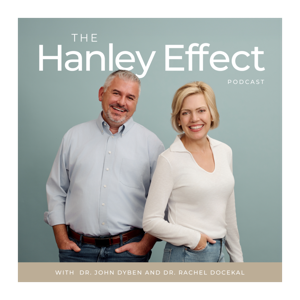
The Hanley Effect is a weekly addiction recovery and mental health podcast hosted by Dr. John Dyben, Chief Clinical Officer at Hanley Center, and Dr. Rachel Docekal, CEO of the Hanley…
This trauma-informed podcast explores substance use disorder (SUD), addiction treatment, neuroscience, co-occurring mental health disorders, overdose prevention, adolescent mental health, and long-term recovery through evidence-based conversations with leading experts, clinicians, policymakers, and individuals with lived experience.
Featured guests include leading neuroscientists, healthcare executives, policymakers, law enforcement leaders, and nationally recognized advocates shaping the future of addiction treatment and prevention.
Produced by the Hanley Foundation, a nonprofit leader in prevention, education, treatment, and advocacy, The Hanley Effect delivers trusted insight, practical tools, and real-world perspectives for behavioral health professionals, educators, first responders, families, and people in recovery.
Grounded in science and compassion, this podcast helps listeners better understand addiction, reduce stigma, and build stronger, healthier communities.