
Sign up to save your podcasts
Or

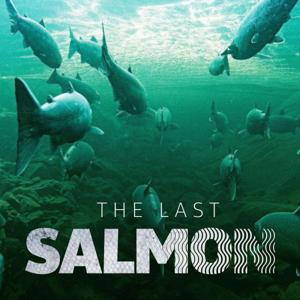


Professor Ken Whelan returns to The Last Salmon for a deep dive into what happens to Atlantic salmon once they leave our rivers and head out into the North Atlantic.
For decades, the ocean was the great unknown in the salmon story. Then projects such as SALSEA began to reveal extraordinary migration routes stretching from Ireland, Britain and mainland Europe towards the Norwegian Sea, the Faroes and Greenland.
But despite everything we have learned, Ken argues that there are still huge gaps in our understanding of what is happening to salmon at sea — and that time is running out.
In this episode, Jim Murray and Ken discuss:
• The extraordinary “smolt highway” across the North Atlantic
• Why salmon research effectively stalled after the original SALSEA work
• How warming seas and changing ocean currents could alter salmon migration
• The possibility of Atlantic and Pacific salmon increasingly sharing habitat
• What we know — and still don’t know — about salmon bycatch in commercial fisheries
• Why estuaries may be one of the most overlooked parts of the salmon lifecycle
• Pollution, high water temperatures and the pressures facing returning adult salmon
• The case for stronger protection of migratory fish at sea
• Aquaculture, sea lice and the latest concerns around wild salmon and sea trout
• Why Ken believes we need “immediate action, not immediate discussion”
• The importance of protecting salmon strongholds for the future
Ken also explains why salmon need to be treated as a genuinely marine species when research programmes and funding decisions are being made — and why ICES, NASCO, governments and conservation organisations all have a role to play.
We know far more about Atlantic salmon than we did 20 years ago.
But as Ken makes clear, we still don’t know nearly enough.
And the one thing we cannot control is time.
Season 3 of The Last Salmon is in partnership with Loop — driving change for wild fish and wild places.
Subscribe to The Last Salmon for more conversations with anglers, scientists, conservationists and campaigners working to protect the wild Atlantic salmon.
The Last Salmon, presented by actor and activist, Jim Murray MBE offers hope and solutions to the tragic story that is unfolding for an iconic species in crisis - the wild salmon.
For regular updates, follow the show at Instagram.com/TheLastSalmon
After the fall of the Soviet Union, Russia’s Kola Peninsula became one of the most extraordinary salmon fishing destinations on earth.
Julian Pullan, author of Right Place, Right Time: The Pursuit and Protection of Salmon, joins Jim Murray to look back on an era when pioneering anglers travelled into some of the most remote rivers in the world in search of wild Atlantic salmon.
Julian made 19 trips to the Kola Peninsula and recalls the excitement of those early years: vast, largely unexplored rivers, incredible numbers of fresh salmon, remote camps, helicopters, poaching, local mafia and the extraordinary characters drawn to what became a golden age of salmon fishing.
He also explains why those experiences carry a warning for today.
They discuss:
• The opening up of Russia’s Kola Peninsula to western anglers
• Discovering and mapping previously unfished salmon pools
• Industrial-scale poaching and the realities of fishing remote Russia
• Why Kola salmon were such extraordinary fighting fish
• Julian’s first Russian salmon and the fish he remembers most
• How salmon populations are shifting northwards
• Why even the great Russian rivers are no longer immune from decline
• Aquaculture and the future of wild salmon
• What Julian would do with £1 billion for salmon conservation
• Why anglers should contribute more financially to protecting the fish they pursue
• And where Julian would spend his final day of fishing
Part adventure story and part cautionary tale, it is a fascinating look back at what happens when seemingly limitless abundance begins to disappear.
Season 3 of The Last Salmon is in partnership with Loop — driving change for wild fish and wild places.
Subscribe to The Last Salmon for more conversations with anglers, scientists, conservationists and campaigners working to protect the wild Atlantic salmon.
The Last Salmon, presented by actor and activist, Jim Murray MBE offers hope and solutions to the tragic story that is unfolding for an iconic species in crisis - the wild salmon.
For regular updates, follow the show at Instagram.com/TheLastSalmon.
Can saving the wild Atlantic salmon begin at sea?
Hugo Tagholm, former CEO of Surfers Against Sewage and now Executive Director of Oceana UK, joins Jim to explore the growing pressures facing our oceans — and what they mean for the future of wild salmon.
Hugo discusses the environmental impact of open-net salmon farming, the scale of industrial fishing, the continued use of bottom trawling inside supposedly protected marine areas, and why healthier seas are essential if wild salmon populations are to recover.
The conversation also turns directly to wild Atlantic salmon and the campaign to have the species recognised and protected as a marine species, with Hugo offering Oceana’s support in exploring how that campaign could be taken forward.
This is a wide-ranging conversation about why the fate of wild salmon is inseparable from the health of our seas.
The Last Salmon is in partnership with Loop Tackle - driving change for wild fish and wild places.
The Last Salmon, presented by actor and activist, Jim Murray MBE offers hope and solutions to the tragic story that is unfolding for an iconic species in crisis - the wild salmon.
For regular updates, follow the show at Instagram.com/TheLastSalmon.
For more than 30 years, Andrew Flitcroft, former Editor of Trout & Salmon, and now Editor of The Take, Loop Tackle's new digital magazine, has watched salmon fishing shift from an era when success was measured by how many fish you caught — and killed — to one where catching a single wild Atlantic salmon can feel like a privilege.
In this episode of The Last Salmon, Andrew joins Jim Murray to reflect on the transformation in the sport, asking, if salmon numbers are under such pressure, should we still be fishing for them at all?
The Last Salmon is in partnership with Loop Tackle — driving change for wild fish and wild places.
** NB: The featured competition is now closed **
The Last Salmon, presented by actor and activist, Jim Murray MBE offers hope and solutions to the tragic story that is unfolding for an iconic species in crisis - the wild salmon.
For regular updates, follow the show at Instagram.com/TheLastSalmon.
Ross Brawn has spent a lifetime solving some of the world's toughest engineering challenges. As the Formula 1 mastermind behind championship-winning teams at Benetton, Ferrari, Brawn GP and Mercedes, he knows that success isn't built on guesswork—it's built on preparation, innovation and data.
In this episode of The Last Salmon, Ross joins Jim Murray beside his beloved River Itchen to explore an unexpected question:
Can the mindset that transformed Formula 1 help save the Atlantic salmon?
Ross shares how fly fishing became his escape from the relentless pressure of Formula 1, why he believes engineers - not just campaigners - have a crucial role to play in conservation, and why we can't solve the wild salmon crisis without first understanding it.
Together they discuss:
This is a fascinating conversation about leadership, problem-solving and the power of setting the right objectives - on the racetrack, beside the river and in the fight to protect one of nature's greatest species.
The Last Salmon is in partnership with Loop Tackle, driving change for wild fish and wild places.
The Last Salmon, presented by actor and activist, Jim Murray MBE offers hope and solutions to the tragic story that is unfolding for an iconic species in crisis - the wild salmon.
For regular updates, follow the show at Instagram.com/TheLastSalmon.
Stand-up comedian, wildlife biologist and fly angler Eeland Stribling explains why making people laugh isn't a distraction from conservation - it's one of its most powerful tools.
Humour, he says, lowers people's defences, opens the door to difficult conversations, and helps audiences hear ideas they might otherwise ignore.
As Eeland puts it: "If you can make people laugh, people are more engaged to listen."
From planning comedy tours around tarpon migrations to teaching fly casting in the middle of New York City, Eeland has built a career where laughter, fly fishing and environmental storytelling collide.
Jim and Eeland also discuss:
- Why comedians have a responsibility beyond getting laughs
- How humour can make conservation more accessible
- The state of America's rivers and public lands
- The power of getting kids outdoors
- Why anglers are some of conservation's strongest advocates
- And Eeland's dream final day on the water—with Steve Irwin, Denzel Washington and a 200lb tarpon.
If you've ever wondered how we get more people to care about nature, this conversation offers a surprisingly simple answer:
Make 'em laugh first.
Subscribe for more conversations with the people protecting wild salmon and wild places.
The Last Salmon is in partnership with Loop Tackle, driving change for wild fish and wild places.
The Last Salmon, presented by actor and activist, Jim Murray MBE offers hope and solutions to the tragic story that is unfolding for an iconic species in crisis - the wild salmon.
For regular updates, follow the show at Instagram.com/TheLastSalmon.
Following our conversation with Mowi Scotland Managing Director, Ben Hadfield, we invited two people with first-hand experience of Scotland's salmon farming industry to respond.
Joining us are Nick Underdown, Scotland Director at WildFish, and Ailsa McLellan, a former salmon farm worker who now lives beside a Mowi salmon farm on Scotland's west coast.
Together they examine many of the claims made in our previous episode, discussing life beside an open-net salmon farm, fish welfare, sea lice, pollution, community impacts, employment, regulation and whether Scotland's current approach to salmon farming is fit for the future.
This is about hearing from people who have spent years living and working on the front line of Scotland's salmon farming industry.
In this episode:
• What it's really like living beside an open-net salmon farm
• A former salmon farm worker's perspective from inside the industry
• Sea lice, fish welfare and environmental regulation
• Jobs versus community impacts
• Why campaigners say stronger regulation is urgently needed
• The future of salmon farming in Scotland
If you haven't already, don't forget to also listen to our interview with Ben Hadfield.
The Last Salmon is in partnership with Loop Tackle, driving change for wild fish and wild places.
The Last Salmon, presented by actor and activist, Jim Murray MBE offers hope and solutions to the tragic story that is unfolding for an iconic species in crisis - the wild salmon.
For regular updates, follow the show at Instagram.com/TheLastSalmon.
Here on The Last Salmon we’re as sceptical of salmon farming as you can get without needing therapy but we also think it's important that we hear their side of the story.
And their big wigs are usually so publicity shy that they make vampires look sociable.
Mowi are the biggest player in the salmon farming industry in the world and Ben Hadfield is the MD of Mowi Scotland and the CEO of Mowi Canada, Faroes and Ireland.
We’re going at it head on with Ben. Reality versus the industry spin and whether any of it holds up.
And make sure you stay until the end, because commitments were made directly to us — commitments that we will return to and hold Mowi accountable for in 12 months’ time.
The Last Salmon is in partnership with Loop Tackle, driving change for wild fish and wild places.
The Last Salmon, presented by actor and activist, Jim Murray MBE offers hope and solutions to the tragic story that is unfolding for an iconic species in crisis - the wild salmon.
For regular updates, follow the show at Instagram.com/TheLastSalmon.
On Wild Salmon Day, Jim Murray returns with the first episode of Season 3, bringing together three leading voices from across the North Atlantic to discuss the future of wild Atlantic salmon.
Joining Jim are Marina Gibson from the UK, Matt Hayes in Norway, and Vala Arnadottir from Iceland for a candid conversation about what their countries are getting right when it comes to salmon conservation – and what they're getting spectacularly wrong.
From catch-and-release and fish handling to aquaculture, pollution and public awareness, this special episode explores the challenges facing one of the world's most extraordinary migratory species.
The panel debates how anglers have become guardians of wild salmon, the importance of protecting spawning habitat, and why the fight to save salmon must reach beyond the angling community.
The discussion also examines how cultural attitudes towards salmon differ between countries, whether fish farming remains the single biggest threat facing wild stocks, and what each of us can do to help ensure future generations experience the wonder of a wild Atlantic salmon.
The Last Salmon is in partnership with Loop Tackle, driving change for wild fish and wild places.
The Last Salmon, presented by actor and activist, Jim Murray MBE, offers hope and solutions to the tragic story that is unfolding for an iconic species in crisis - the wild salmon.
For regular updates, follow the show at Instagram.com/TheLastSalmon.
Season 3 of The Last Salmon returns on #WIldSalmonDay June 1st.
Jim Murray is back with more guests, more insights, more controversy - and more solutions to drive change.
We’ve even invited the fox into the hen house when Mowi’s Scotland MD, Ben Hadfield, sits down with Jim.
But that’s all still to come....
We’re launching June 1st with three of the best voices in salmon angling and conservation - Marina Gibson, Vala Arnadottir & Matt Hayes. Three salmon nations coming together.
The Last Salmon is in partnership with Loop Tackle, driving change for wild fish and wild places.
From the publisher's feed
Ranked by our users in the last 21 days
1,341 Listeners

212 Listeners

246 Listeners

371 Listeners

260 Listeners
1,120 Listeners

121 Listeners

172 Listeners
510 Listeners
287 Listeners

20 Listeners

7 Listeners
54 Listeners

703 Listeners

9 Listeners