Your team may be performing exactly where you've allowed them to settle.
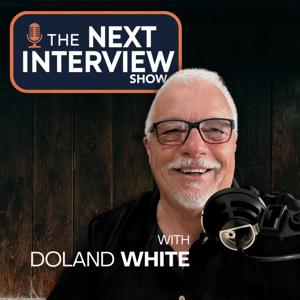
In this episode of The Next Interview, Doland White sits down with James Gamble, former professional baseball player and founder and CEO of Global Scouting Bureau, to explore one of the most important challenges in Executive Leadership: how do you build accountability while developing the potential of the people you lead?
James has spent nearly three decades helping athletes advance, building international relationships, and developing businesses around a powerful belief: today's performance doesn't define tomorrow's potential.
But potential alone isn't enough.
People need expectations, opportunities, honest feedback, and the willingness to put in the work.
What makes this conversation different?
James doesn't approach leadership from theory. His lessons come from professional sports, entrepreneurship, hiring, employee development, and years of helping people advance toward their goals.
He challenges leaders to rethink how they evaluate talent, build Leadership Trust, and create accountability without losing sight of the individual.
For Directors, VPs, Founders, and CEOs, this episode offers practical Leadership Development lessons that translate directly into Workplace Culture, Team Performance, and Business Leadership.
Five leadership lessons you'll take away:
1. People often settle at the standard you accept. Learn why clear expectations shape performance and why leaders must examine the behaviors they tolerate.
2. Potential requires more than talent. Discover why resilience, character, initiative, and consistent effort matter when evaluating employees and developing High Performance Teams.
3. Honest feedback is a leadership responsibility. Understand how direct, evidence-based conversations can strengthen Leadership Communication and Accountability in the Workplace.
4. Trust is earned through action. James explains why consistent performance and demonstrated value create stronger professional relationships.
5. Small actions create long-term improvement. Learn how repeatable routines, measurable commitments, and regular reviews help people build a stronger
Leadership Mindset.
Whether you're developing emerging leaders, strengthening Organizational Culture, or navigating your own leadership growth, this conversation will challenge you to rethink the relationship between expectations, trust, and human potential.
Episode chapters — estimated; verify against final edit
00:00 — Meet James Gamble
05:00 — Work ethic and resilience
12:00 — Recognizing human potential
18:00 — Why analytics can't replace human judgment
24:00 — Honest feedback and employee development
30:00 — The standards leaders accept
35:00 — The earning method and building trust
42:00 — Building a people-centered business
48:00 — Accountability and leadership growth
What is the biggest leadership lesson from this episode?
People need more than encouragement to grow. They need clear expectations, truthful feedback, meaningful opportunities, and consistent accountability.
About The Next Interview
Hosted by Doland White, executive coach, author of Lead With Confidence®, and known as The Empowerment Guy, The Next Interview delivers practical Leadership Coaching insights and conversations with experienced leaders.
Our mission is to empower one million leaders.
Subscribe for conversations on Leadership Development, Executive Leadership, Business Leadership, Leadership Coaching, and Leadership Mindset.
Connect and learn more
Doland White: https://www.dolandwhite.com
LinkedIn: https://www.linkedin.com/in/dolandwhite
YouTube: https://www.youtube.com/@thedolandwhite
Guest: James Gamble, Founder and CEO, Global Scouting Bureau
Guest website: https://www.gsbsports.com/about-us/contact-us/james-gamble/
Guest LinkedIn: https://www.linkedin.com/in/james-gamble-79a05710/
Subscribe, share this episode with another leader, and comment below:
What's one performance standard you're ready to raise?