
Sign up to save your podcasts
Or




Based on Podcast App listening data
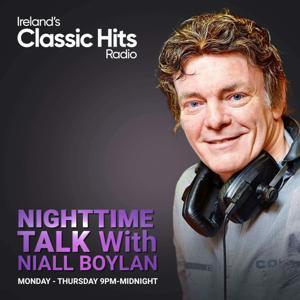
In this episode, Niall delves into a pressing question: "Would You Trust All Gardaí With Firearms?" The topic surfaces in the aftermath of a violent knife attack in Dublin and subsequent riots, sparking a debate on whether arming the Gardaí is a solution to escalating crime. Niall provides context through an article highlighting Taoiseach Leo Varadkar's stance on the matter.
The podcast explores the recent surge in violent crimes across Ireland, leading to concerns about public safety. Niall presents both sides of the argument by opening the lines to callers who express diverse perspectives on arming the Gardaí.
Some callers advocate for arming all Gardaí, emphasizing the need for law enforcement to have the necessary tools to combat rising criminal activity. They argue that increased violence on the streets demands a proactive approach to public safety and crime prevention.
On the opposing side, other callers caution against arming all Gardaí, citing potential risks and complications. Concerns about officer training, community policing, and the possibility of escalating violence are discussed. Some suggest alternative solutions such as better technology, intelligence gathering, and strategic investments in law enforcement.
As the conversation unfolds, Niall synthesizes the various viewpoints presented by callers and offers his insights. In wrapping up the episode, he encourages continued dialogue on the complex issue of arming law enforcement, emphasizing the importance of finding holistic solutions that prioritize public safety.
In this episode, Niall navigates the controversial question: "Are The Younger Generation Self-Entitled And Spoiled?" The discussion emerges from recent drama in the jungle, centering around an explosive exchange between Nella Rose, a 26-year-old influencer, and Fred Sirieix, a 51-year-old First Dates star. Niall provides context through a detailed recount of the on-air confrontation and the subsequent public debate.
The episode dissects the jungle altercation, where Nella Rose reacted strongly to Fred Sirieix's comment, sparking a debate on entitlement and generational differences. The podcast delves into both sides of the argument, drawing on public reactions and a poll from Lorraine viewers, where 97% sided with Fred.
Niall opens up the lines to callers, fostering a dynamic conversation around the broader question of whether the younger generation is self-entitled and spoiled. Some callers express the belief that the younger generation lacks resilience, emphasizing the importance of facing challenges without expecting special treatment. They argue that incidents like the jungle drama exemplify entitlement and the need for toughening up.
On the flip side, other callers defend the younger generation, highlighting the unique challenges they face. The conversation explores the role of mental health awareness, acknowledging emotional intelligence and the evolving understanding of well-being.
As the discussions unfold, Niall synthesizes the diverse perspectives presented by callers and offers his own insights on the matter. In wrapping up the episode, he leaves listeners with reflections on the complexity of generational dynamics, encouraging continued dialogue and understanding.
In this emotionally charged episode, Niall delves into the raw reactions of the public following the recent knife attack and subsequent riots that unfolded in Dublin. The episode begins by recounting the horrifying attack outside a primary school in Parnell Square, where a man armed with a ten-inch knife targeted innocent children, leaving three young victims and a brave woman who intervened with multiple stab wounds.
The narrative unfolds with a vivid description of the unprecedented knife attack and the impact it had on the sense of security within the community. The focus then shifts to the shocking riots that erupted in Dublin city center, detailing incidents of looting, burning of public transportation, and attacks on law enforcement.
The media's coverage is scrutinized, with an emphasis on the swift shift in attention from the harrowing attack on children to sensationalizing the riots. The description challenges the narrative diversion, urging listeners to keep the primary focus on the innocent victims, particularly a 5-year-old girl in critical condition at Temple Street Children’s Hospital.
The episode addresses concerns within the community regarding the allocation of resources to undocumented asylum seekers, adding a layer of complexity to the aftermath. The need to acknowledge the deep-seated problems within disadvantaged communities and to avoid neglecting the genuine victims of violence is underscored.
Niall opens up the lines to callers, providing a platform for individuals to share their feelings and perspectives on the tragic events that unfolded in Dublin. The conversation aims to foster community solidarity and empathy during a challenging and tumultuous time.
In this compelling interview, Niall engages in a thought-provoking conversation with Dr. Eoin Lenihan, an independent journalist and researcher, about the aftermath of the brutal murder of Irish school teacher Ashling Murphy. The focus of the discussion revolves around the gaslighting of Irish men by politicians and journalists in the wake of this tragic event.
The episode explores the media's swift narrative shift, labeling the situation as a 'femicide epidemic' and attributing blame to Irish men as a collective. Dr. Lenihan provides a critical analysis of the statistics, shedding light on the misleading framing of the issue. He challenges the portrayal of a widespread danger posed by Irish men, emphasizing the need to address the real issues of open borders and mental health crises in Ireland.
The script delves into the details of the murders discussed in the media, highlighting the nuances often omitted from the narrative. Dr. Lenihan argues that the focus should be on responsible governance and addressing the root causes, such as mental health and family conflict issues, rather than scapegoating an entire gender.
As the conversation unfolds, Niall and Dr. Lenihan dissect the rhetoric surrounding the gaslighting of Irish men, questioning the motivations behind the media's narrative and its impact on public perception. The episode serves as a platform for a nuanced discussion on gender dynamics, societal issues, and the importance of addressing the real challenges faced by the nation.
In the concluding remarks, Niall and Dr. Lenihan underscore the significance of truthful discourse, emphasizing the responsibility of media and policymakers to engage in transparent discussions that lead to effective solutions.
In this episode, Niall addresses a unique dilemma brought to his attention by a listener: Would you buy your son girls' toys for Christmas? The listener shares her personal struggle as her son expresses a keen interest in traditionally feminine toys, including a toy kitchen and a mermaid costume.
The listener's husband is resistant to the idea and insists on a different Christmas list, excluding items he deems unsuitable. The listener grapples with the conflict between supporting her son's individuality and adhering to traditional gender norms. Niall opens up the lines to callers, sparking a diverse range of opinions.
Some callers argue in favor of adhering to traditional gender roles, expressing concerns about potential confusion for the child and the challenges they might face socially. They highlight the importance of societal norms and the potential for teasing or exclusion.
On the other hand, other callers advocate for embracing a more open-minded approach. They argue that buying gender-neutral or traditionally "girls' toys" fosters inclusivity and allows children to explore their interests without rigid gender boundaries.
Niall navigates the discussion, acknowledging the complexities of the situation and the various perspectives on breaking or adhering to gender stereotypes. As the callers share their insights, the episode delves into the broader societal conversations around gender norms and individual expression.
In the wrap-up, Niall reflects on the diverse opinions shared, emphasizing the importance of understanding and respecting individual choices in the context of evolving societal norms.
In this illuminating interview, Niall engages with Michael Leahy, the Chairman and Spokesperson for the Irish Freedom Party, delving into the party's vision for revitalizing various aspects of Ireland. The conversation covers critical topics, including:
Improving the Health Service: Addressing the pressing issues within Ireland's healthcare system, the Irish Freedom Party emphasizes the need for radical reform, from attractive salary packages to major investments in home and social care.
Climate Policy – Saying NO to Carbon Taxes: As climate realists, the party rejects carbon taxes, highlighting the disproportionate impact on ordinary citizens. The conversation explores alternative approaches to encourage climate-friendly activities.
A Fairer Tax System: The Irish Freedom Party advocates for lower taxes, outlining plans to increase the threshold for higher tax rates, reduce funding to the NGO sector, and address low pay concerns exacerbated by mass immigration.
Tackling Serious Crime: Recognizing the violent crime wave gripping Ireland, the party proposes measures such as deploying the army in sensitive areas, tougher sentencing for drug offenses, and investments in education to combat the drugs trade.
Solving the Housing and Homeless Problem: Acknowledging the housing crisis, the party emphasizes prioritizing Irish nationals in social housing allocation, refurbishing uninhabitable homes, and introducing 50-year intergenerational mortgages.
Protecting Your Right to Speak Your Mind: In the face of perceived attacks on freedom of speech, the Irish Freedom Party stands firm, opposing laws that limit the ability to express opinions and convictions.
Throughout the interview, Michael Leahy outlines the party's commitment to addressing these crucial issues, offering a comprehensive vision for a revitalized Ireland.
Description:
In this compelling episode, Niall tackles a timely question: Should Ukrainian refugees be allowed to go home for Christmas? The recent shift in travel policies by the Department of Integration has sparked controversy, initially reducing the right of Ukrainians to leave their homes in Ireland, only to make a U-turn and allow them unrestricted travel for the Christmas period.
Niall breaks down the intricacies of this decision, questioning the logic and implications behind permitting Ukrainian refugees to return home for the holidays. The government's move is seen by some as a humane gesture, acknowledging the importance of family during the festive season. However, others argue that it might be an abuse of Ireland's generosity, especially considering the original intent behind seeking protection.
The lines are open to callers, and the debate unfolds. Some express empathy, emphasizing the emotional significance of reuniting with family during Christmas, while others scrutinize the distinction between genuine refugees and economic migrants.
Join the conversation as Niall navigates through diverse perspectives, exploring the balance between compassion and discernment in the context of Ireland's response to Ukrainian refugees.
Date:
11/22/2023
Guests:
Eilís Mulroy (Pro-Life Human Rights, Non-Profit, CEO of VIE CLG)
Description:
In this thought-provoking interview, Niall engages in a candid conversation with Eilís Mulroy, CEO of VIE CLG, a Pro-Life Human Rights Non-Profit, to delve into the economic costs of abortion in Ireland. Eilís provides valuable insights into the rise in women availing of abortions, shedding light on the multifaceted aspects that contribute to this trend.
The discussion navigates through the ethical, social, and economic implications of abortion, offering a nuanced perspective on the choices individuals face and the broader impact on society. Eilís Mulroy, with her extensive background in advocating for pro-life human rights, provides a comprehensive overview of the challenges and considerations surrounding abortion in Ireland.
Listeners can expect a deep exploration of the economic dimensions, questioning the true price tag associated with abortion. The conversation goes beyond statistics, aiming to foster understanding and empathy for the diverse perspectives surrounding this complex issue.
Whether you are well-versed in the topic or seeking to broaden your understanding, this interview provides a valuable opportunity to engage with the complexities of abortion economics in Ireland.
From the publisher's feed
Ranked by our users in the last 21 days
189 Listeners
49 Listeners

59 Listeners

32 Listeners
9 Listeners
281 Listeners

48 Listeners

108 Listeners
51 Listeners
79 Listeners
26 Listeners
102 Listeners

54 Listeners

100 Listeners